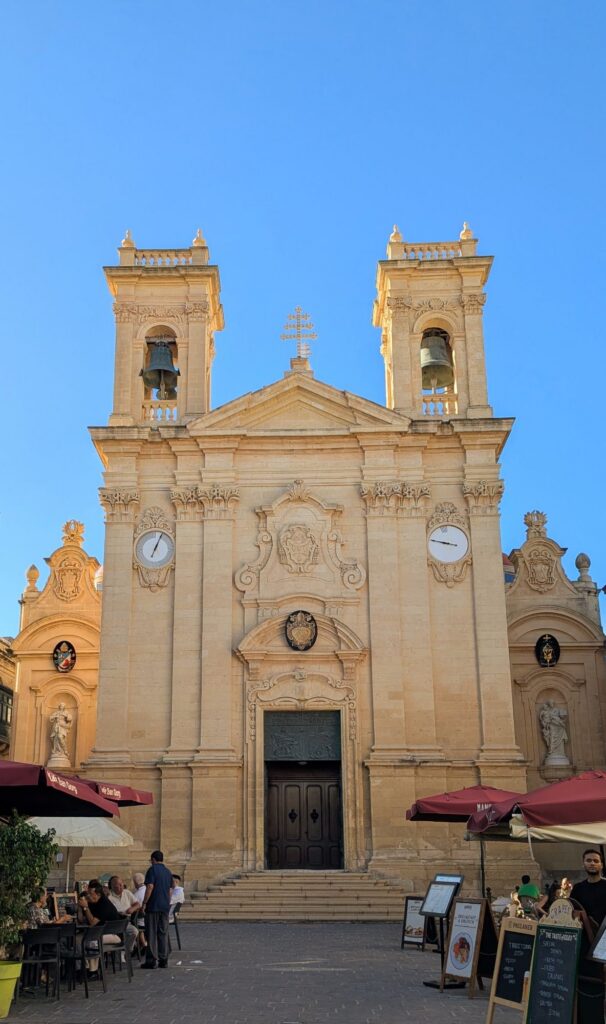
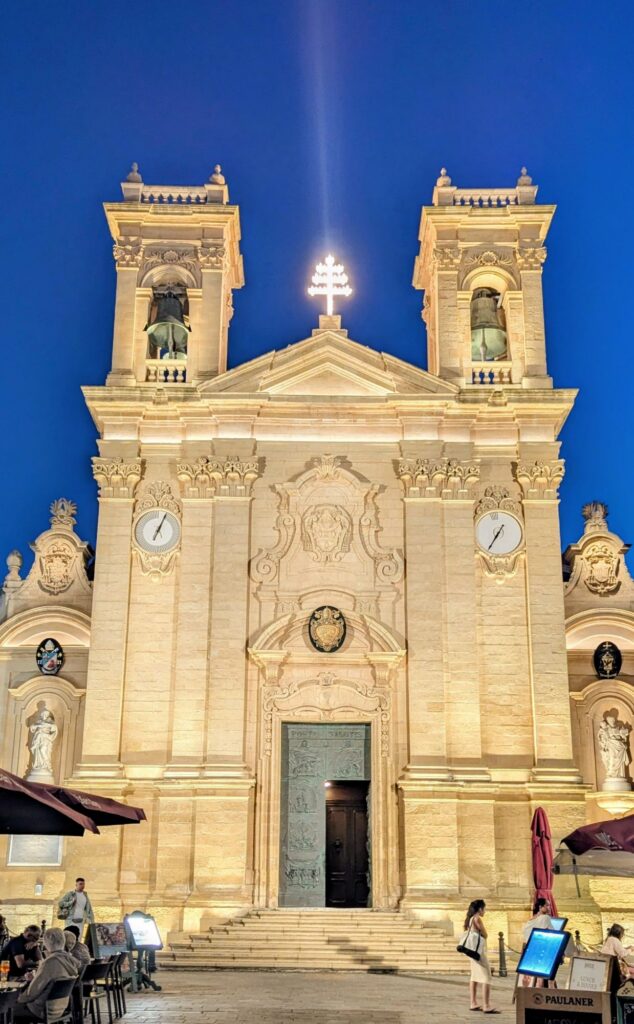
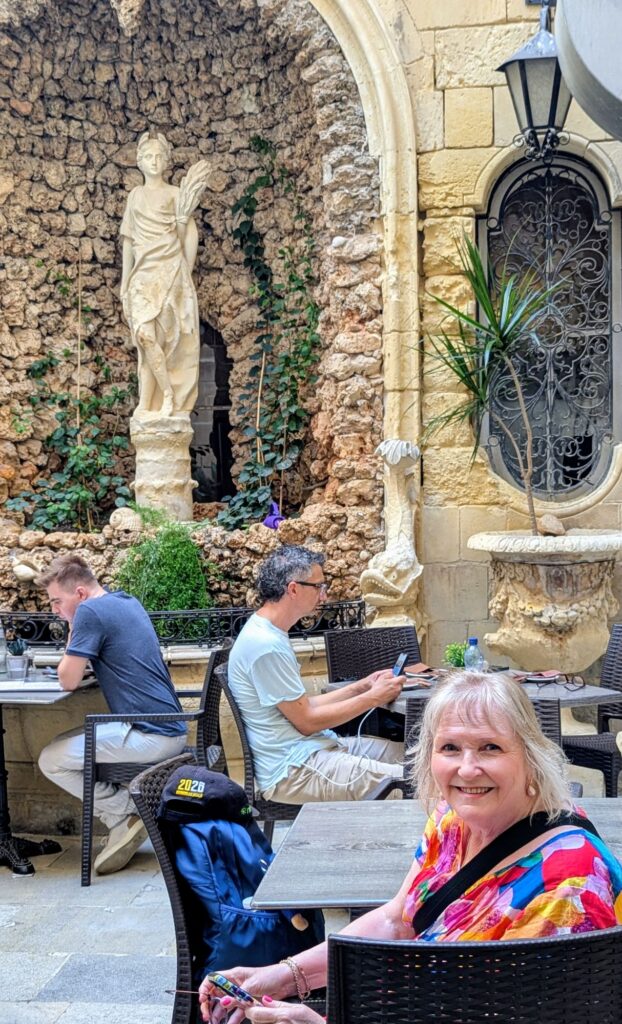
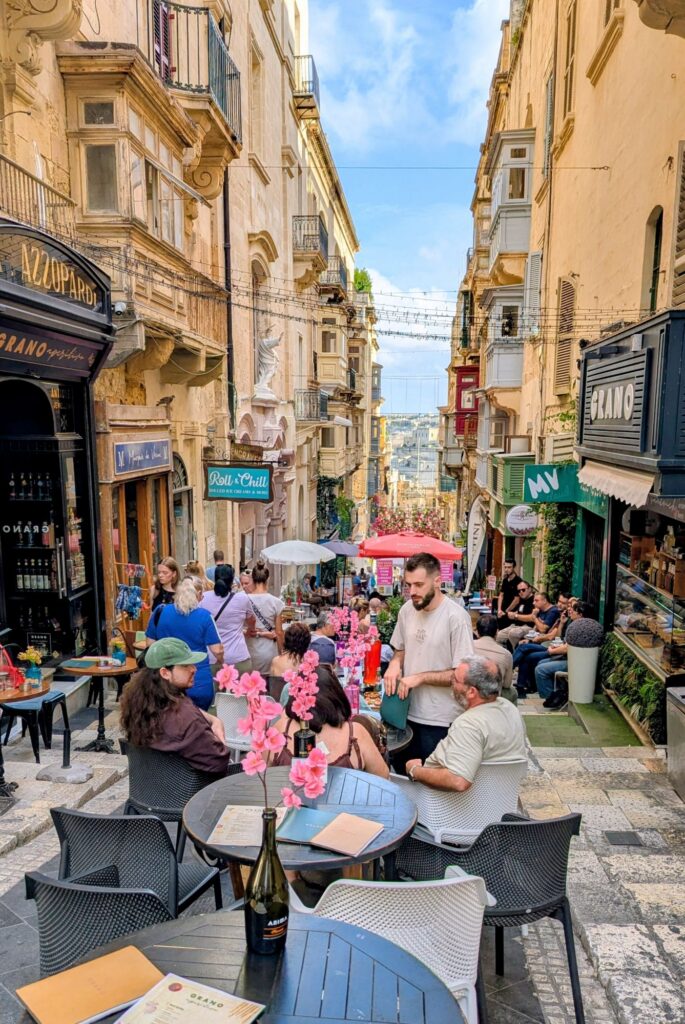
Sitting at an outdoor cafe the table next to us has their food delivered the young man delivers two dishes and proudly announces “Chicken croquettes!” The American woman squeals “I am vegetarian I ordered vegetarian!” The waiter doubles down that it is chicken. A waitress comes over and reassures her that it is vegetarian and dismisses the man. When he is out of earshot she puts him down to the patrons saying “he is only new here”. Shades of Basil Fawlty!
Barcelona struggles with the sheer volume of tourists. Cruise ships and air BnBs overwhelm the infrastructure and locals have repeatedly protested in the street against tourism. The reason for the touristic interest can be summarised by the influence of one person Antoni Gaudi. Born 1852 and dying in 1926 this brilliant Catalan architect and designer has transformed what would have been an ordinary Spanish town to a tourist megastar.
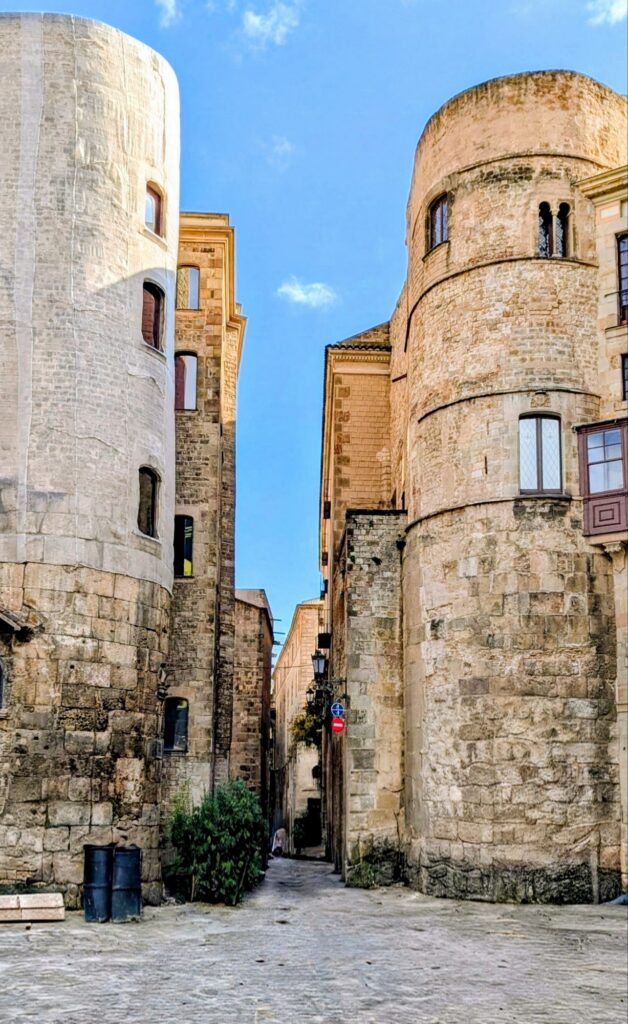
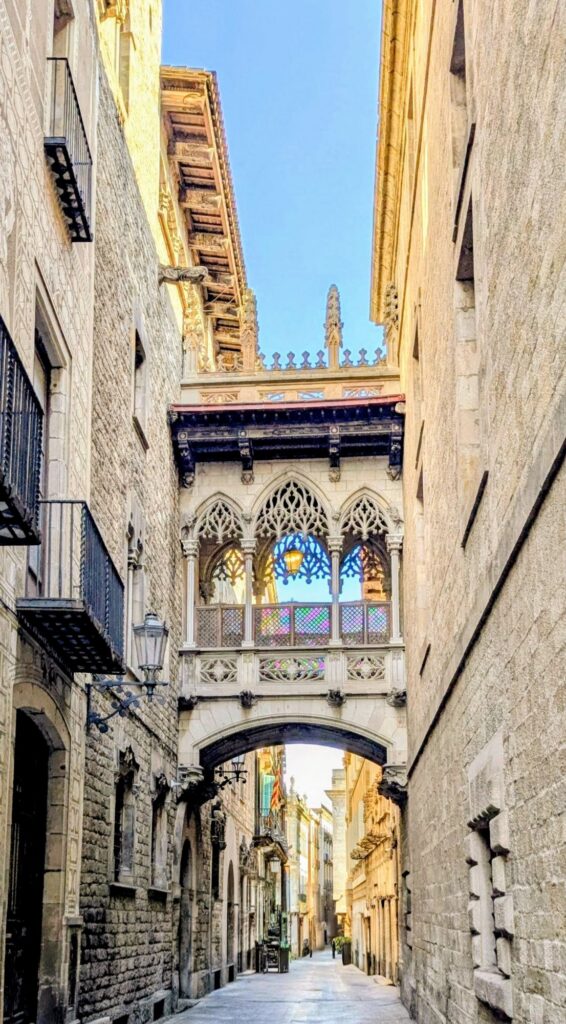
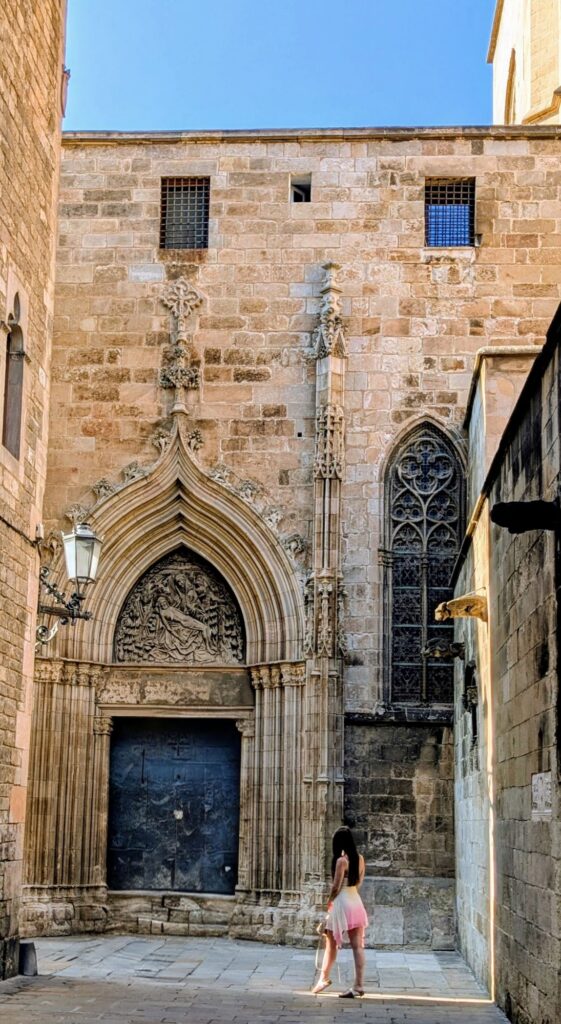
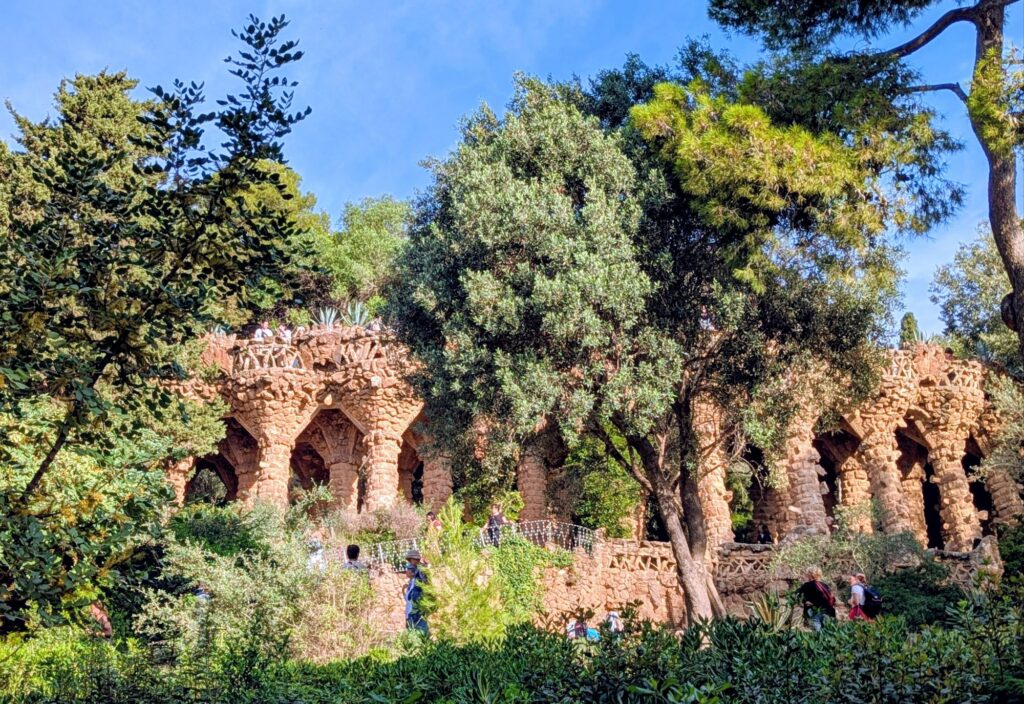
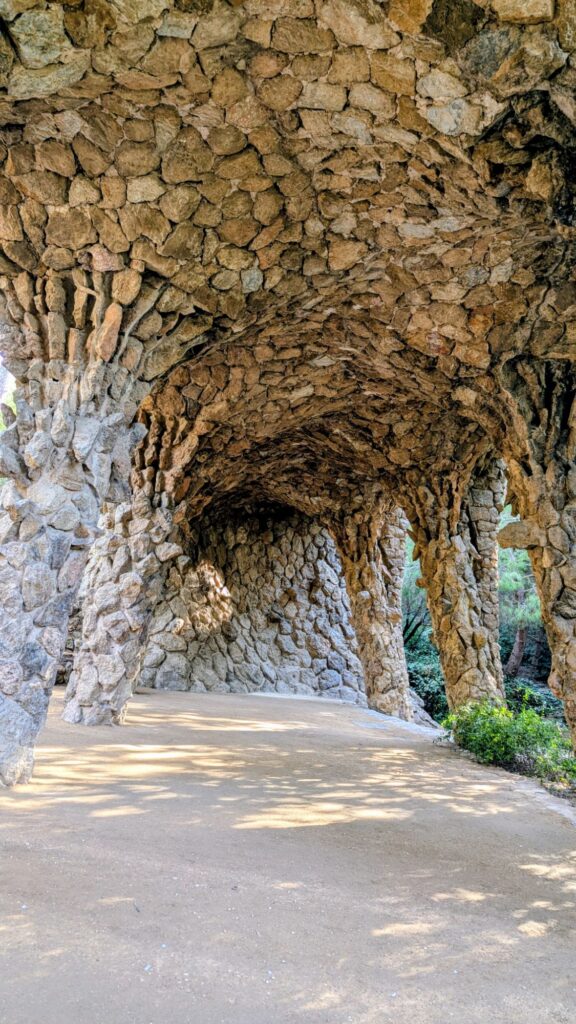
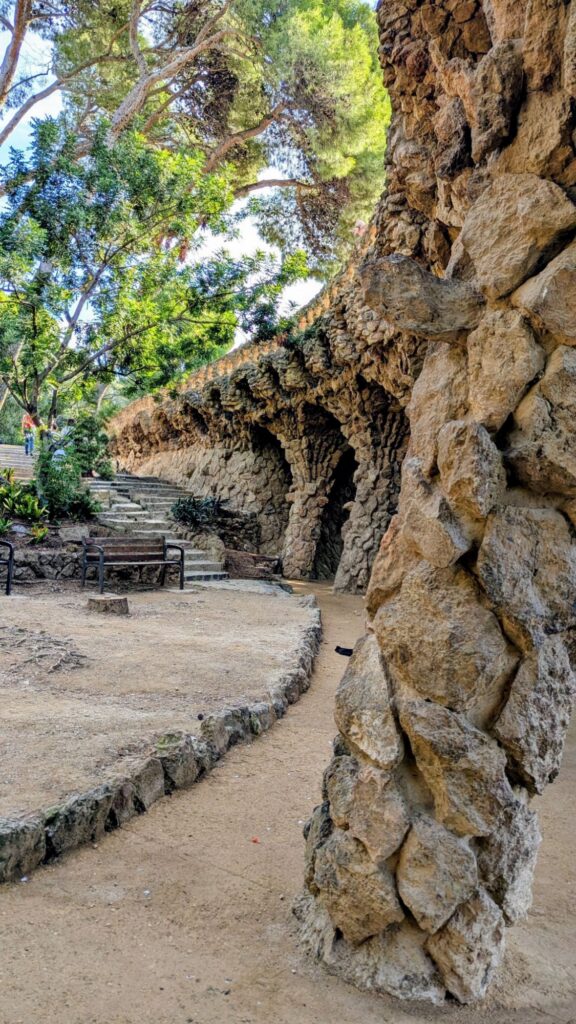
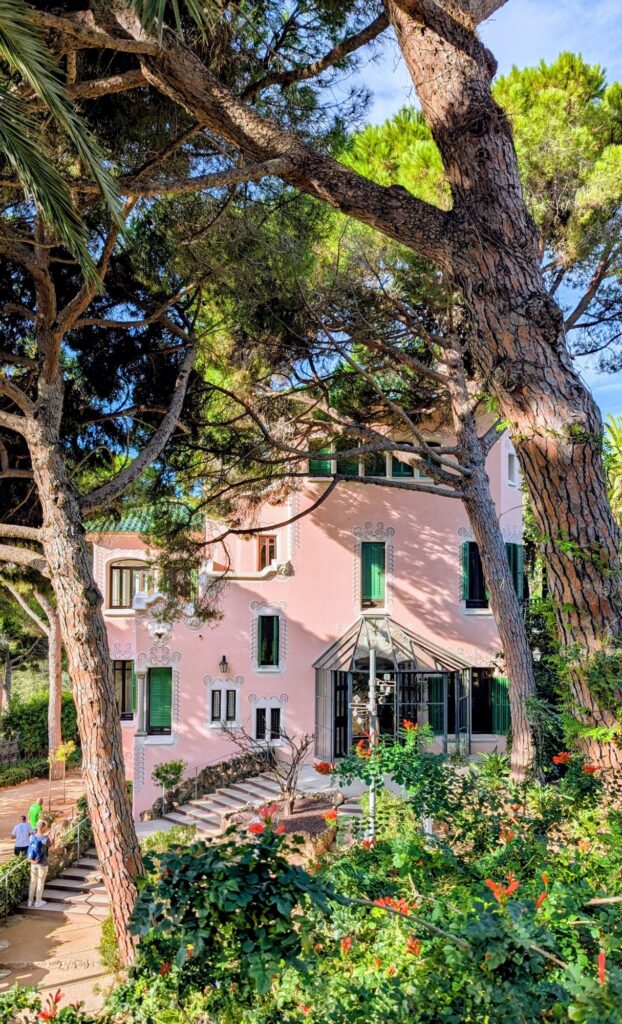
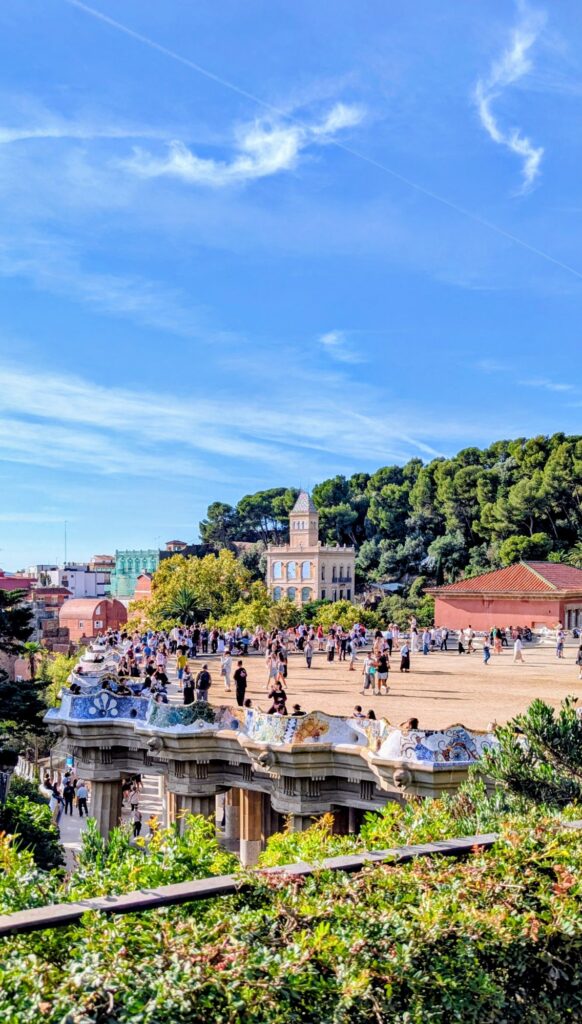
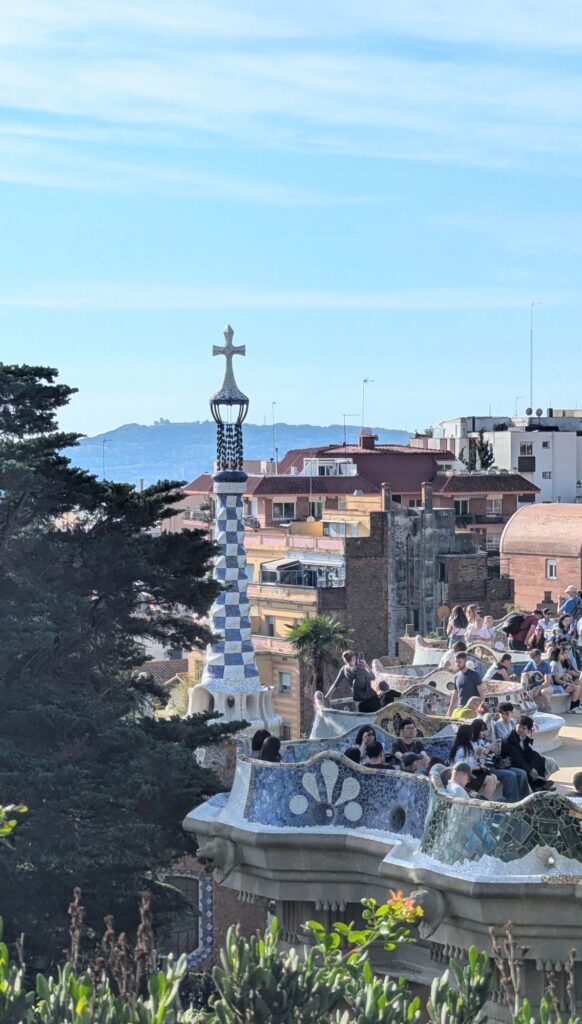
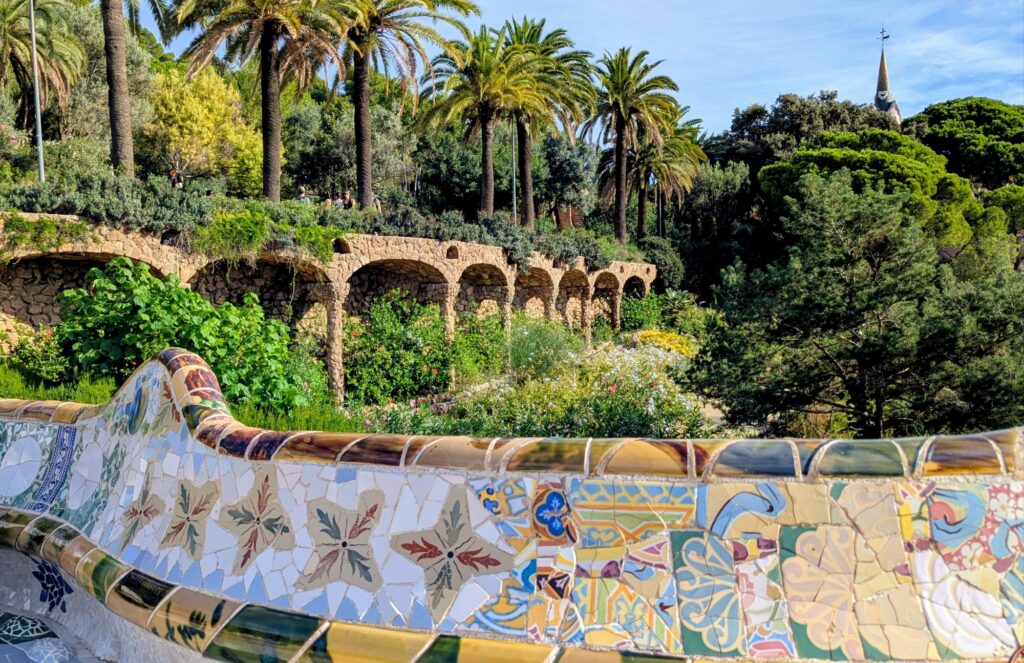
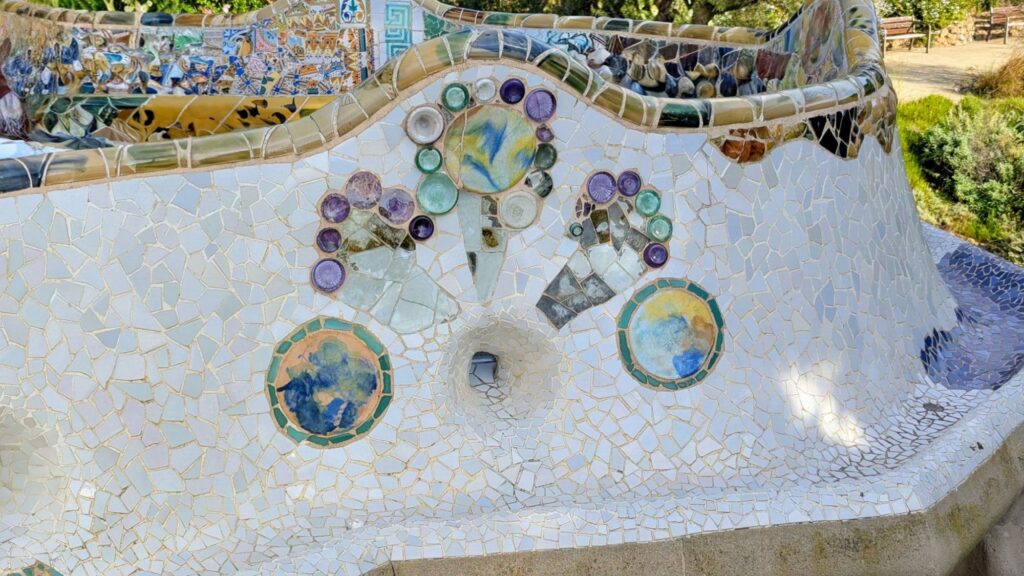
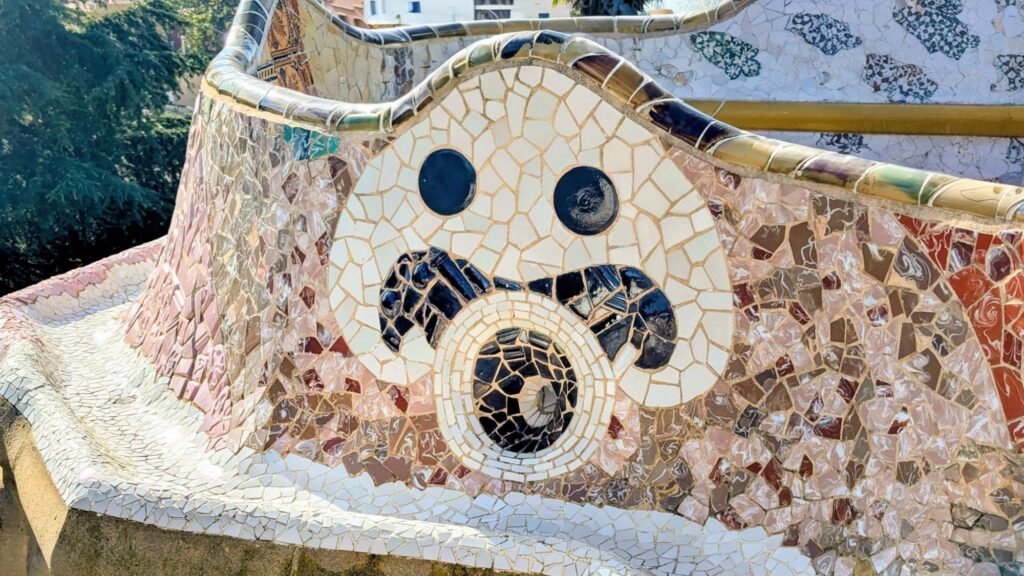
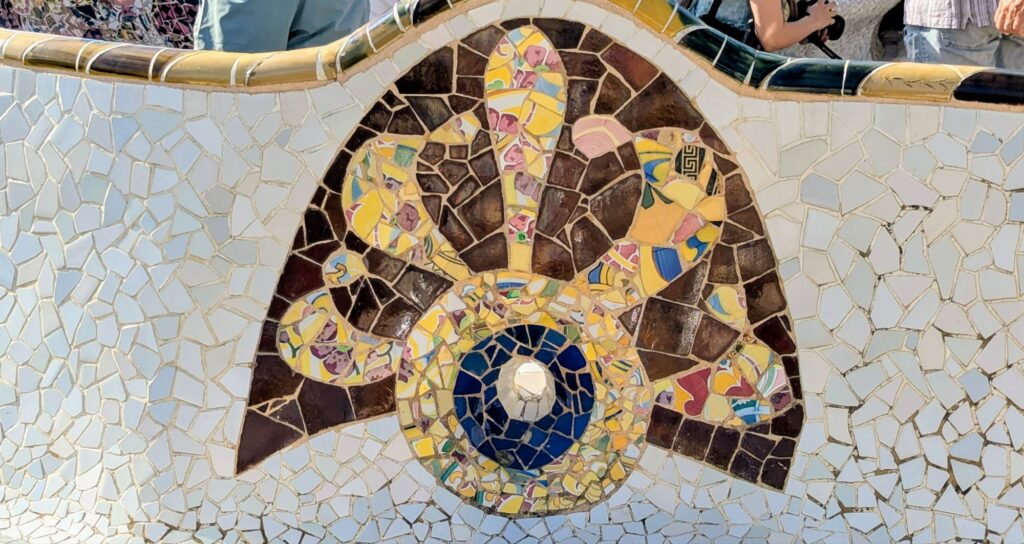
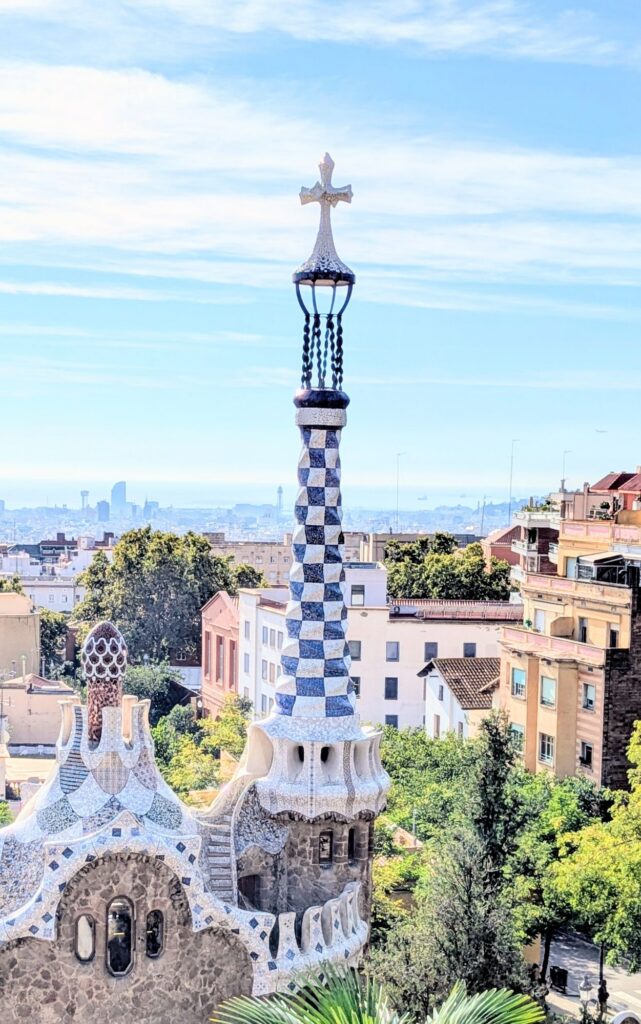
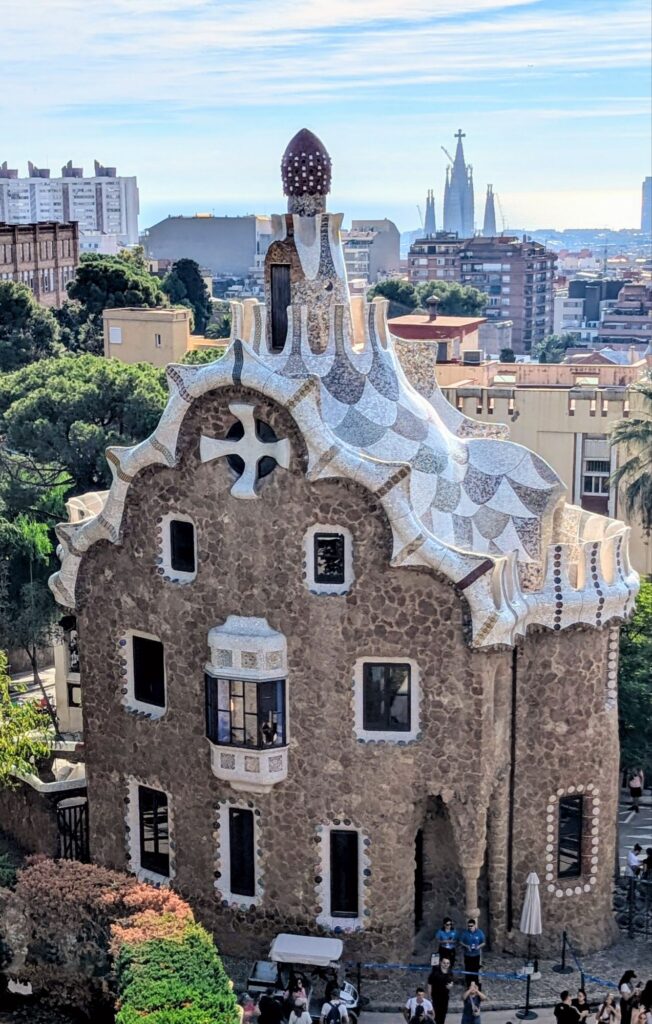
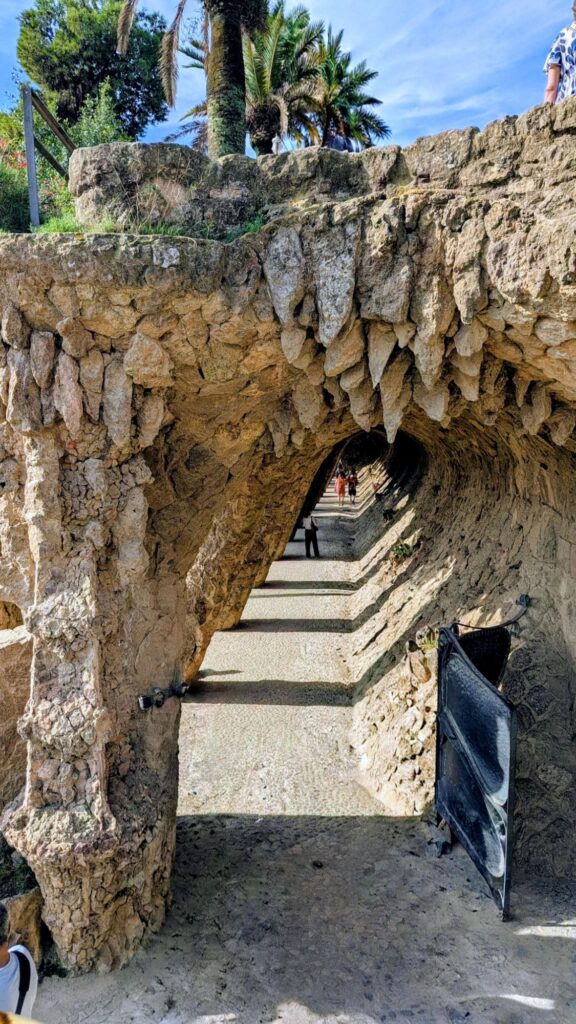
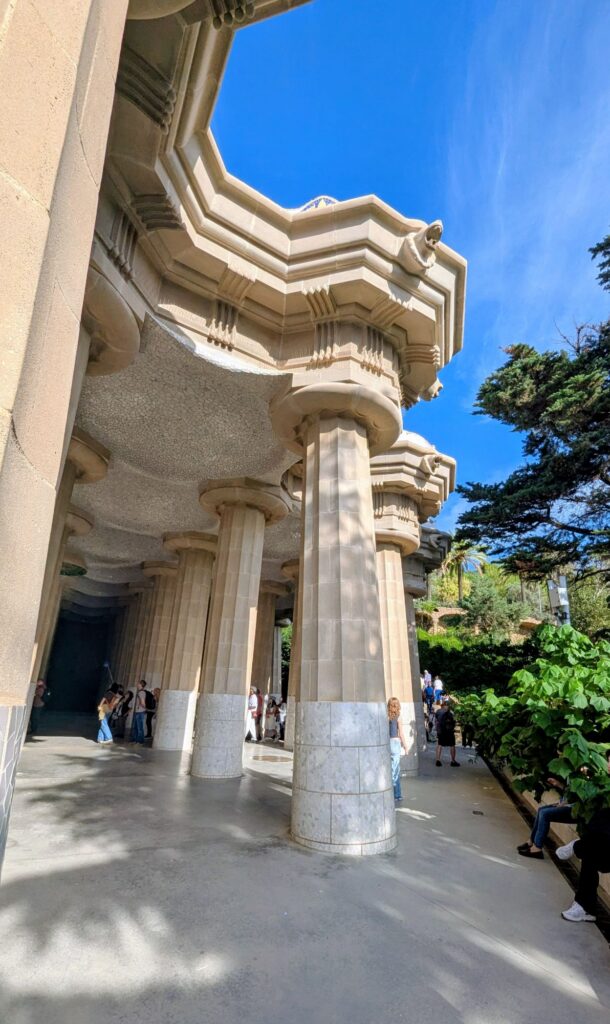
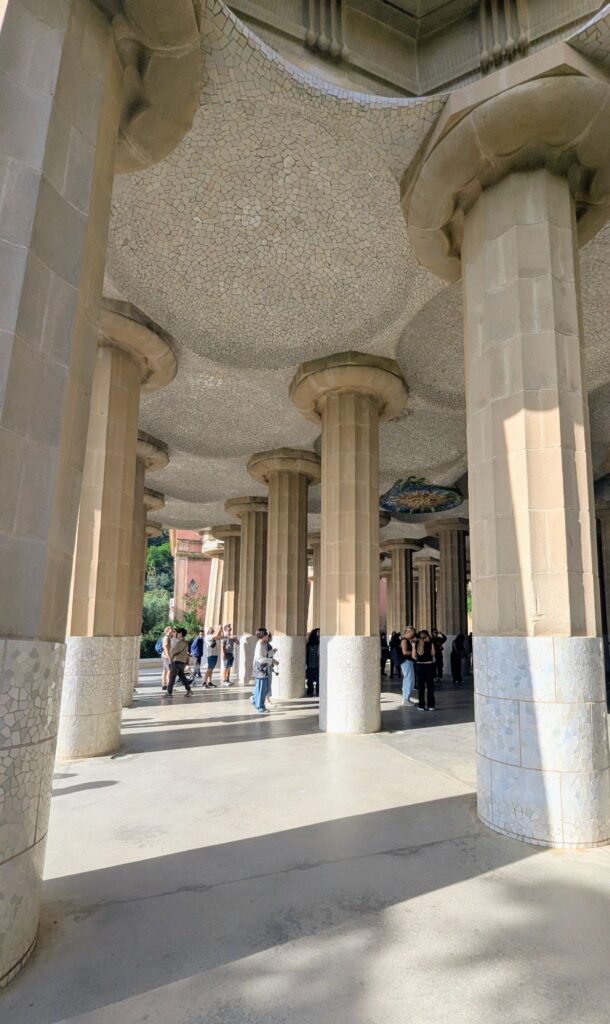
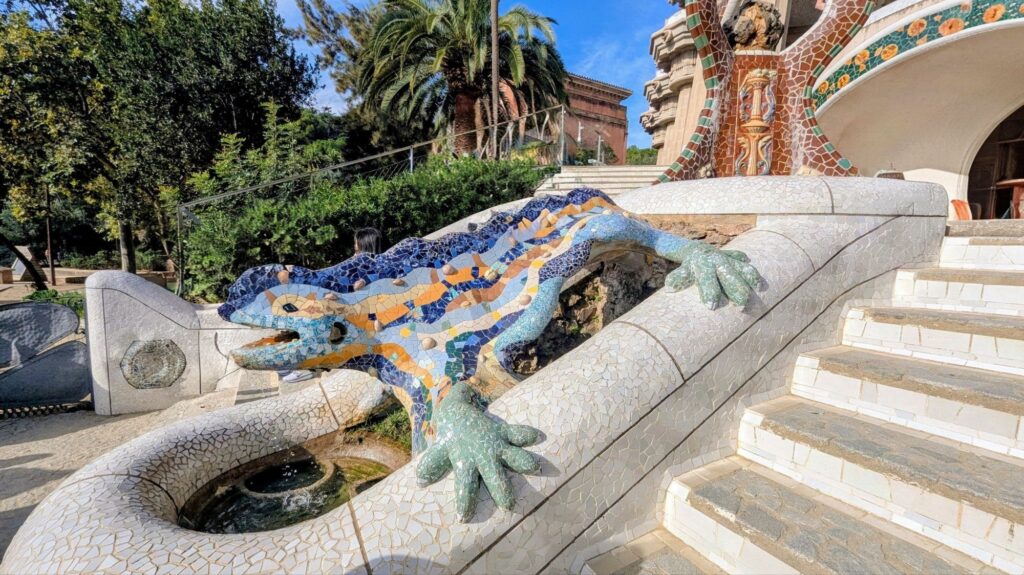
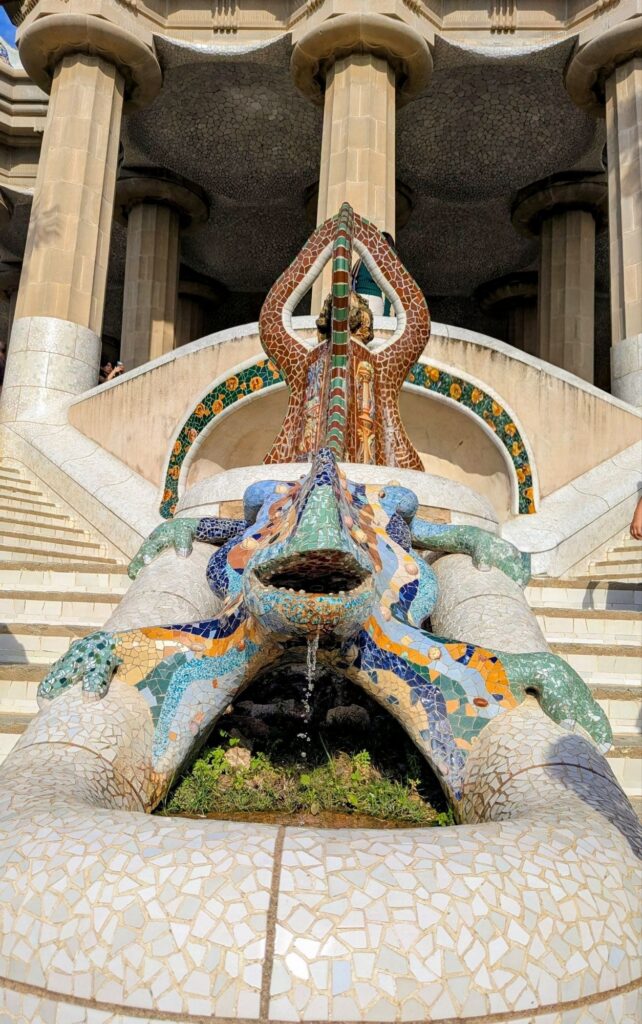
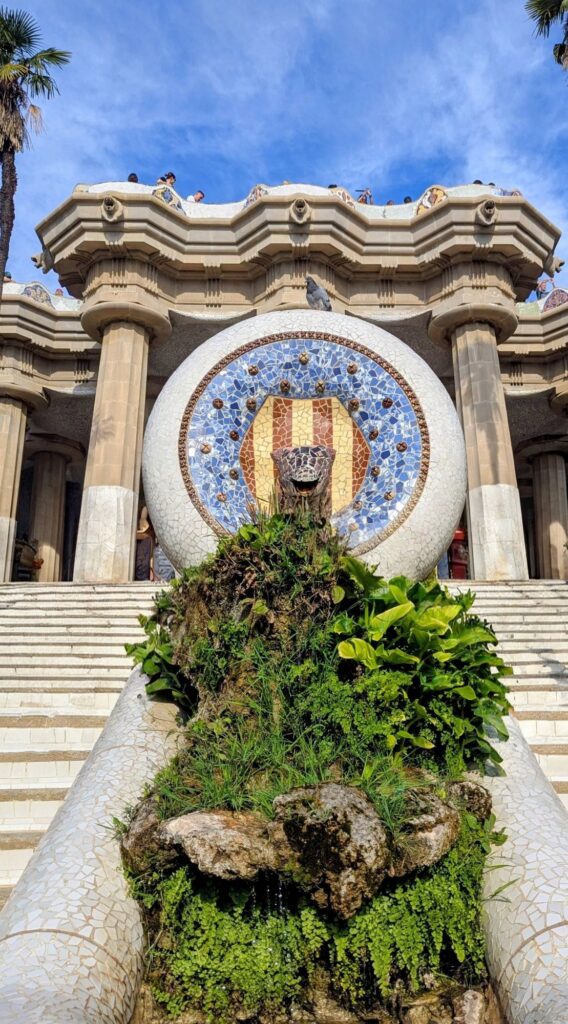
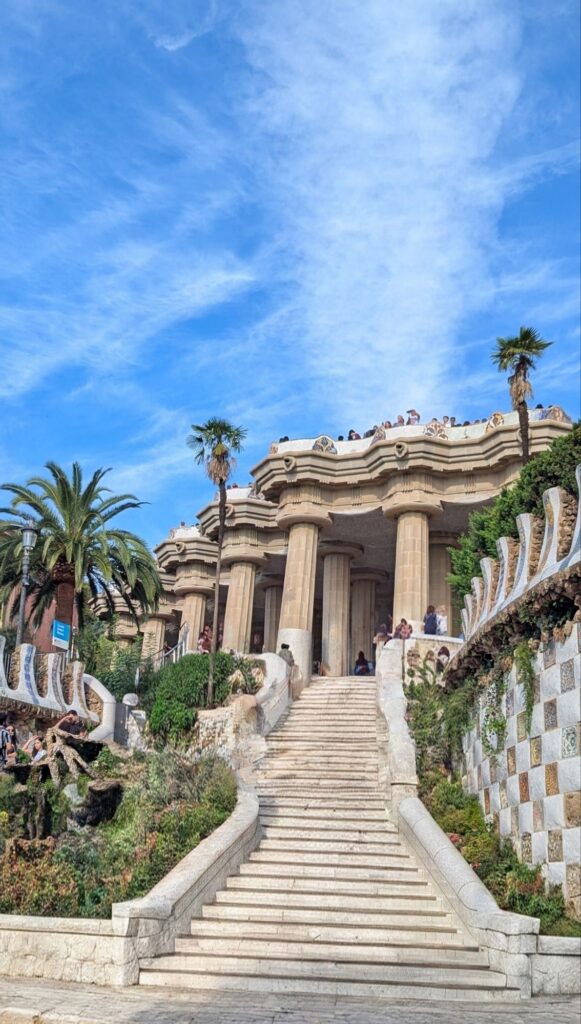
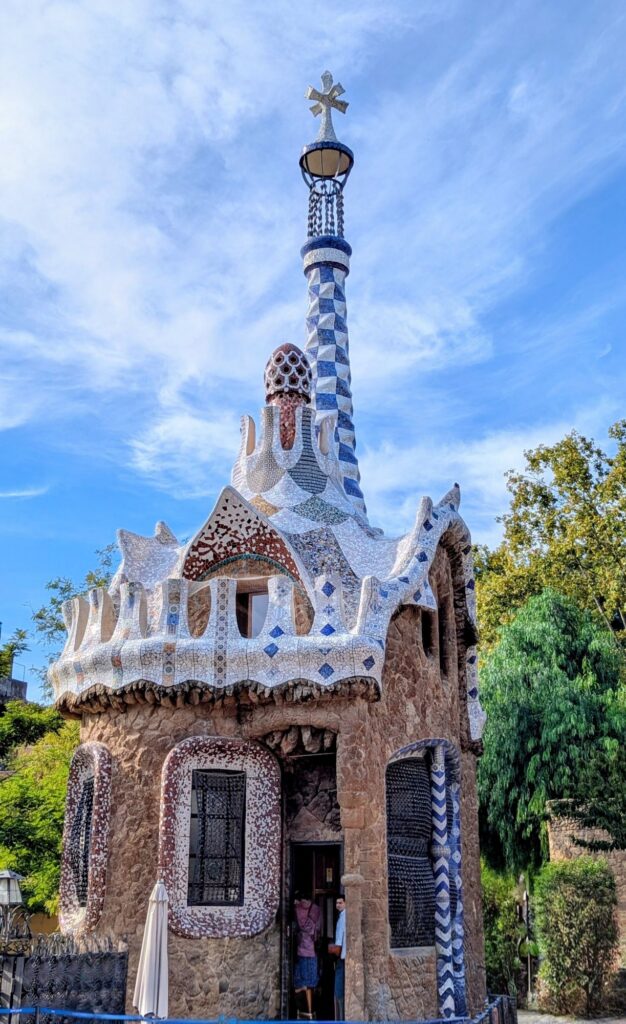
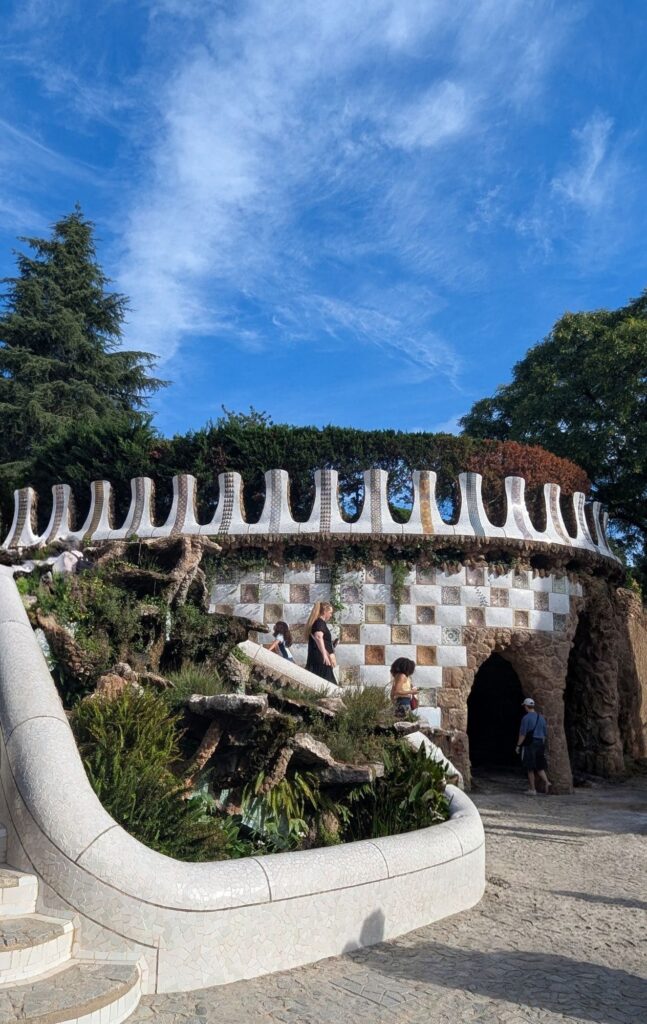
Our tour begins at Parc Guell on the outskirts of Barcelona. Commissioned in 1900 by industrialist Eusebio Guell as a British style residential garden city for wealthy families it failed commercially. Enter Antoni Gaudi who shaped the park to mimic nature itself. The park uses broken ceramic tiles and shards to decorate sculptures walls and structures.
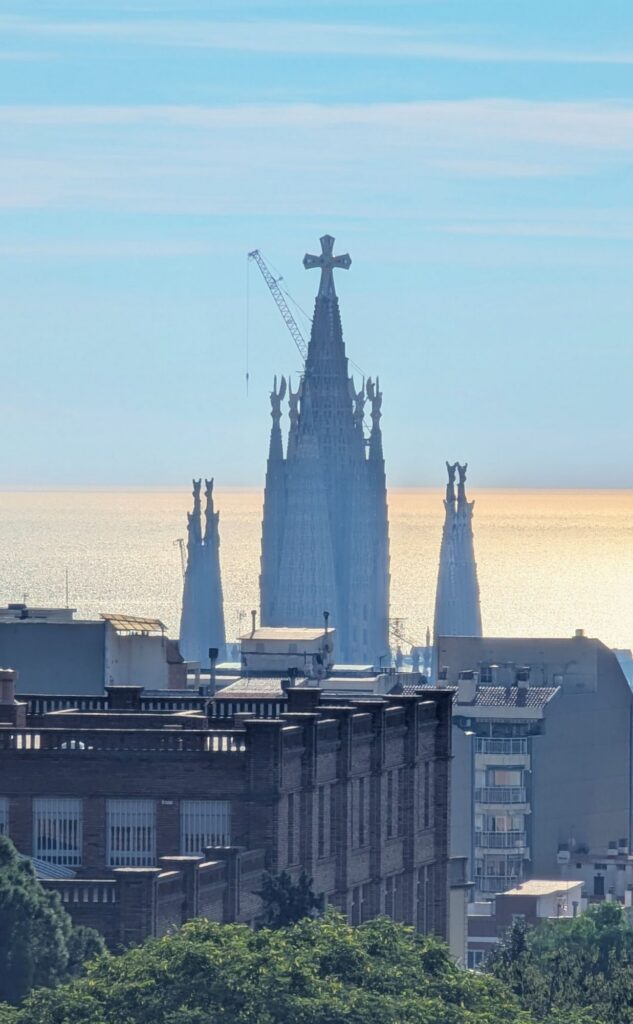
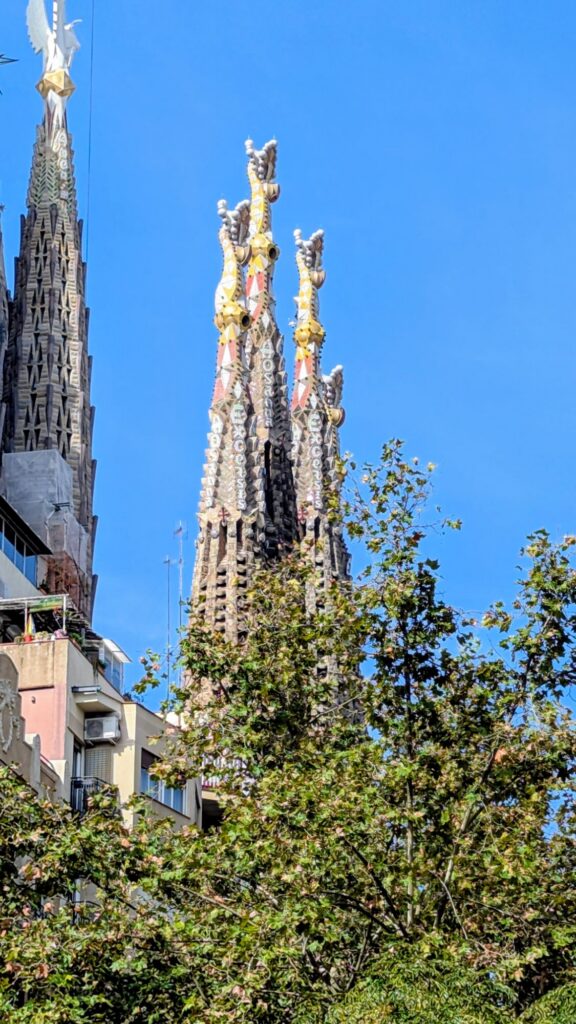
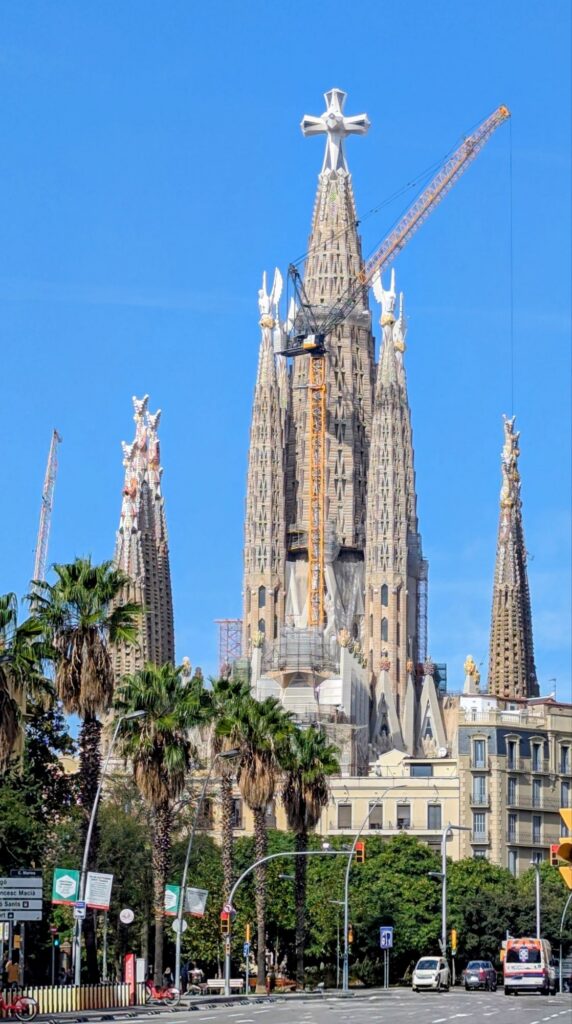
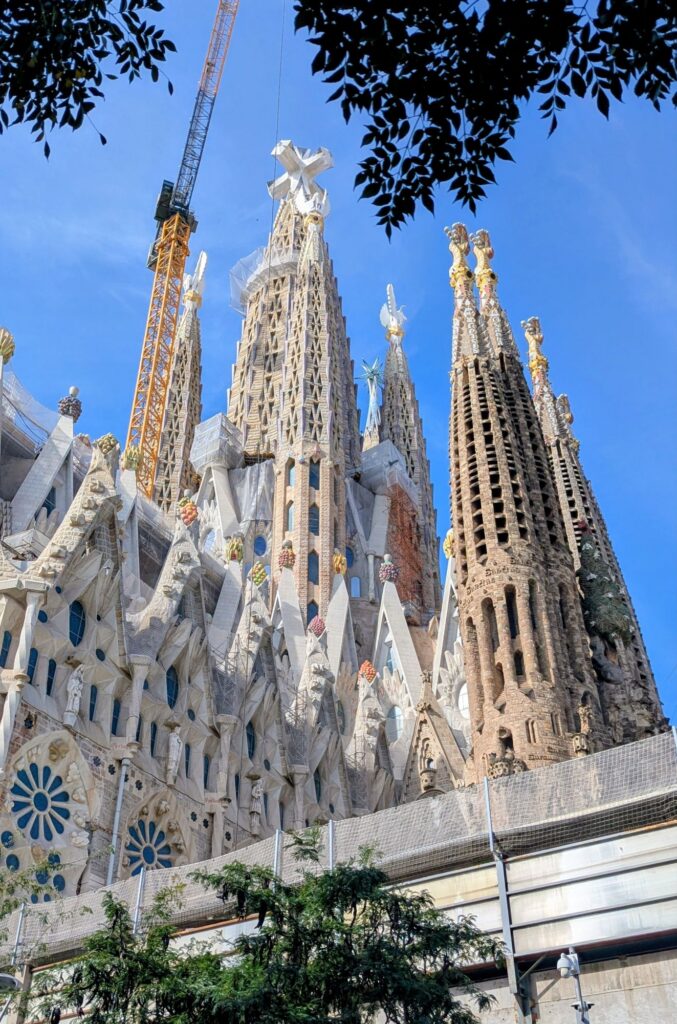
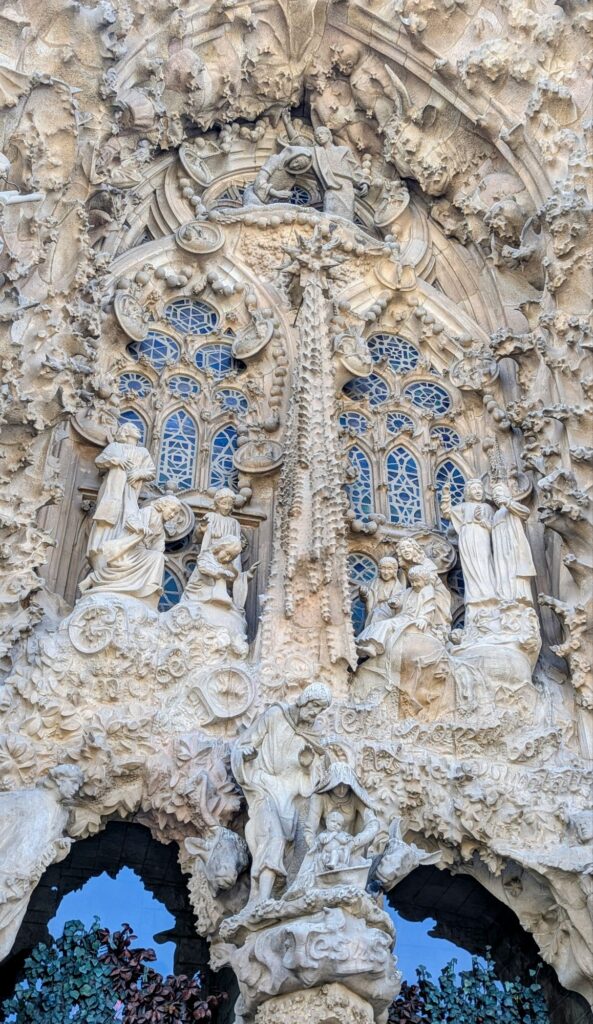
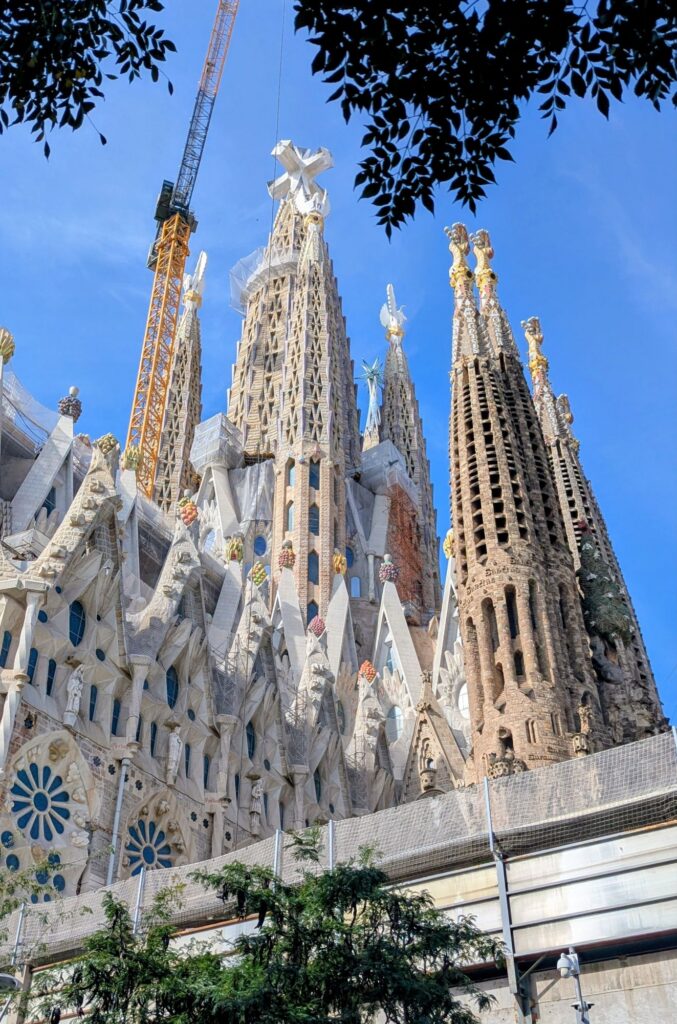
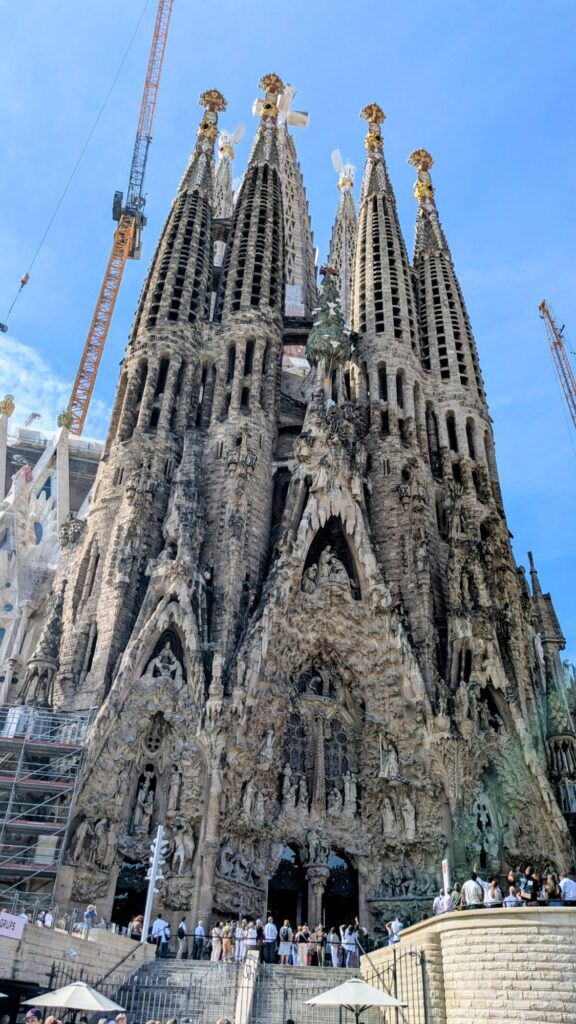
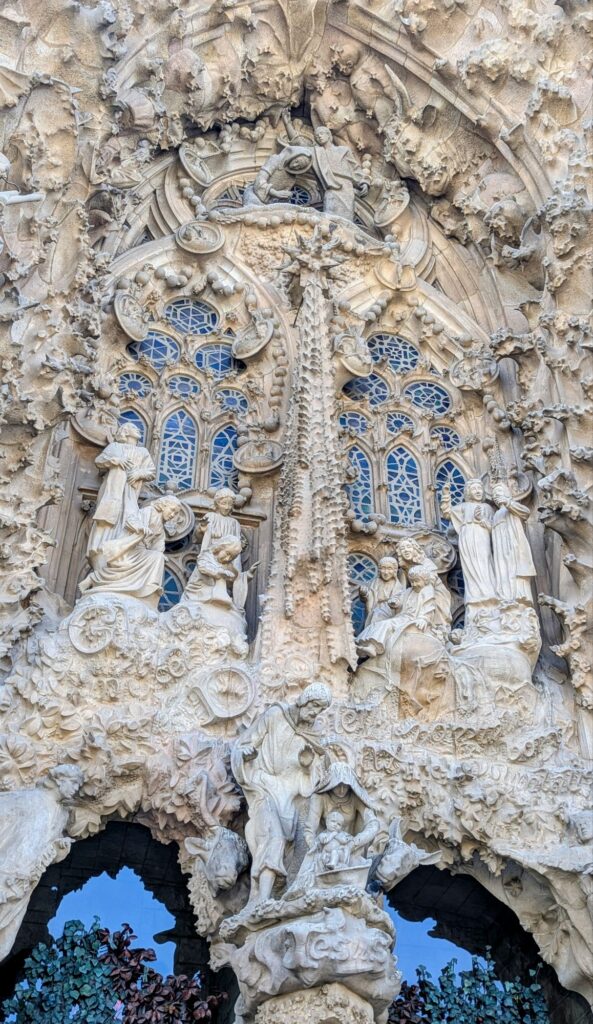
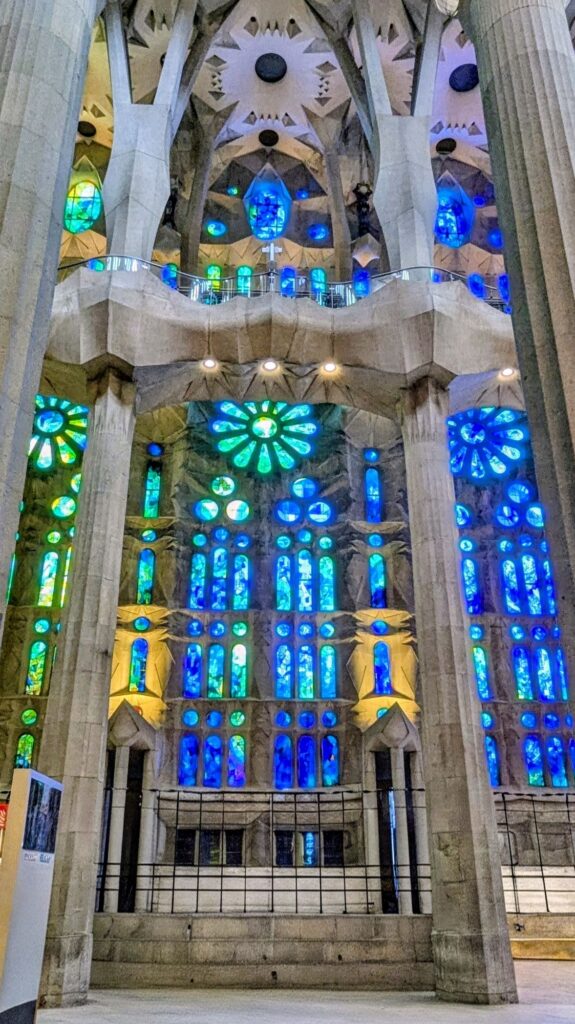
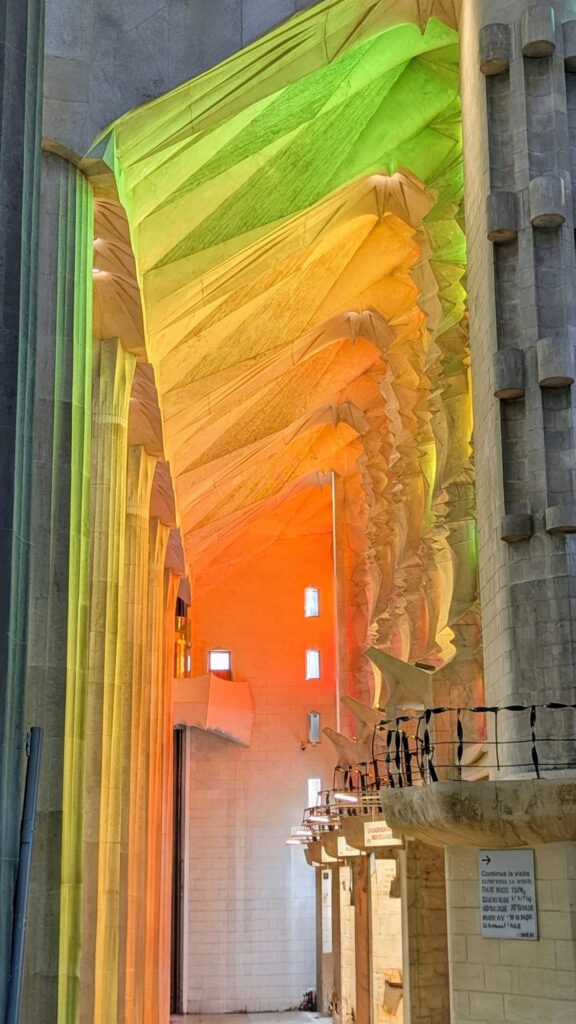
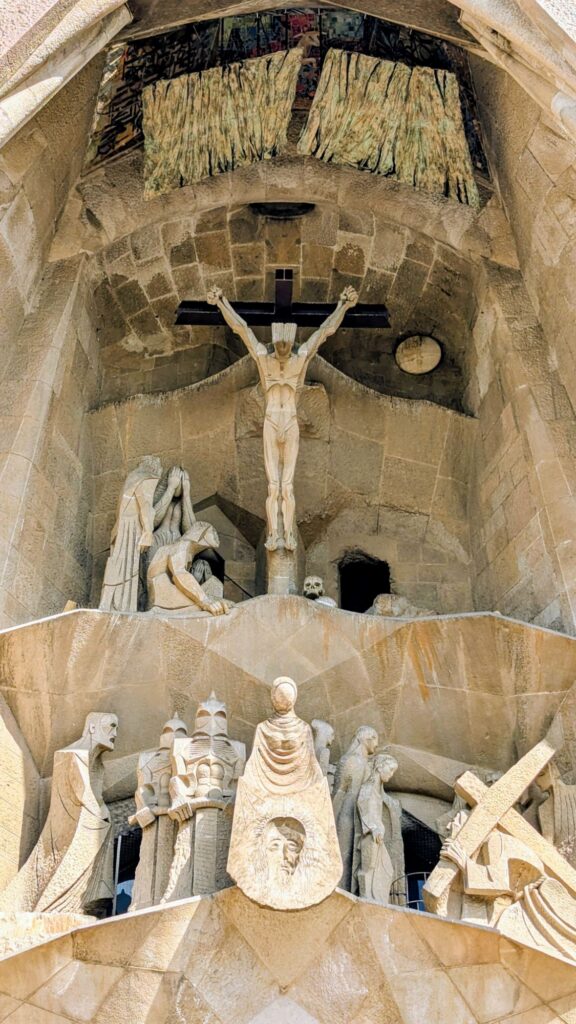
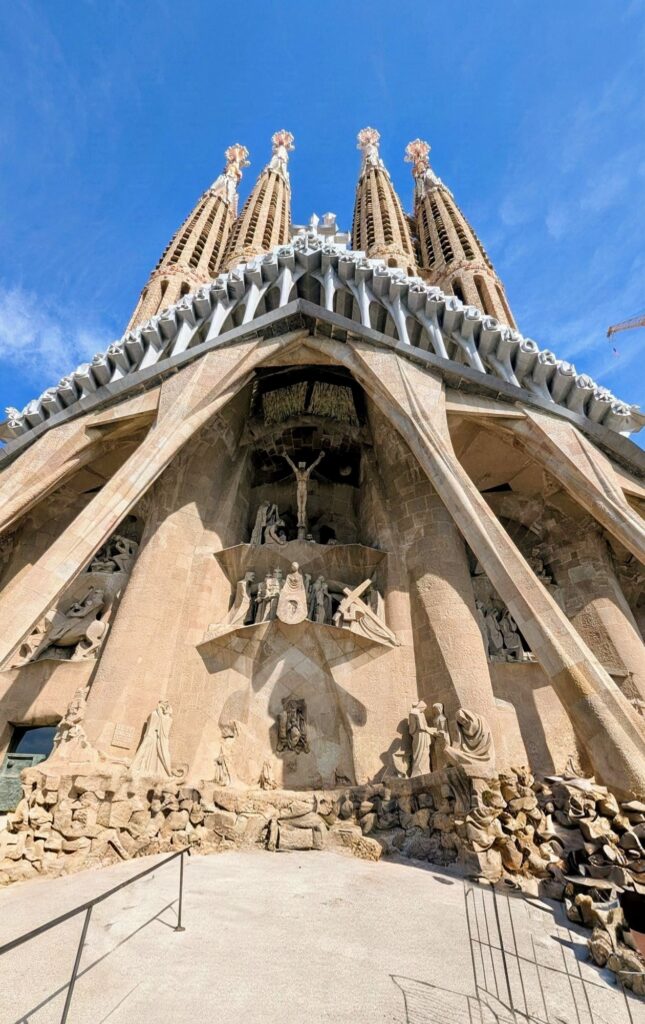
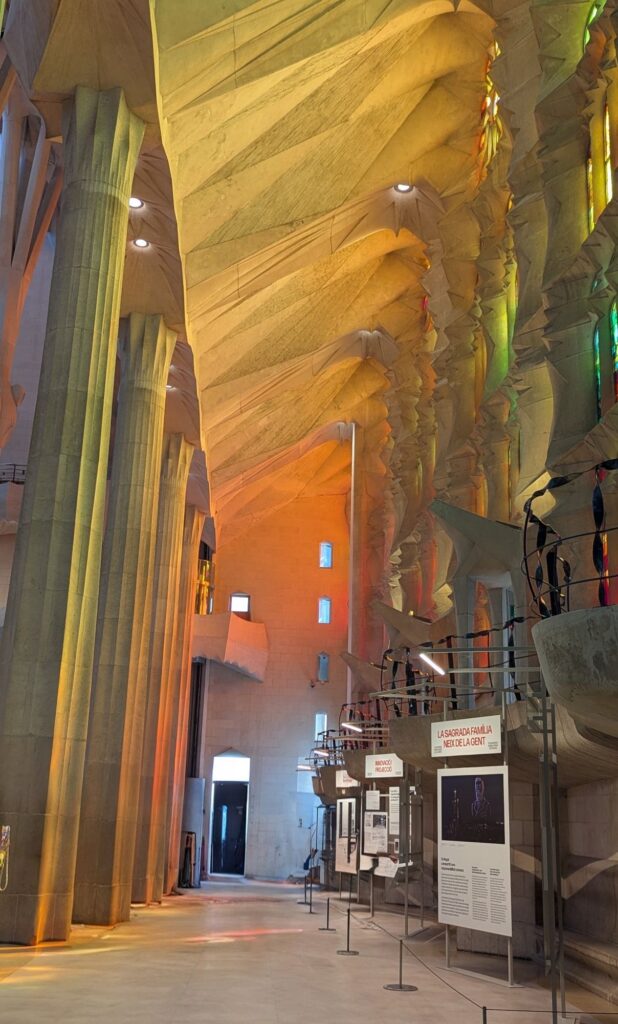
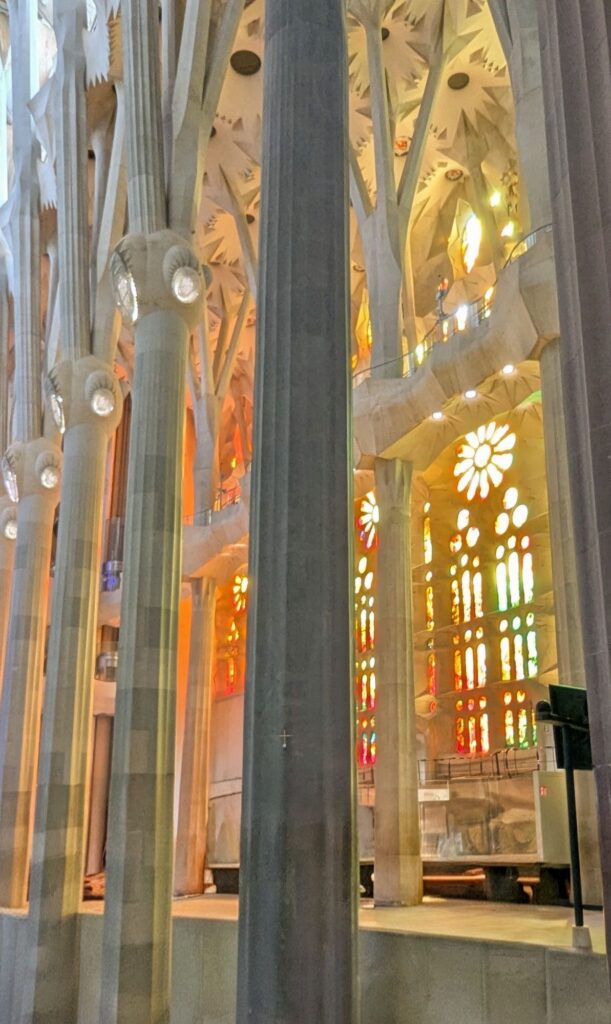
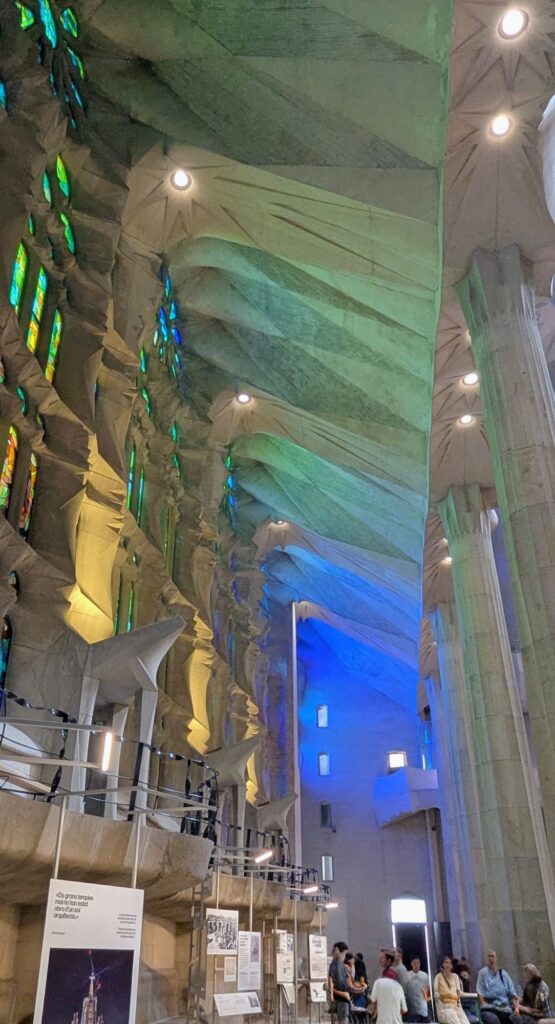
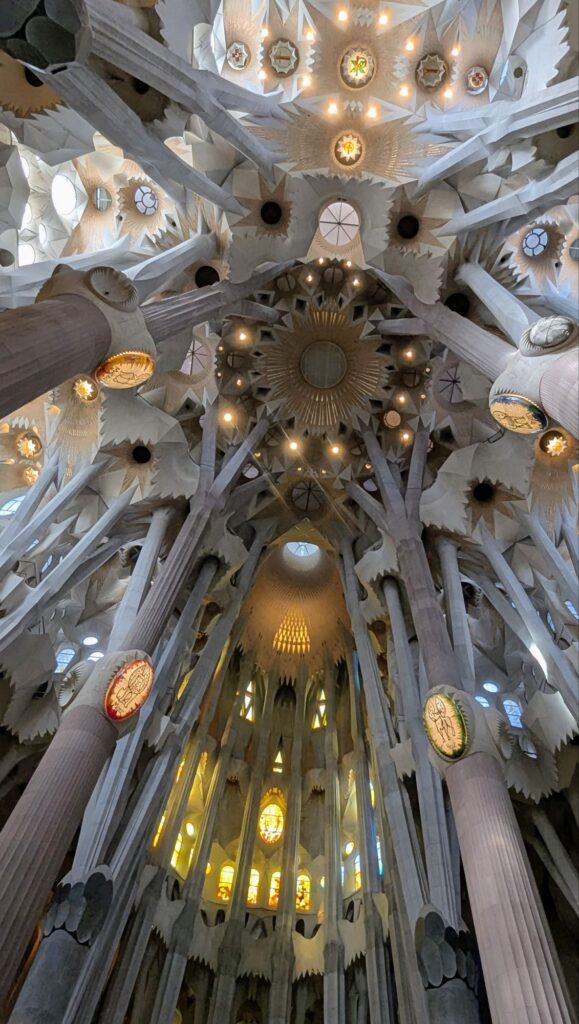
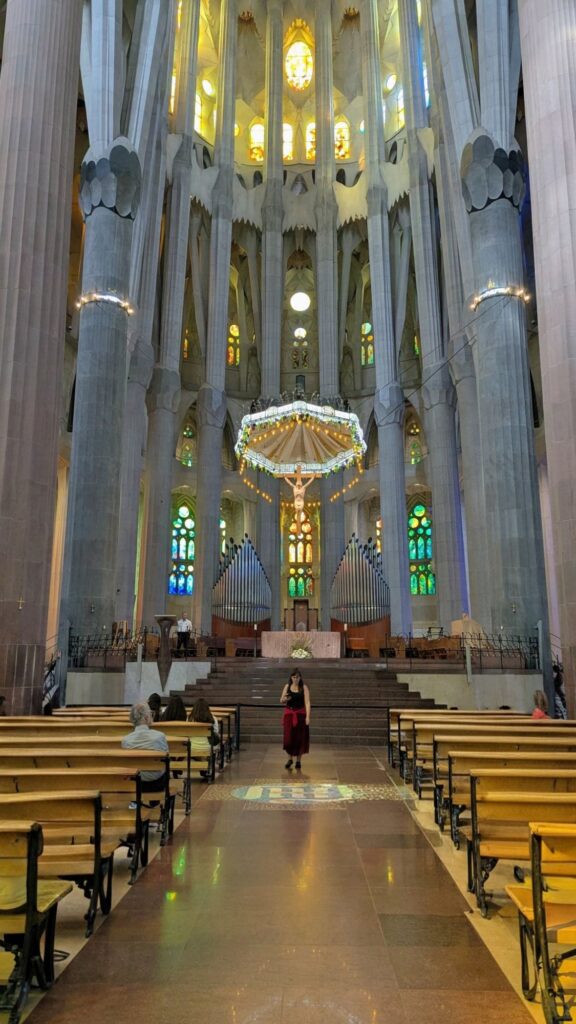
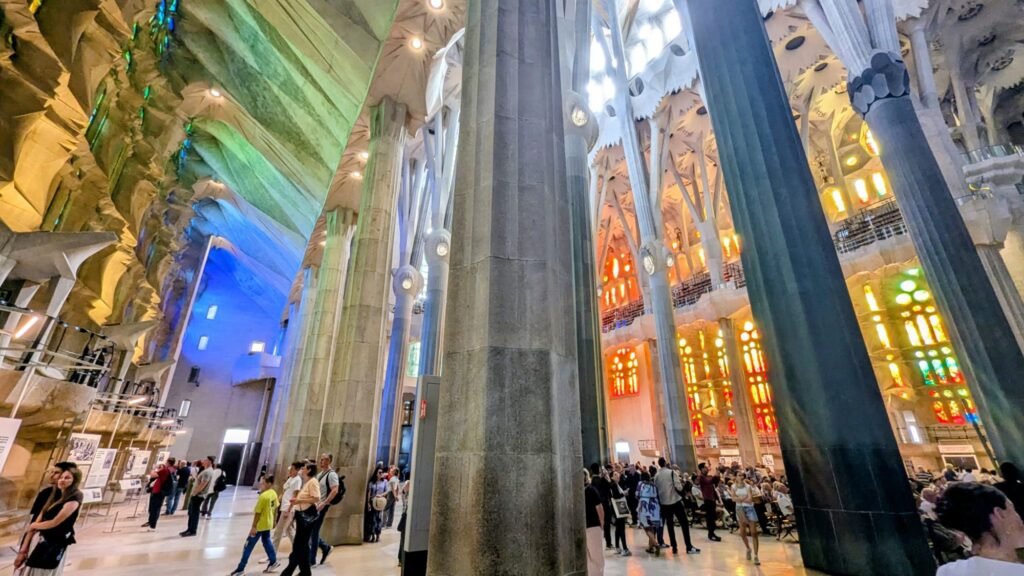
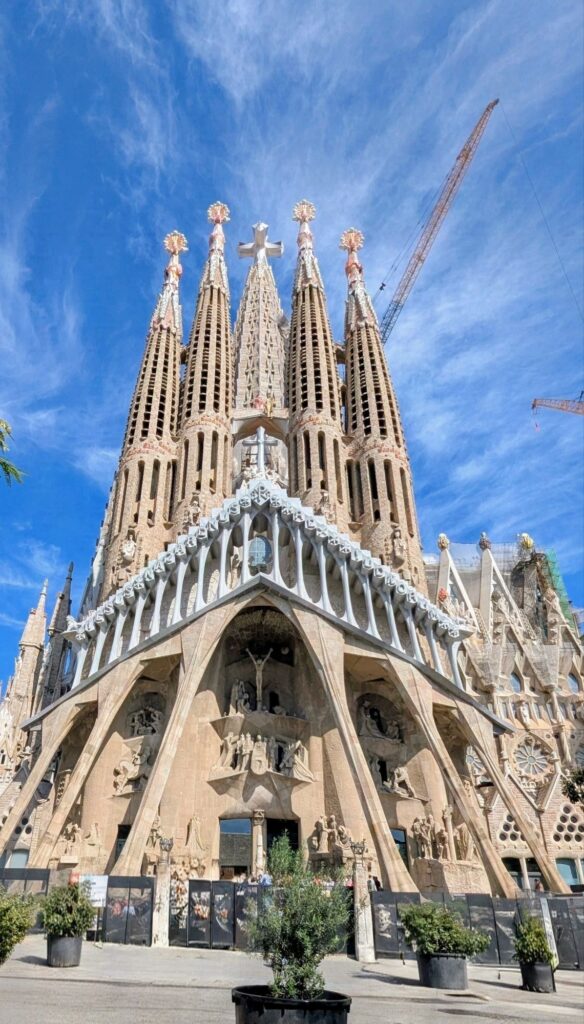
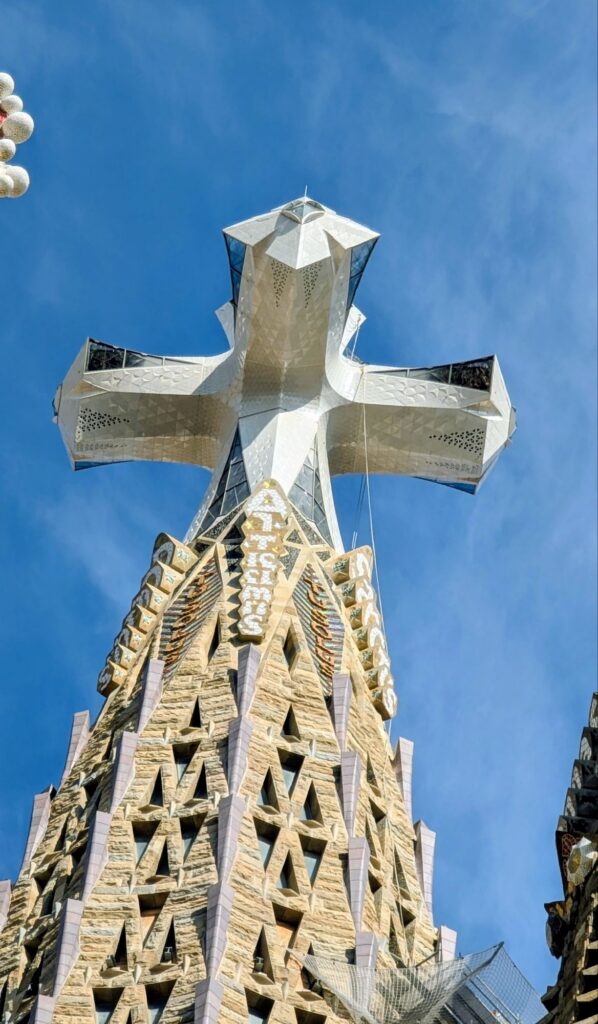
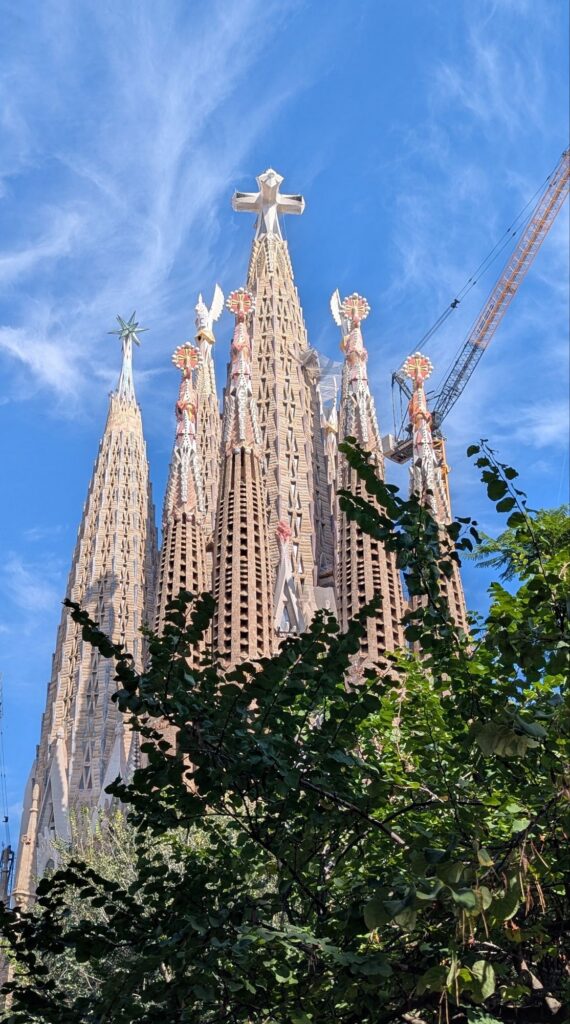
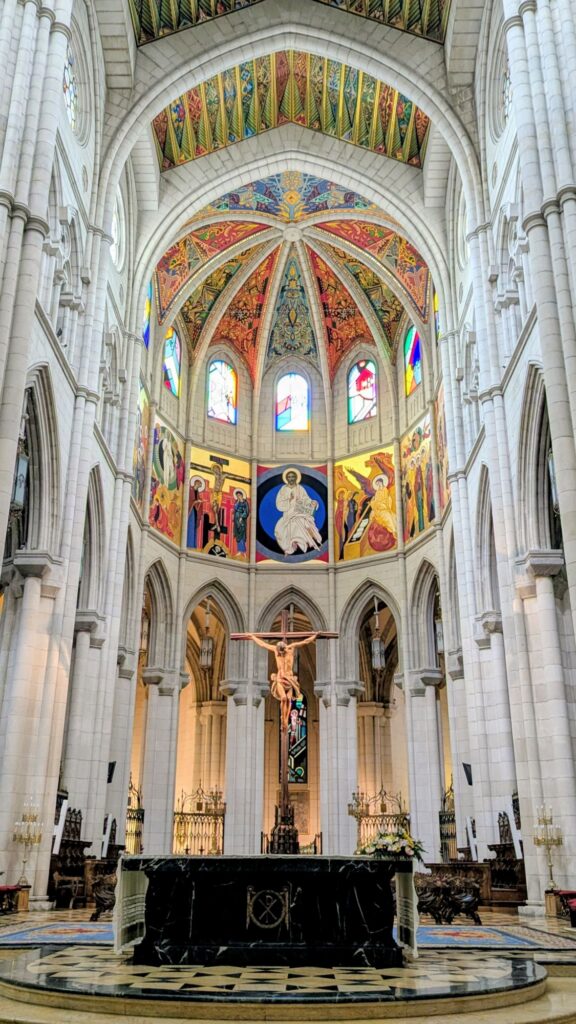
In 1883 Gaudi was put in charge of the project to rebuild the Barcelona church La Sagrada Familia. Gaudi completely changed the initial design and imbued it with his own distinctive style. From 1915 to his death the church consumed all of his working time. Work has subsequently been progressed by a number of architects and it will not be complete for another 60 years from today. The result even now is a dazzling masterpiece of architecture. It is one of the few places in the world where online photos are dwarfed by the real structure and his use of light, allegory and sculpture are nothing short of genius!