Gotta catch them all!
Number 7 of the seven ancient wonders of the world. Alexandria and the Lighthouse of Pharos.
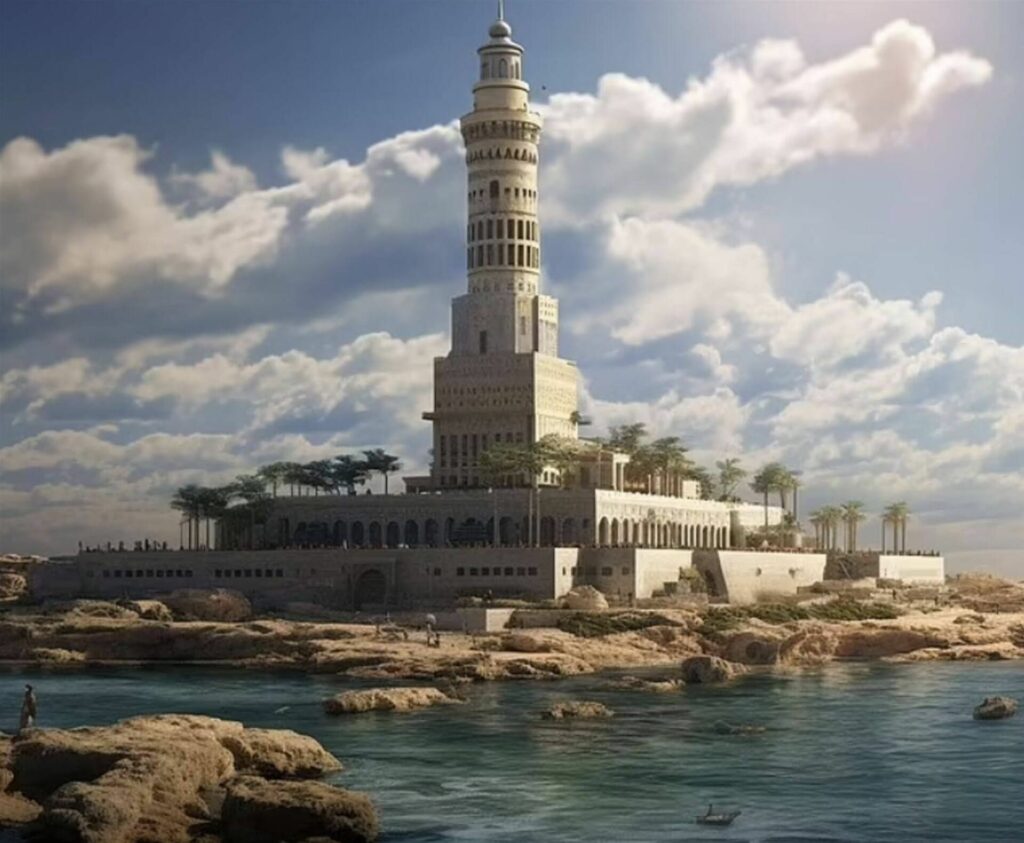
Constructed during the rule of Ptolemy II Philadelphus (280-247 BC), the most famous lighthouse stood tall at about three hundred and fifty feet on Pharos island in the Alexandria harbor of ancient Egypt.
Sostratus of Cnidus was the mastermind behind the design, featuring a burning fire atop a cylindrical tower, an octagonal middle, and a square base.
However, the lighthouse gradually fell into disrepair following three earthquakes between 965 and 1323 AD.
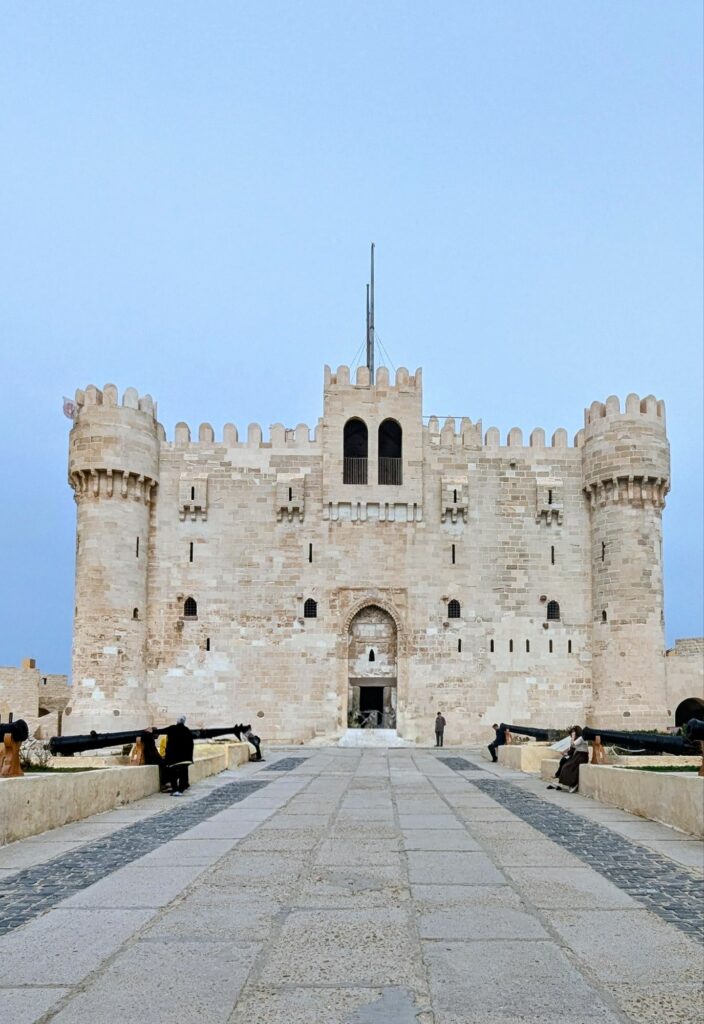
Today the lighthouse is underwater in Alexandria’s harbour. The citadel of Qaitbay now sits where the lighthouse stood.
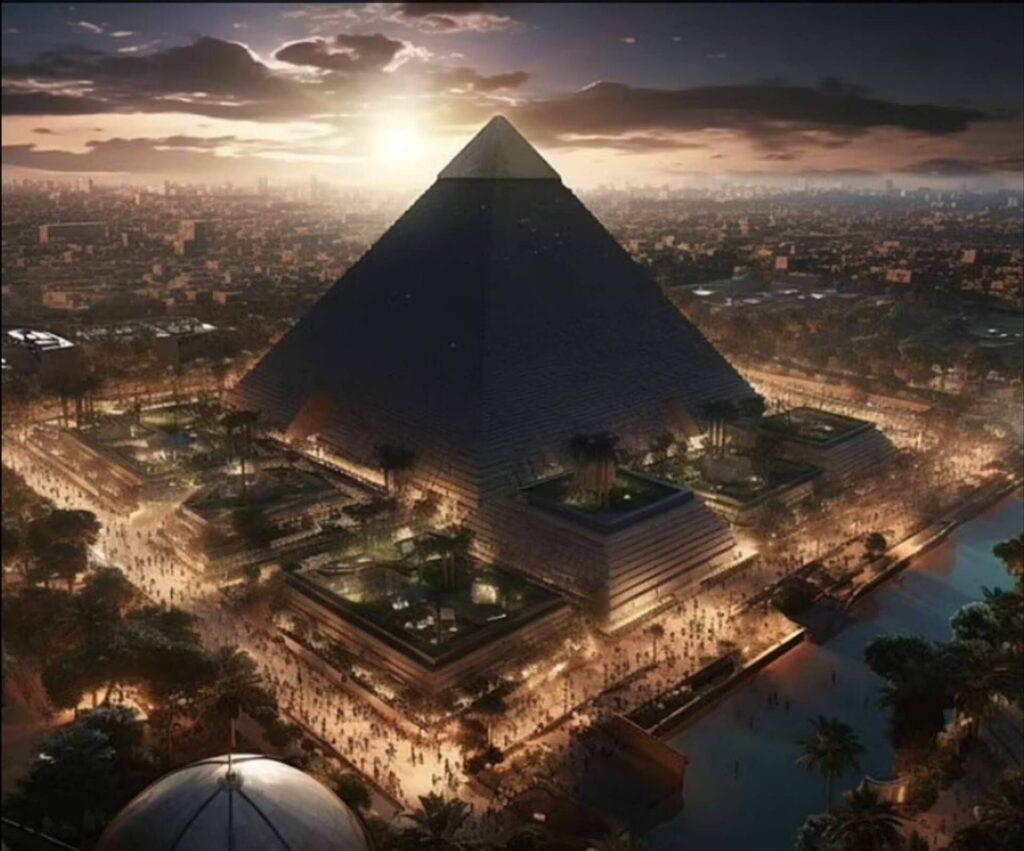
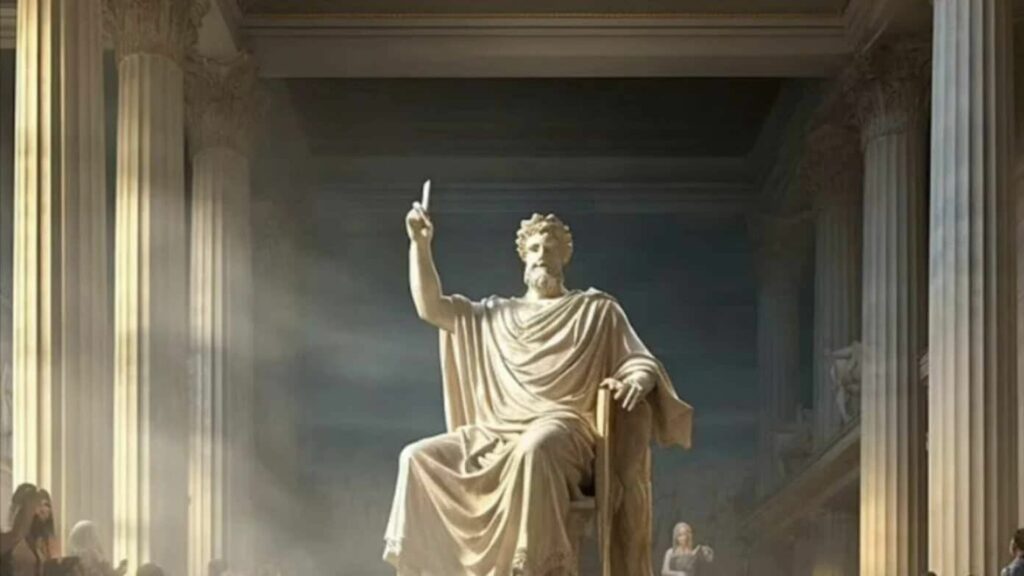
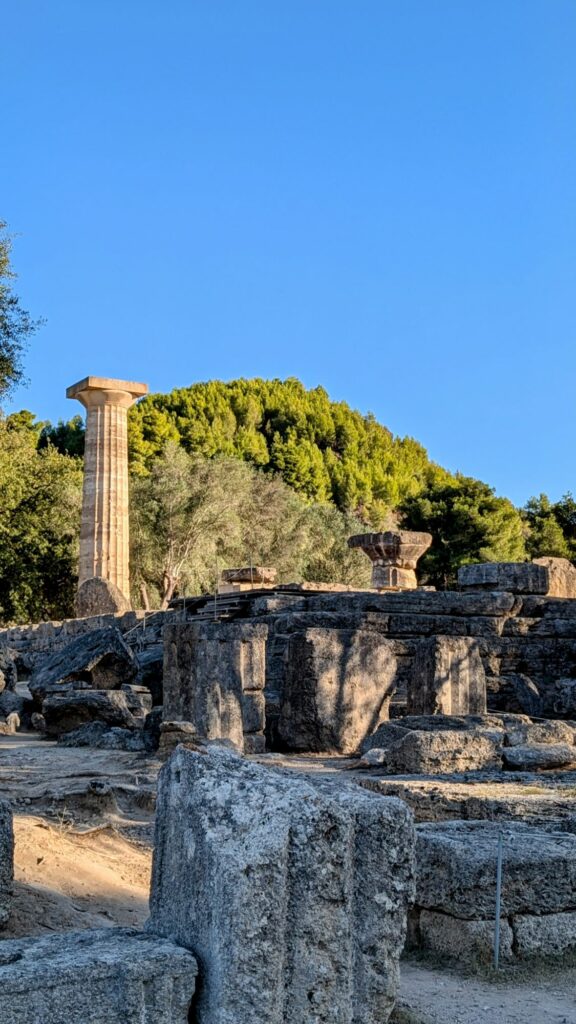
A colossal forty-foot-tall gold and ivory statue of Zeus once graced a temple in Olympia, Greece. It was crafted to compete with those in Athens. The eleventh-century Byzantine historian Georgios Kedrenos noted that the statue was carried off to Constantinople, where it was destroyed in the great fire of the Palace of Lausus in 475 AD.
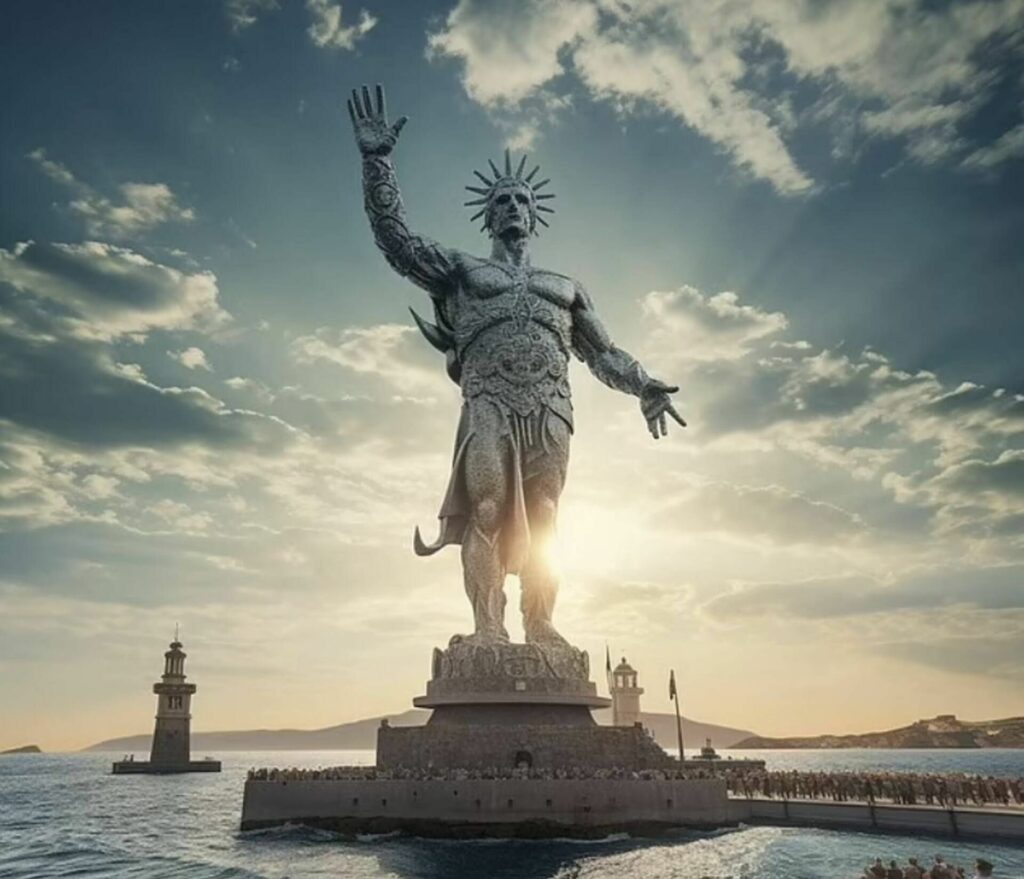
Greek sun god Helios, was an impressive engineering marvel that graced the harbor of the Greek island of Rhodes.
A significant moment in its history occurred in 226 BC, when an earthquake struck, causing the colossal statue to collapse at its knees after having stood proudly for fifty-four years.
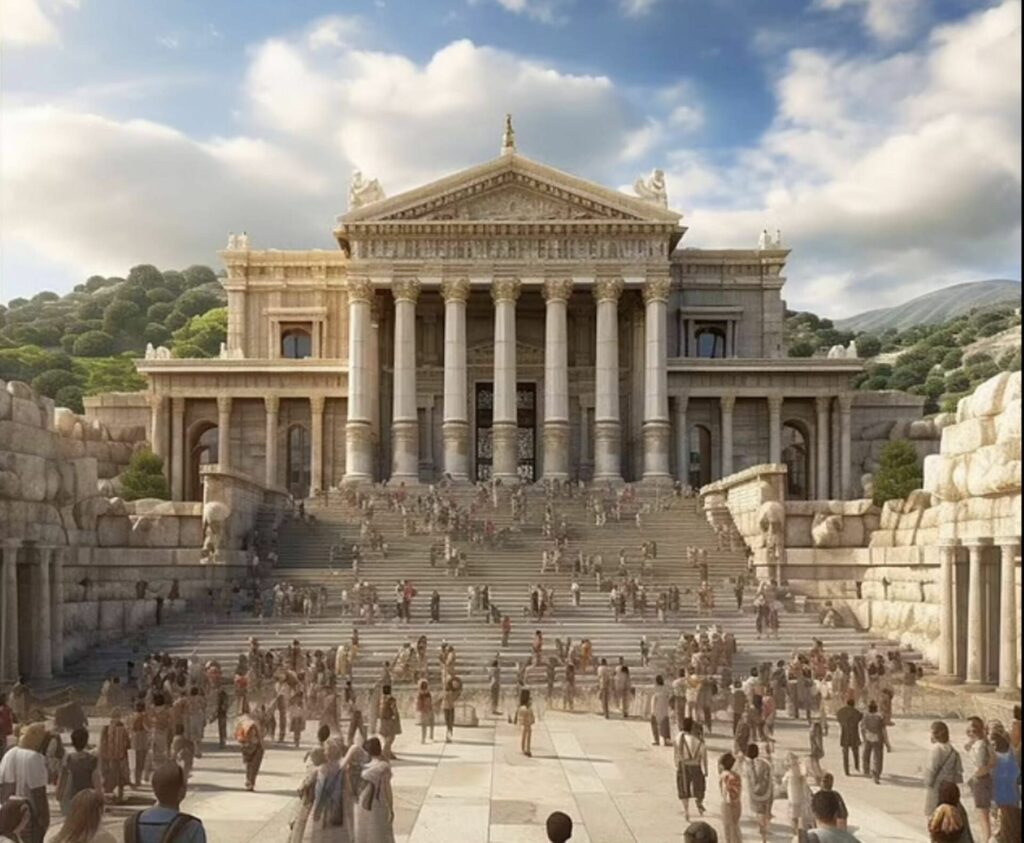
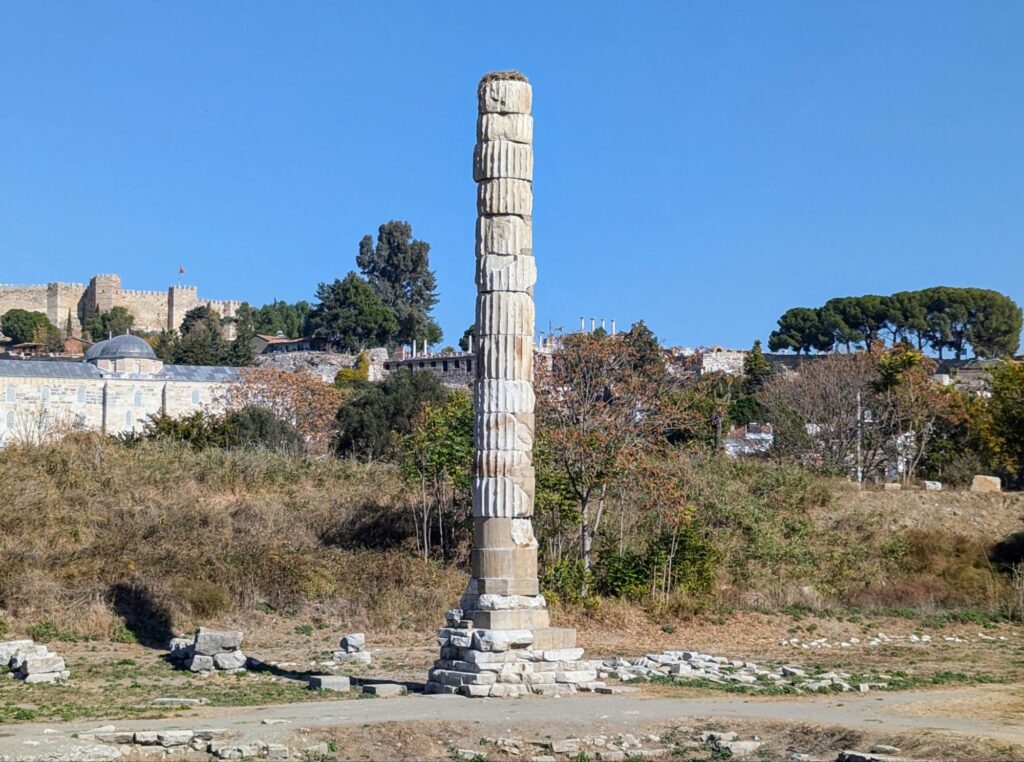
Dedicated to Artemis, the Greek goddess of chastity, hunting, wild animals, forests, and fertility, this wonder experienced a turbulent history, being constructed and demolished three times.
First, it fell victim to Herostratus, seeking fame. Then, the Goths, fleeing from the Romans, wrecked it while passing through. Its final demise occurred in 401 AD when a Christian mob tore it down, leaving only foundations and a solitary column still visible today.
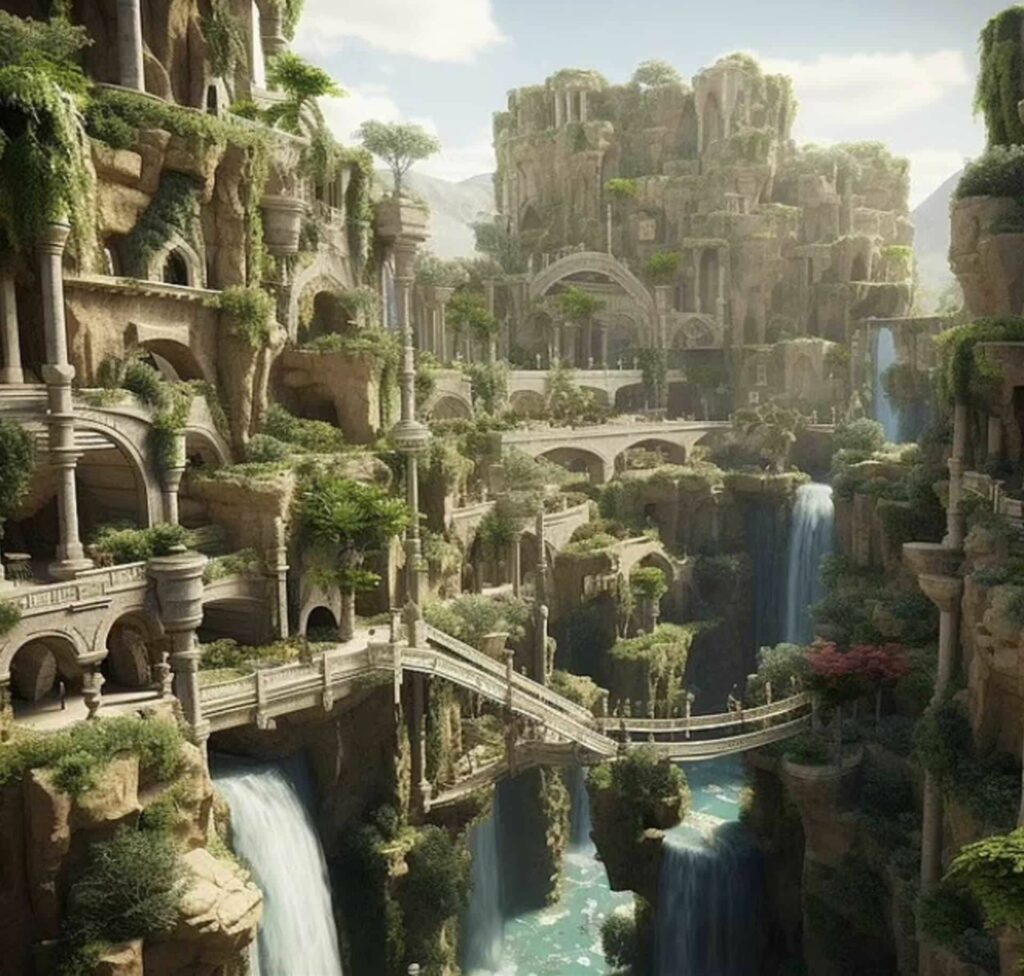
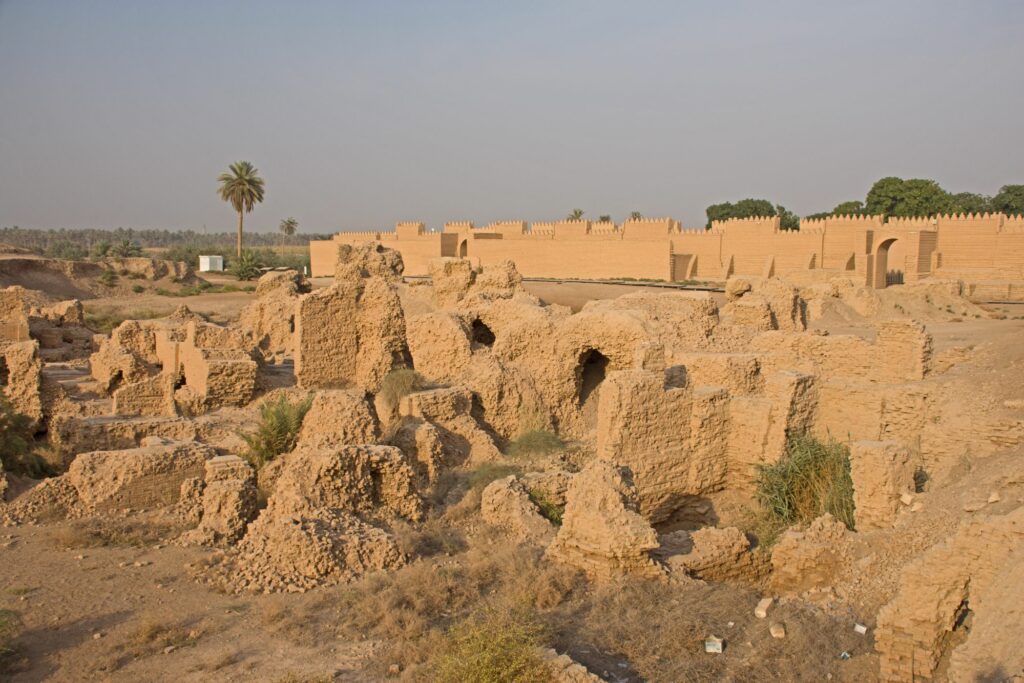
The Hanging Gardens of Babylon said to feature intricate terraces, stunning water elements, and floating plants, are believed to have existed around 600 BC. Legend has it that they were situated roughly fifty miles south of present-day Baghdad in Iraq.
However, historical records of the gardens are solely found in ancient tales. One story holds that Babylonian Emperor Nebuchadnezzar built the gardens for his wife, Amyitis.
If these gardens did indeed exist, they would have met their end when the Achaemenid Empire conquered Babylon in 539 BC.
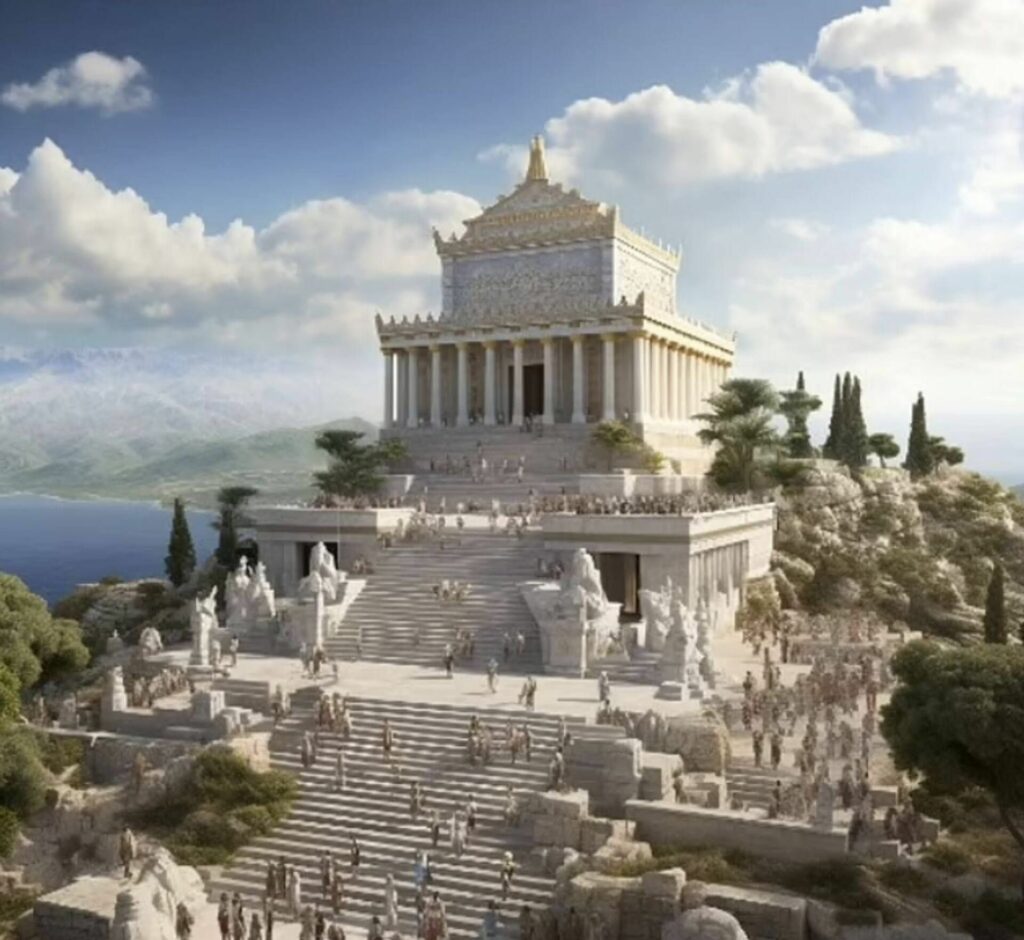
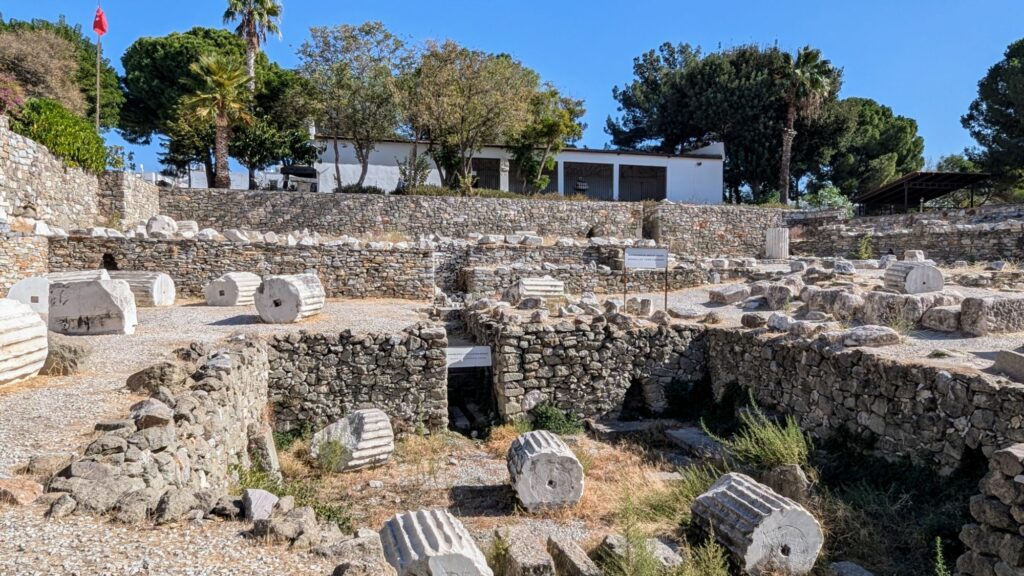
Built in 350 BC as a tomb for Mausolus, the ruler of Caria in ancient Asia Minor, this structure was so remarkable that it gave rise to the term “mausoleum,” now commonly used for significant funeral monuments.
The mausoleum met its end due to a series of earthquakes between the twelfth and fifteenth centuries. It was the last of the six ancient wonders to succumb to destruction.