The ancient Egyptians viewed the sun as a model of daily existence and life. Rising in the east they built cities and temples on the side of the east side of the north – south flowing Nile river. This was the side of the living. The west side is the side for the dead and afterlife, where the sun sets.
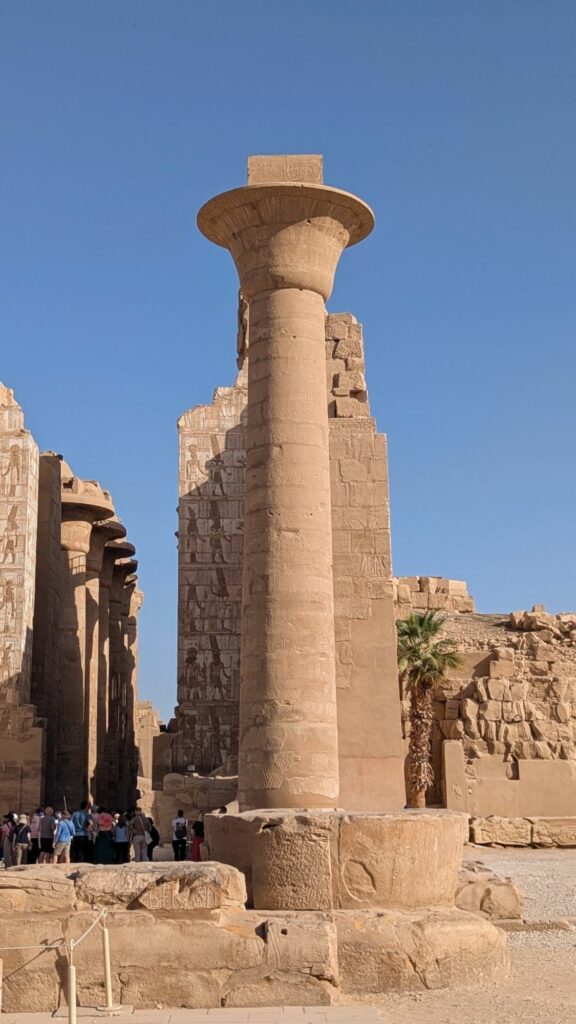
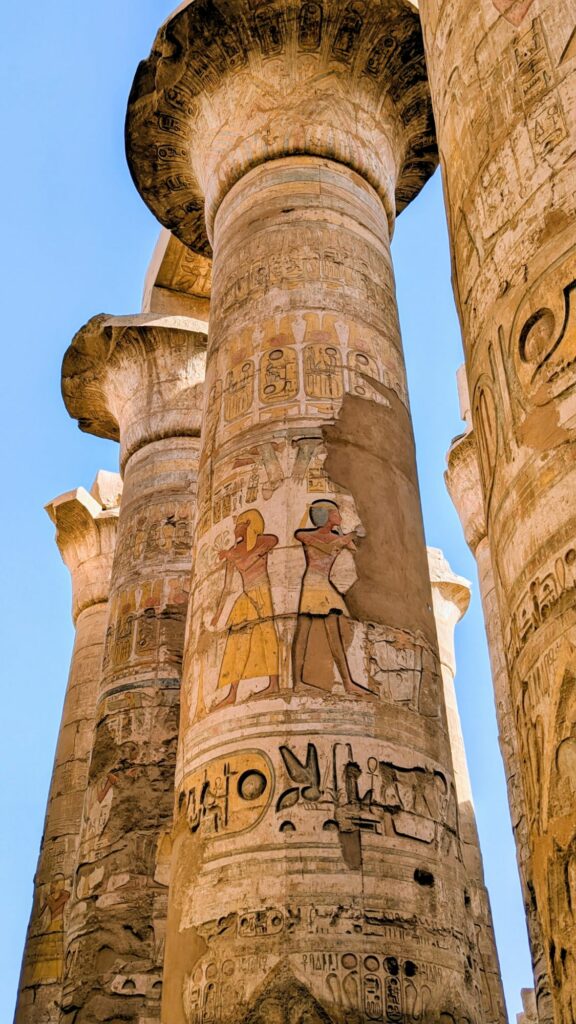
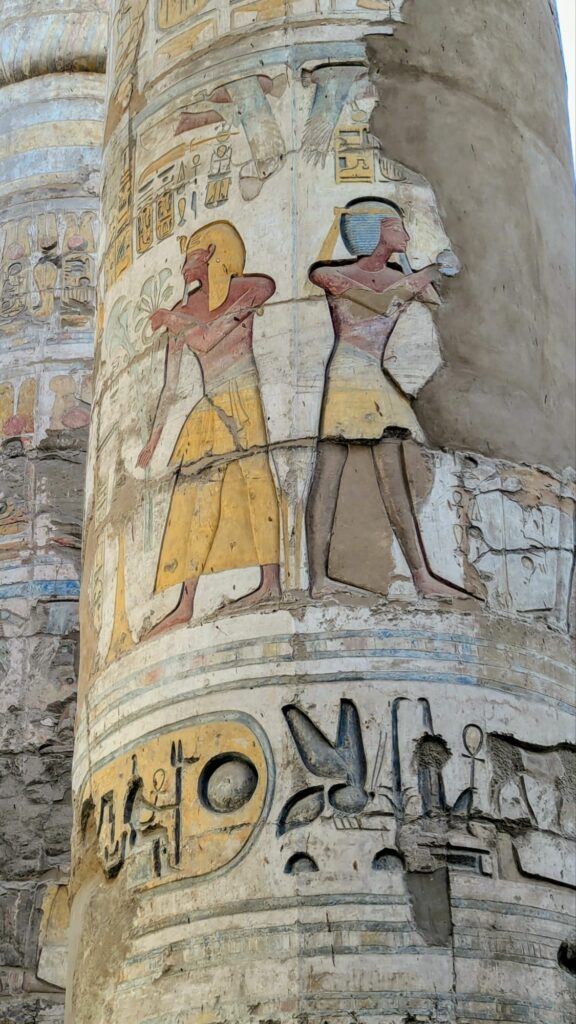
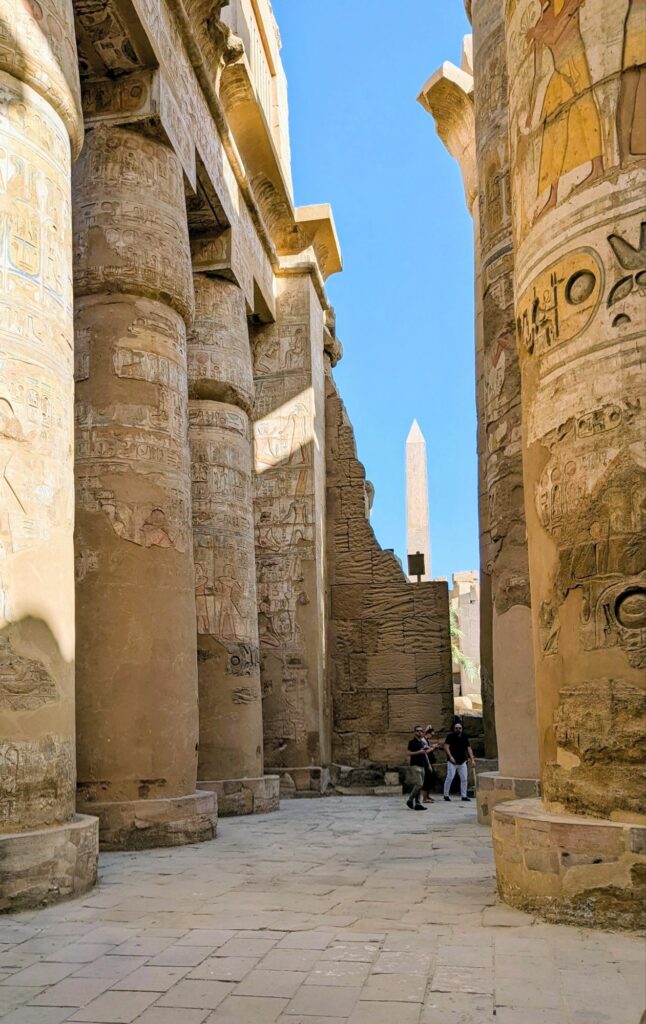
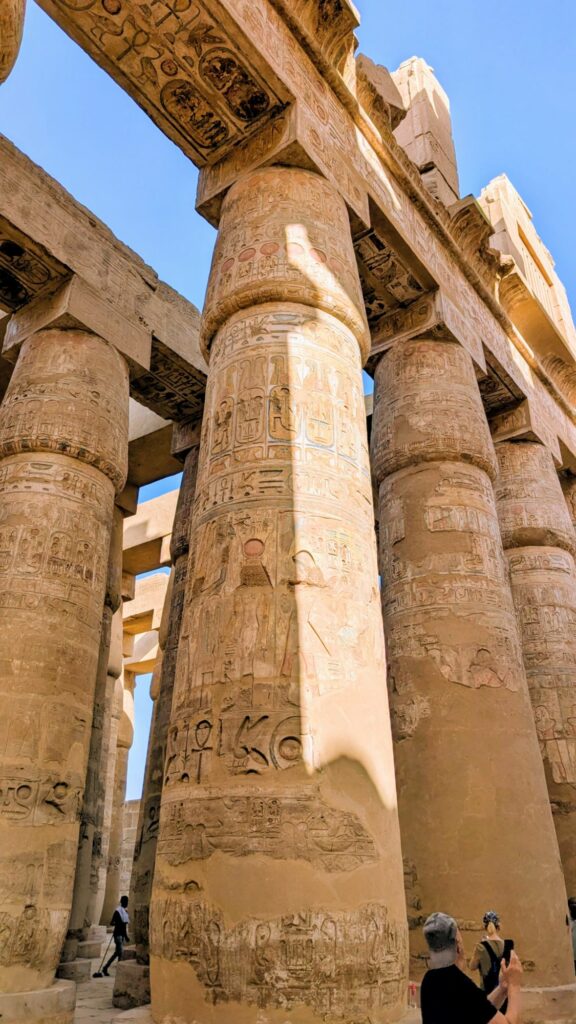
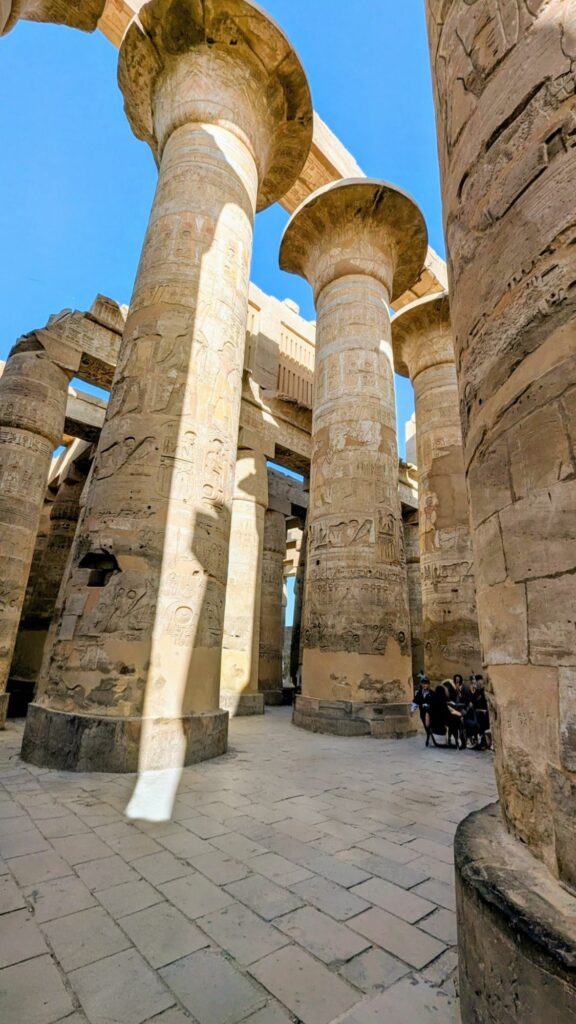
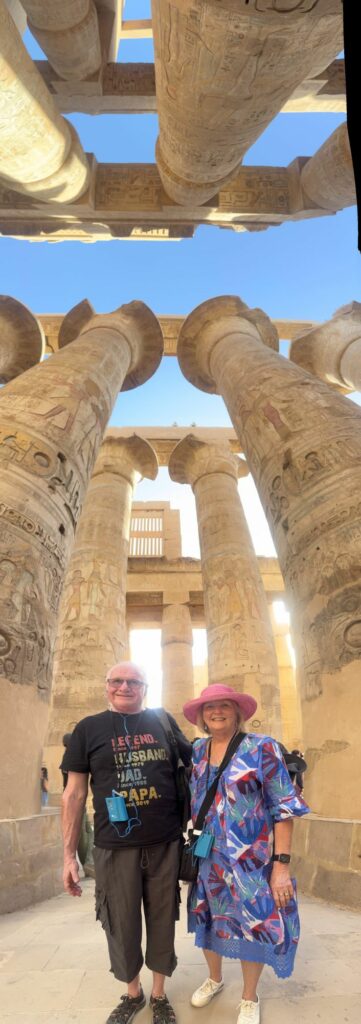
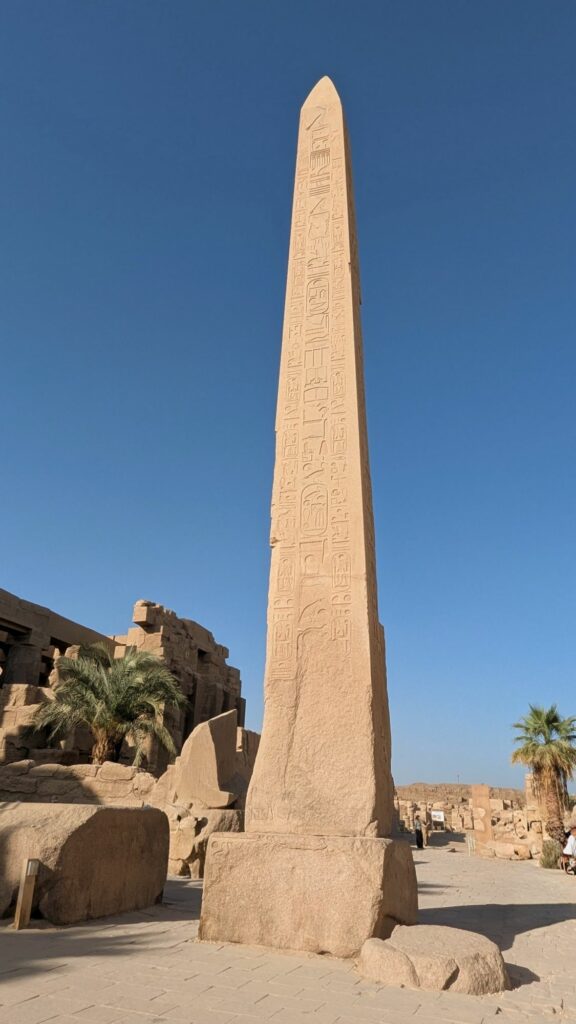
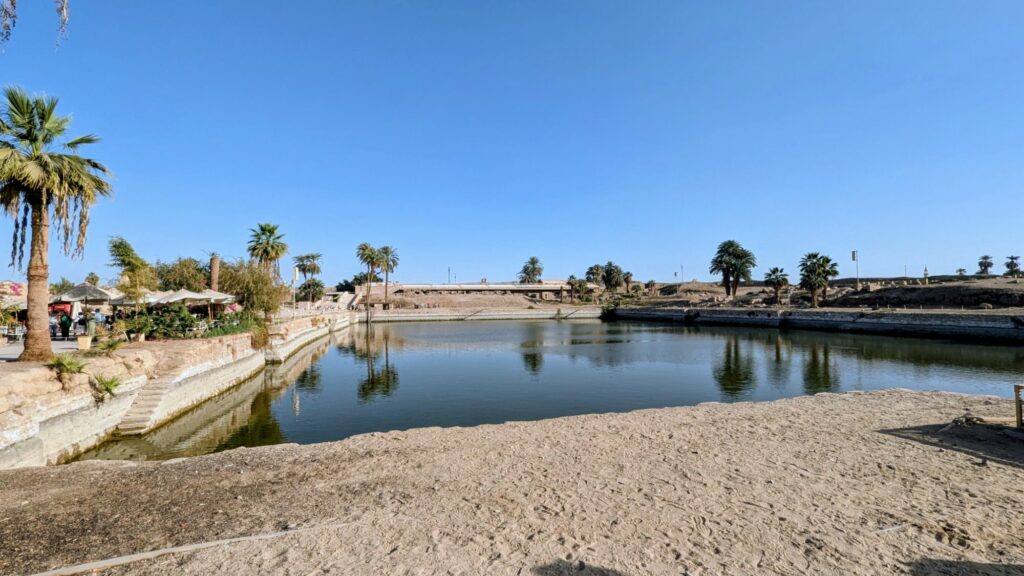
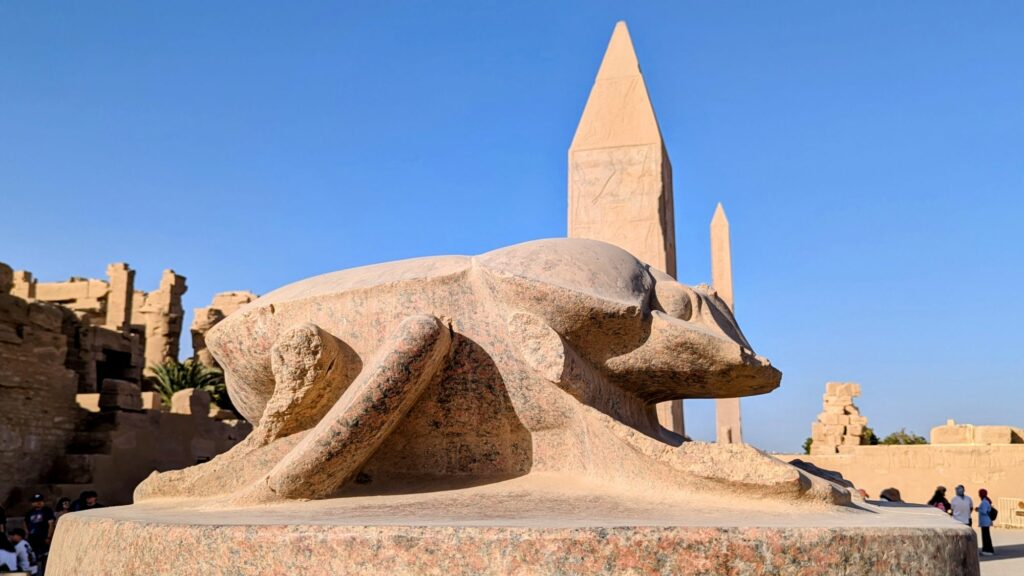
The temple at Karnak, in Luxor, is the second largest in the world after Cambodia’s Angkor Wat. Built between 2055 BC and 100 AD it is dedicated to Amun Ra, the sun god. It was added to by 30 different pharoahs in that time. The centrepiece is the massive hypostyle hall. It is a “forest” of 134 pillars standing 20 metres tall.
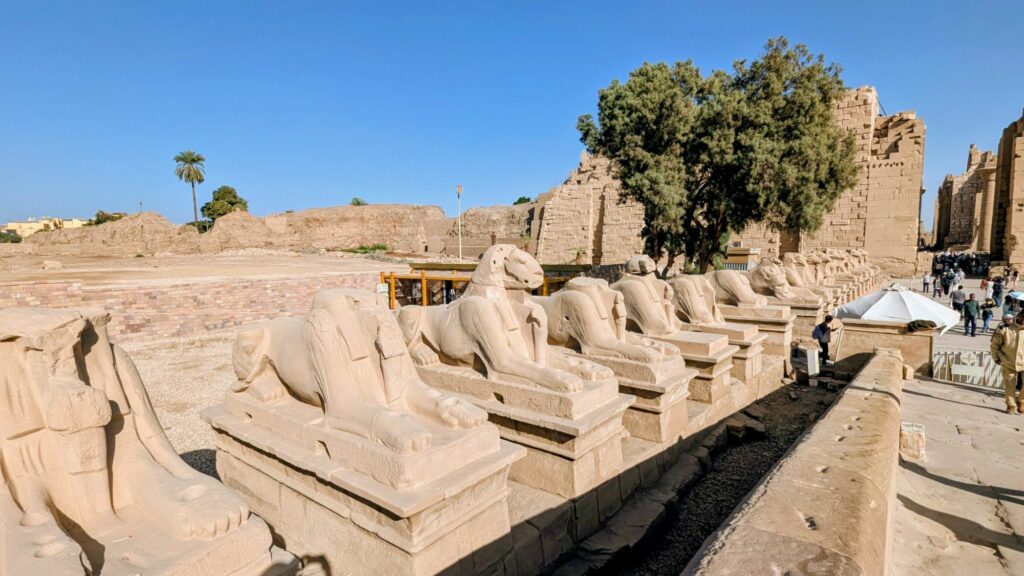
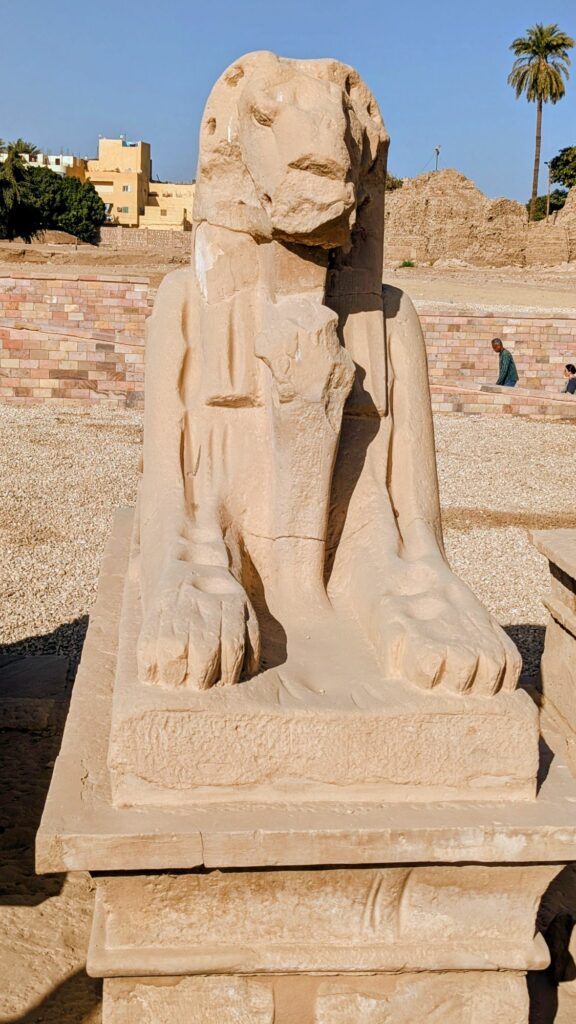
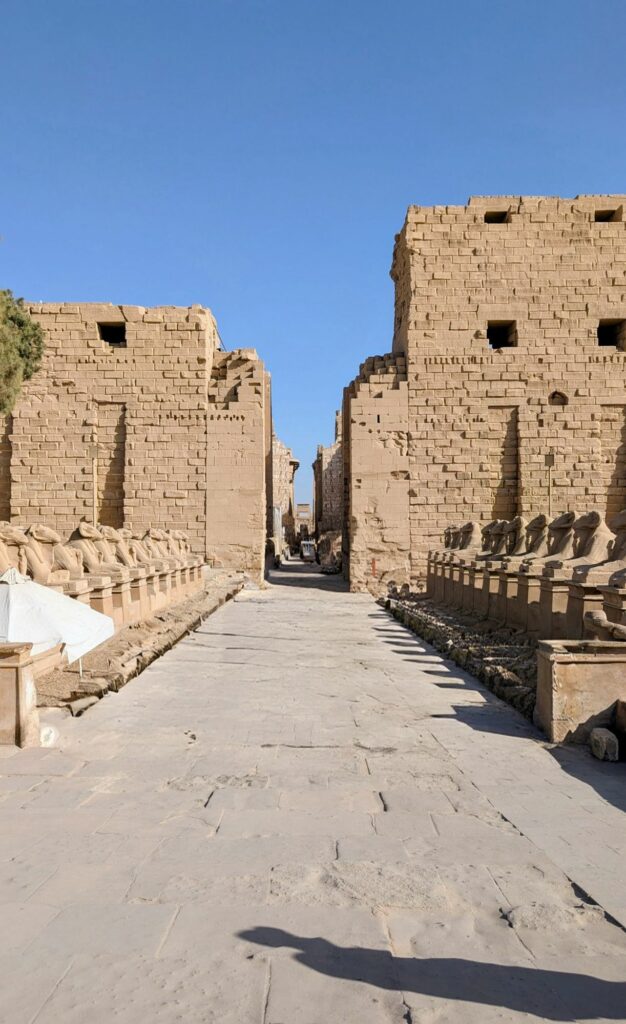
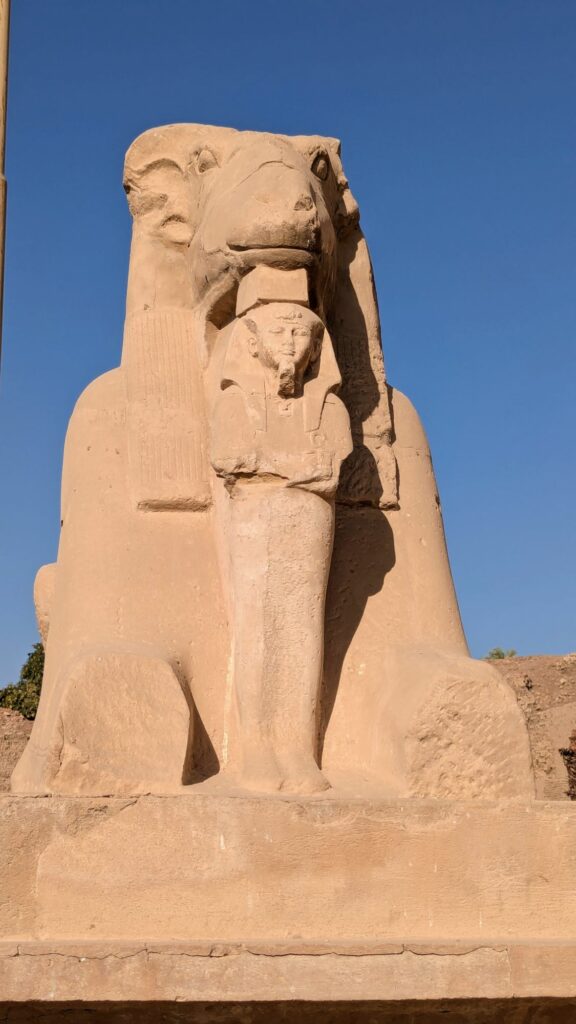
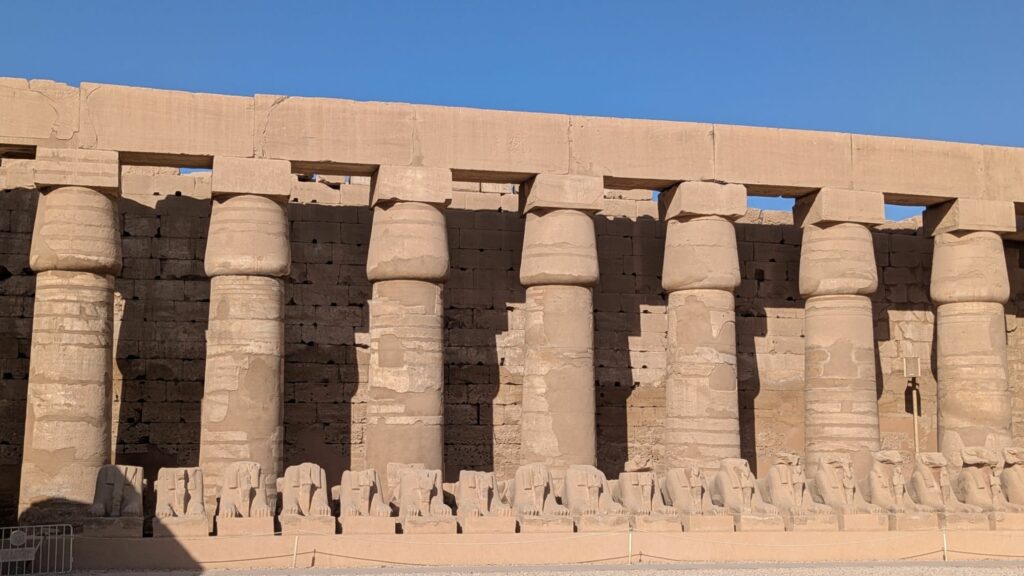
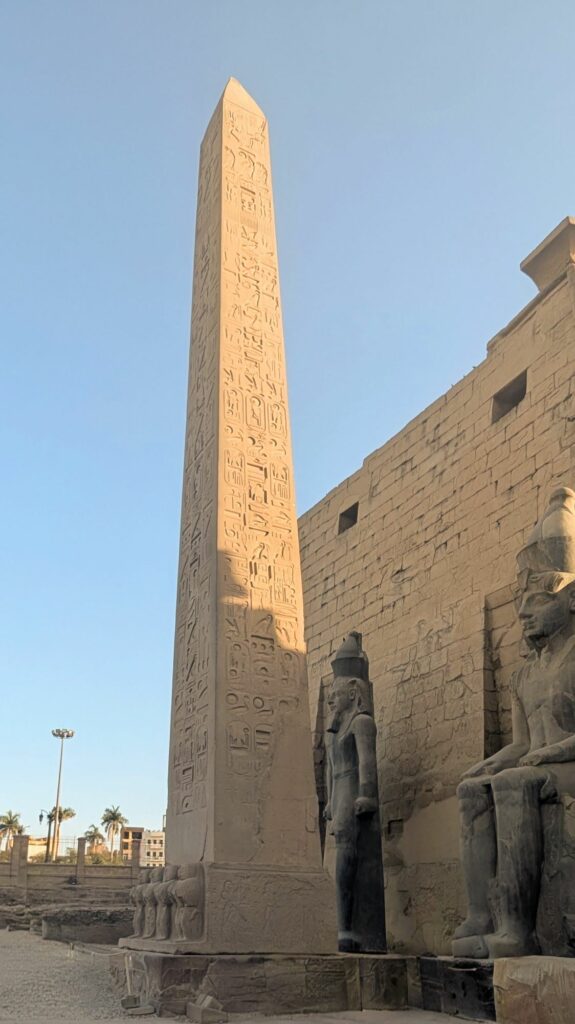
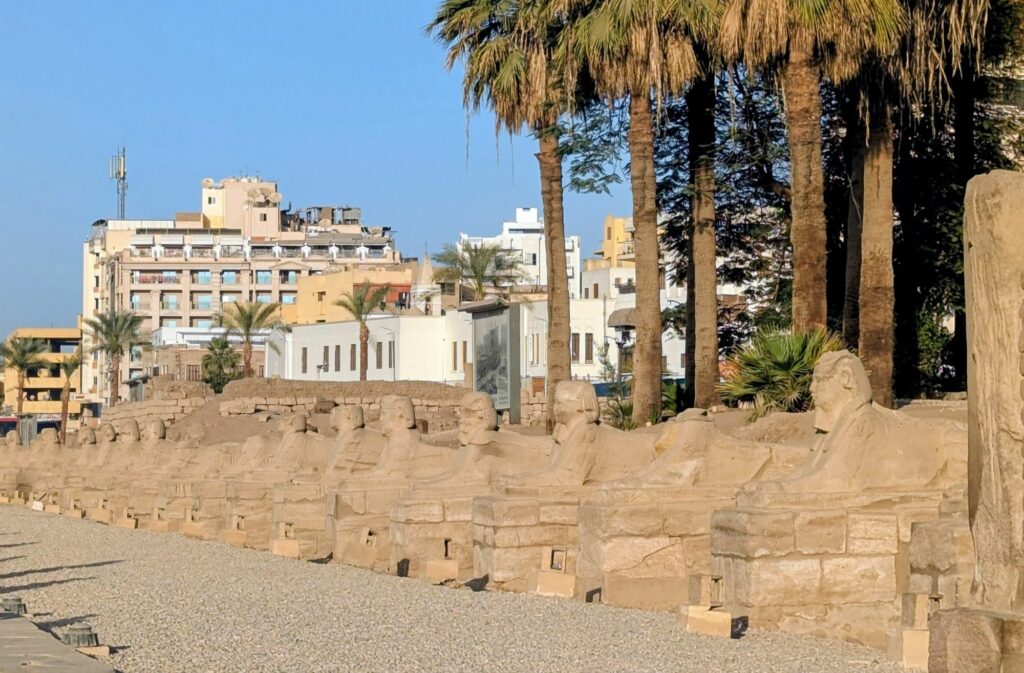
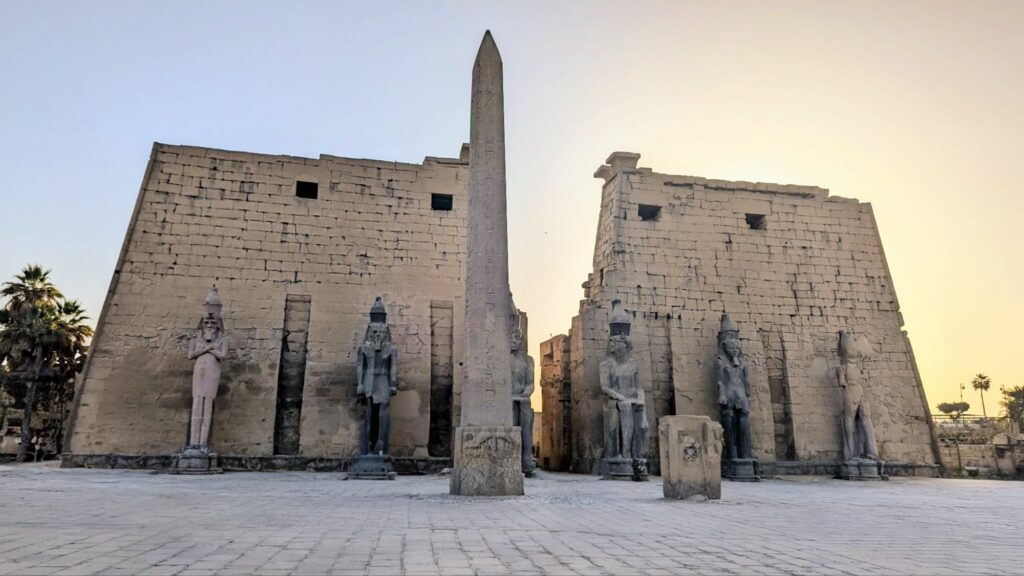
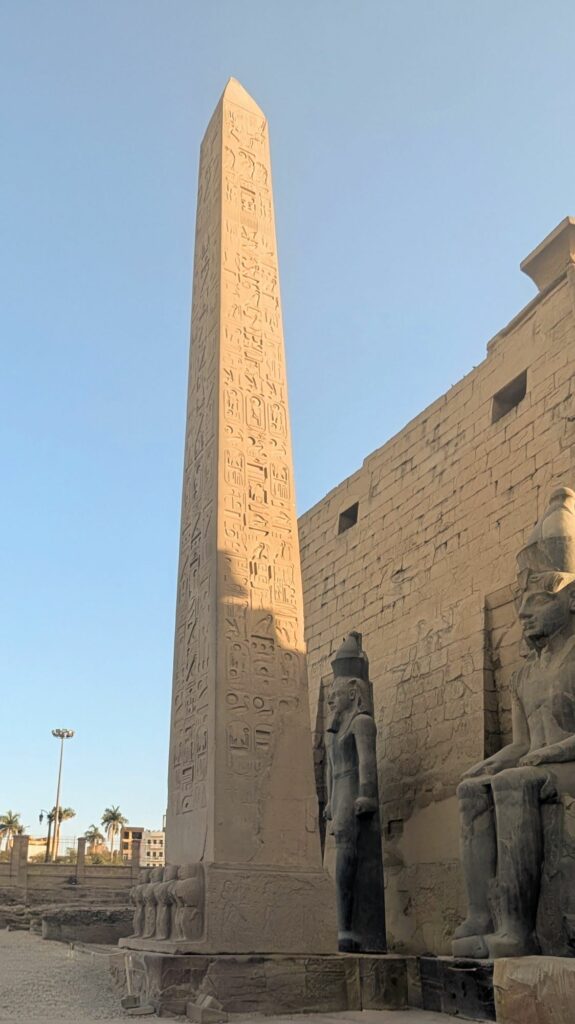
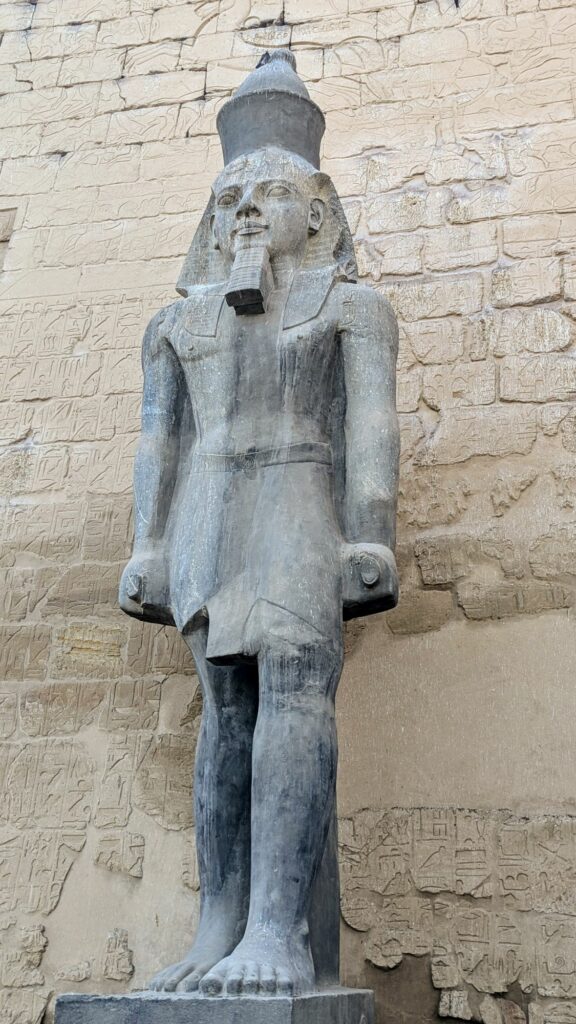
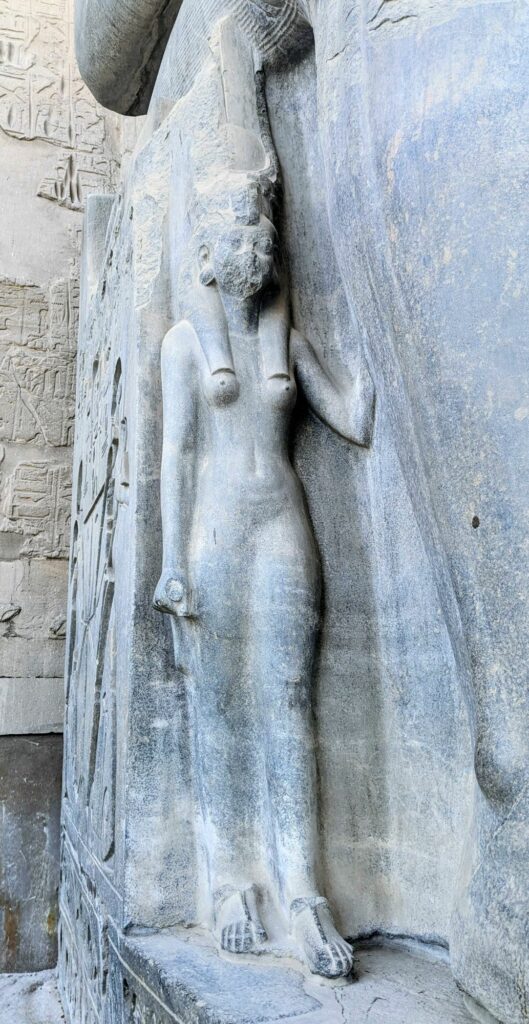
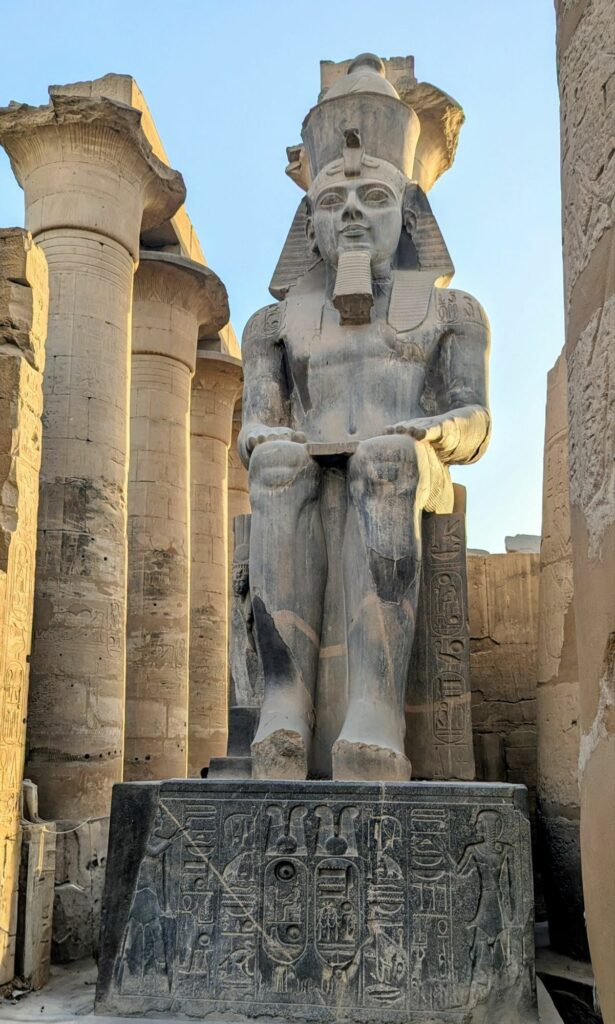
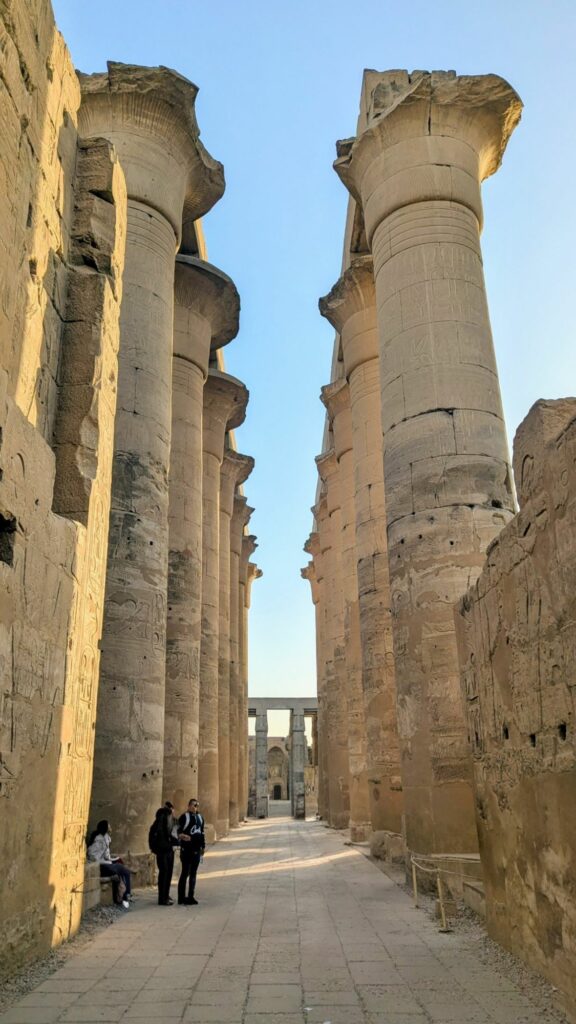
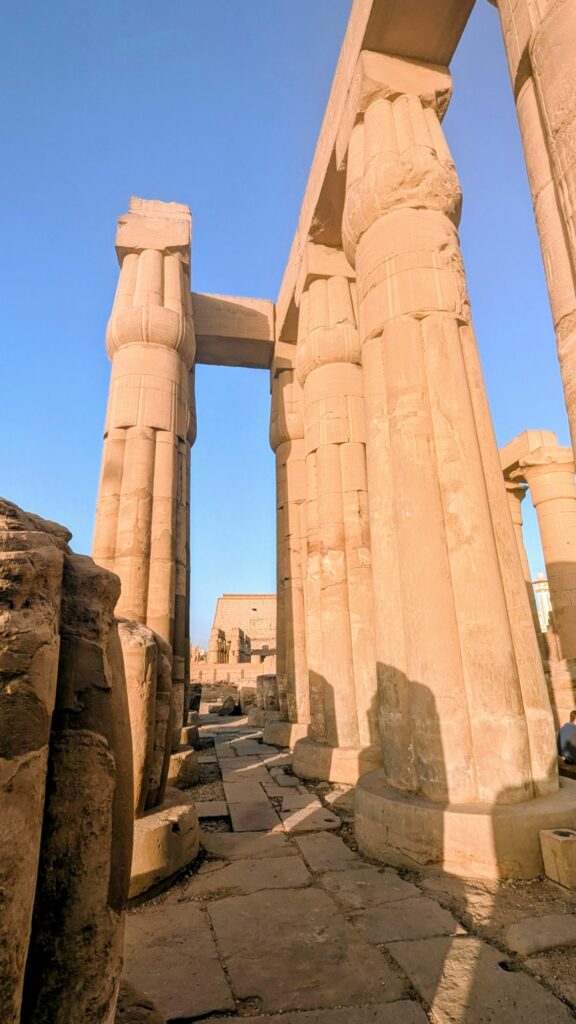
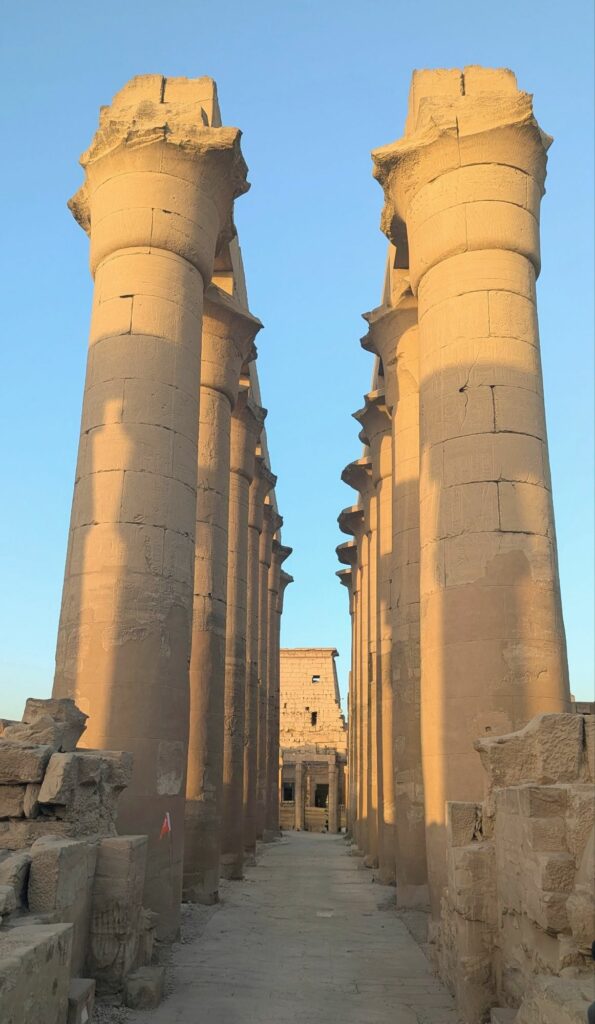
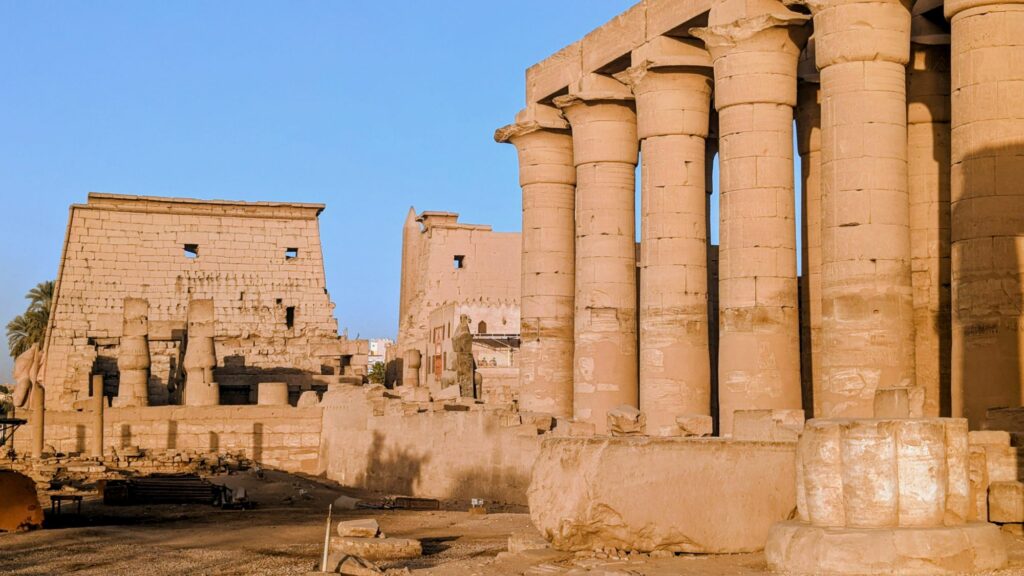
The smaller Luxor temple is connected to Karnak by a 3km road lined with sphinxes. It was built in 1400 BC and smaller than Karnak. It was dedicated to the rejuvenation of kingship and is believed to be the site where many of the pharoahs of Egypt were crowned.