We arrive after an early morning 4 hour train ride from the capitol of Belarus, Minsk tired but impressed by the 1930s train station in Brest at the far west corner of this country. This is the grandest station in the country. Commissioned by Stalin he wanted this to be an impressive entry into the Soviet Union for anyone from the west. This far western outpost has a special place in the Russian psyche bolstered by its performance in staving off the German blitzkrieg of 1941 which ultimately played a crucial role in the German defeat by the Soviet Union in 1945.
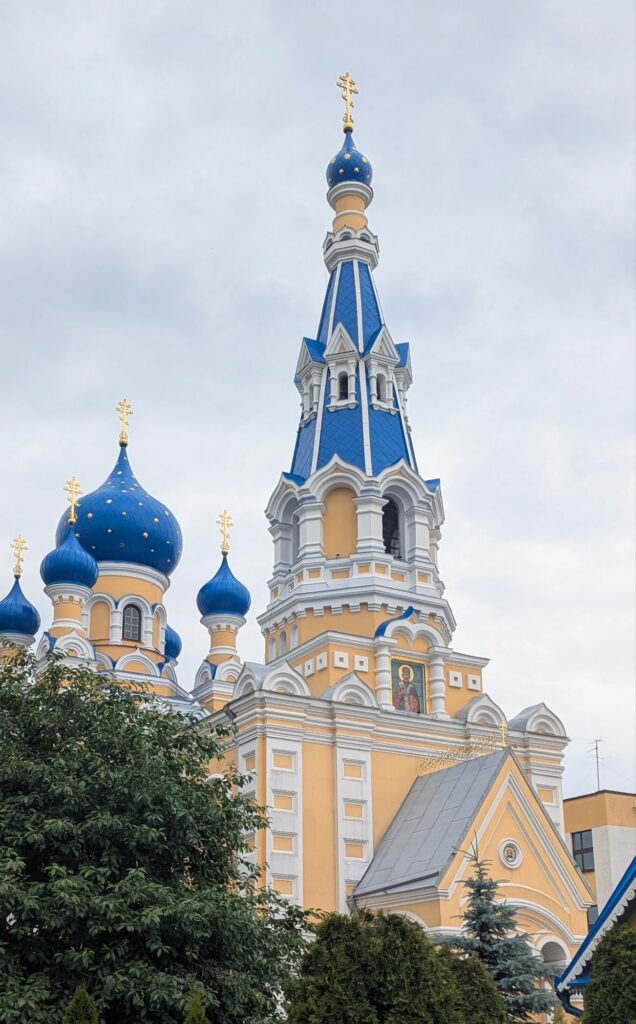
Brest is the second largest city in Belarus with only a population of 350000. It is a pleasant walkable city with lots of tree lined boulevards lined with restaurants, shops and cafes. Our first stop is at the St Nicholas Orthodox church, unusual for the blue domes commemorating local citizens who travelled to the far east to fight in the Russian – Japanese war in 1904.
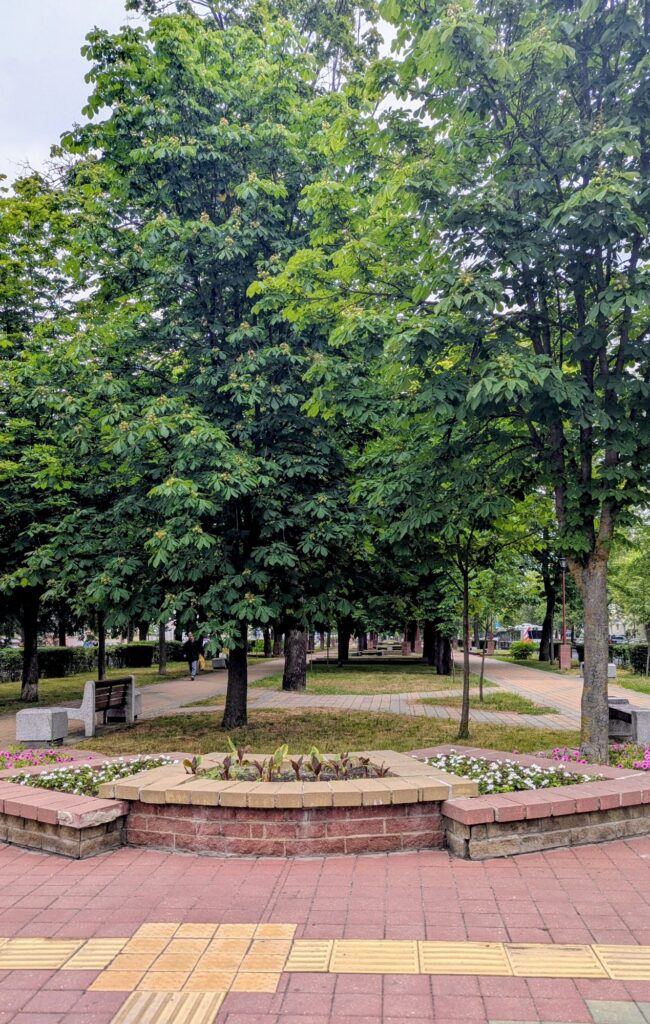
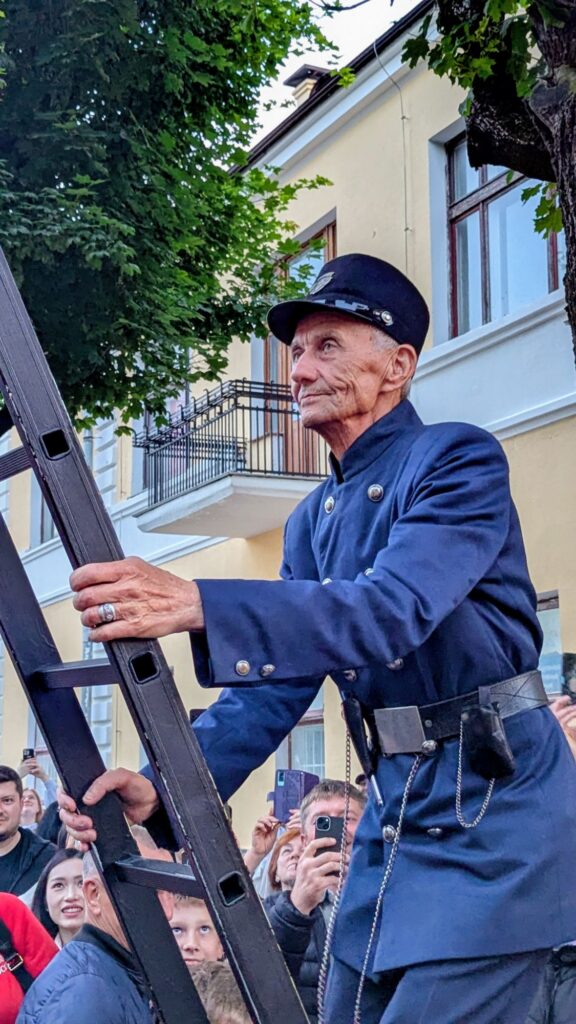
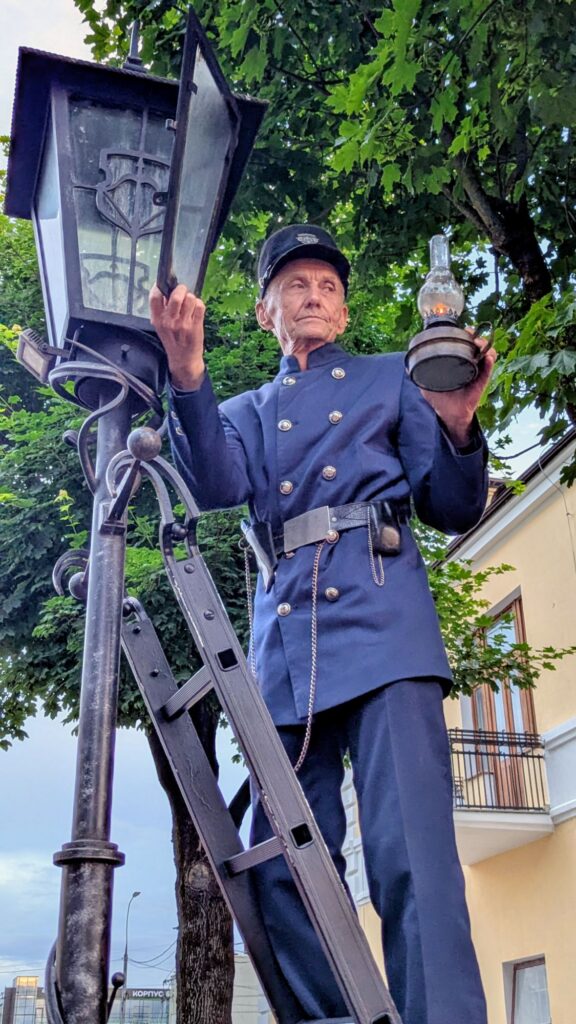
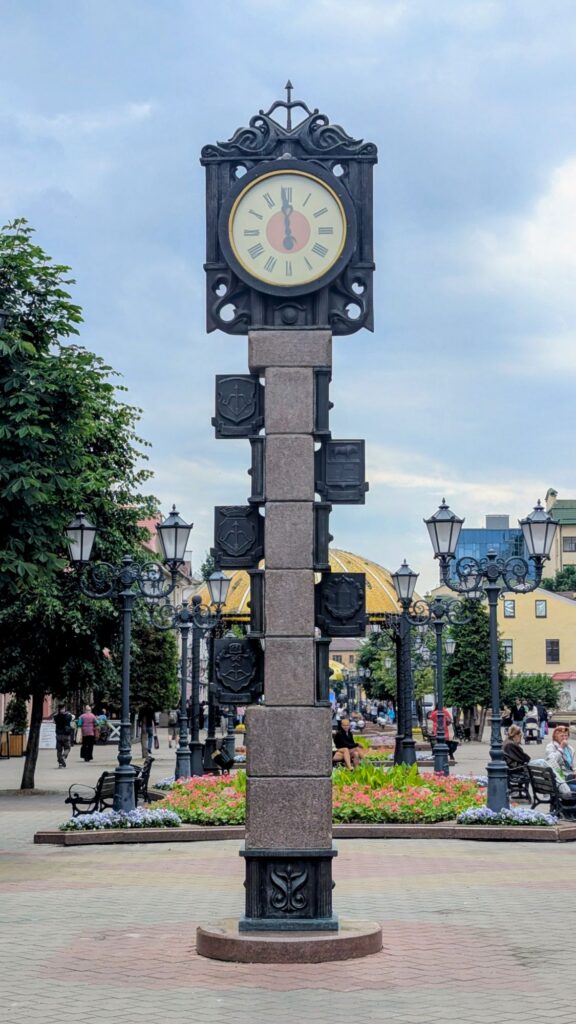
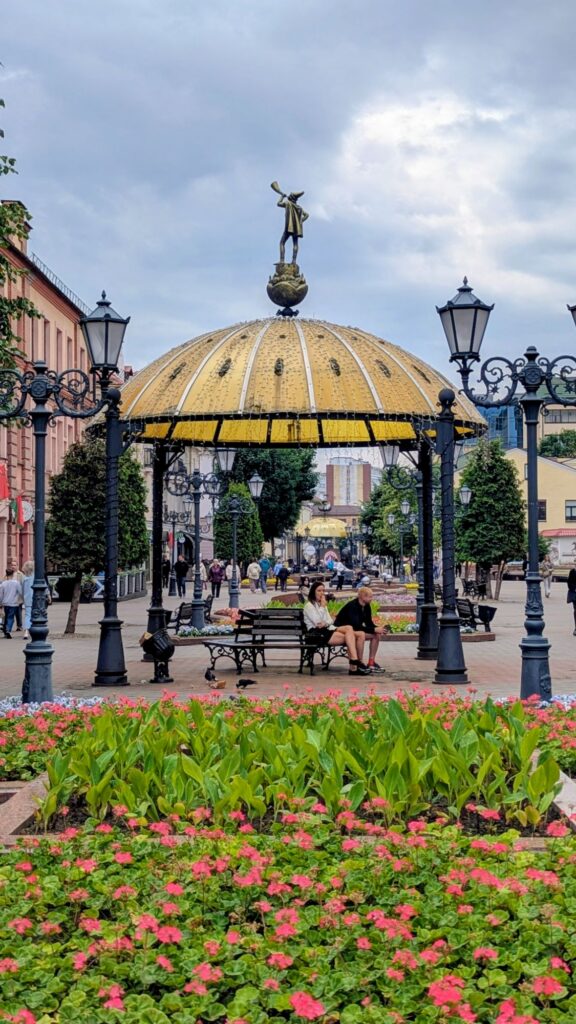
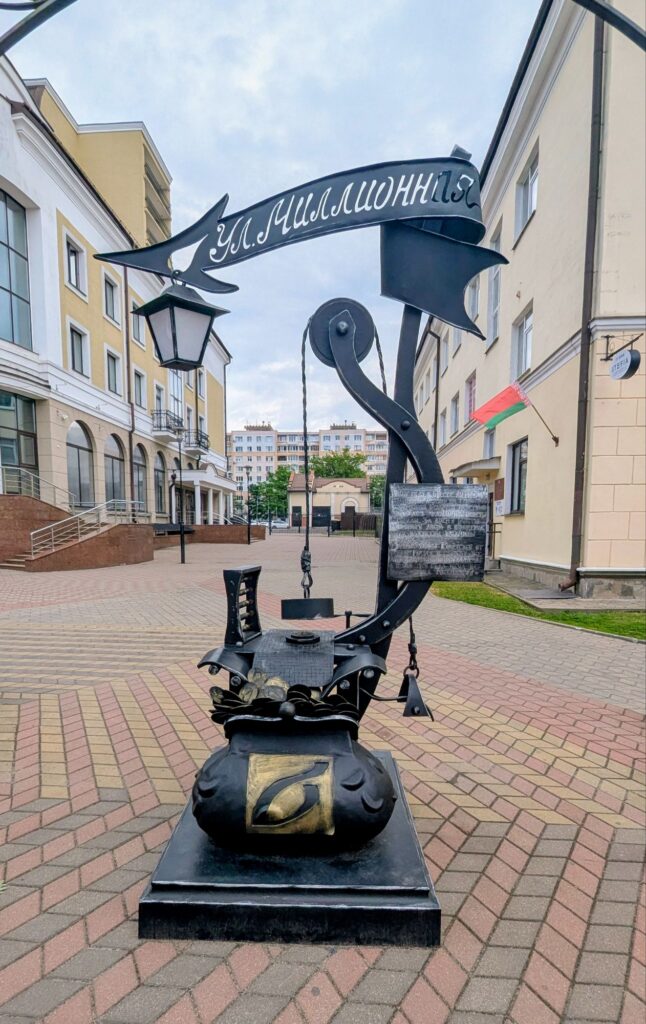
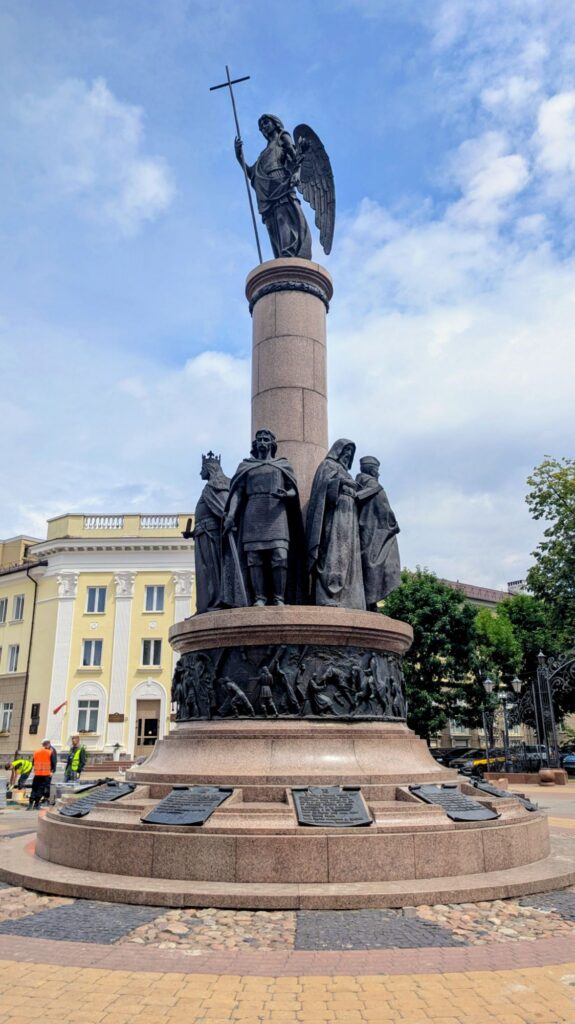
A walk down Sovetskaya street the main pedestrian mall of Brest sees a procession of street sculptures, vibrant flower beds and a series of lamp posts with kerosene lit lights. These are lit at dusk by the popular lamplighter which has become a ritual and a tourist attraction, but more of that later.
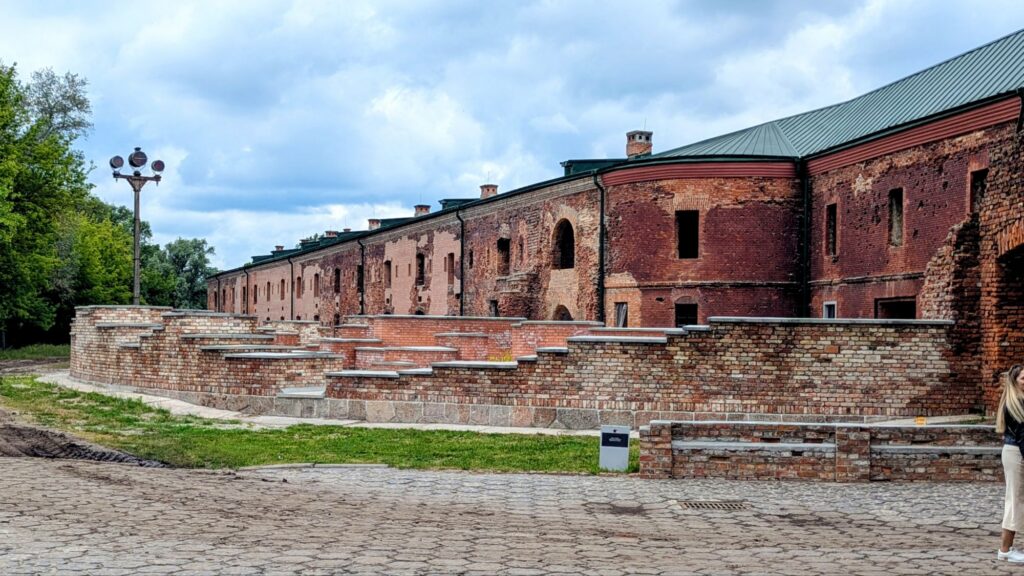
Brest fort is the big attraction for this city. Built in the 19th century by Tsar Nicholas 1 to protect the westernmost outpost of his empire the old city dating back to the 11th century was sadly demolished to make way for the fortifications built on a series of islands in the Bug and Mukhavets Rivers. The island was skirted by a 1.8 km long 2 story round barracks.
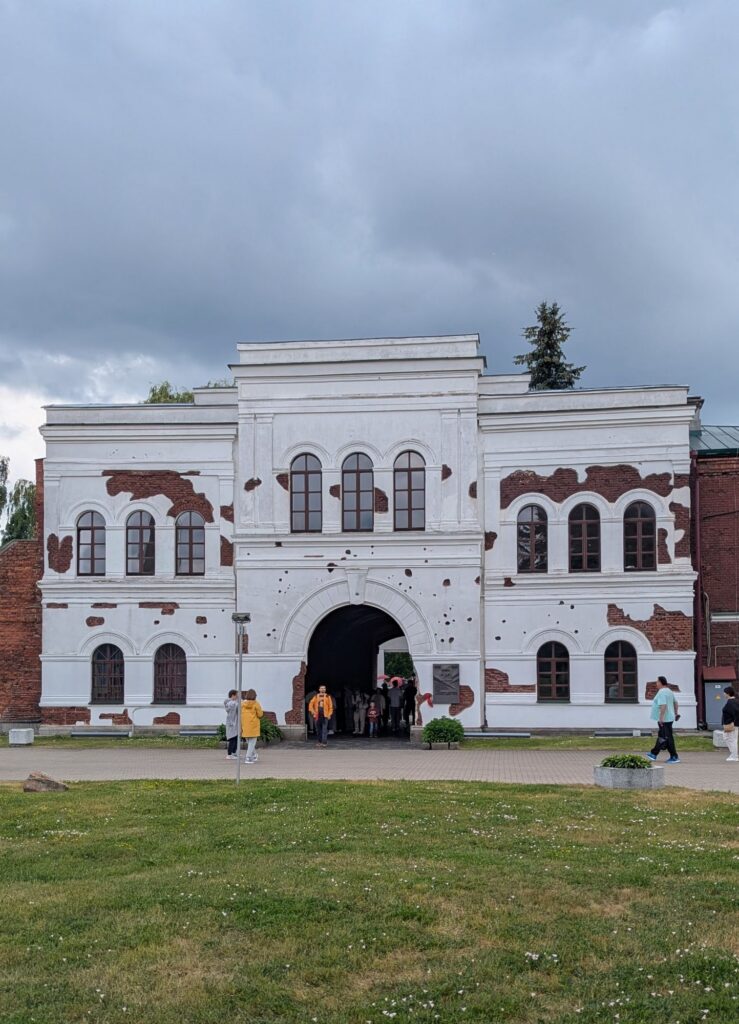
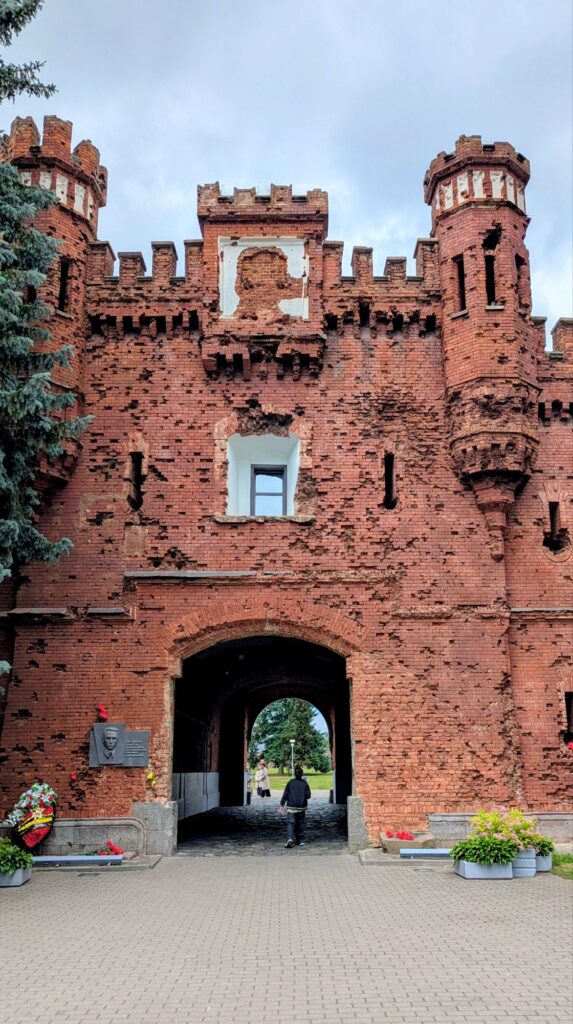
Over 10 years later at 04:15 22 June 1941 the German Wehrmacht Attacked the Brest fortress with no warning. The initial attack was resisted so a siege ensued where water and food supplies to the fortress were cut off. The remnants of the Red Army in the fort held the Germans at bay for a month allowing time for Russian defenses to be mobilised and crucially delaying the ultimate assault on Moscow until the bitter Russian winter played a hand in defeating the enemy as happened to Napoleon in 1812.
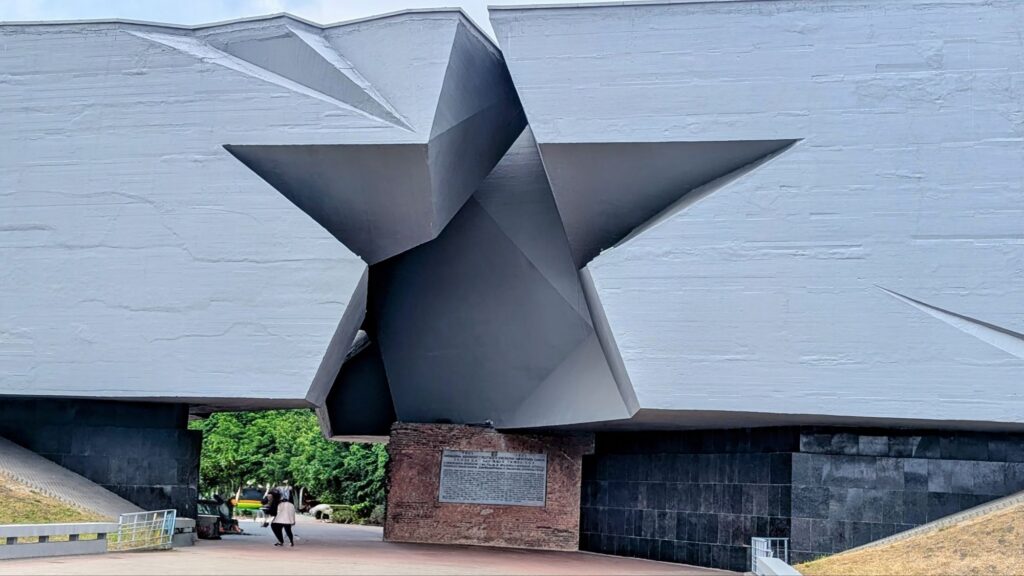
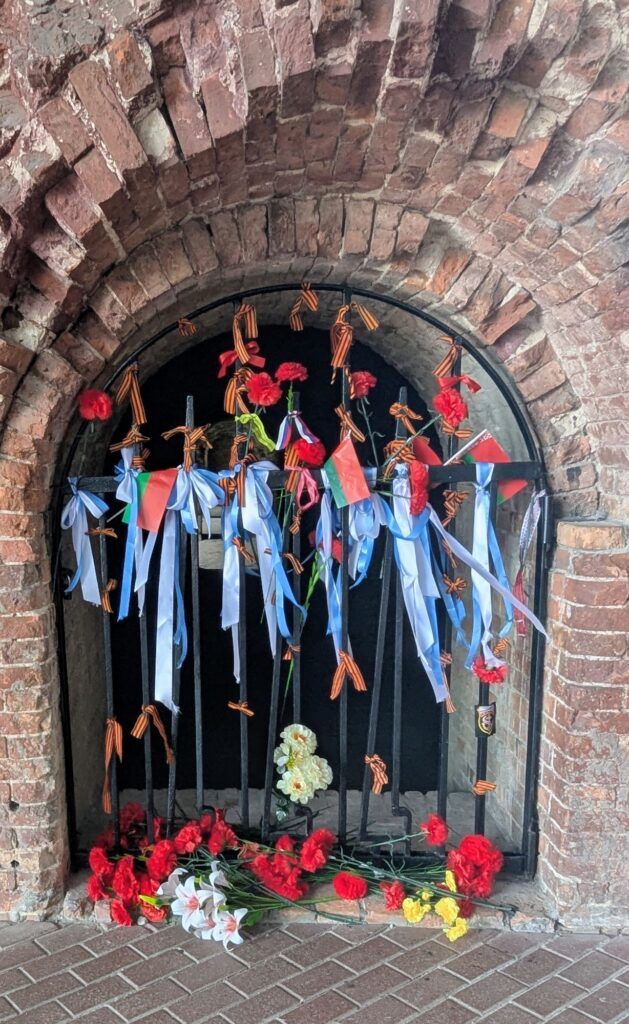
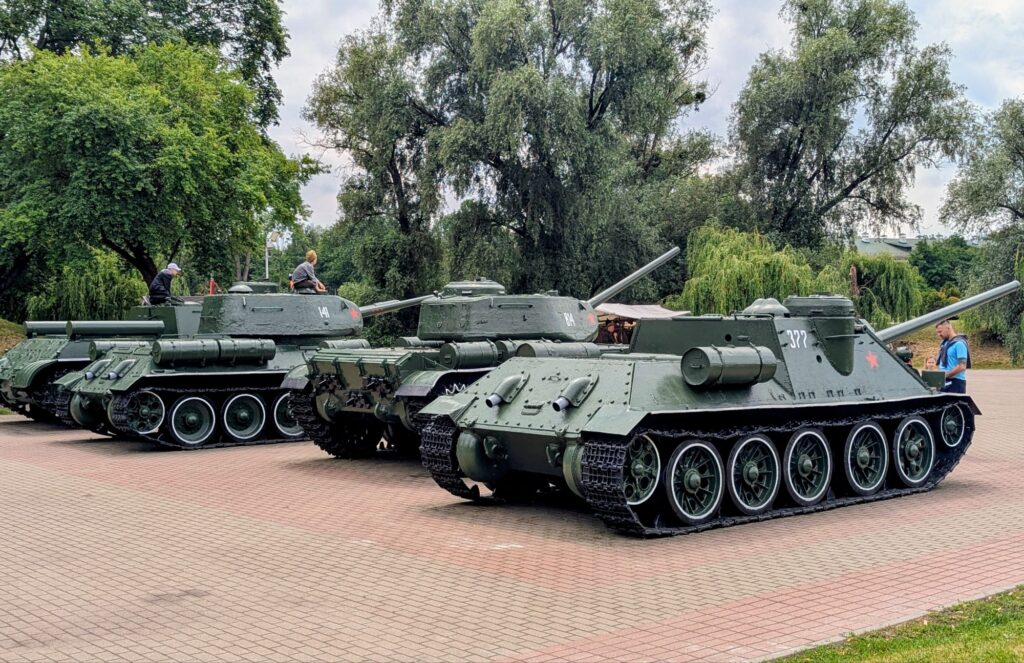
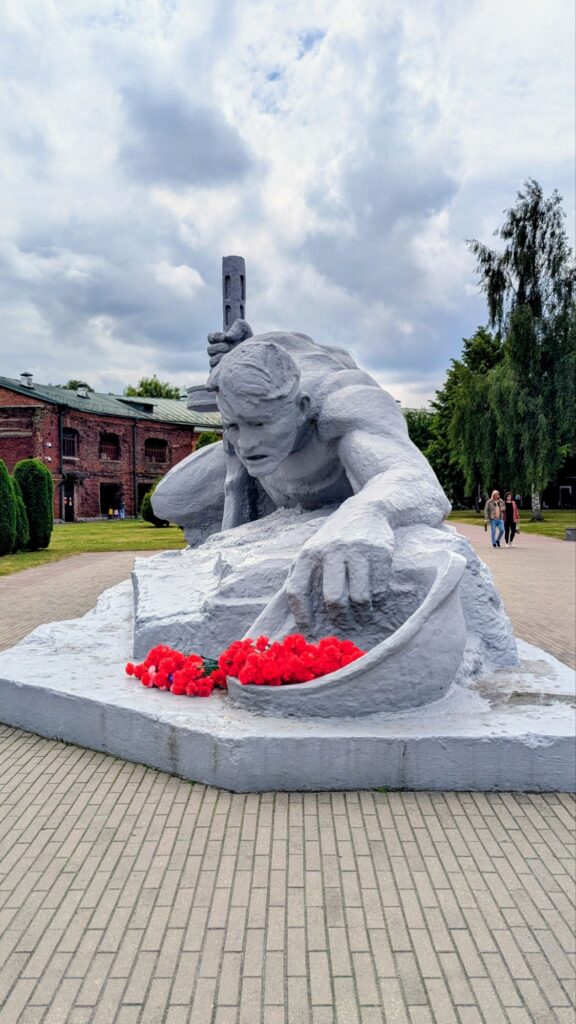
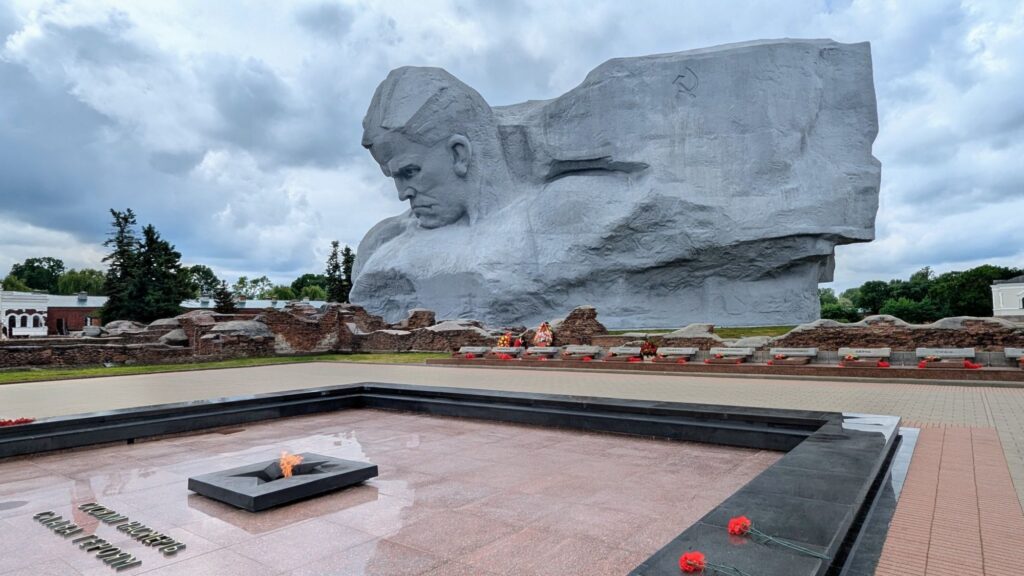
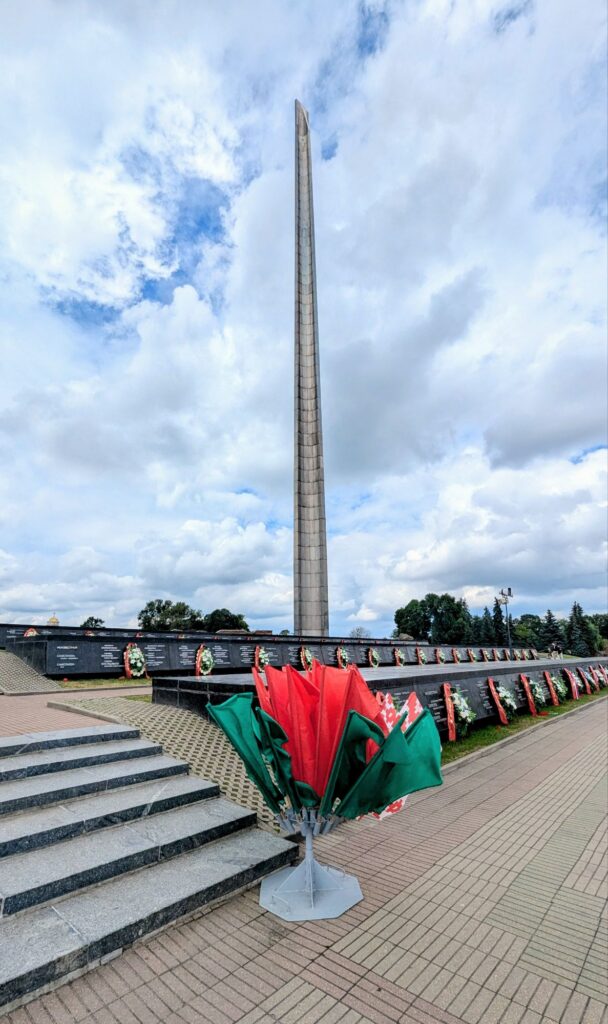
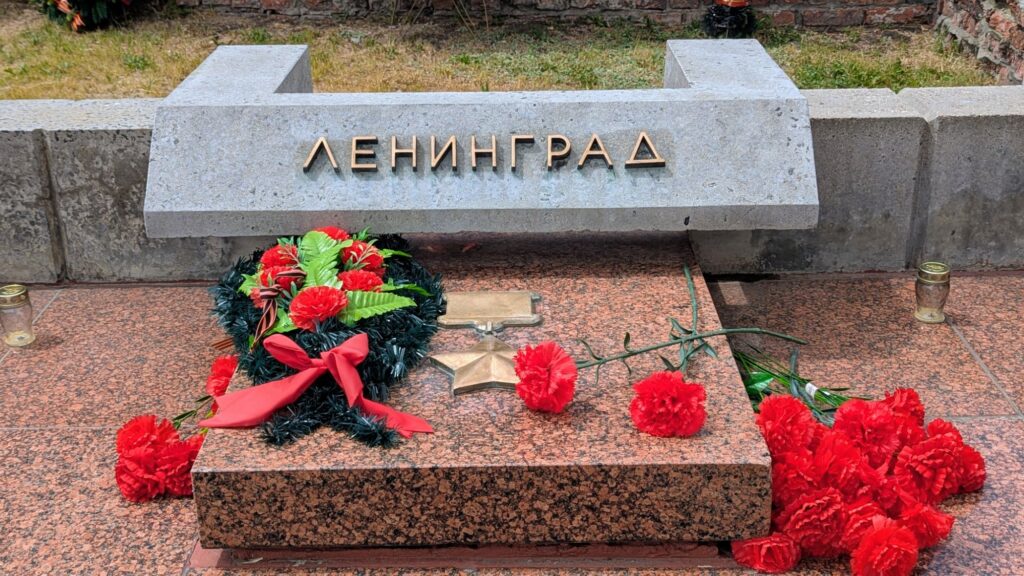
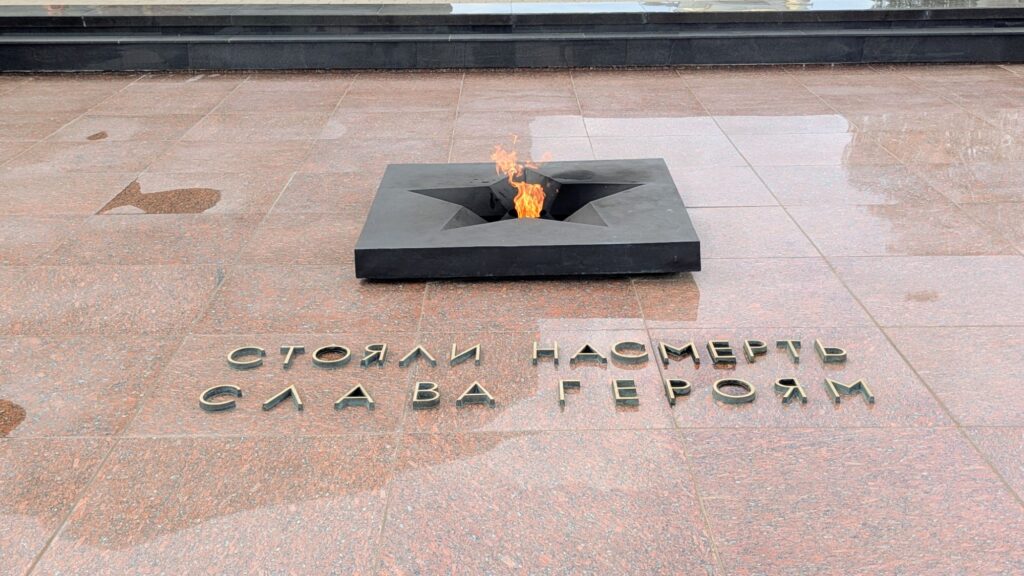
The fort is an atmospheric fusion of the old and new with remnants of the original 1833 fortress as a backdrop to the Soviet memorial of the 6800 Soviet soldiers who lost their lives here. I am not a fan but the brutalist massive reinforced concrete sculptures with the tombstones, flags, music and eternal flame was moving and poignant to me.
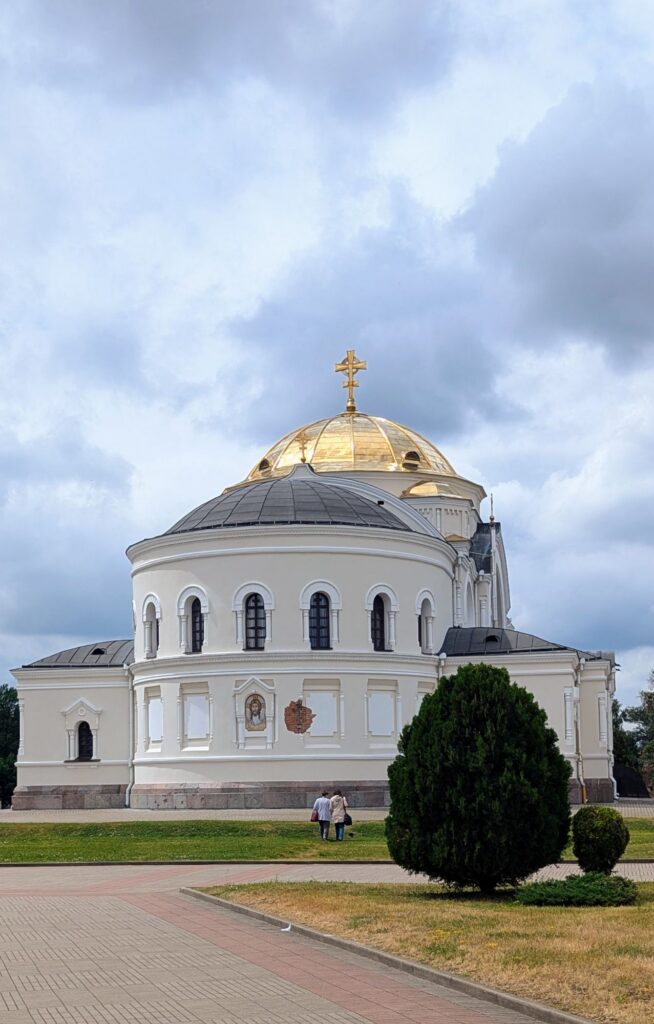
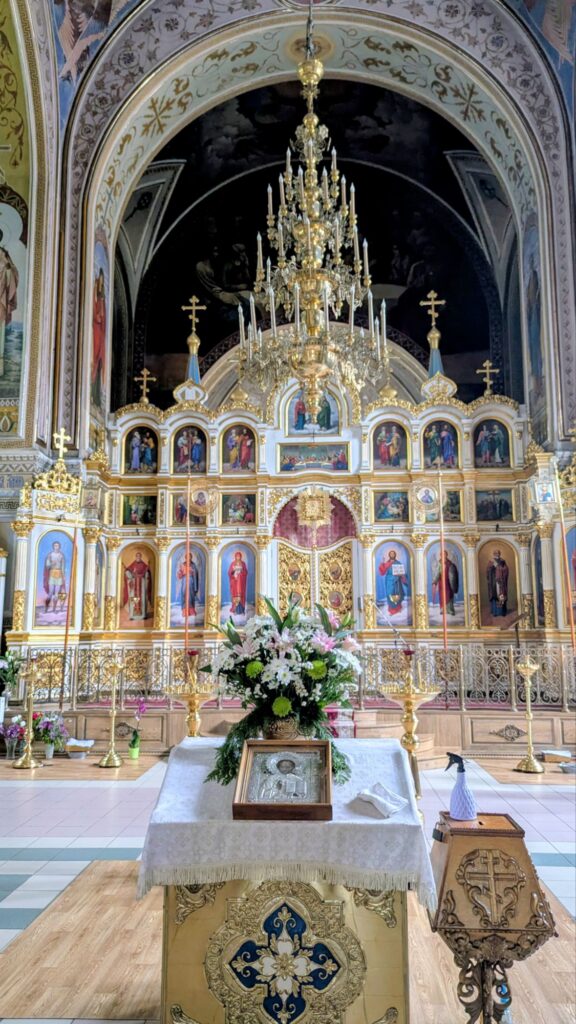
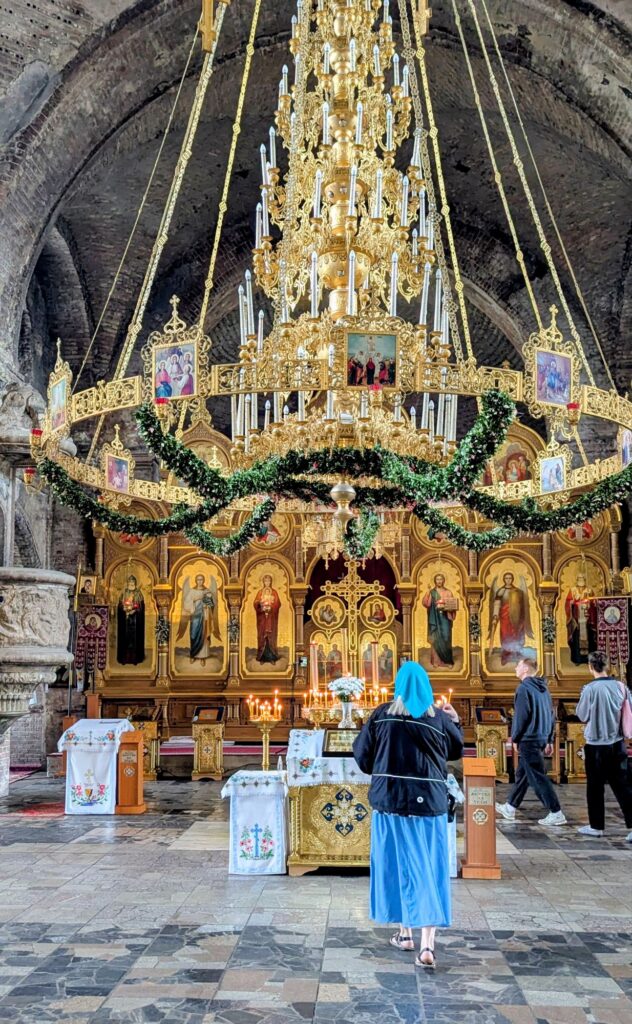
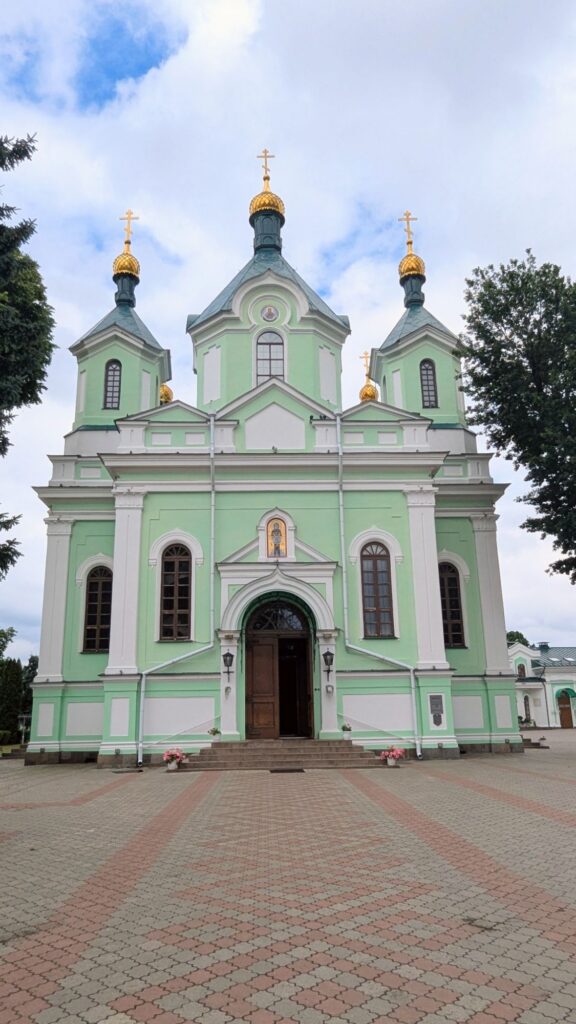
Final stop is St Simons Orthodox Church.
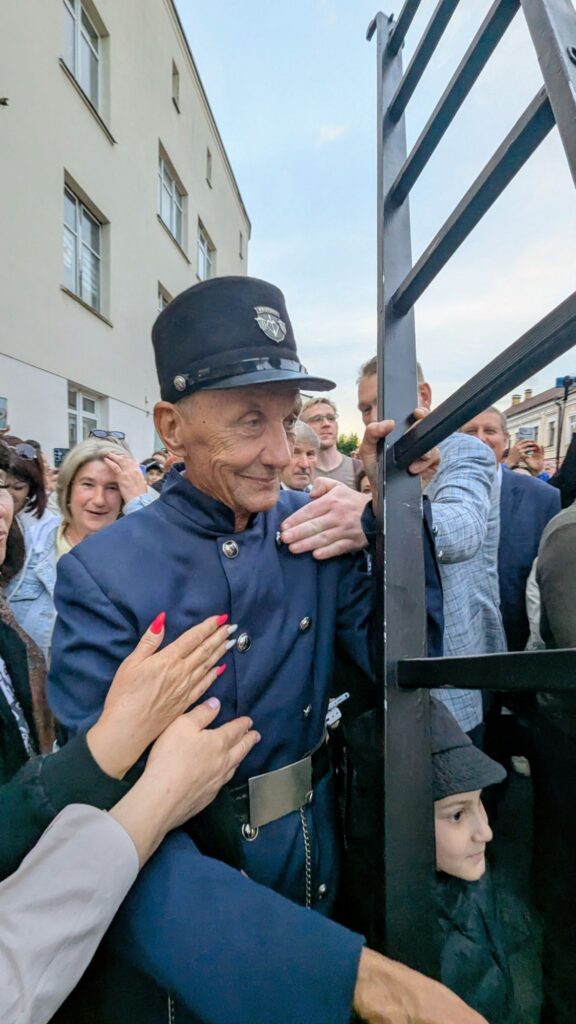
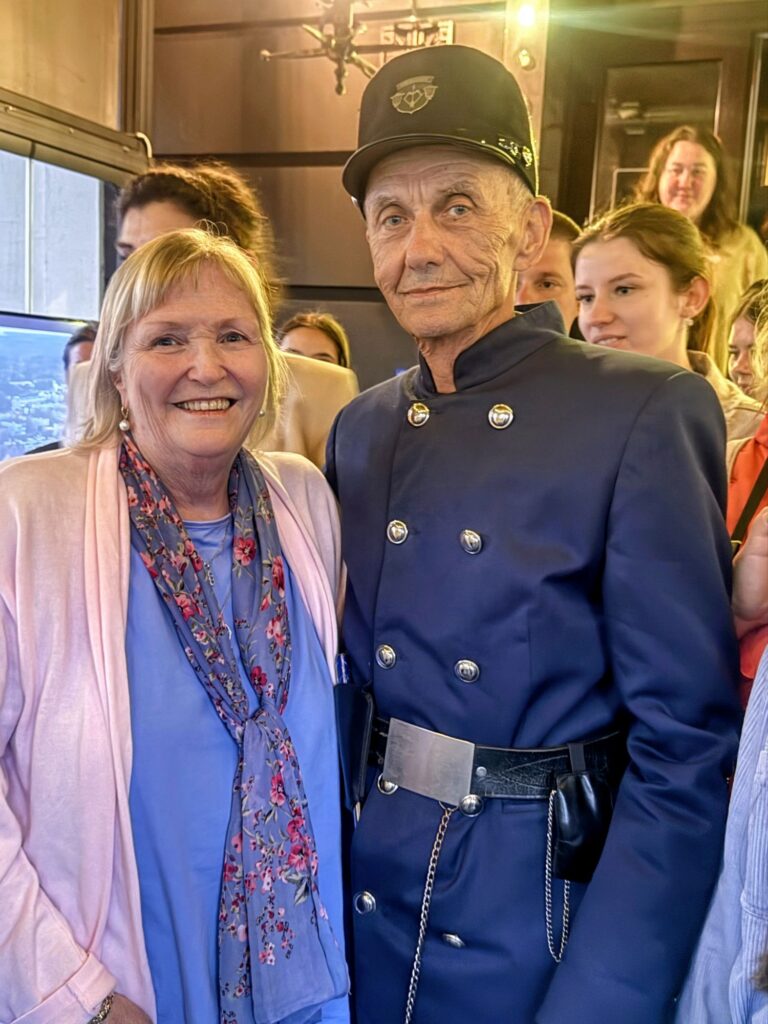
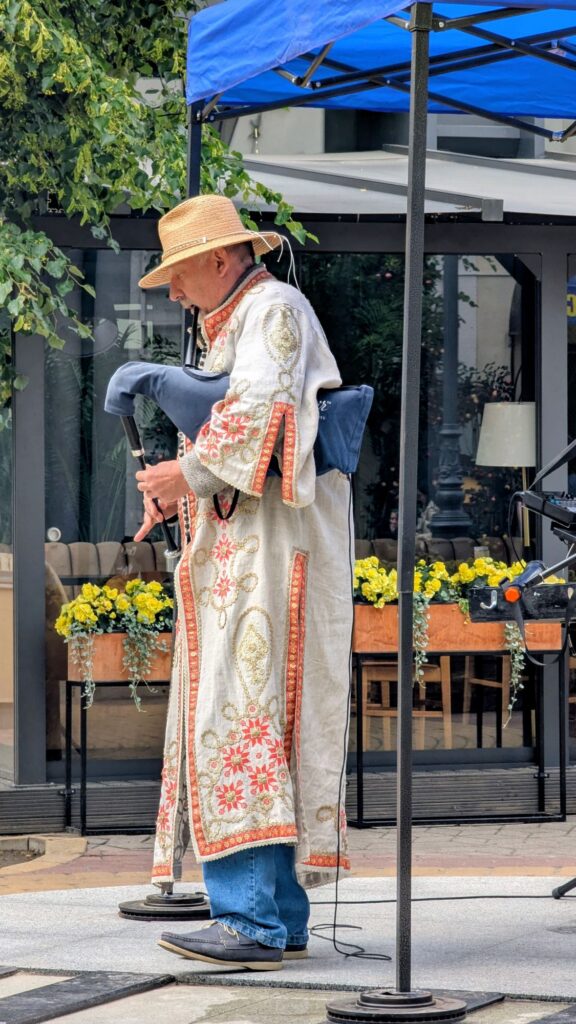
Later that evening we are there to witness the lamp lighting on the main mall amid a throng of a couple of hundred other spectators. To touch his jacket is said to bring good luck.