Categories
Baltics 2025

Famous Poles

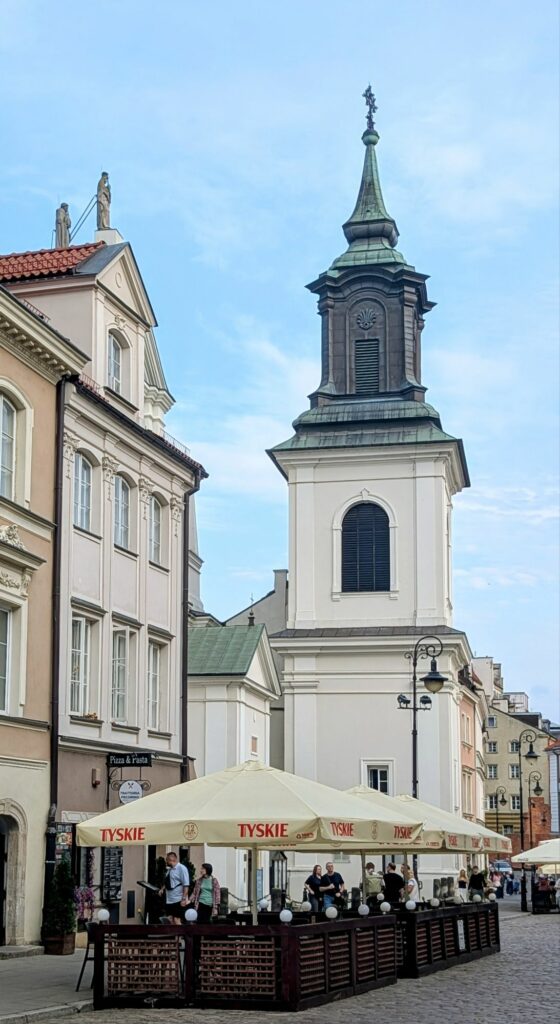
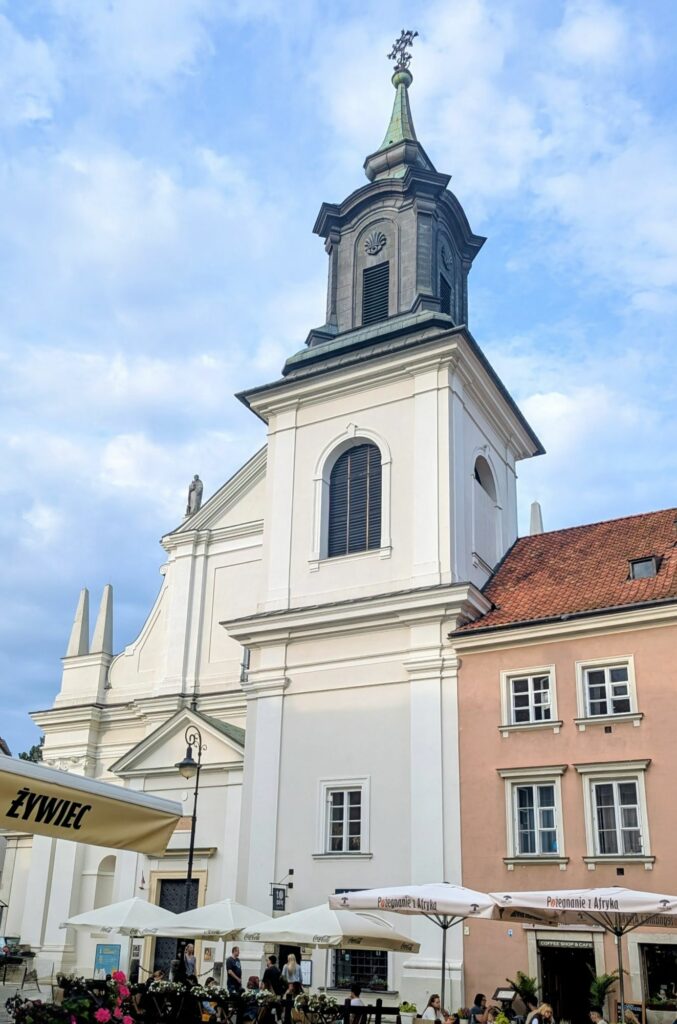
Our final 24 hours in Poland was back in Warsaw. Just enough time to catch up on a few sights in the old town and for me to “explore” a couple of famous Poles.
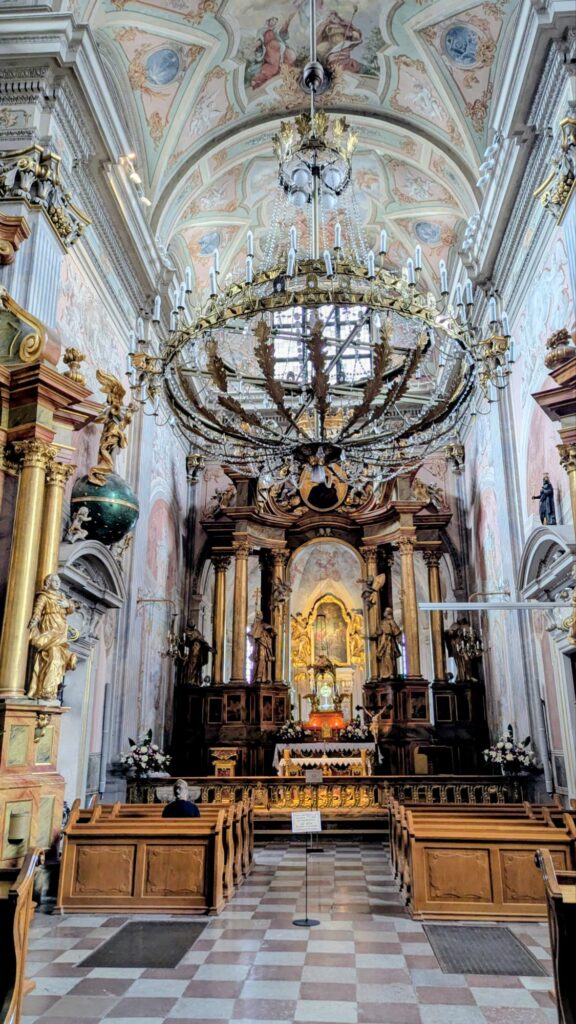
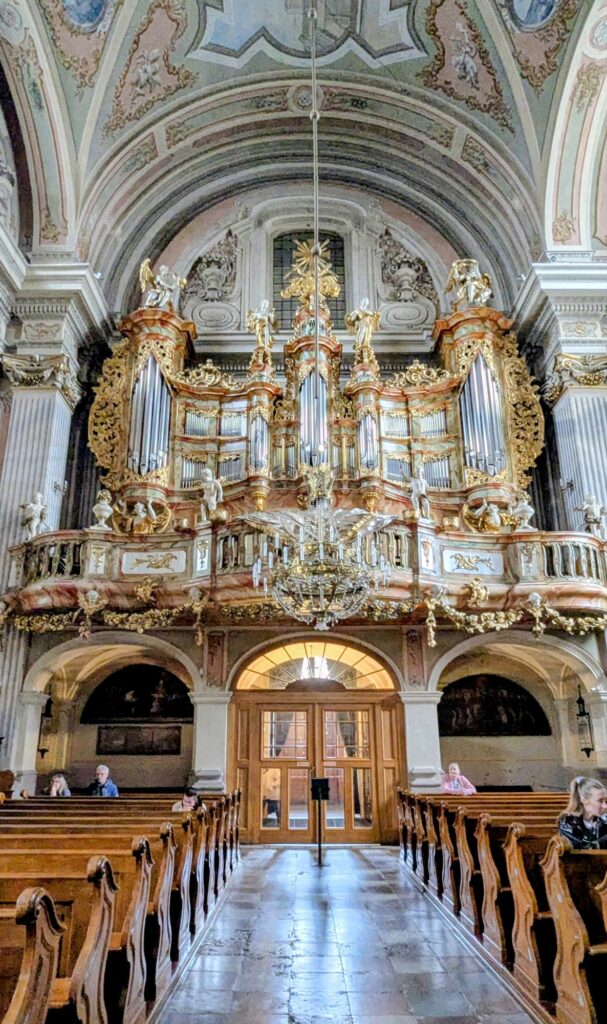
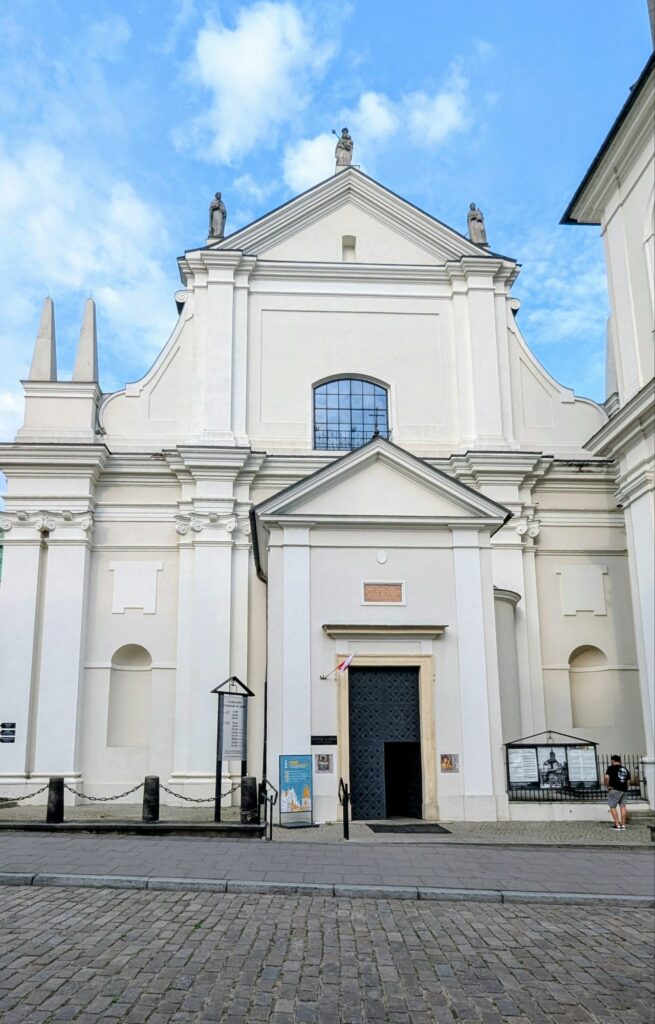
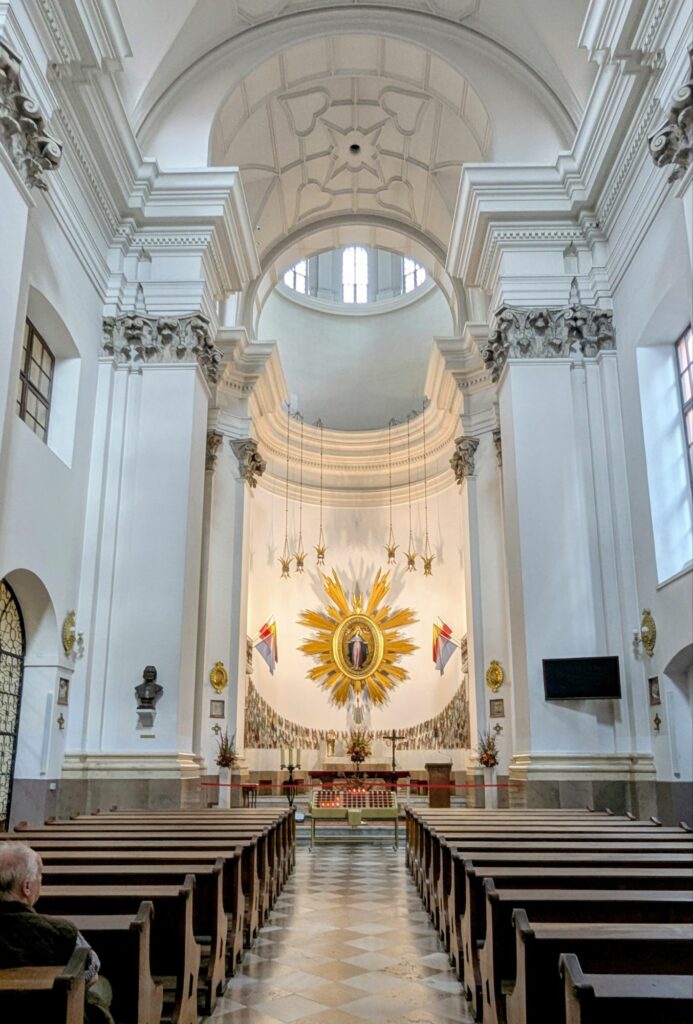
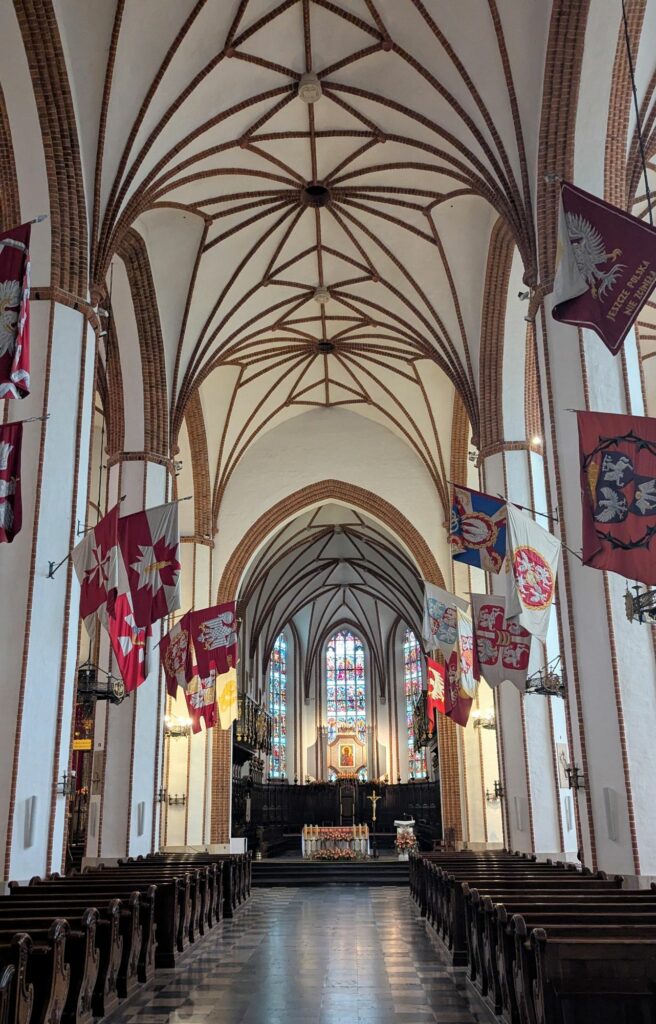
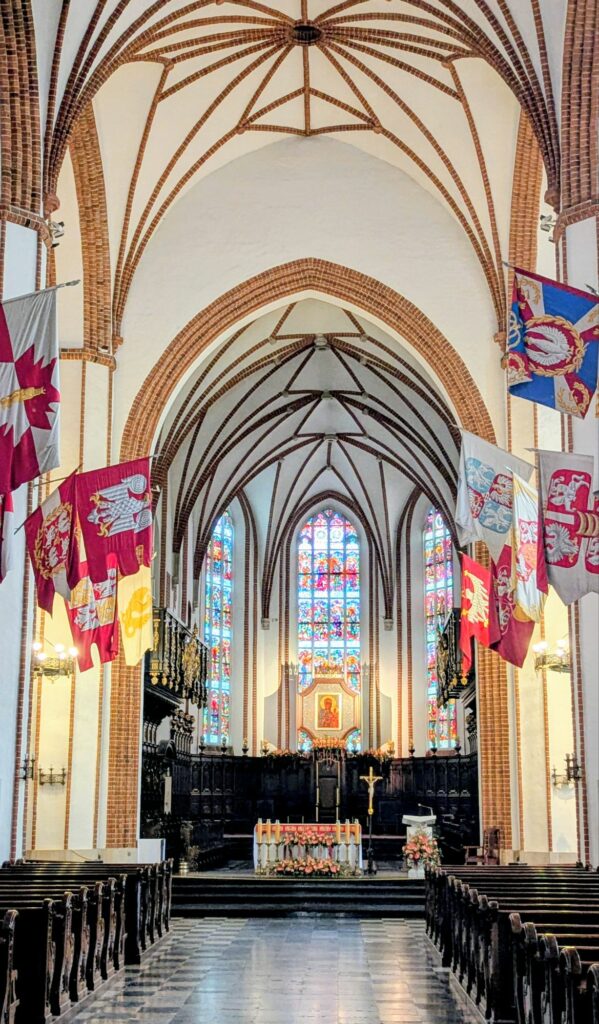
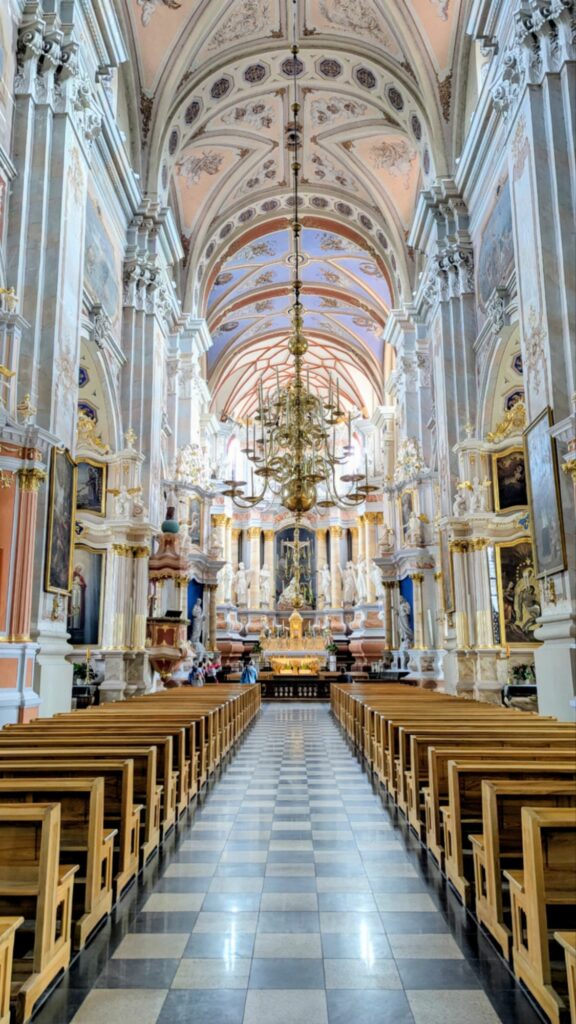
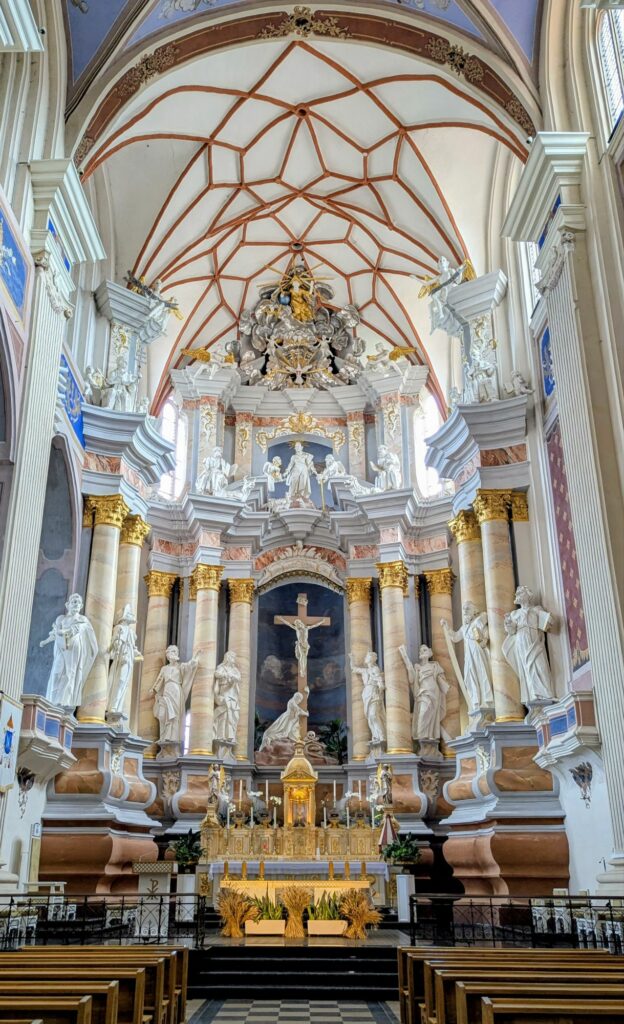
Interior of St Anne’s church
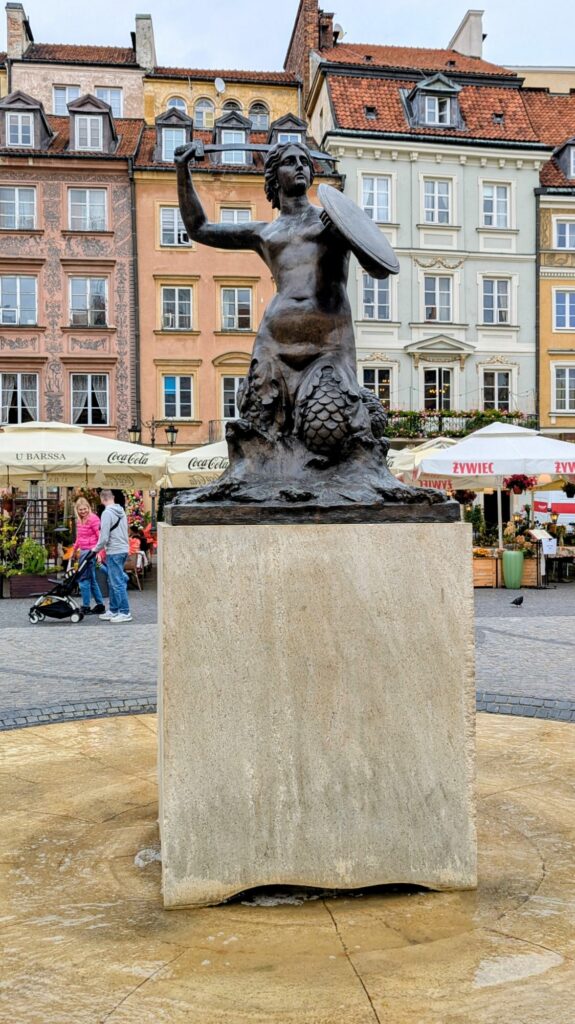
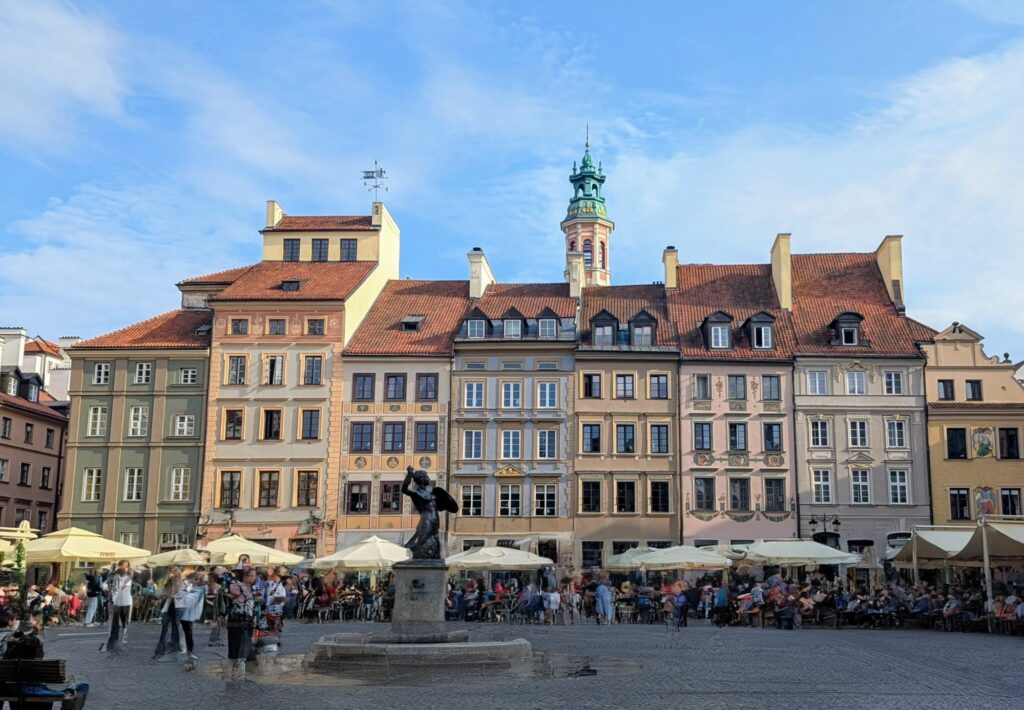
Warsaw mermaid
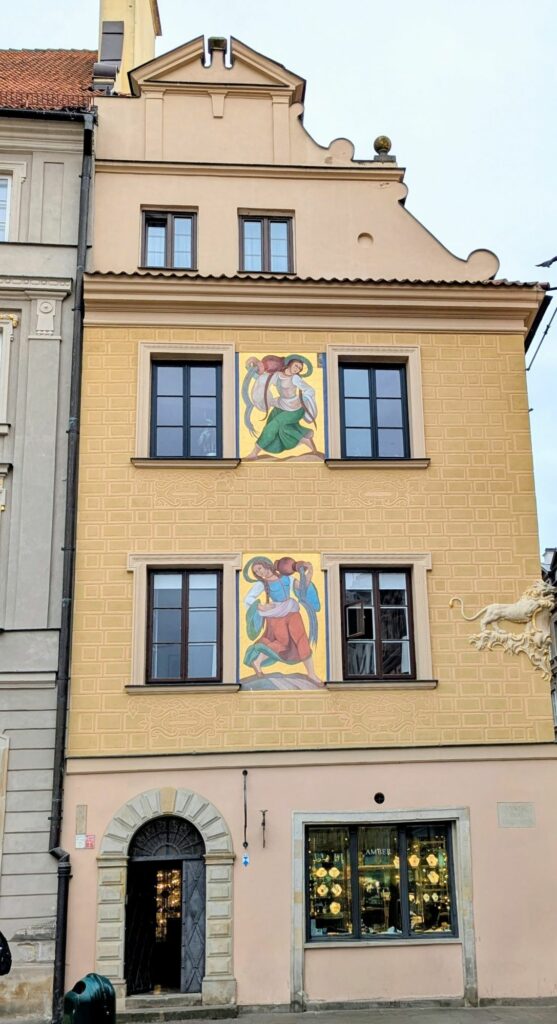
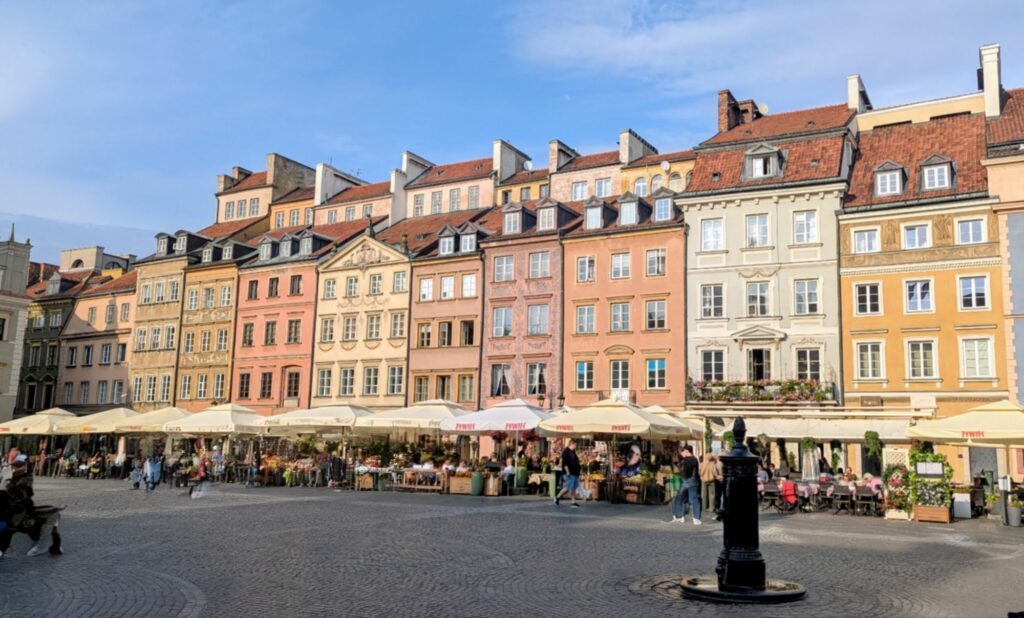
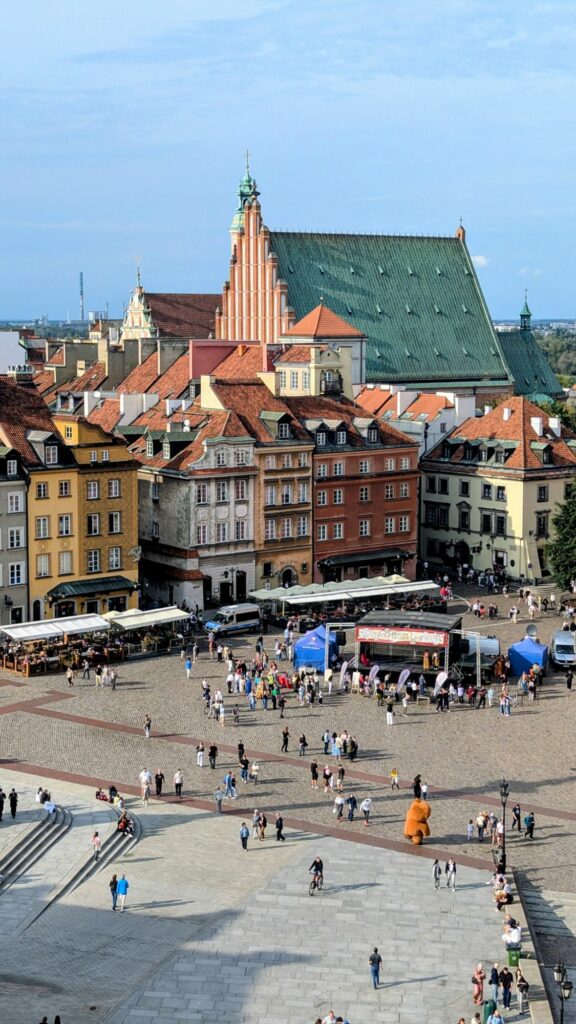
Old town market square
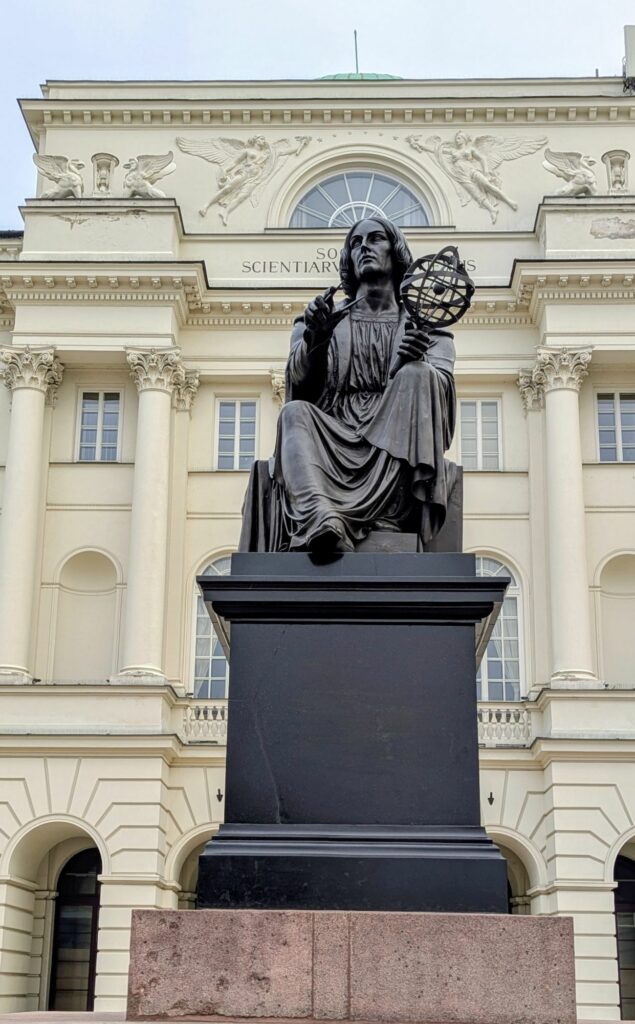
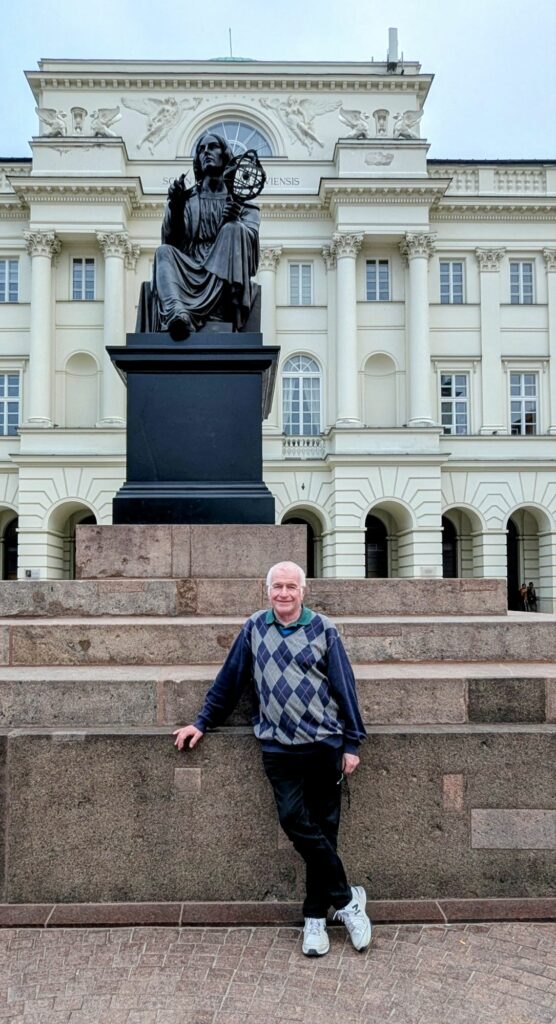
Nikolaus Copernicus

Copernicus is a favourite for me. Born in the 15th century he achieved fame as an astronomer who first proposed that the earth revolves around the sun rather than the then prevailing view endorsed by the church that the earth is the centre of the universe and the sun revolves around it.
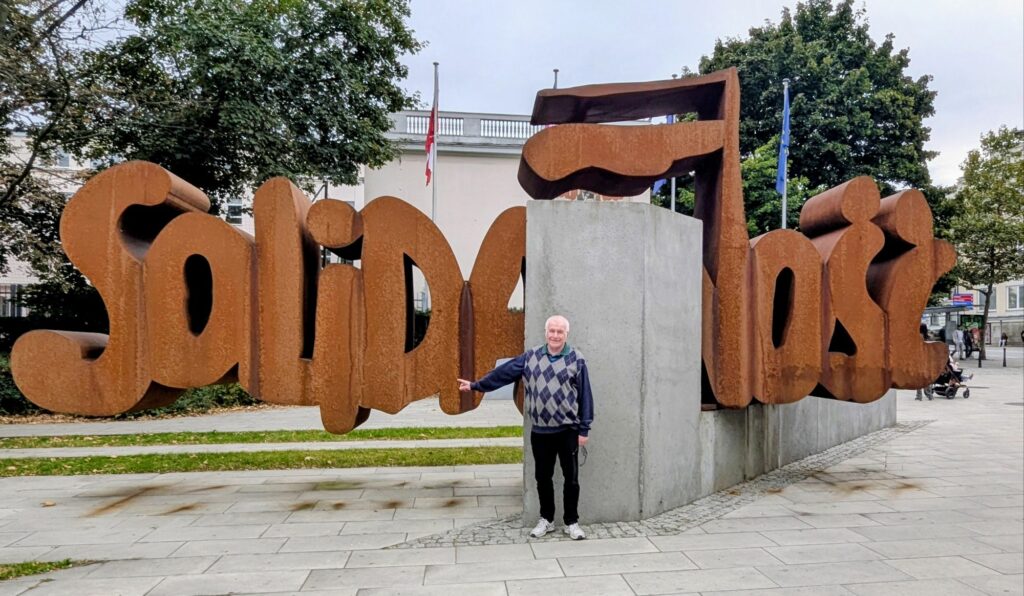
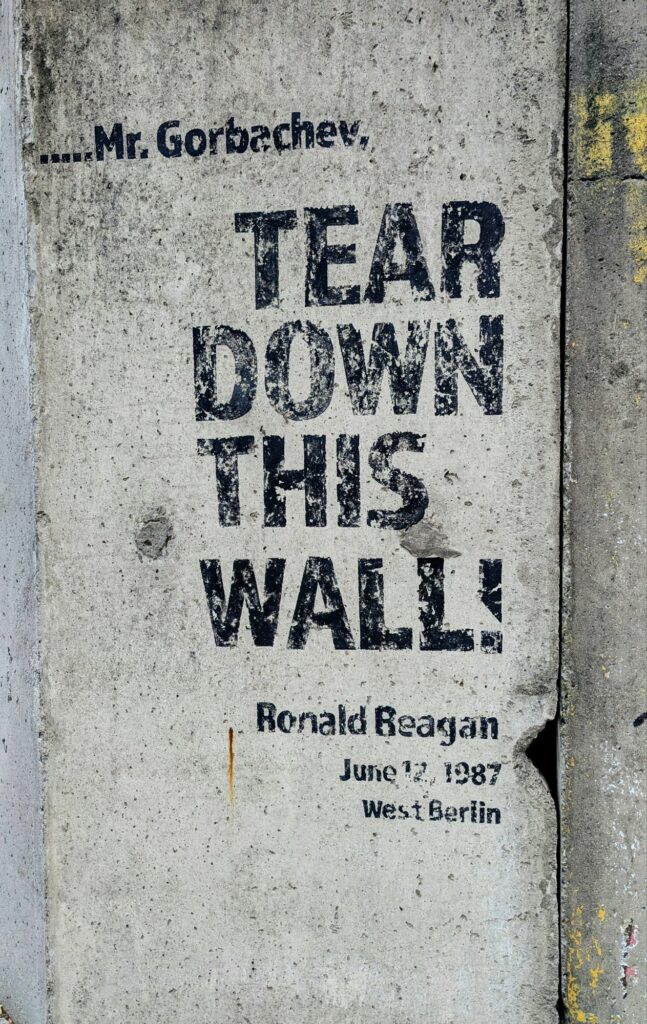
Lech Walesa

Last century an electrician working in Gdansk rose to prominence as a trade union activist. He drew the ire of the then ruling USSR. His leadership of the “Solidarity”  (Solidarnosc in Polish) trade union was one of the pivotal events leading to the fall of the Berlin Wall and the USSR. He served with distinction as the first president of the newly liberated Poland.
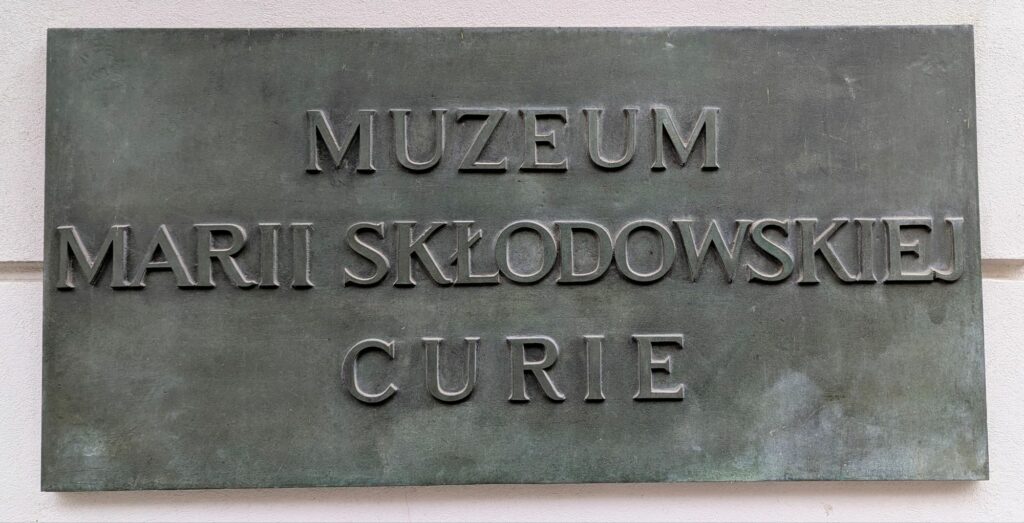
Marie Curie grew up in Warsaw in the late 19th century. She furthered her studies in Paris and married Pierre Curie. She and her husband won the Nobel Prize in Physics in 1903 for developing the theory of radioactivity. Subsequently she won a second Nobel Prize, this time in Chemistry for the discovery of the chemical elements polonium and radium. She was the first woman to win a Nobel Prize and the only person to win a Nobel Prize in two separate fields.

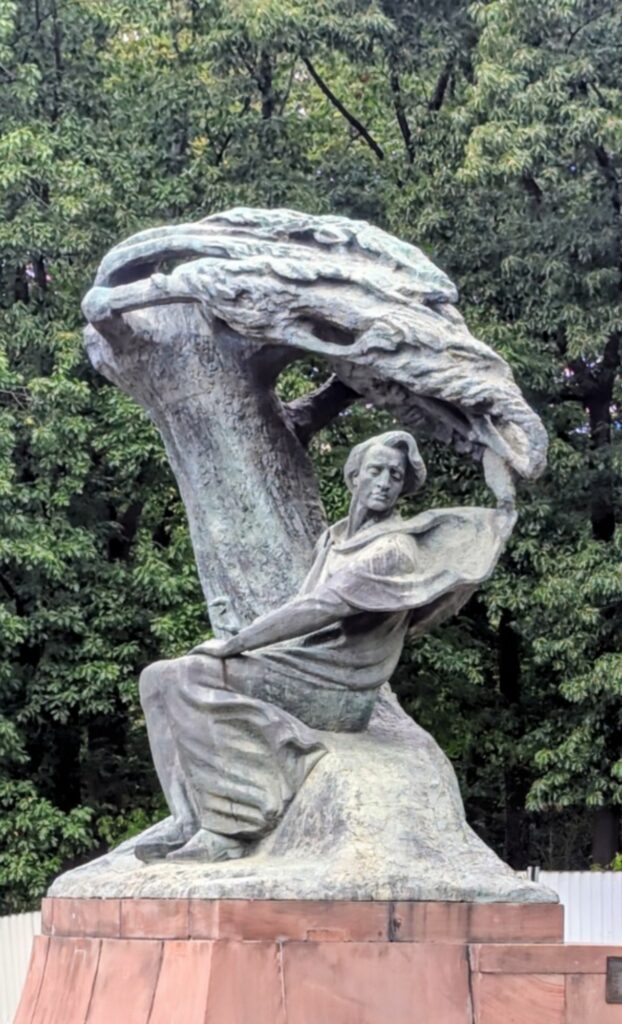
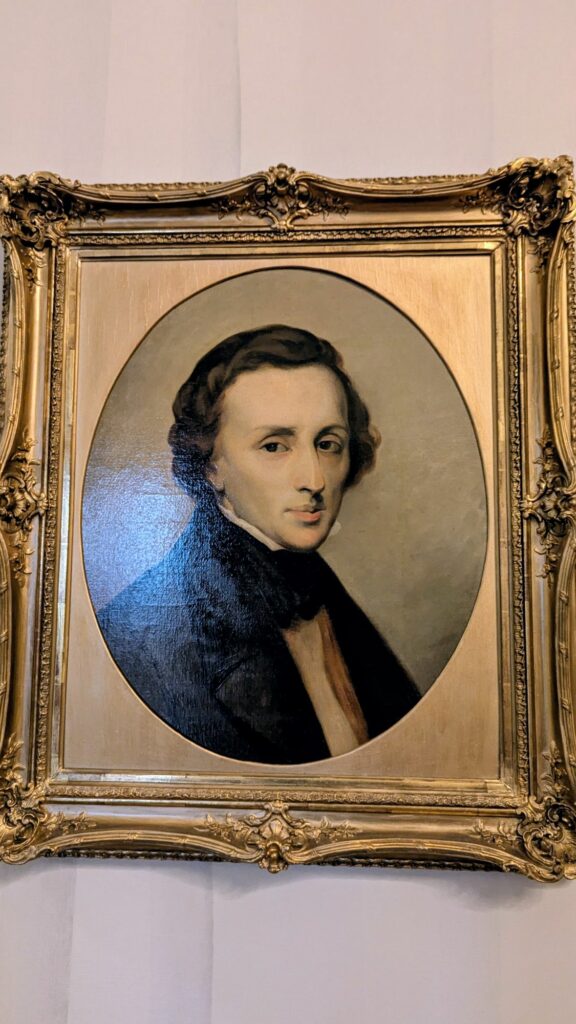
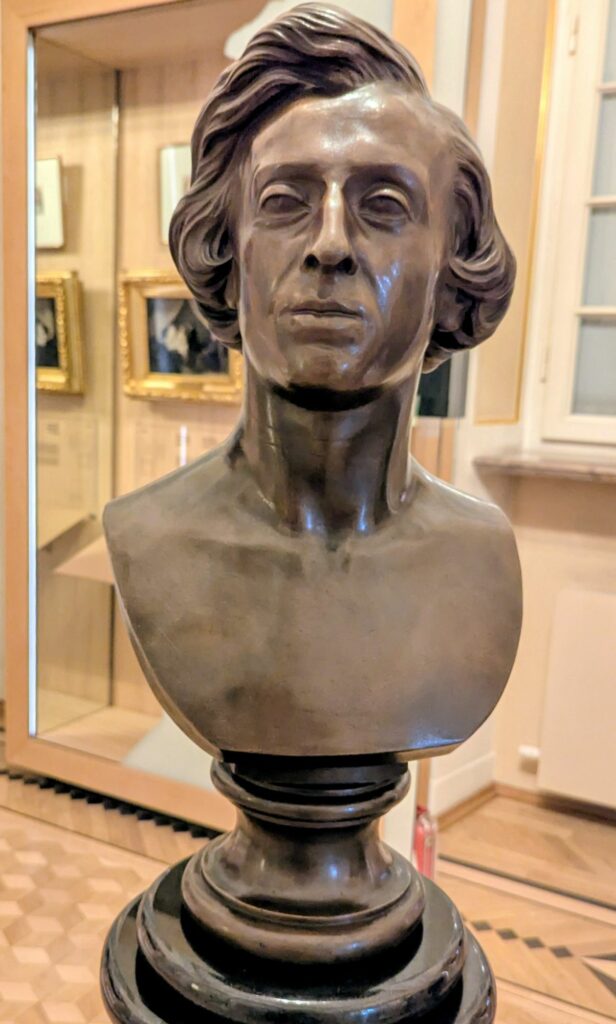
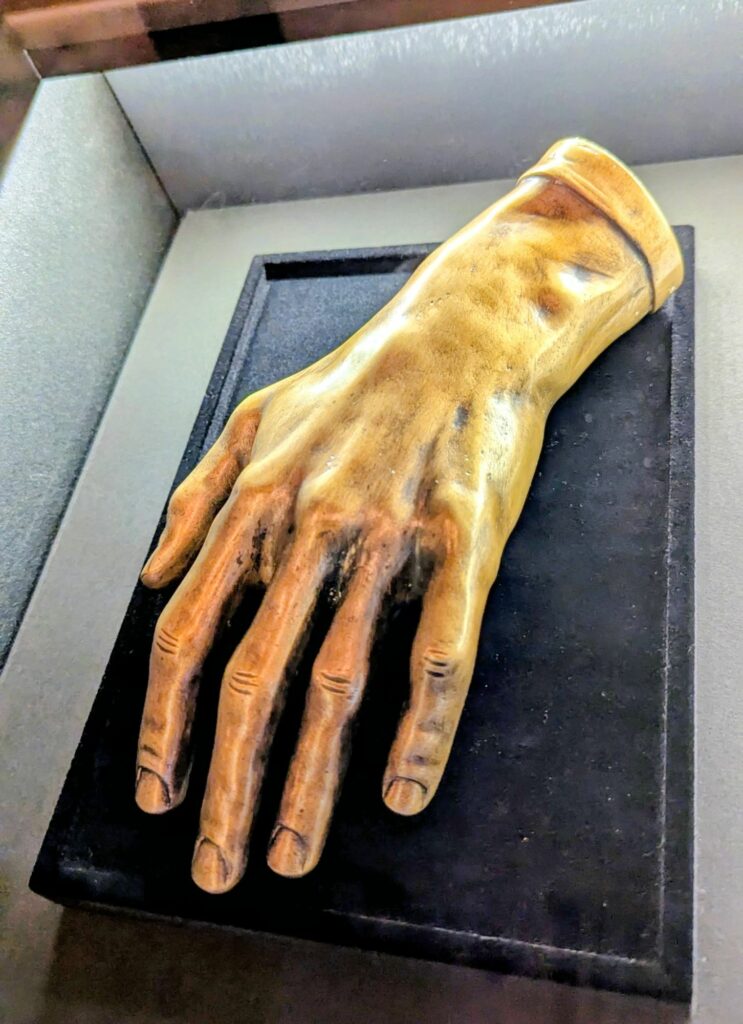
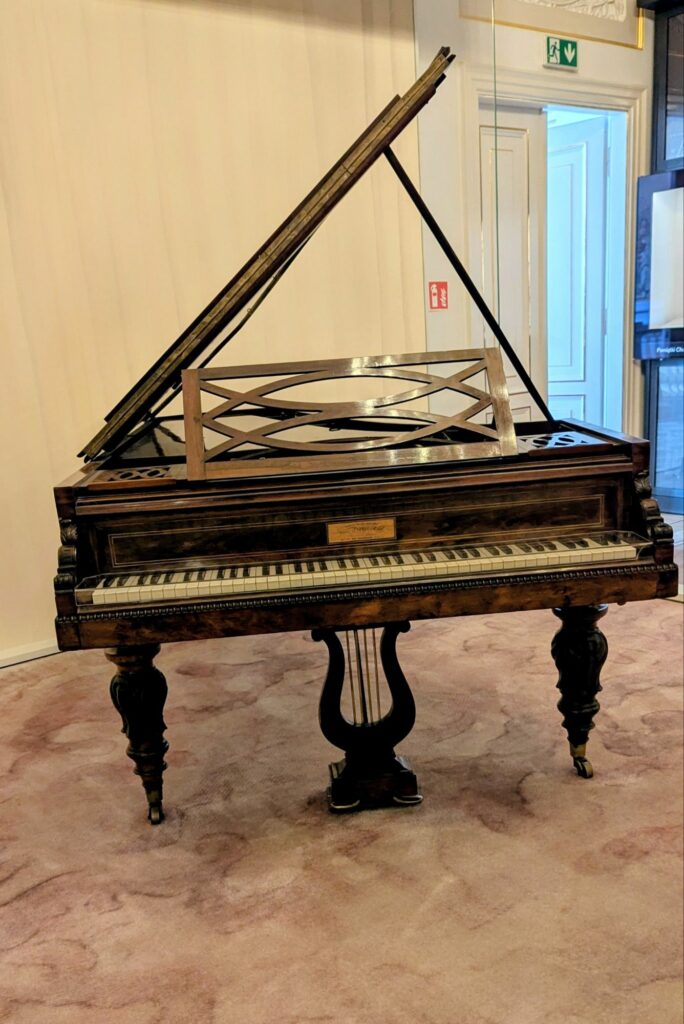
On the final morning before our flight home I was up early to catch up with one of my favourite composers Frederic Chopin. Born in 1810 the master pianist and composer had a Mozart like life. Playing piano at age 4, first composition at age 6 this prodigy was famous throughout Europe in his time. Tragically his flame burnt brightly but he died young at age 39.

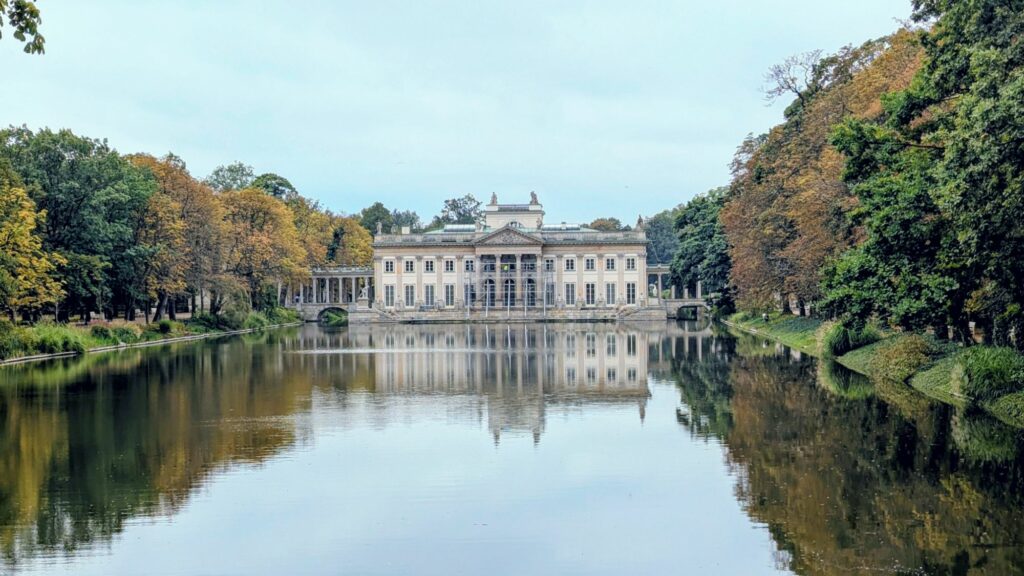
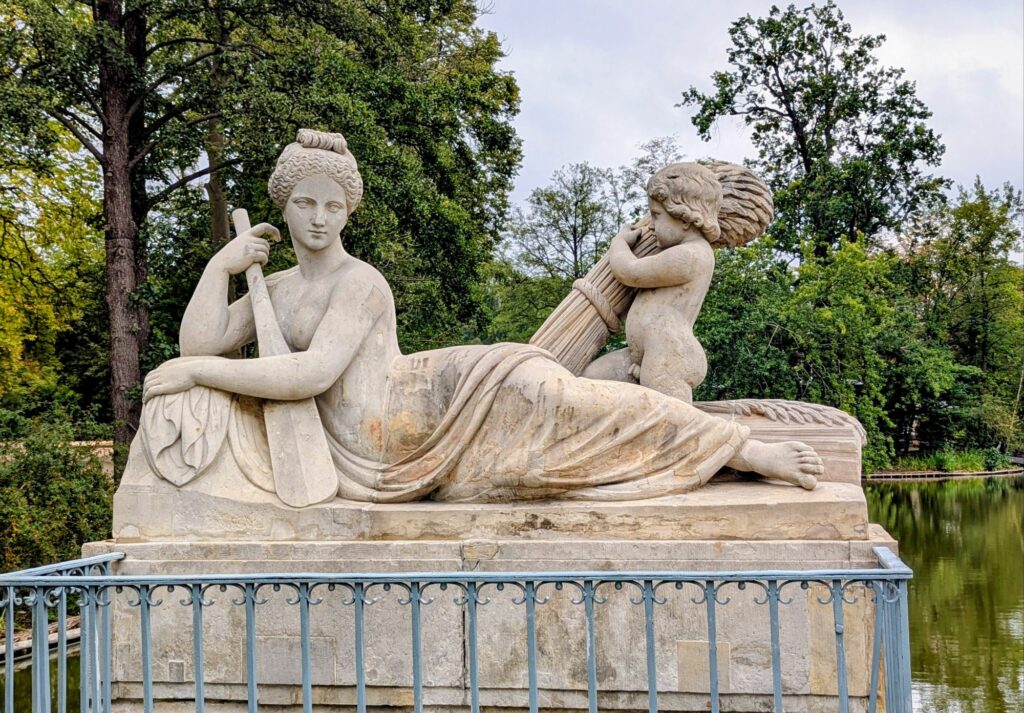
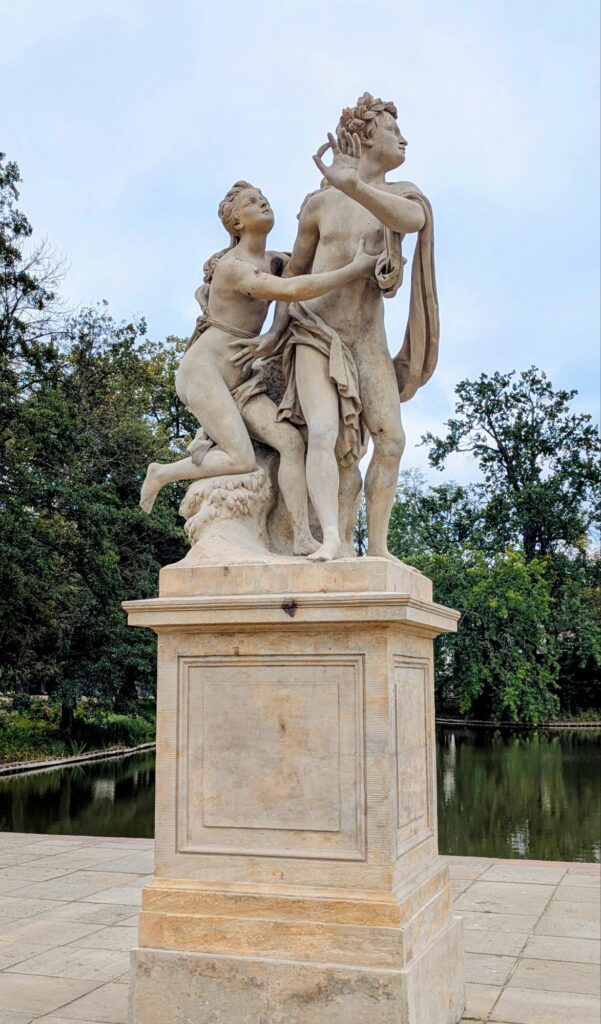
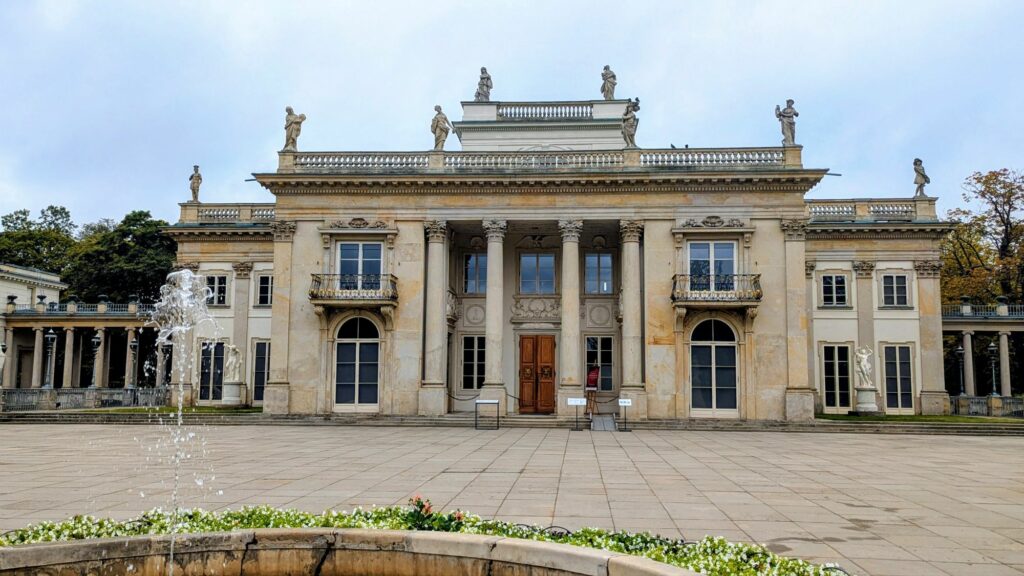
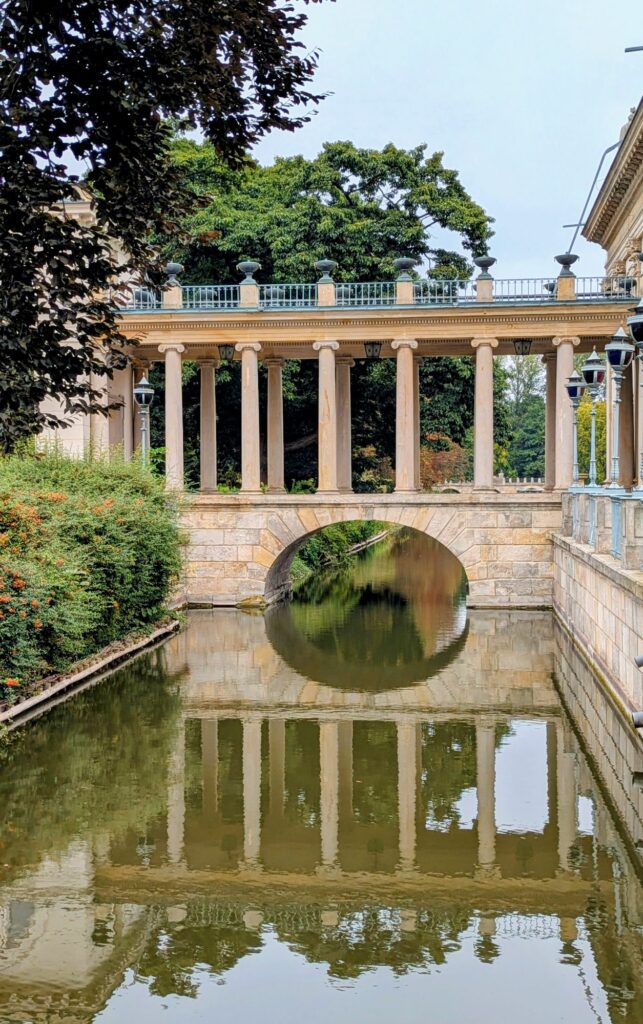
The monument is in the Royal Baths park also home to the beautiful Lazienki palace.
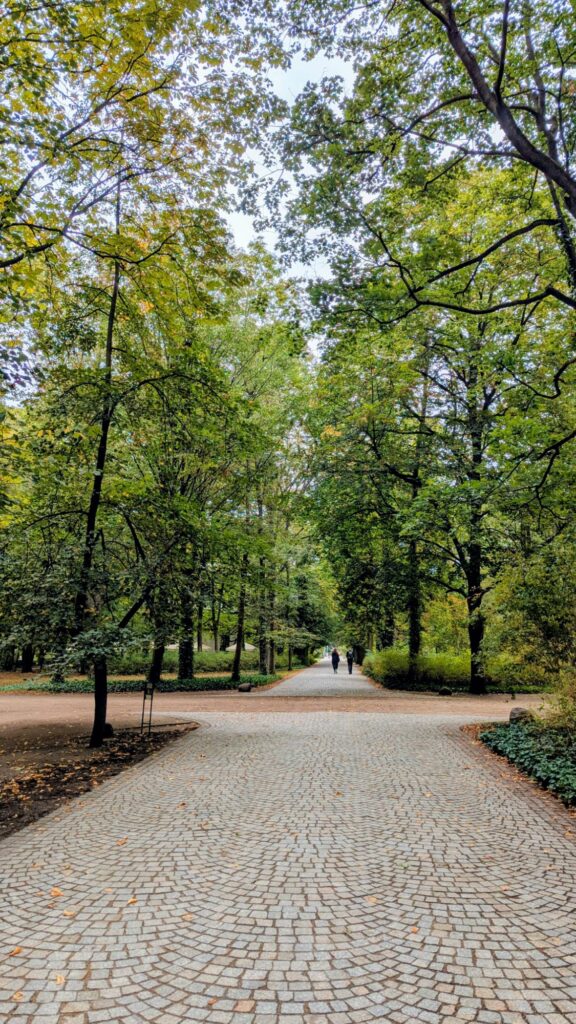
Lazienki Palace
Chopin monument
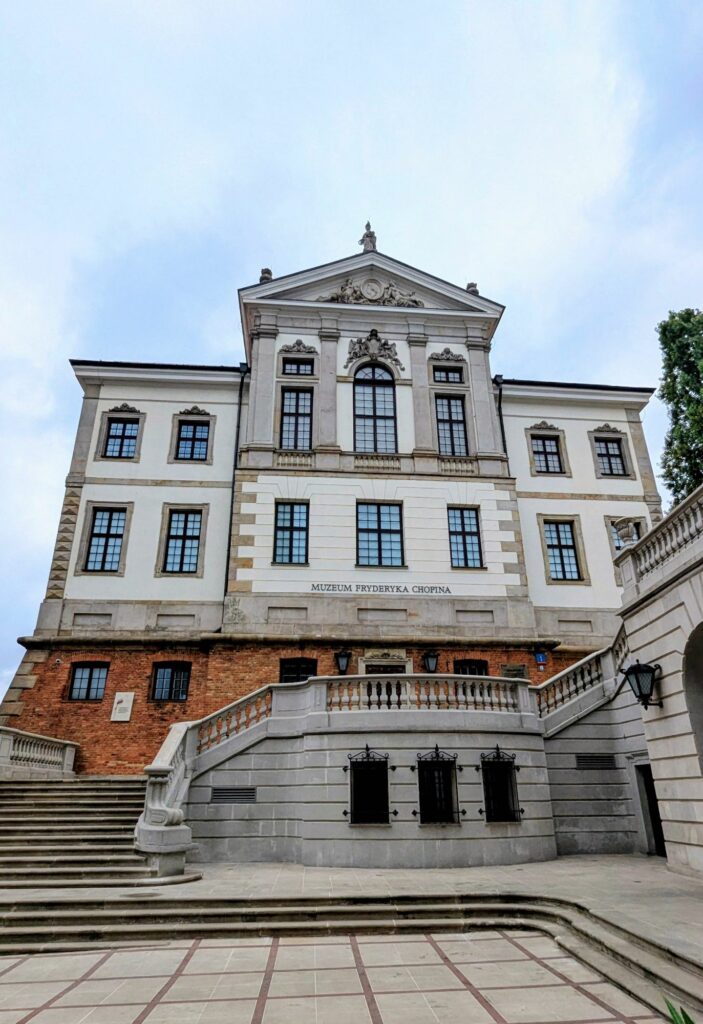
Chopin museum
Categories
Baltics 2025

Tatra

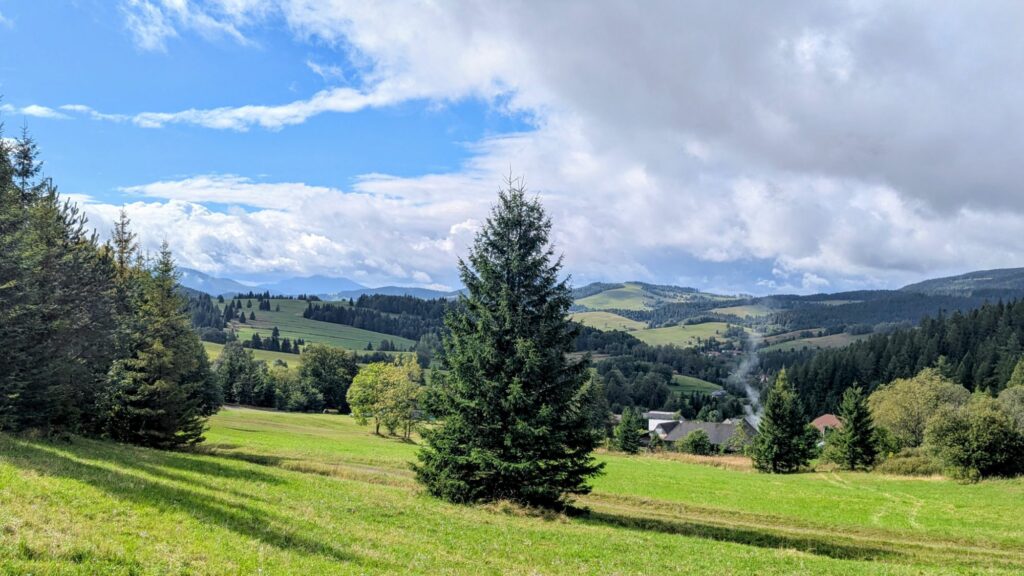
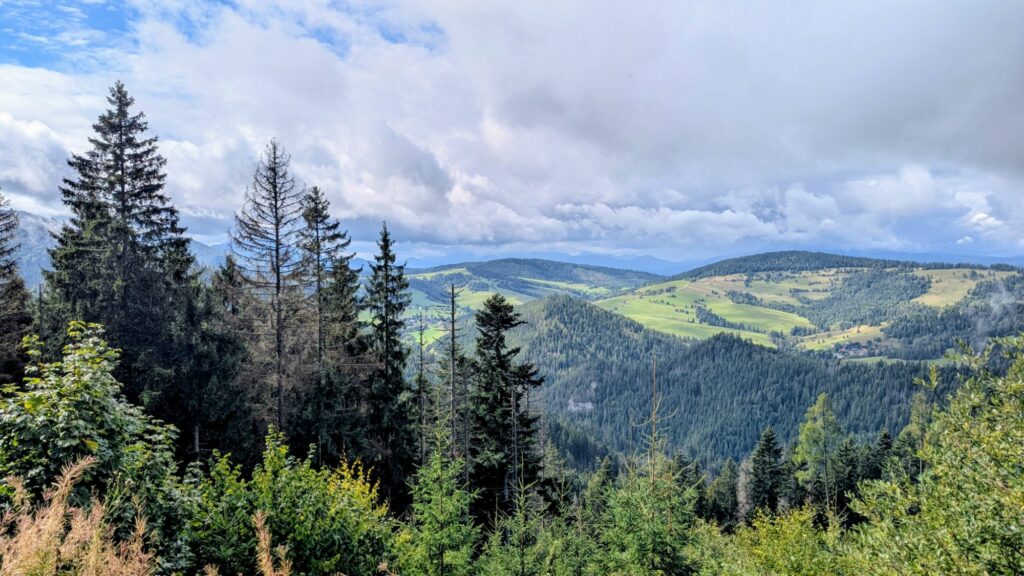
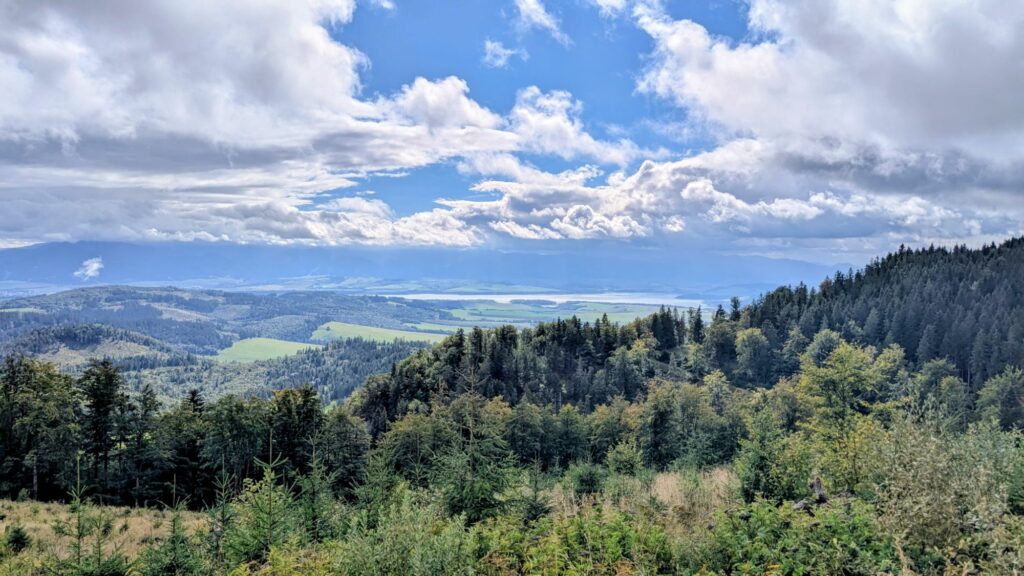
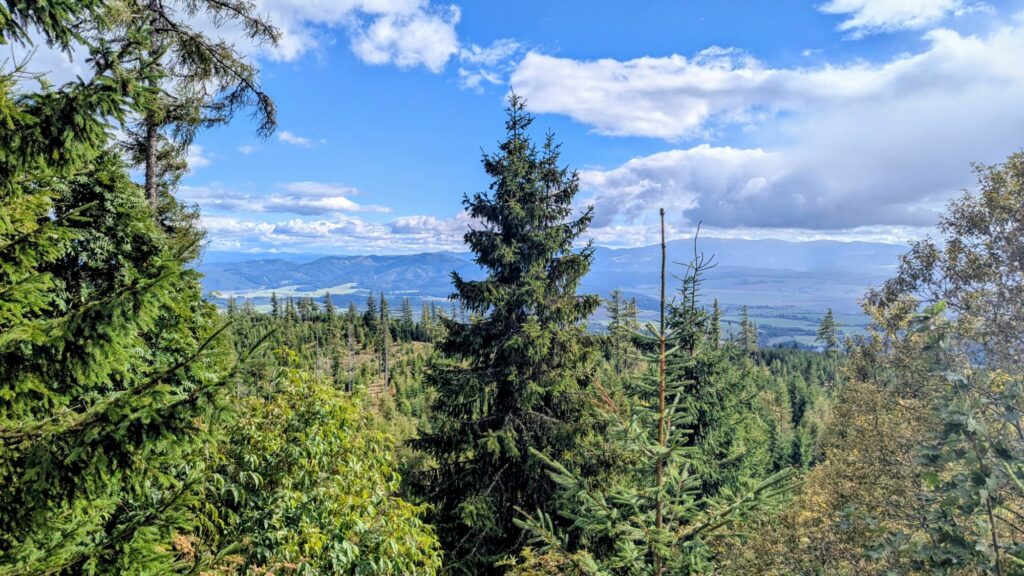
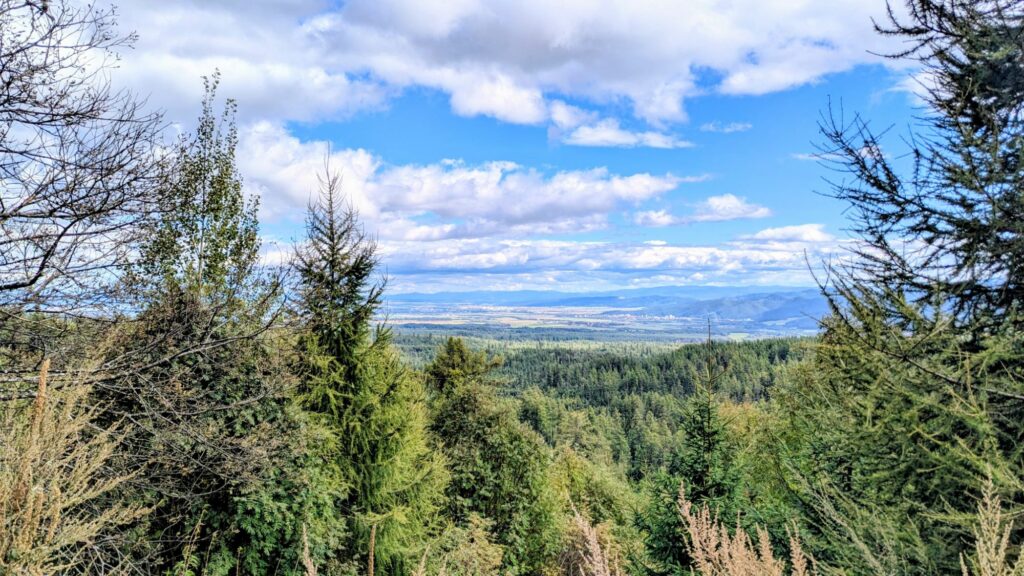
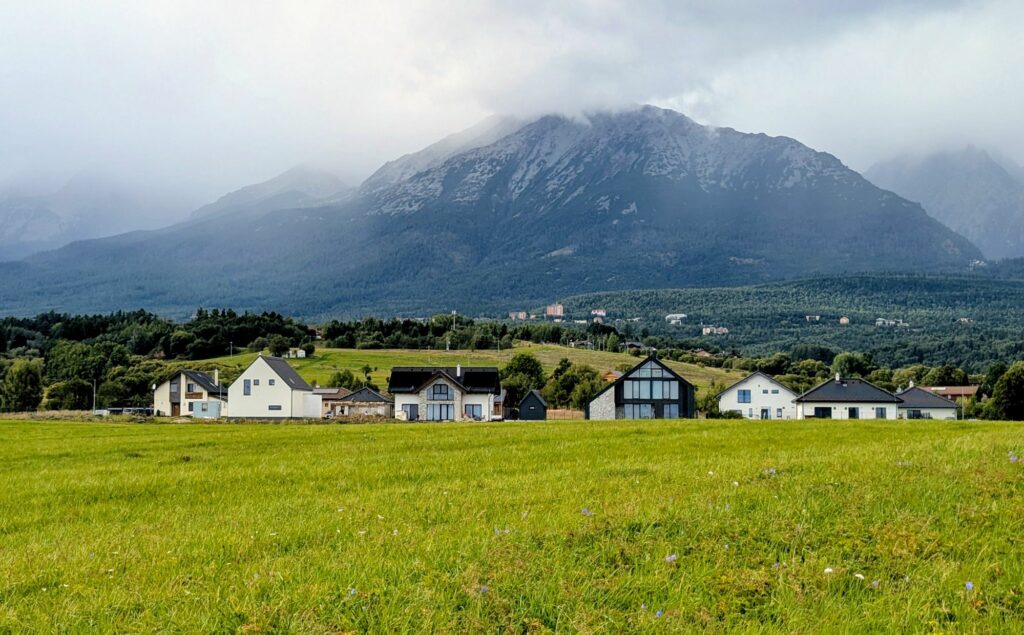
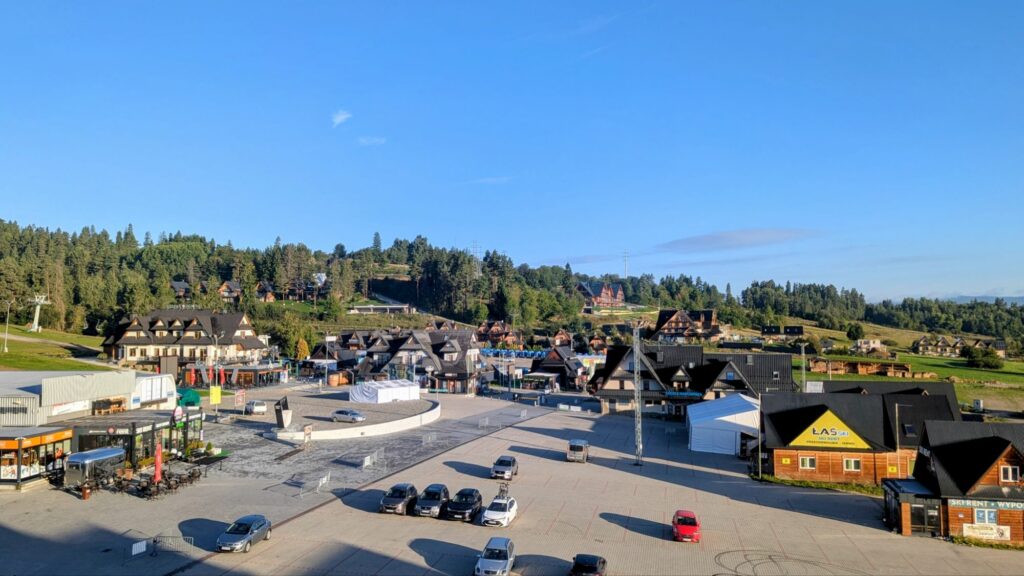
A pleasant 2 hour drive south of Krakow has us at Zakopane the main town in the Tathra mountains straddling the border between Poland and Slovakia. Part of the broader Carpathian mountains the highest peak here is 2600 metres high. In the winter this is a popular ski area.

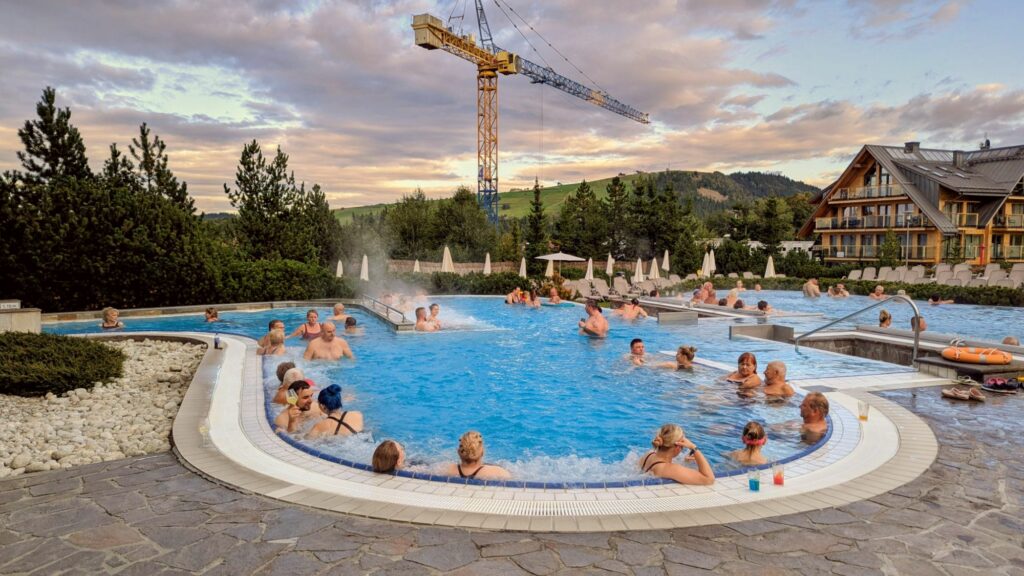
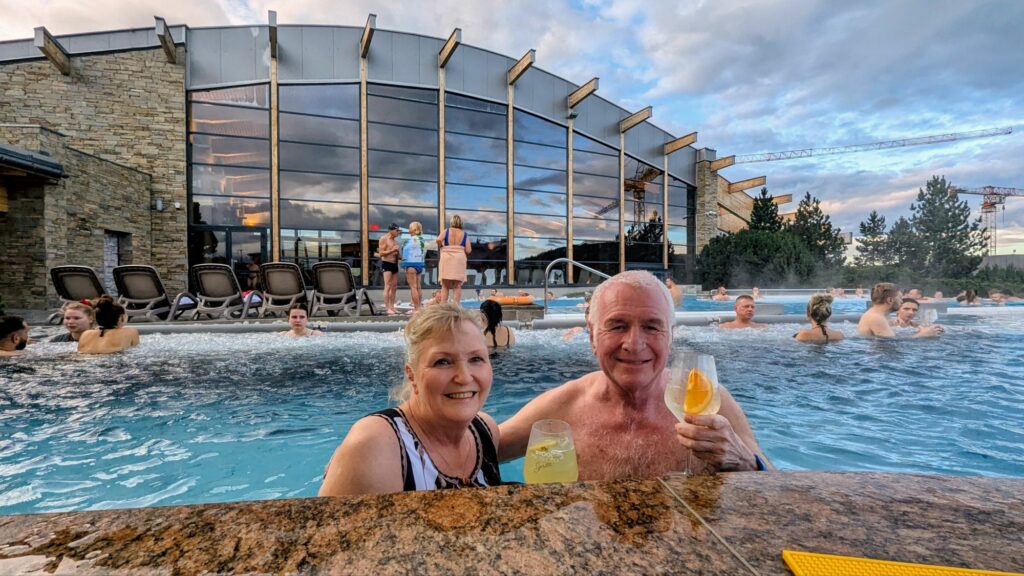
We spend the day on a circular drive that takes us into Slovakia before returning to our accommodation for the night the Bania Hot springs hotel. We finish the day with a dip in the thermal pool and a cocktail from the swim up bar.

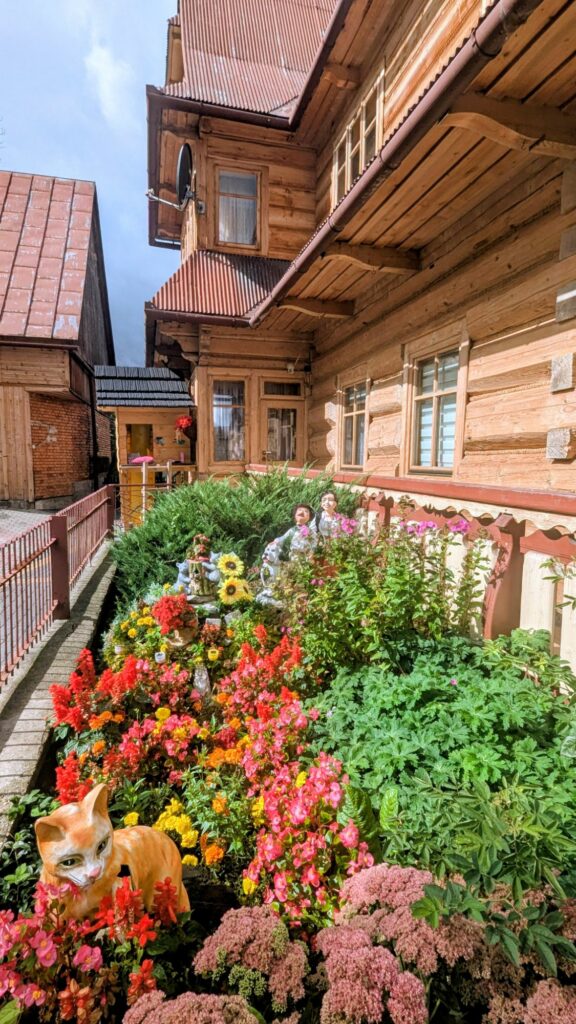
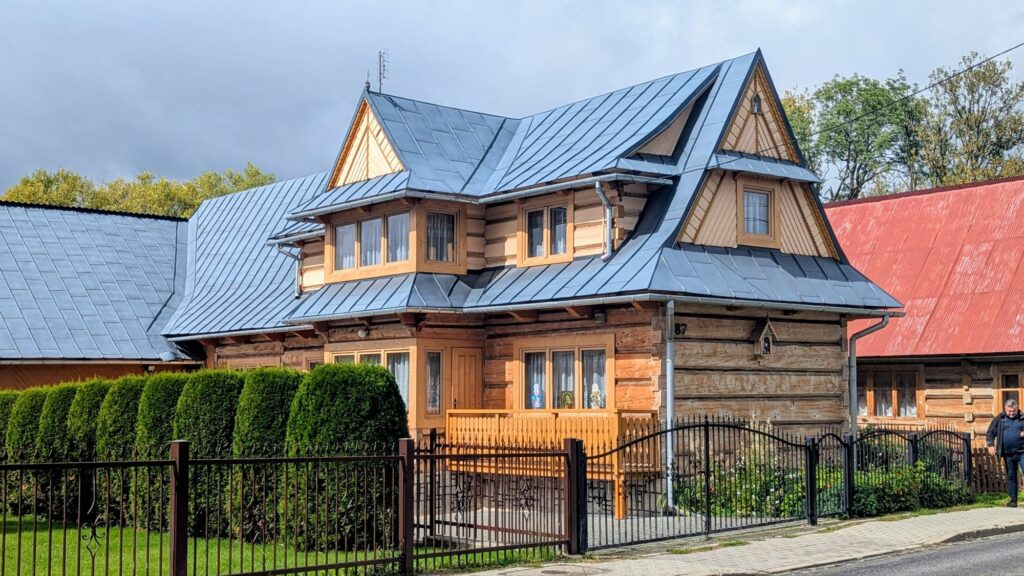
Chocholow village
Categories
Baltics 2025

Final Solution

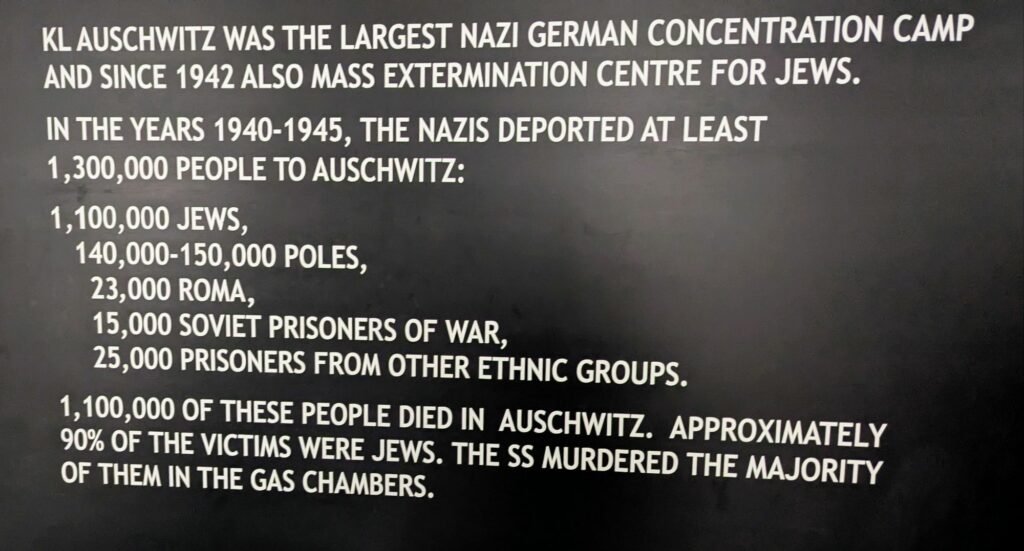
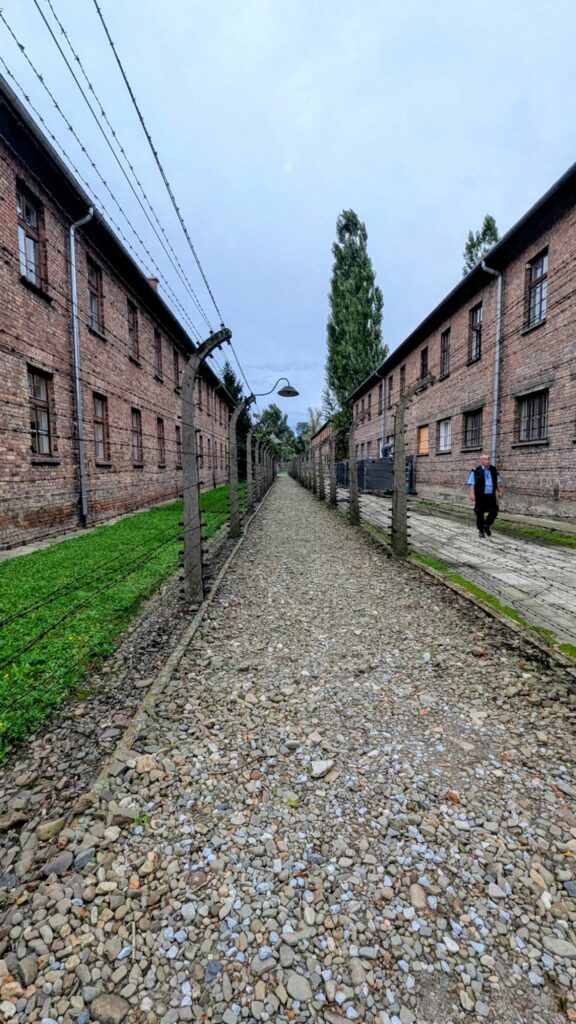
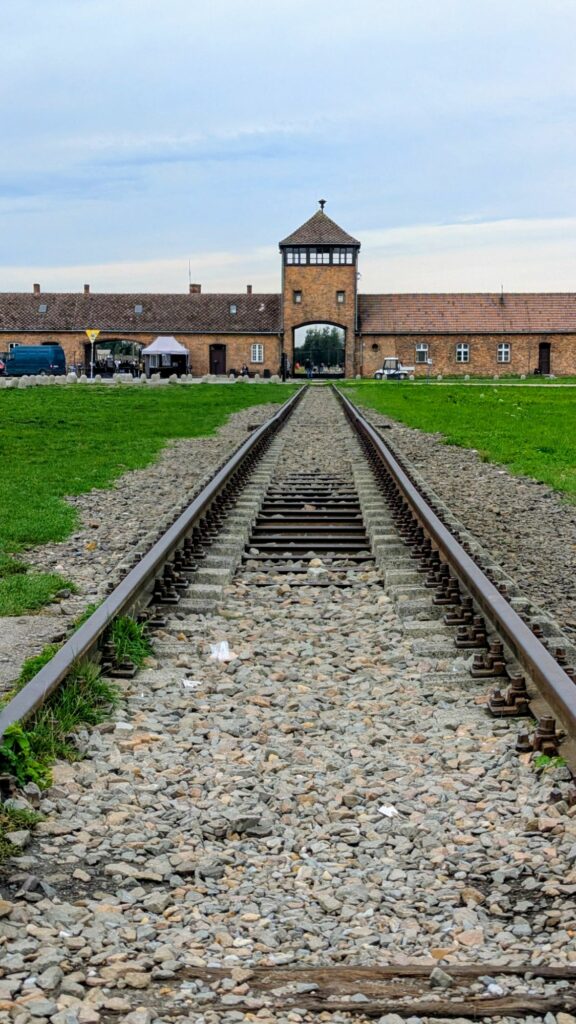
We are walking through the 20th century concrete ramp and tunnel, listening to a haunting roll call of the known victims of the death camp known as Auschwitz over load speakers. It is both sombre and eerie and through our transit we hear only an infinitesimally tiny proportion of the names of the 1.1 million who died at this death camp alone.

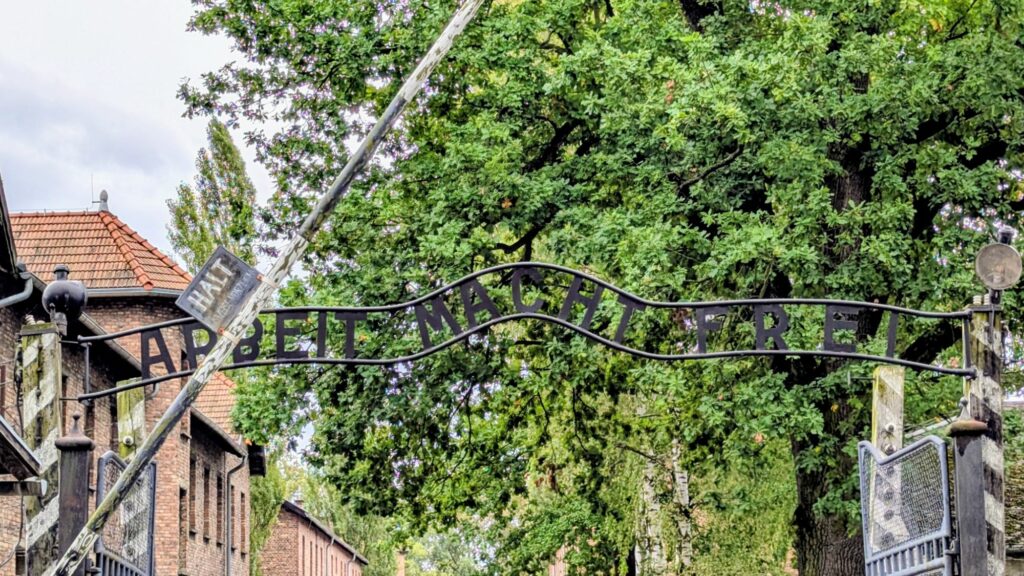
Arriving at the entrance we are confronted with a wrought iron fence with the same inscription as we saw in Dachau “Arbeit Macht Frei” which translates as “work sets you free”

In January 1943 at a conference just outside Berlin the then militarily rampant Nazi leadership of Germany devised a plan to implement Butler’s long held desire to exterminate the Jews. Having labelled them an inferior race, even before WW2 German Jews were treated to harassment and abuse by German authorities. The conference devised a plan to kill over 11 million  European Jews and labelled it the “Final Solution”

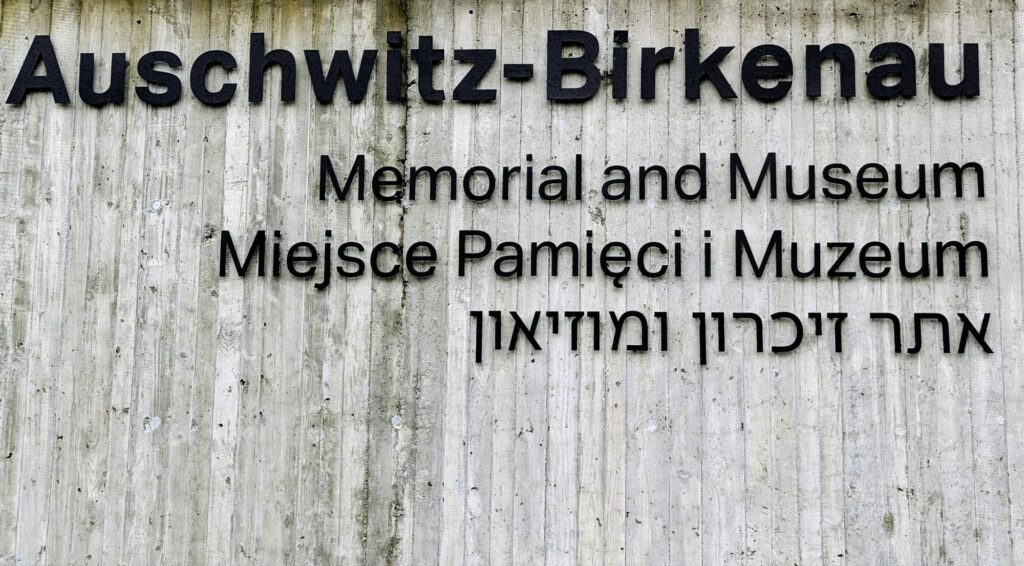
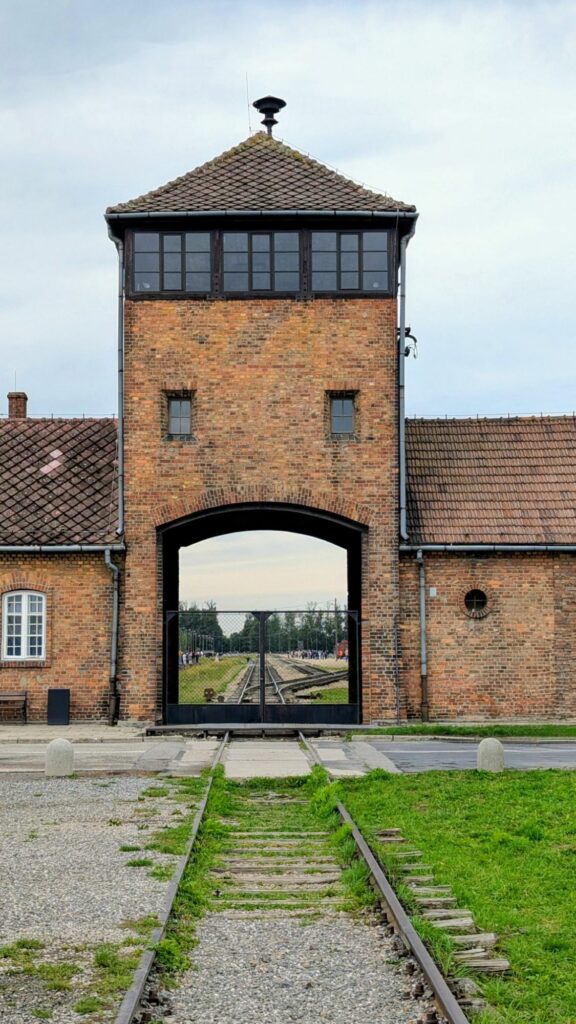
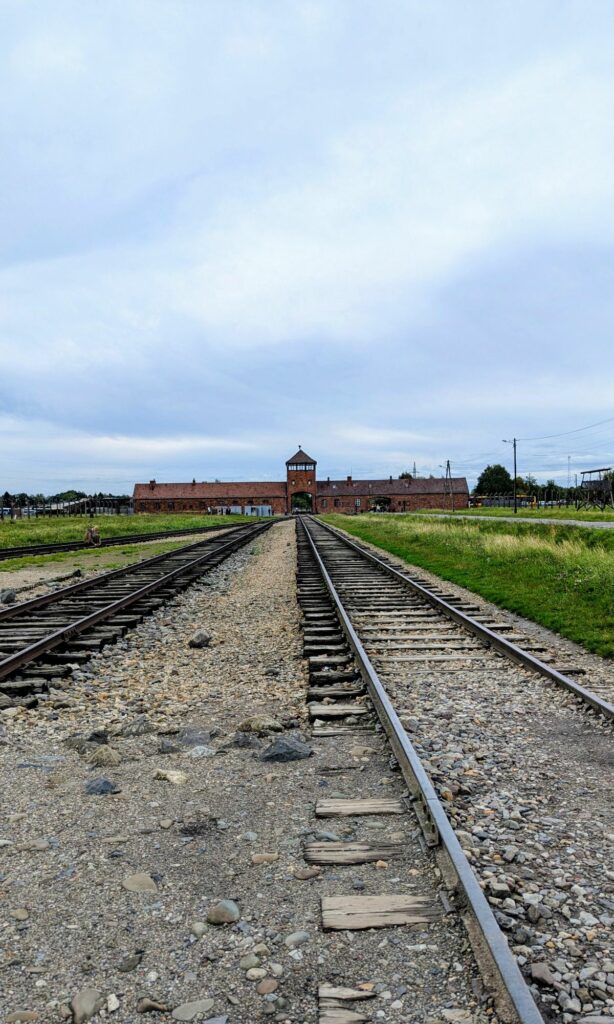
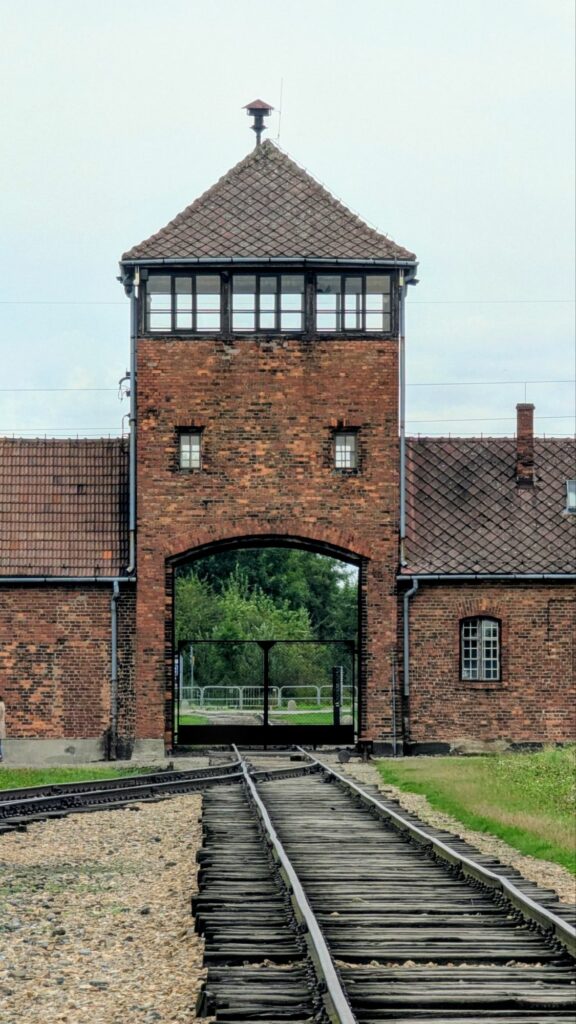
At the core of their plan was the development of 6 death camps in the now devastated and out of the way nation of Poland also home to 3.5 million Jews the highest Jewish population of any European country. The largest camp was the Auschwitz Birkenau complex beautifully preserved as a monument to those who suffered and died in horrific circumstances there.

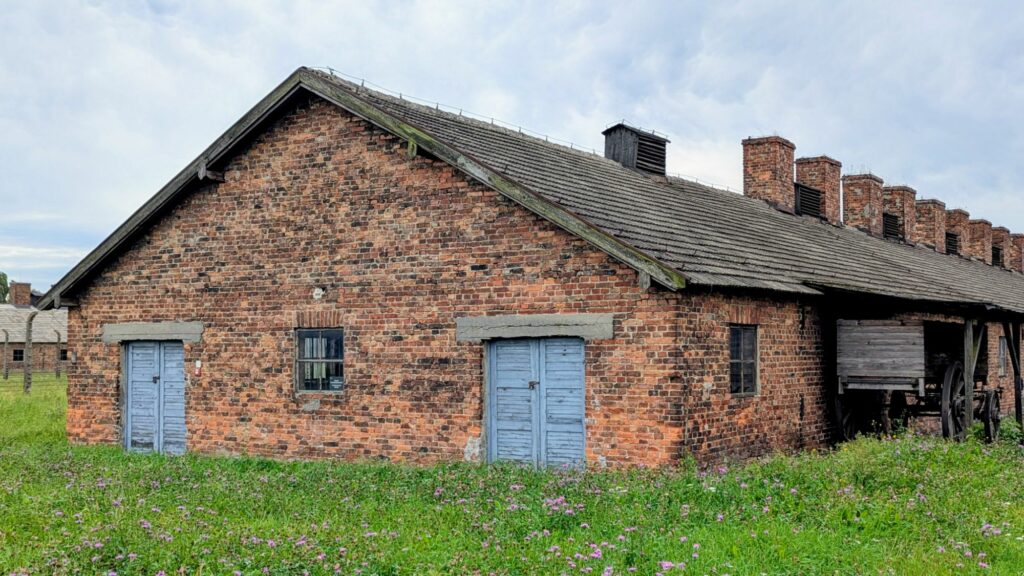
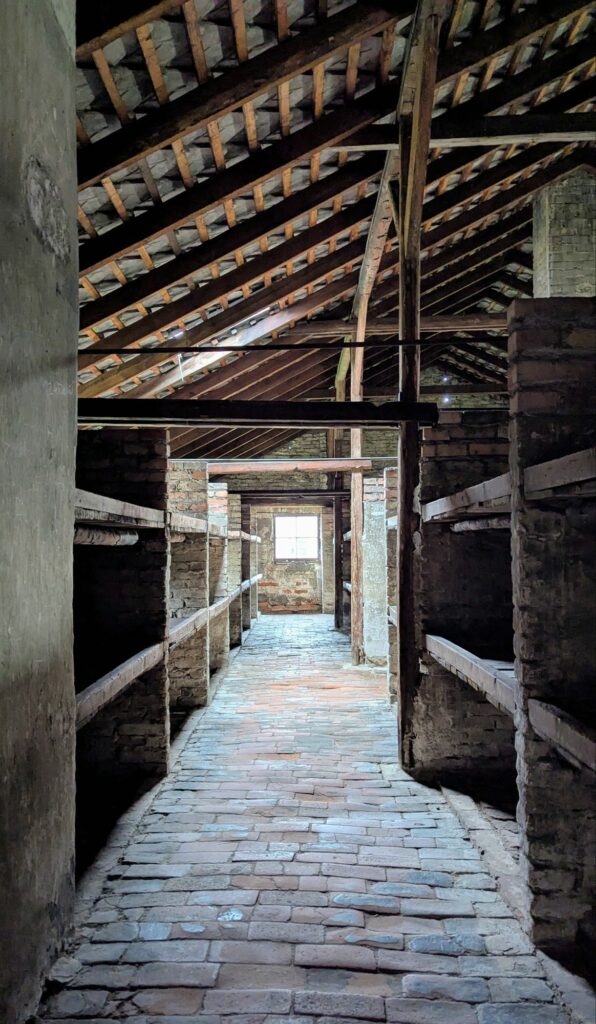
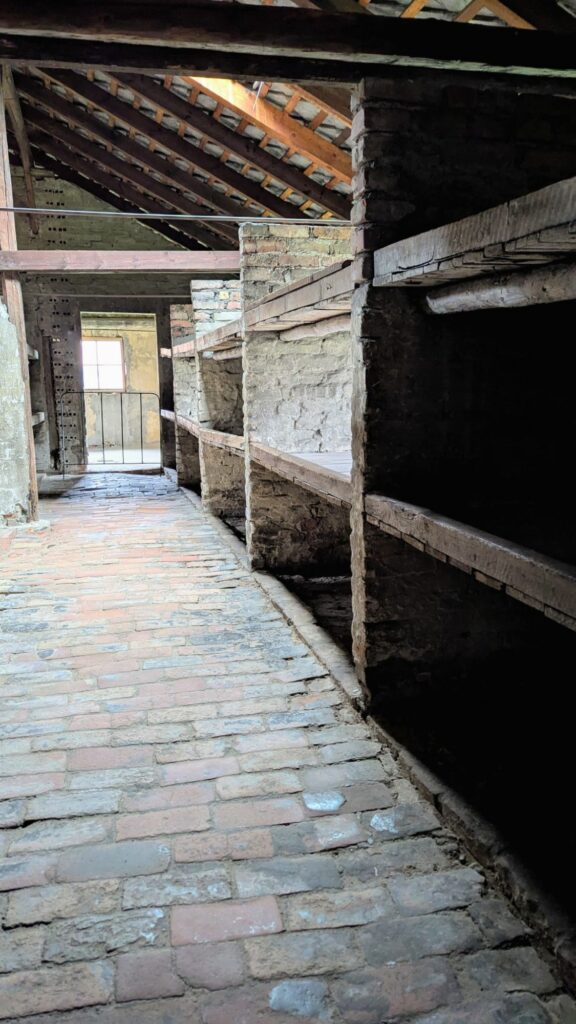
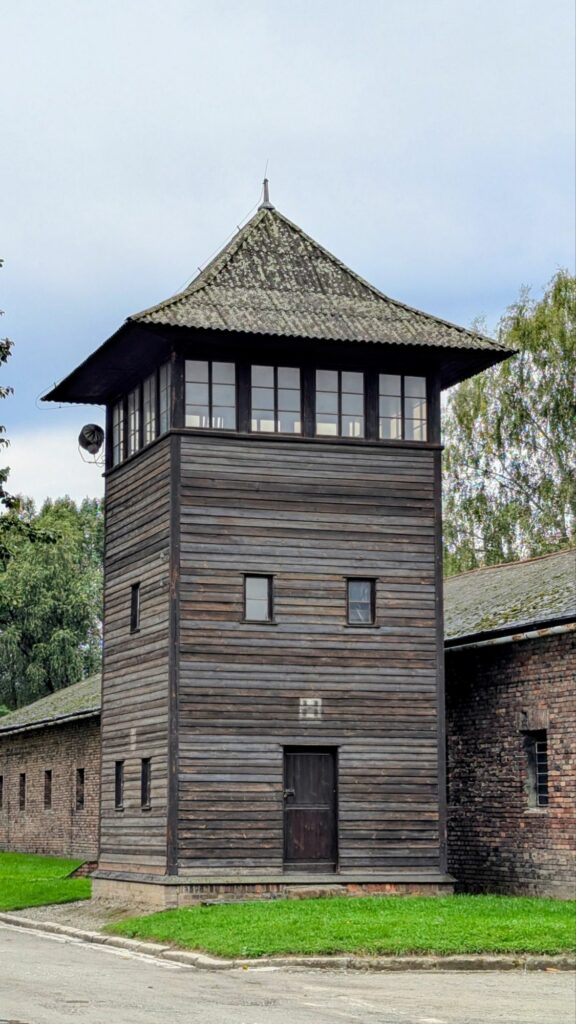
Camp barracks
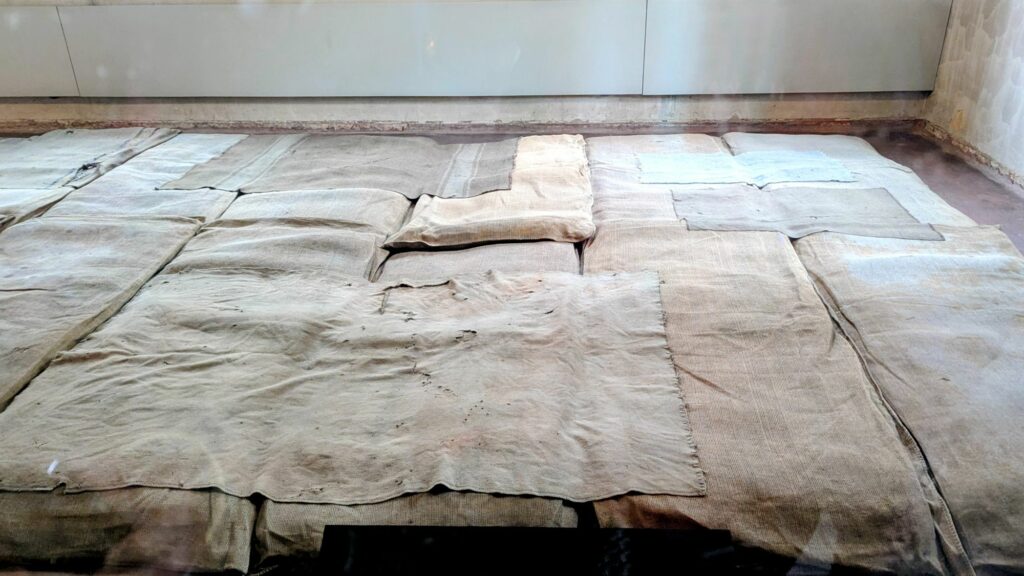
Variety of bedding, typically two were forced on any single bunk.

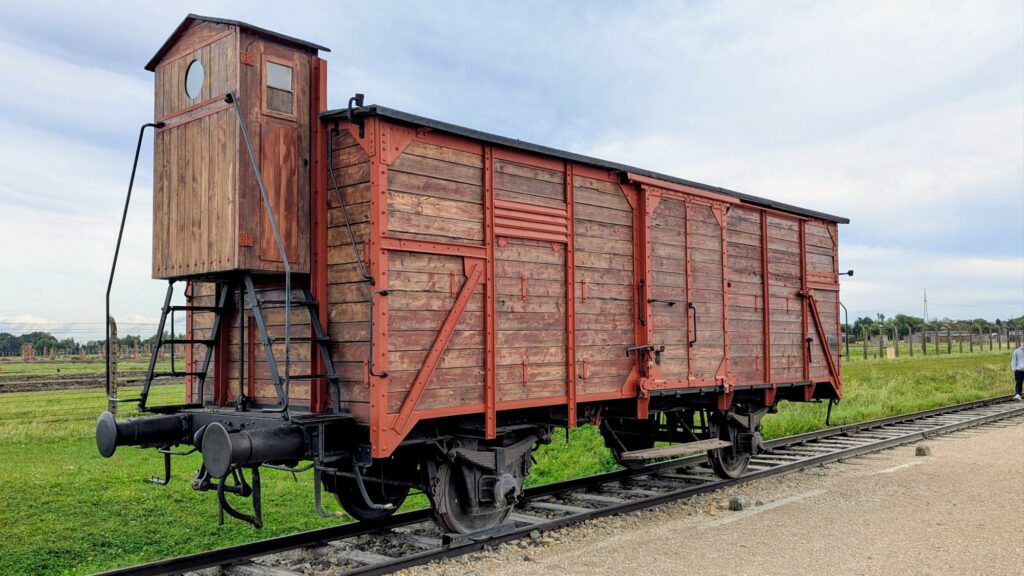
The plan involved arresting and herding Jews from all over Europe onto overcrowded wooden train carriages in worse conditions than animals. They often endured many days before the train pulled up right in Birkenau.

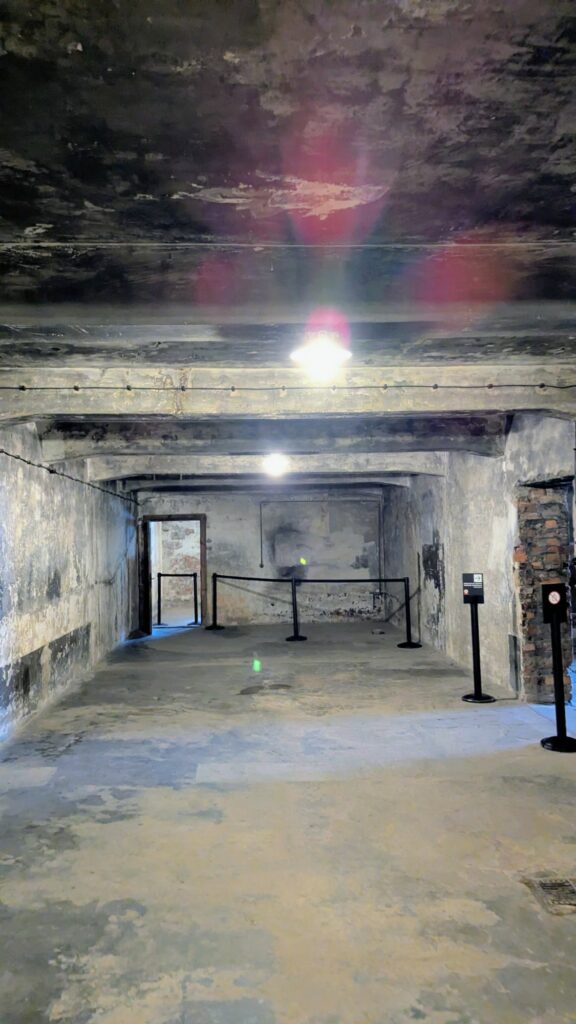
Gas chamber
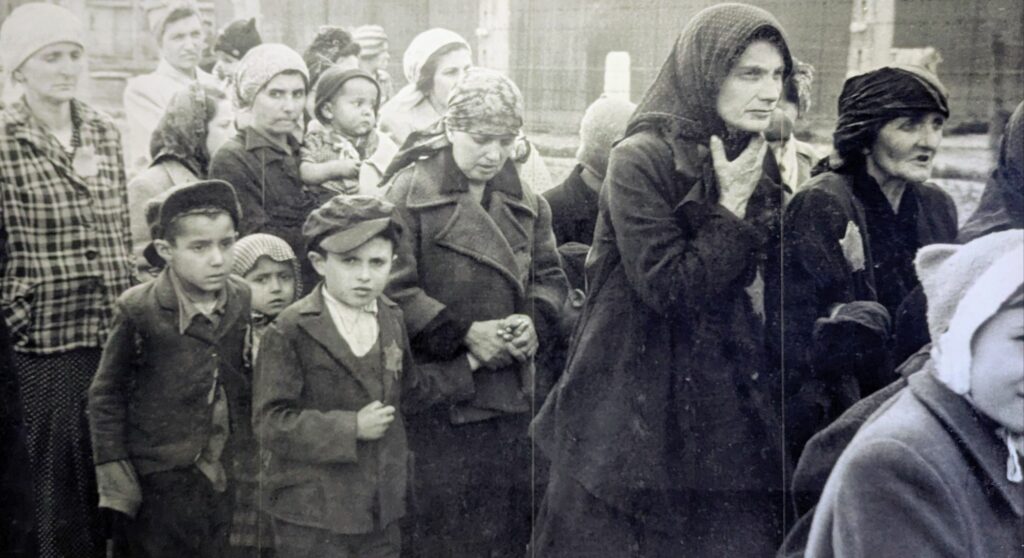
Photo of Hungarian Jews unbeknown to them walking to their death in the gas chambers

Allowed out carriage by carriage I can imagine their short lived feelings of happiness breathing fresh air exposed to daylight and being able to stretch out again. All of their belongings were confiscated. They were rapidly assessed by a doctor and separated in a process designated “the selection”. On one side stronger able bodied men and women who were processed stripped shaved and sent to barracks to work. Most of these were dead within a couple of months from starvation. On the other side women, children, elderly and infirmed who were told to march in a different direction. If they asked they were told they were going off to have a shower. Within a couple of hours they were dead from hydrogen cyanide gas poisoning in the gas chambers.

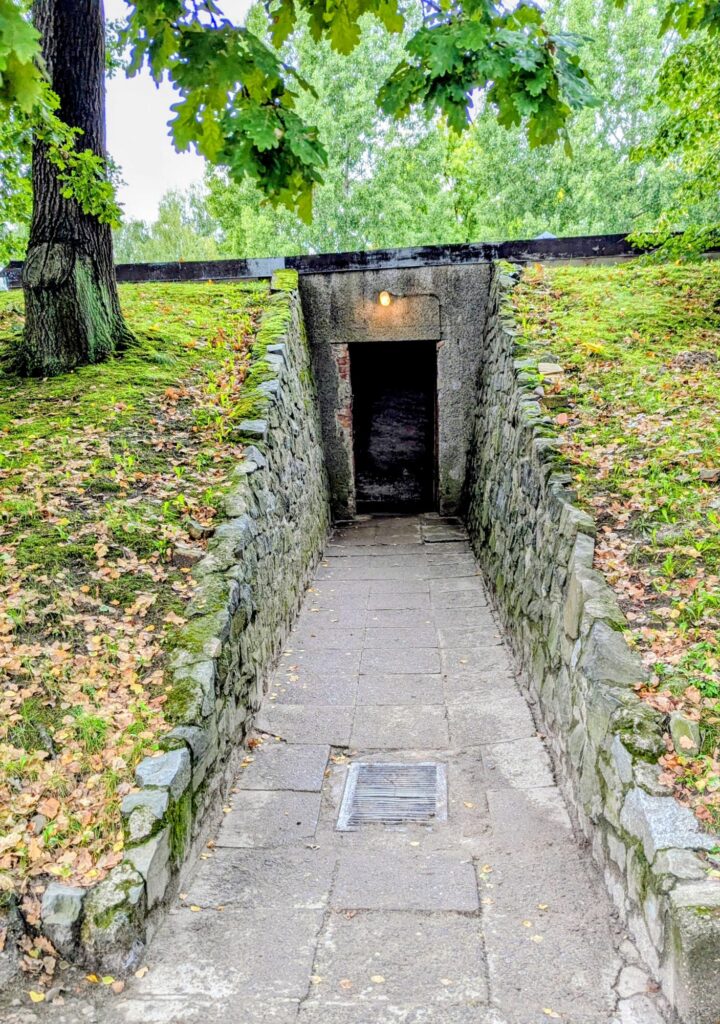
Entrance to the one surviving gas chamber here in Auschwitz
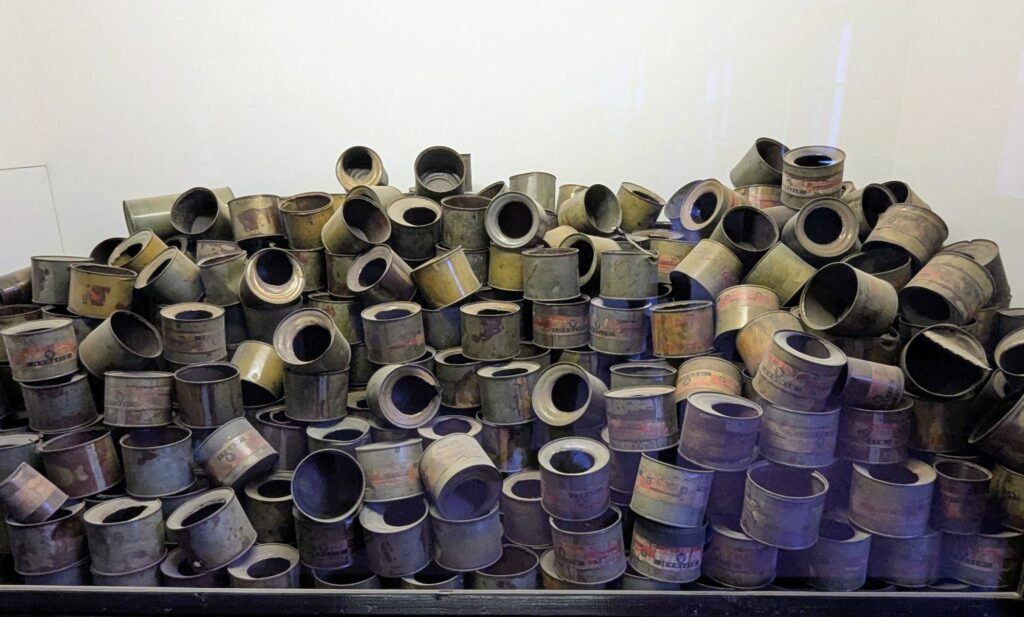
Cyanide gas canisters
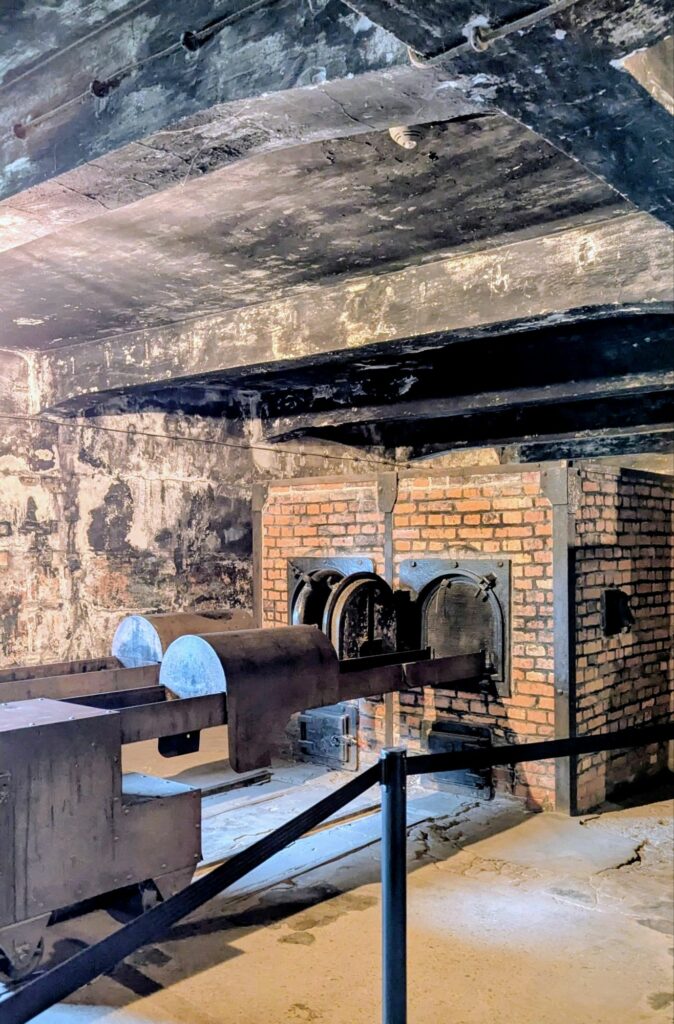
Crematorium

Even after death the depravity did not cease. Anything on their body that could be taken was including women’s hair and gold fillings. The bodies were cremated and the ashes spread indiscriminately as fertiliser.

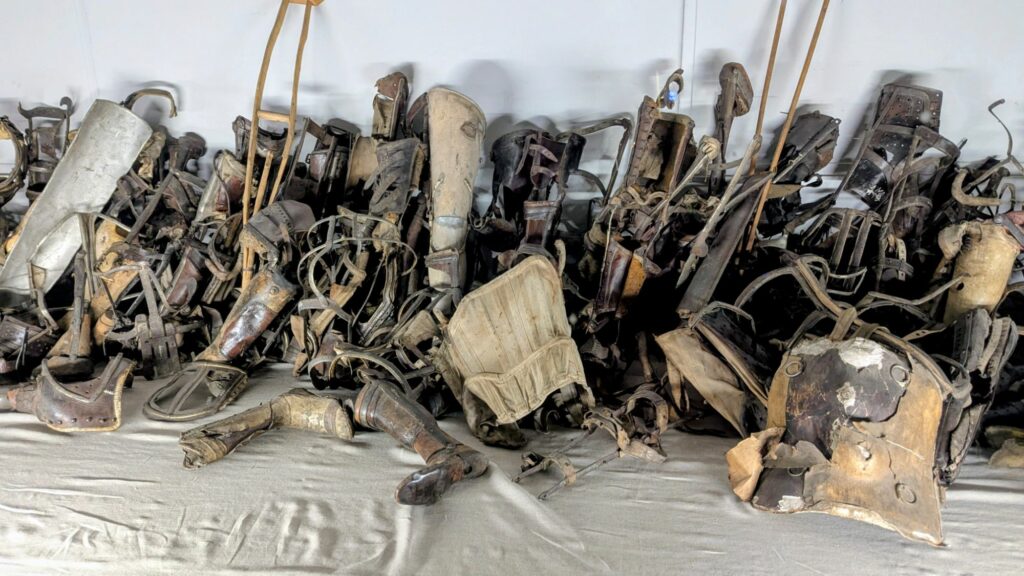
Confiscated prostheses
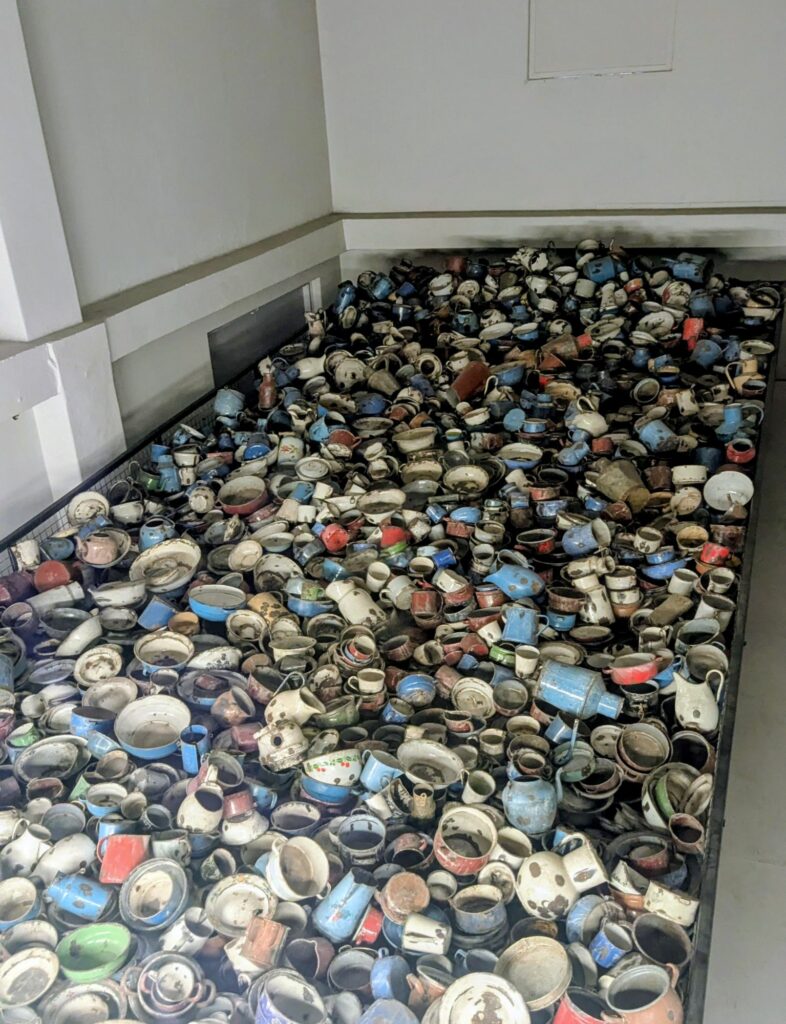
Confiscated kitchenware
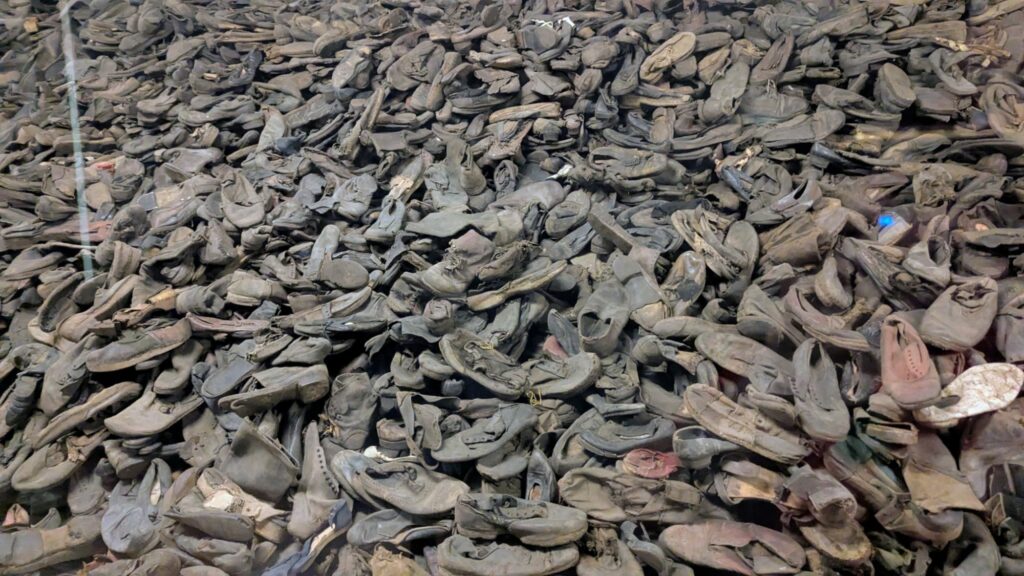
A veritable mountain of confiscated shoes

The horrific and tragic stories here once again make my eyes well up. Again and again what strikes me most is that it was ordinary people who actually carried out this evil plan. SS officers here were certainly acting on orders but at work they killed all day long and literally went offsite to the village built for them and their families who were allowed to accompany them and must have been loving husbands and fathers. How can anyone live such a dichotomy?

Categories
Baltics 2025

Krakow

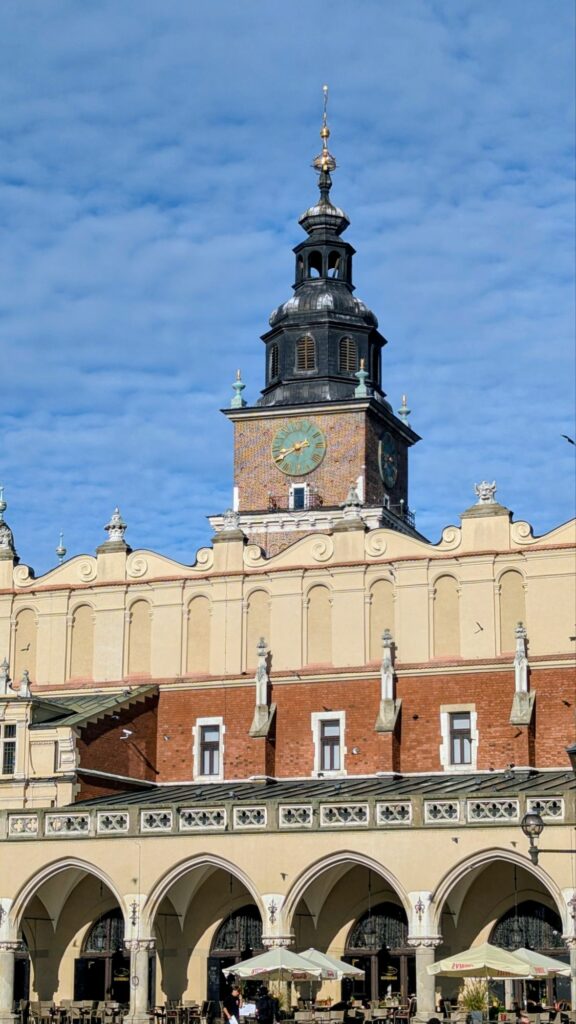
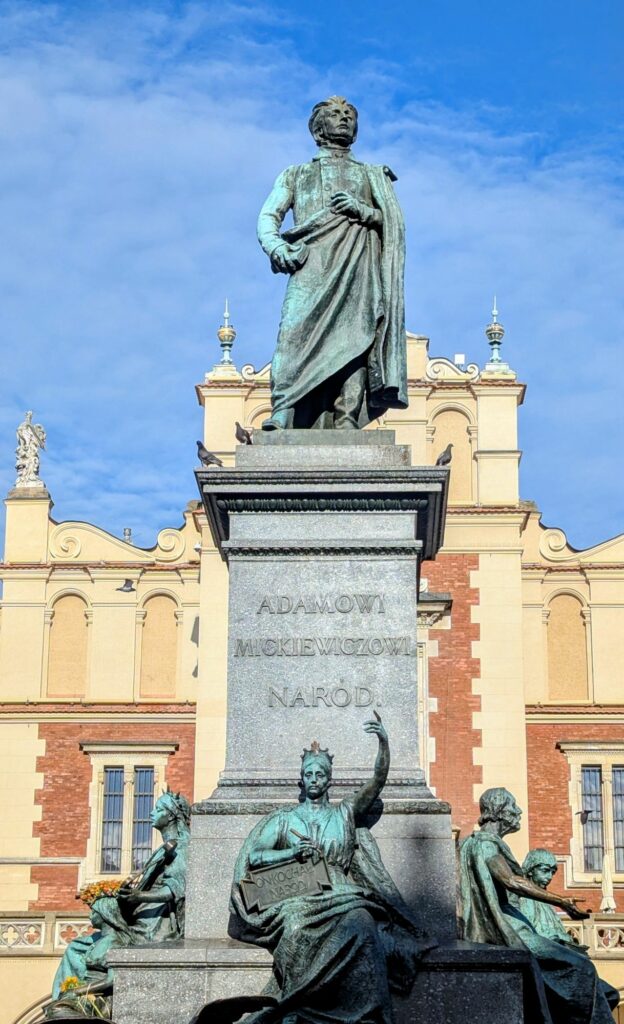
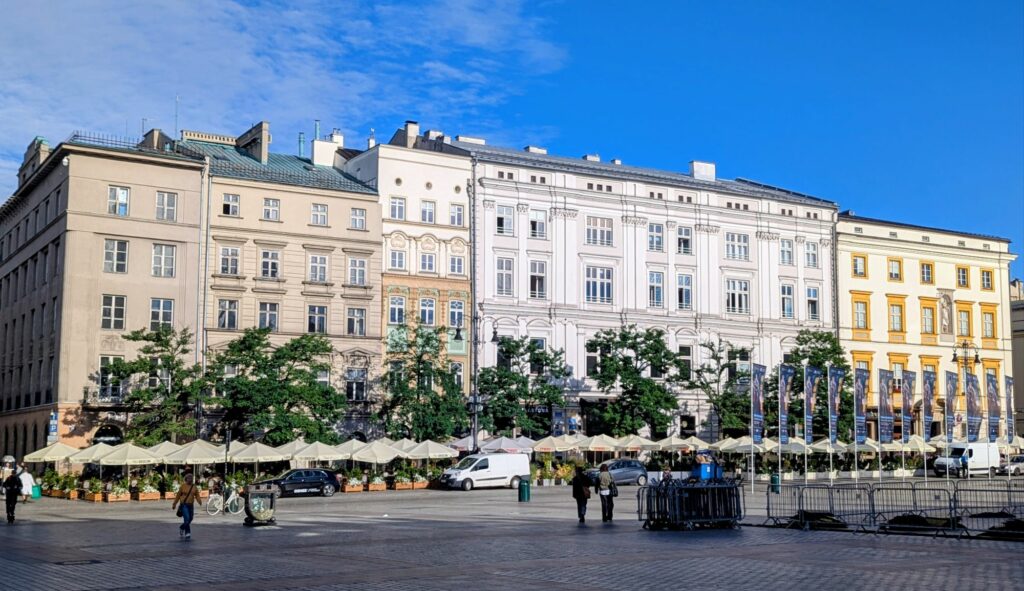
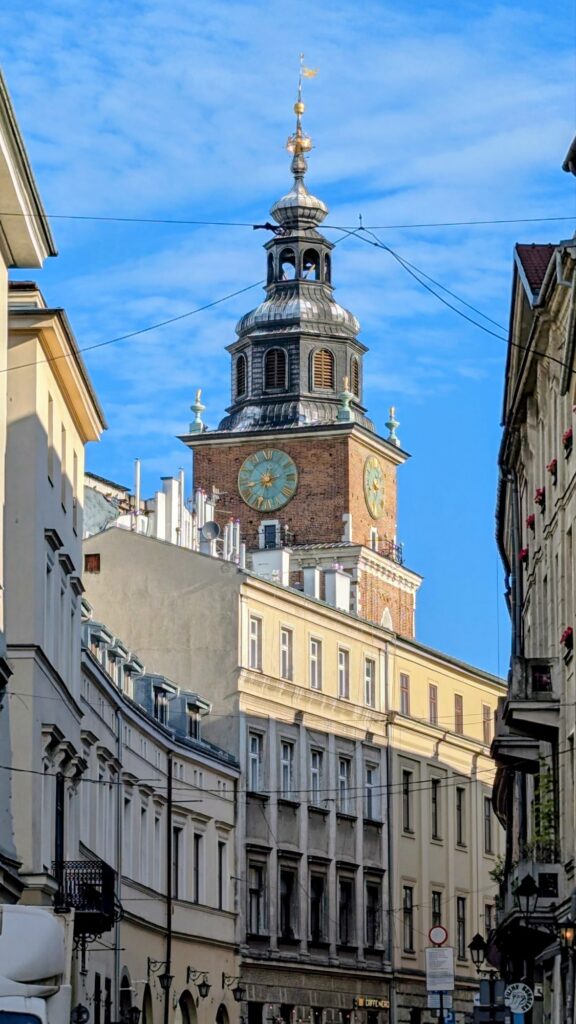
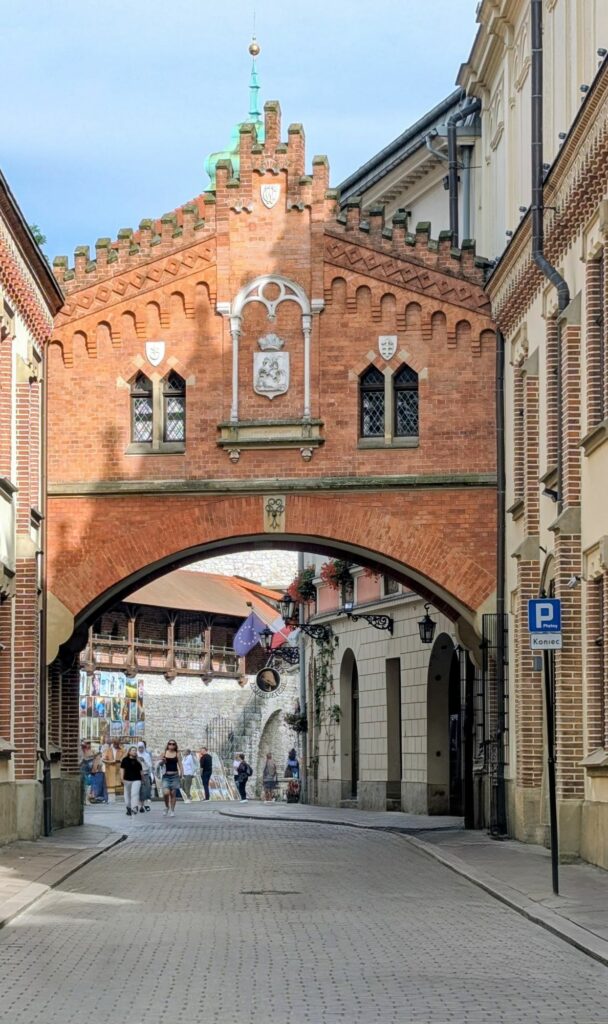
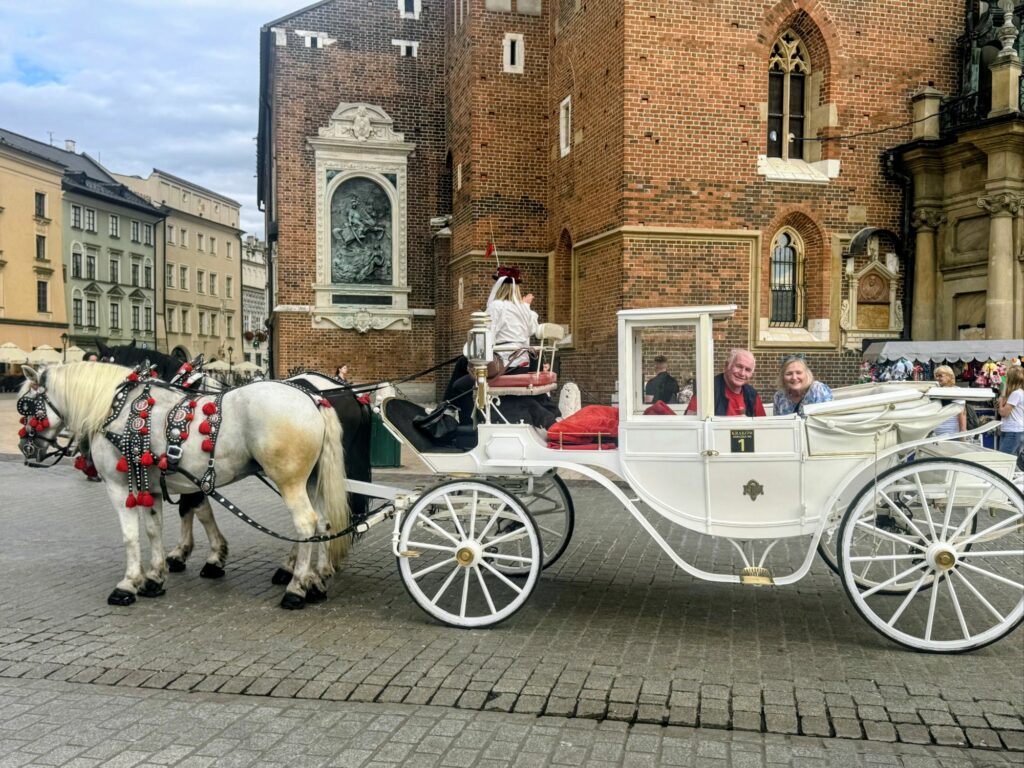
The second city of Poland was the capital and royal seat of power until 1795. Unlike Warsaw it remained relatively unscathed after WW2. This is a beautiful city with a picture perfect old town that makes it a superb place to spend some time and step back in time. This is a touristic jewel!

Enjoy the photos

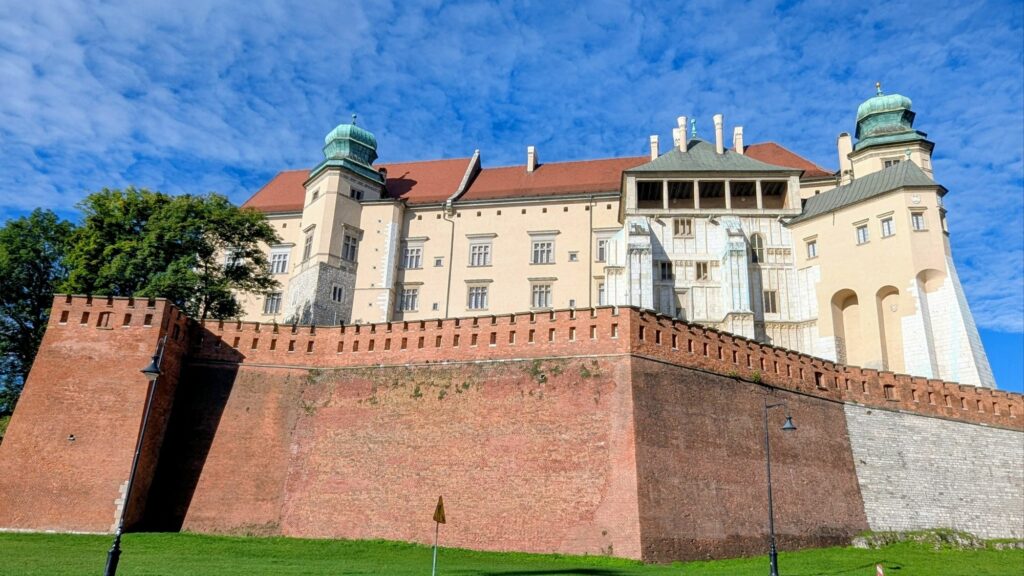
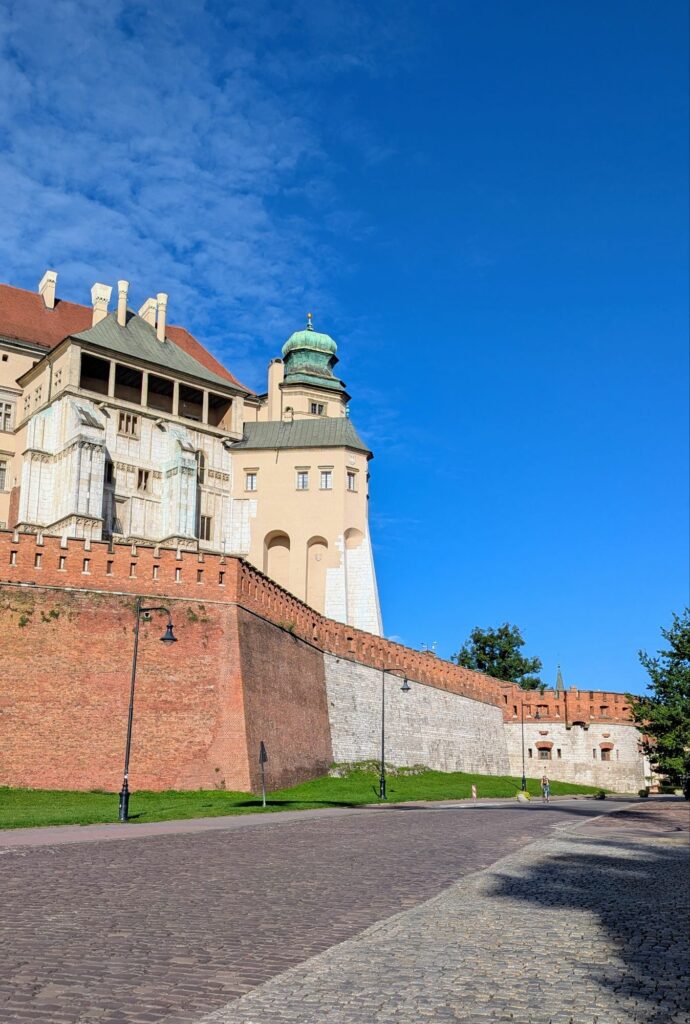
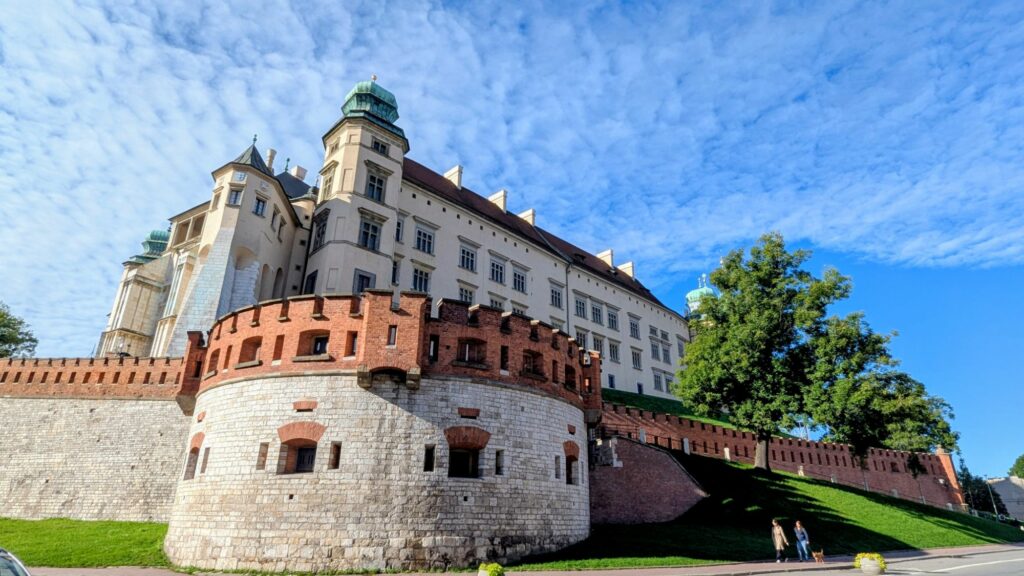
Wawel castle
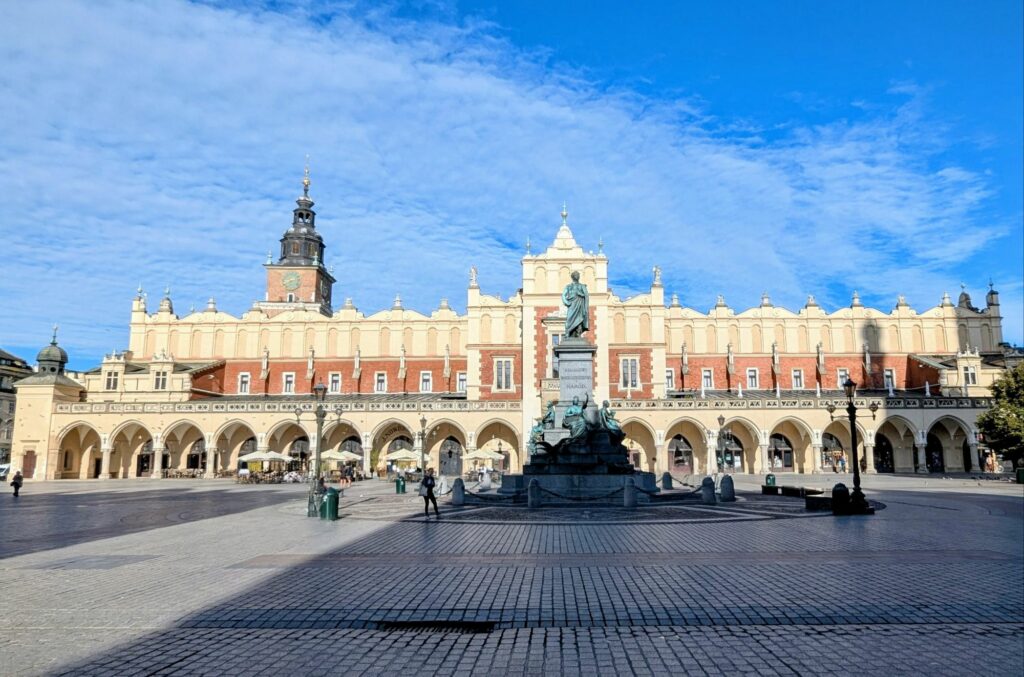
Cloth Hall
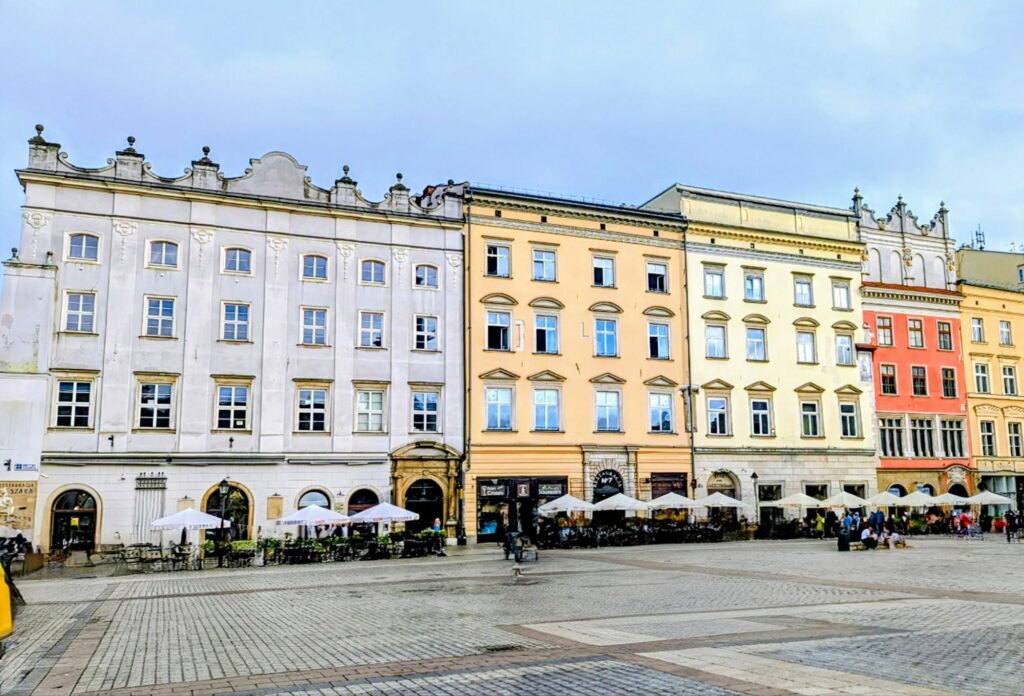
Market square
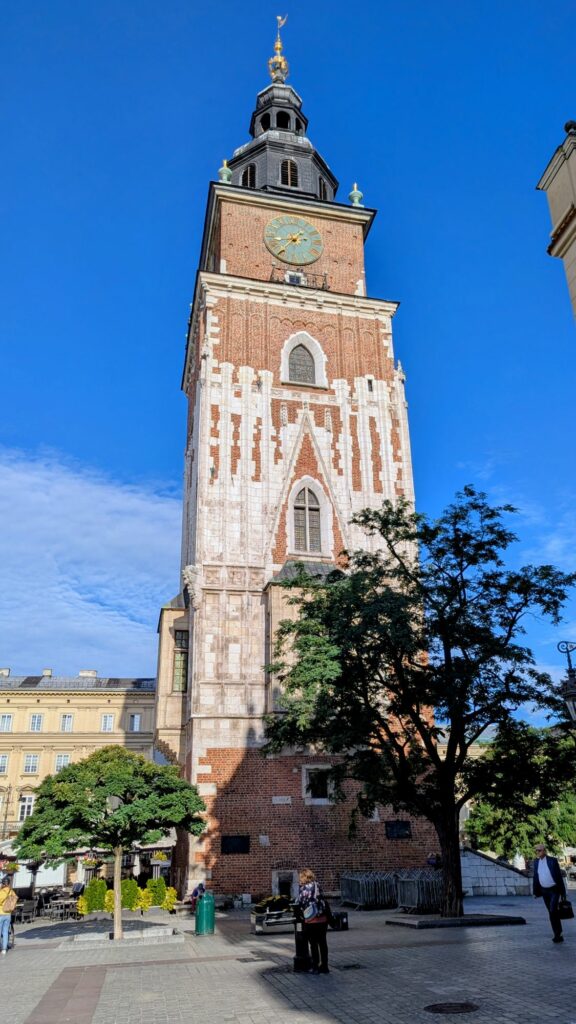
Towel Hall tower
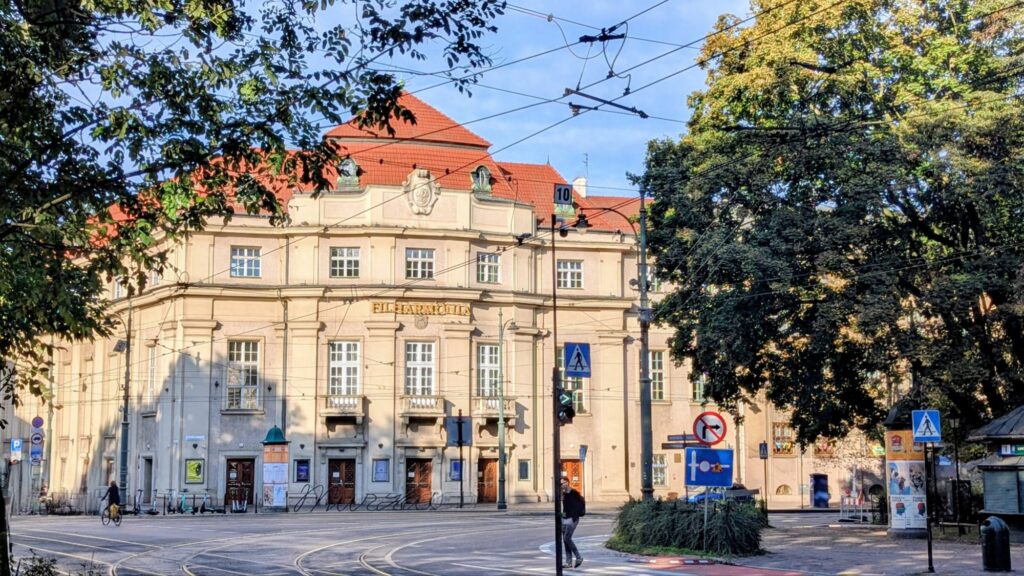
Philharmonic
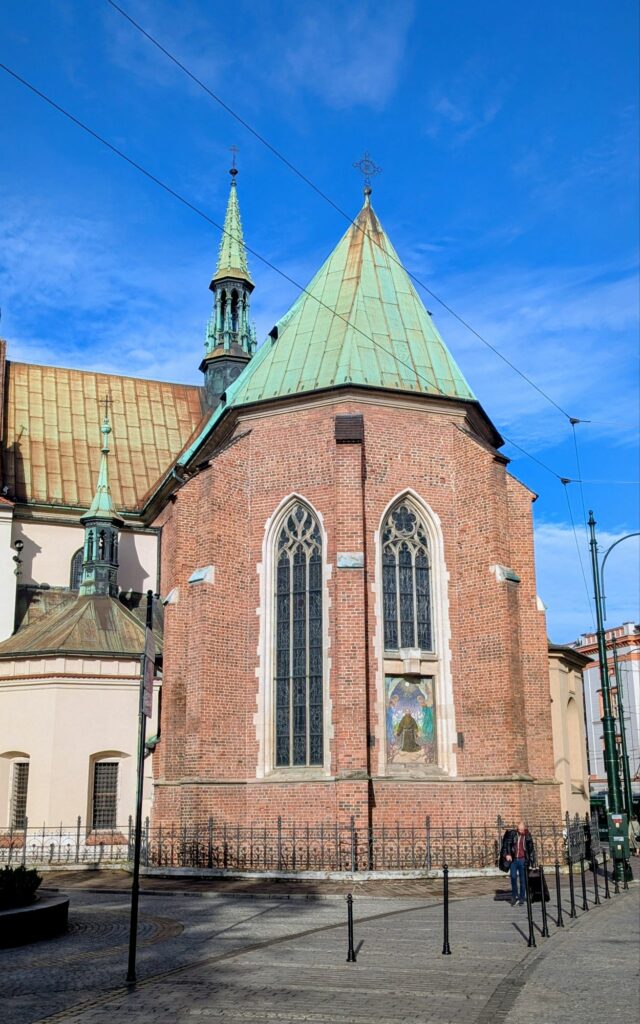
St Francis church
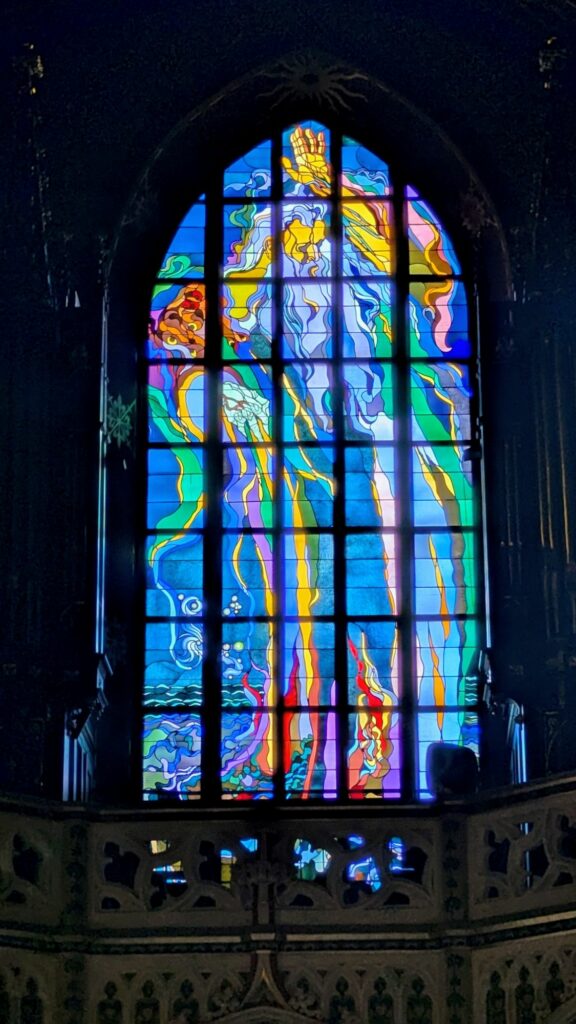
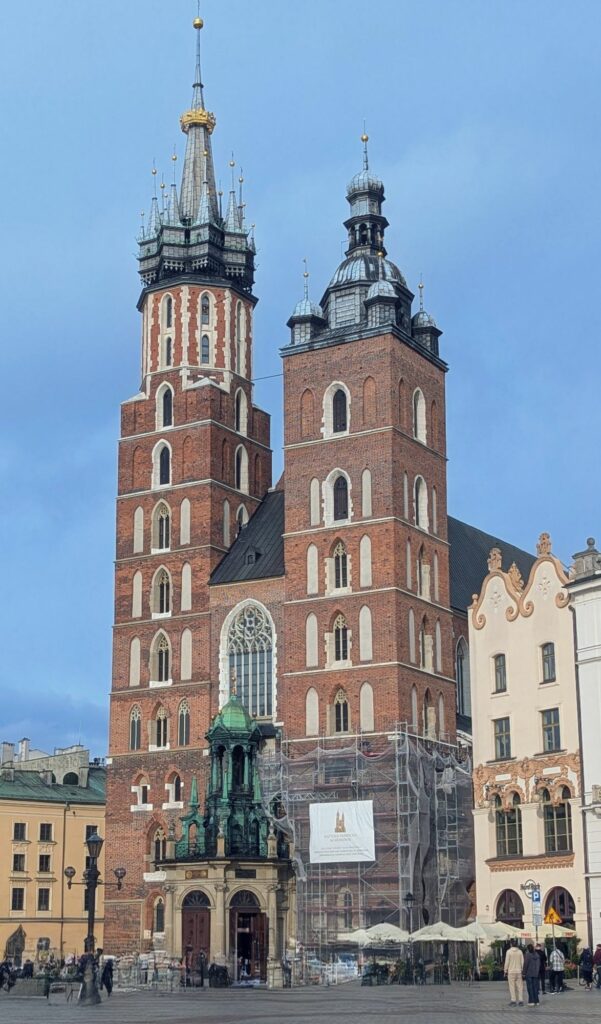
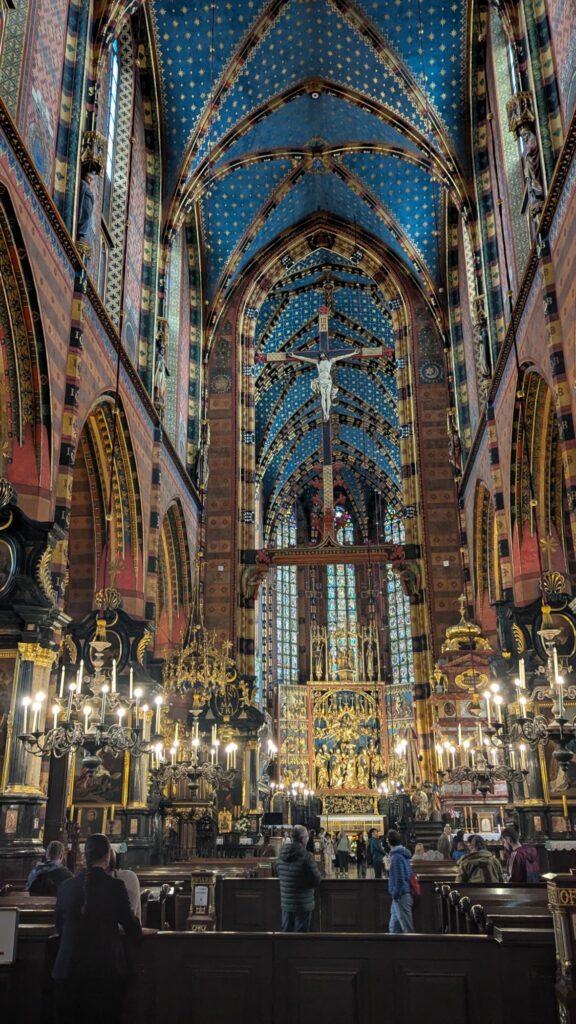
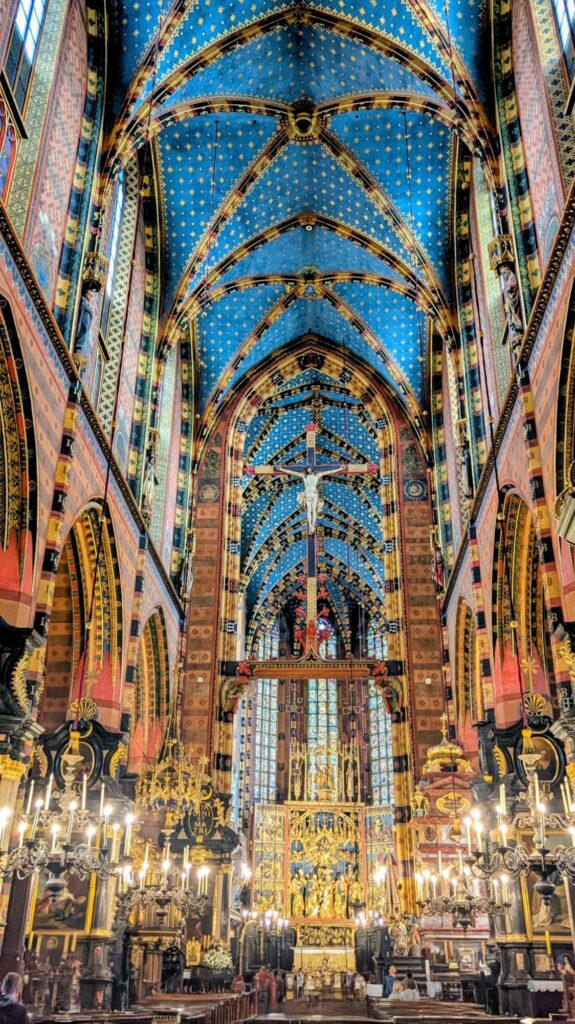
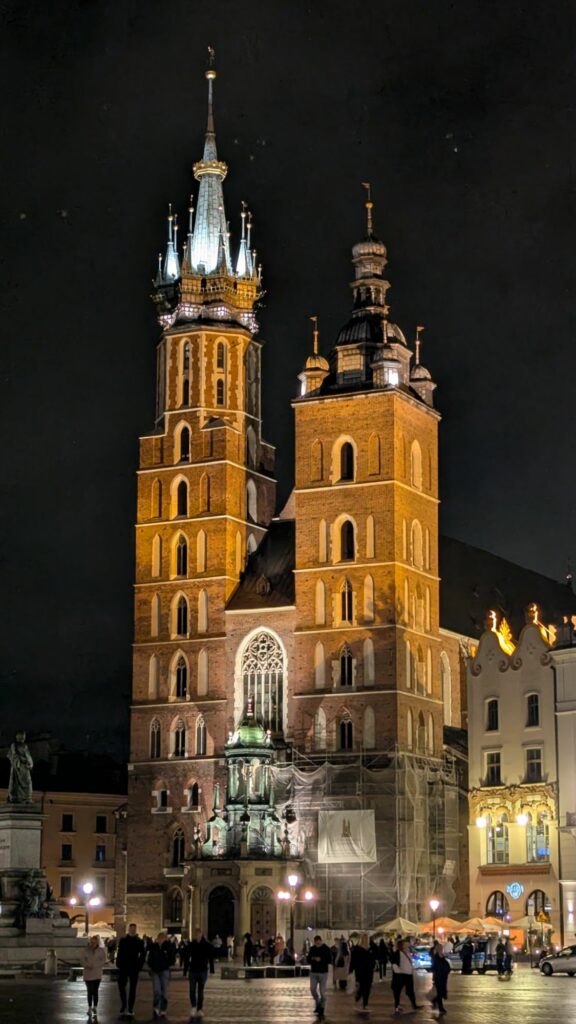
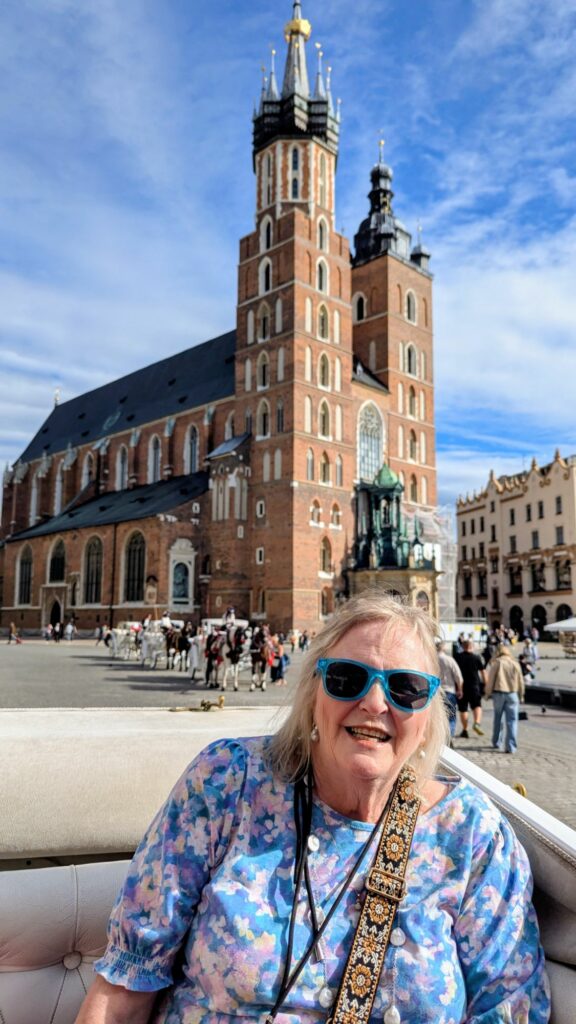
St Mary’s cathedral
Market square
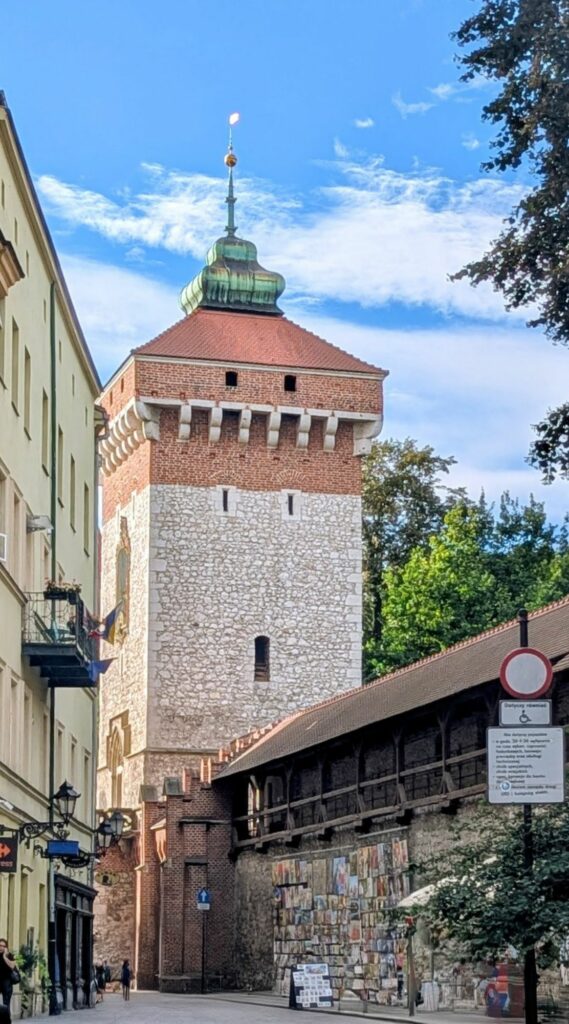
Florian Gate
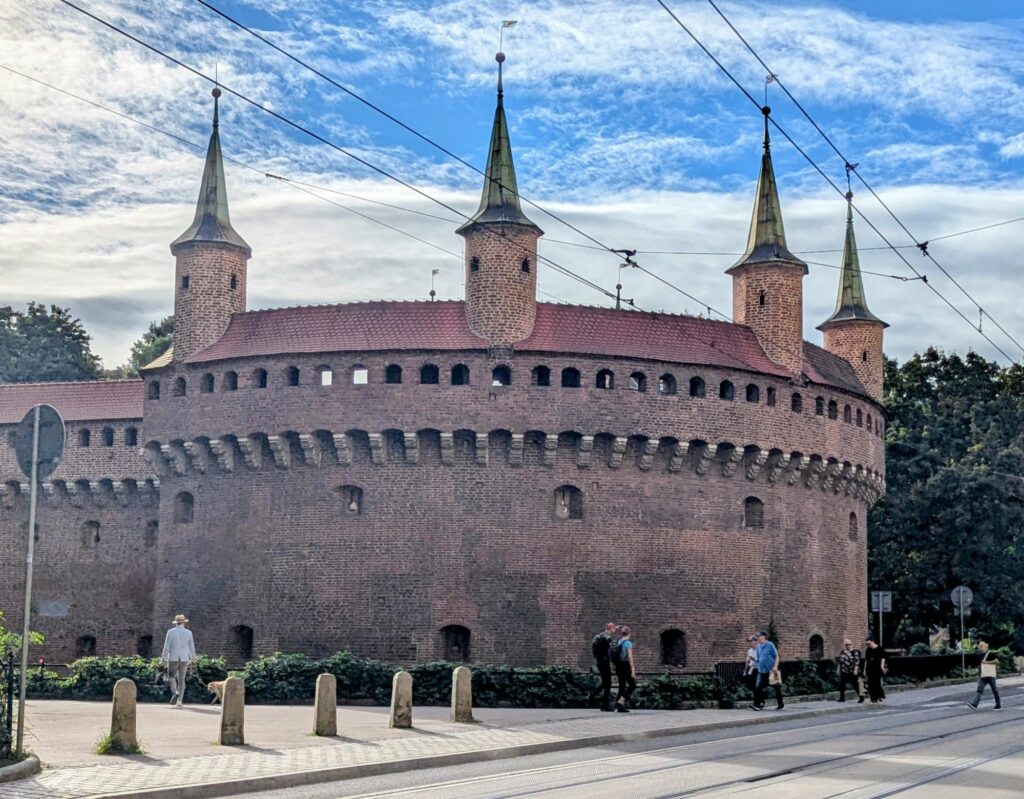
Barbican
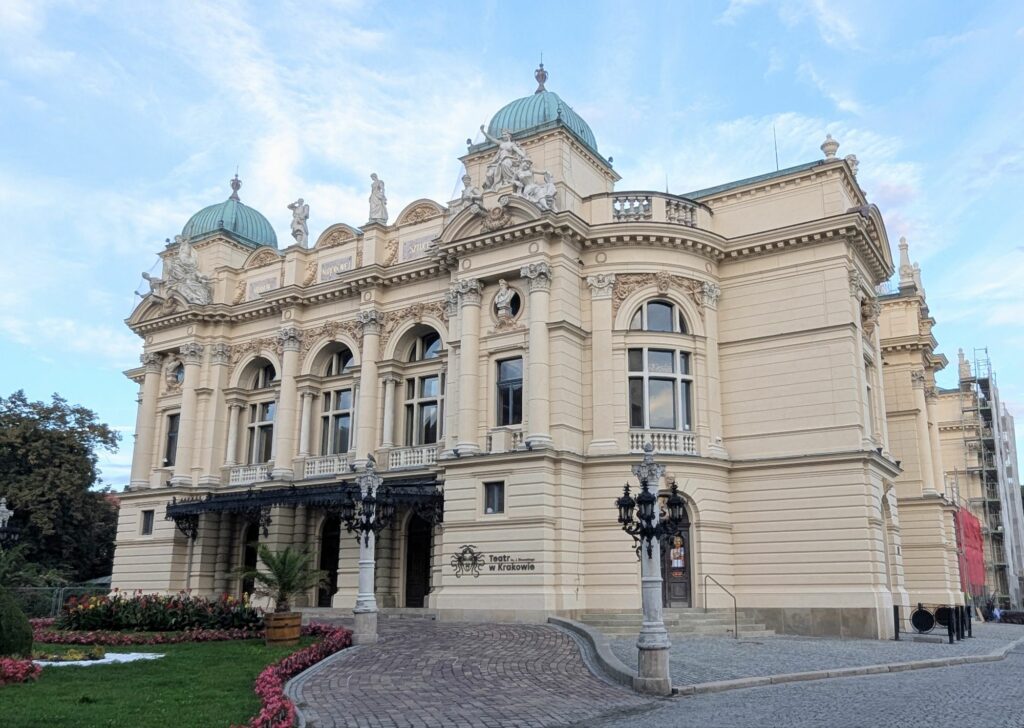
Opera theatre

Cathedral of Holy Eucharist in Jewish quarter

Categories
Baltics 2025

Salt of the earth

Prior to the age of refrigeration salt was a precious commodity. Not only is it a seasoning it was important to preserve meat and fish. In fact the word salary derives from the Latin word for salt.

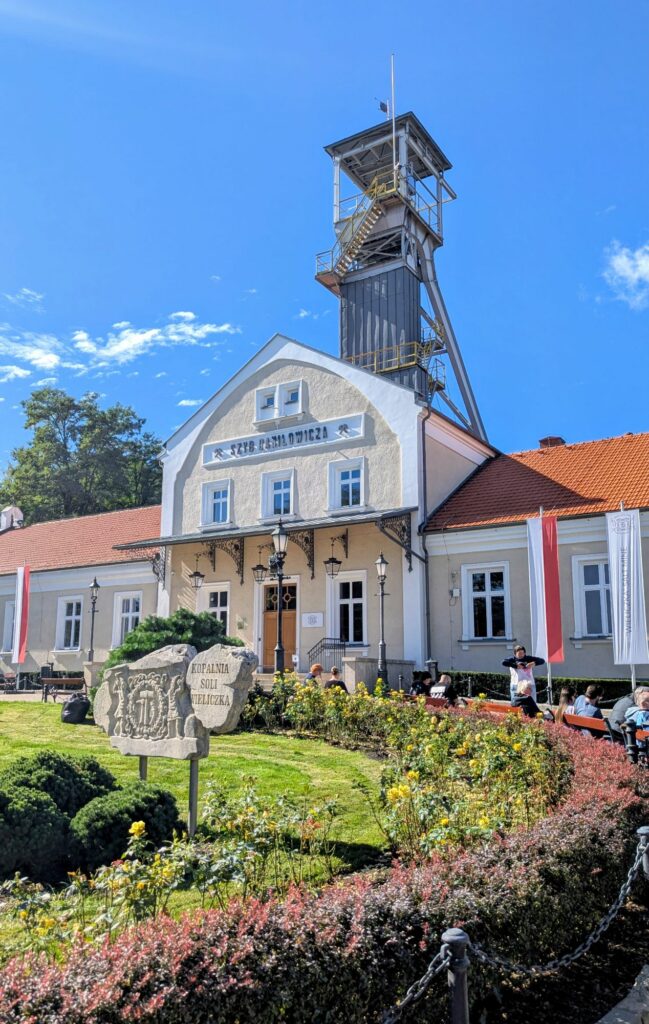
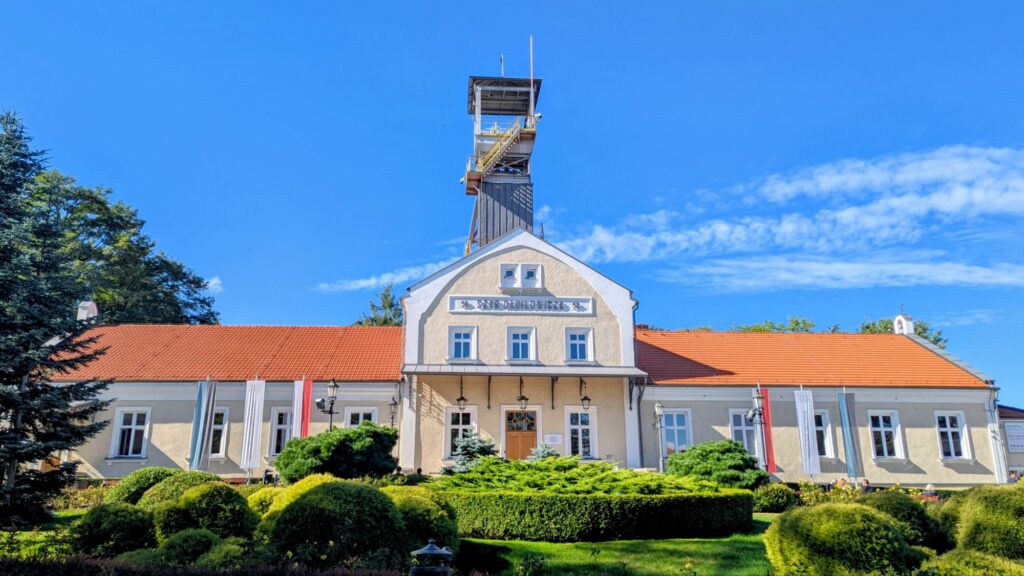
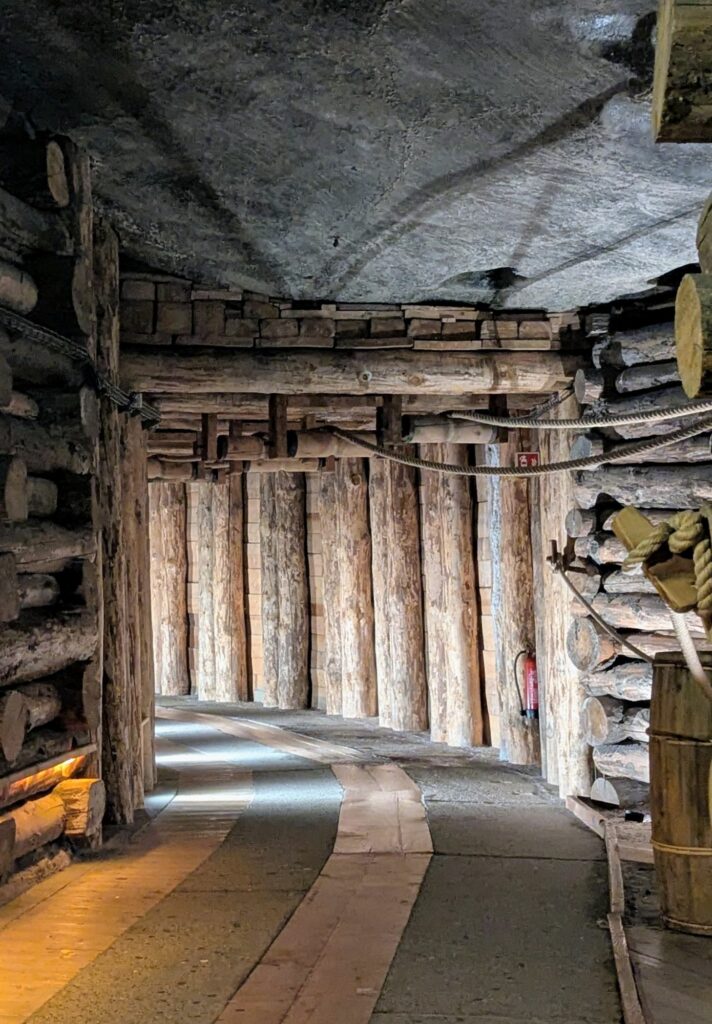
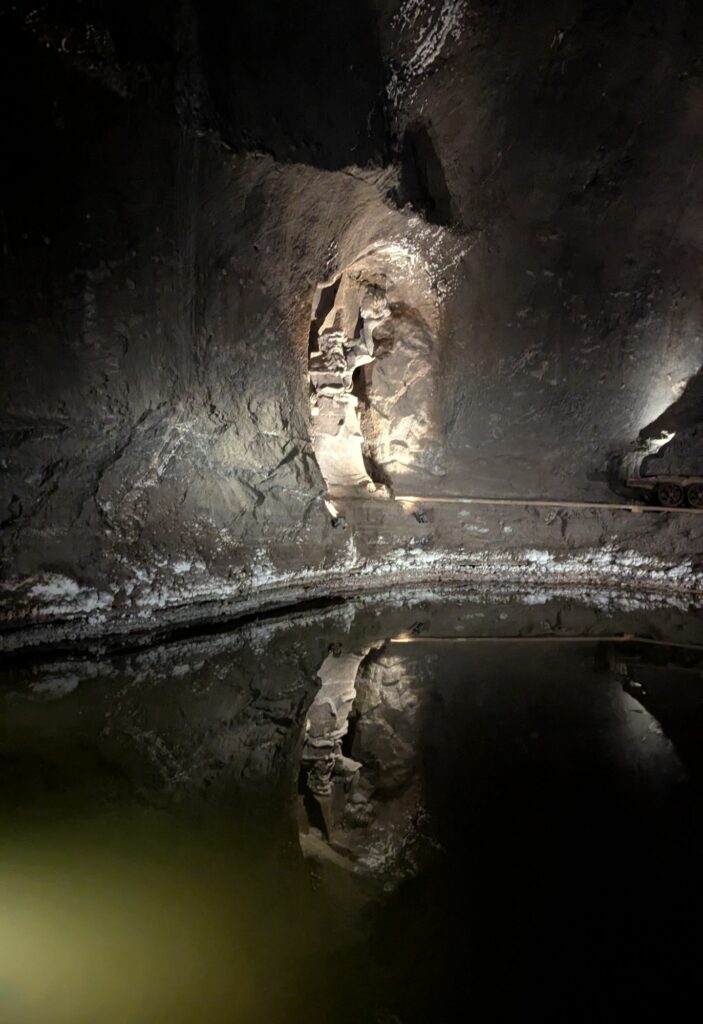
Just outside of Krakow, the Wieliczka Salt mine started in the 13th century. Last extraction was in 1996. Since then the site has been added to the UNESCO World Heritage List and it has become an historical monument which attracts over 1 million visitors a year.

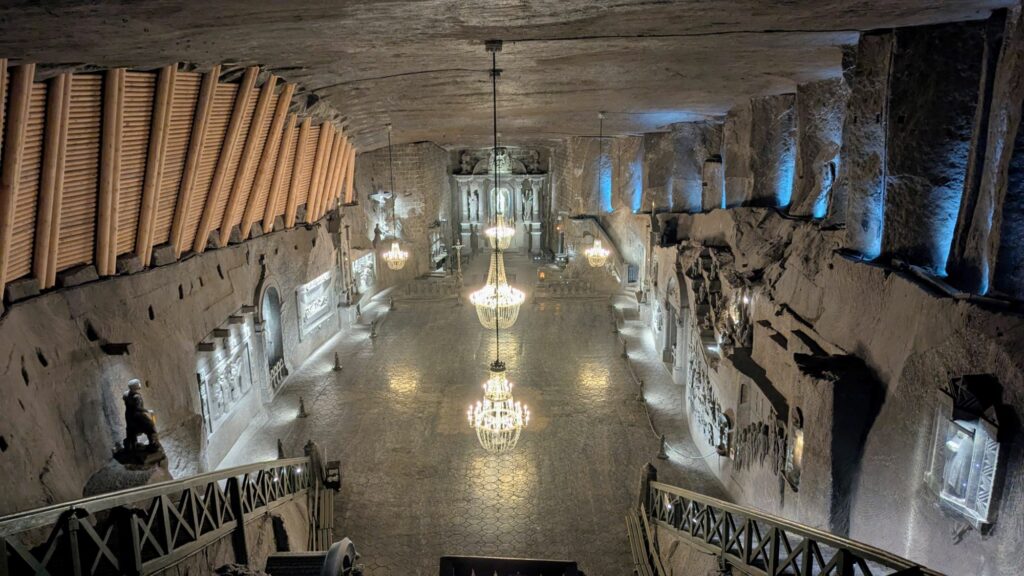
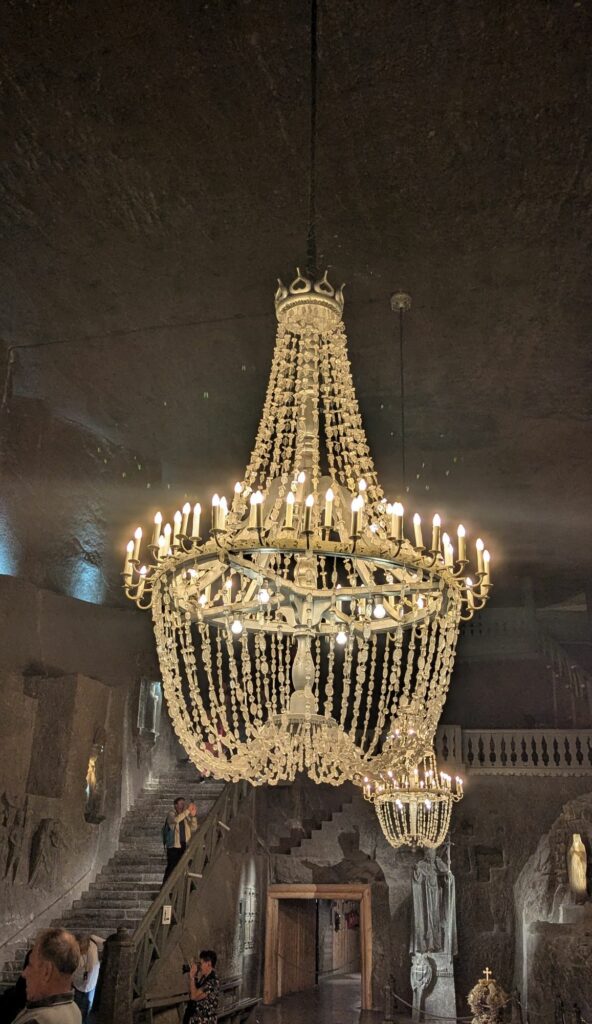
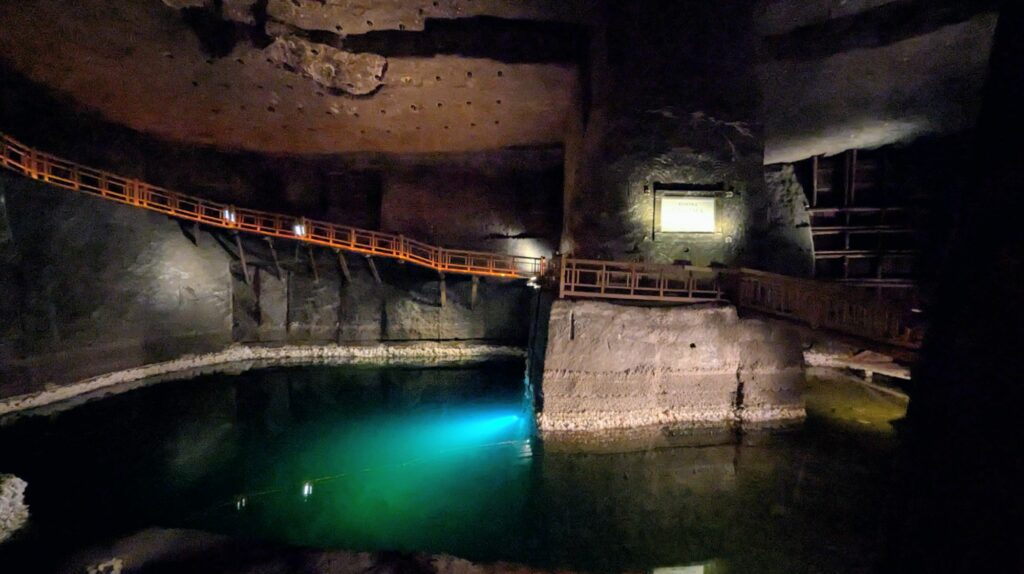
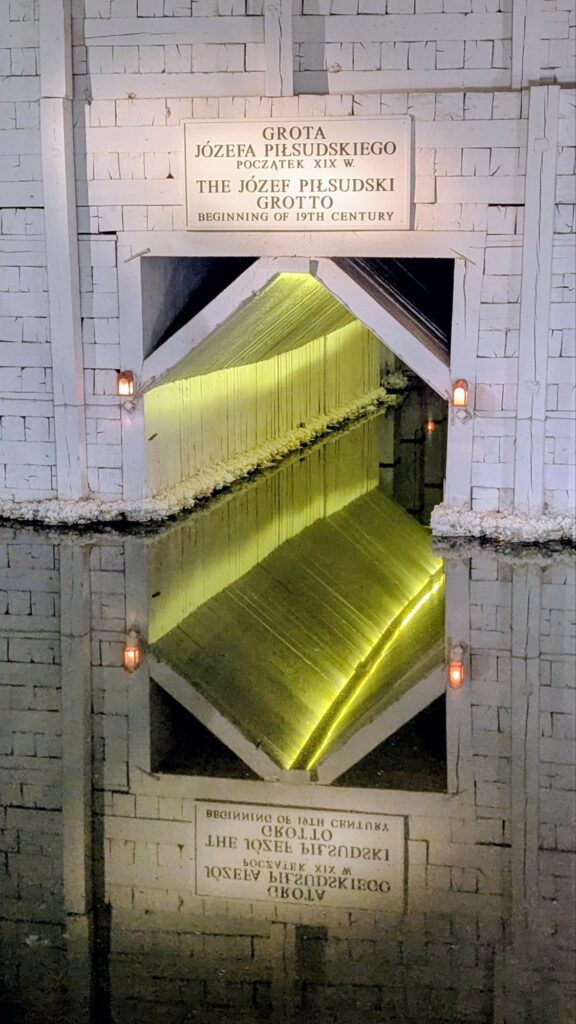
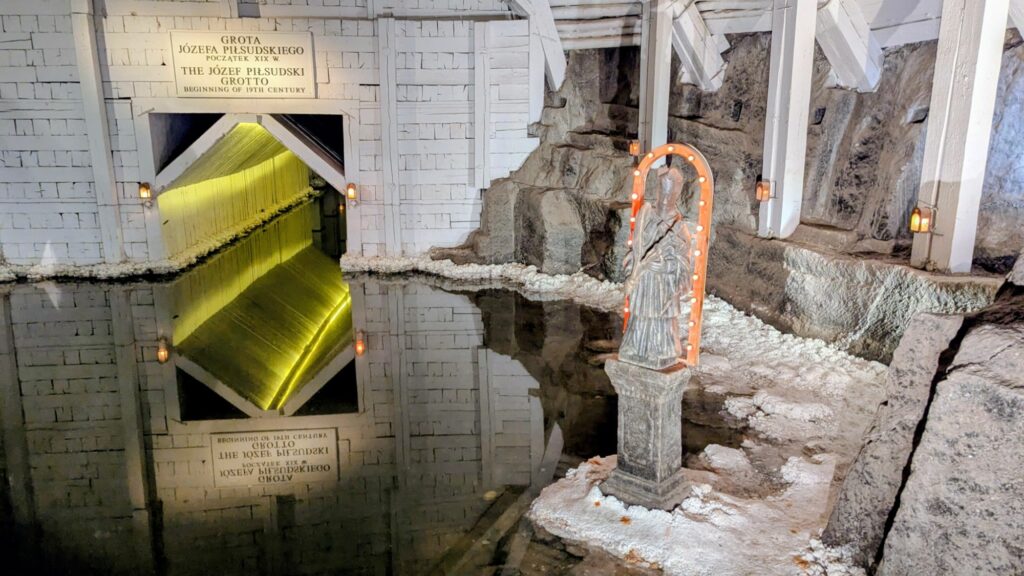
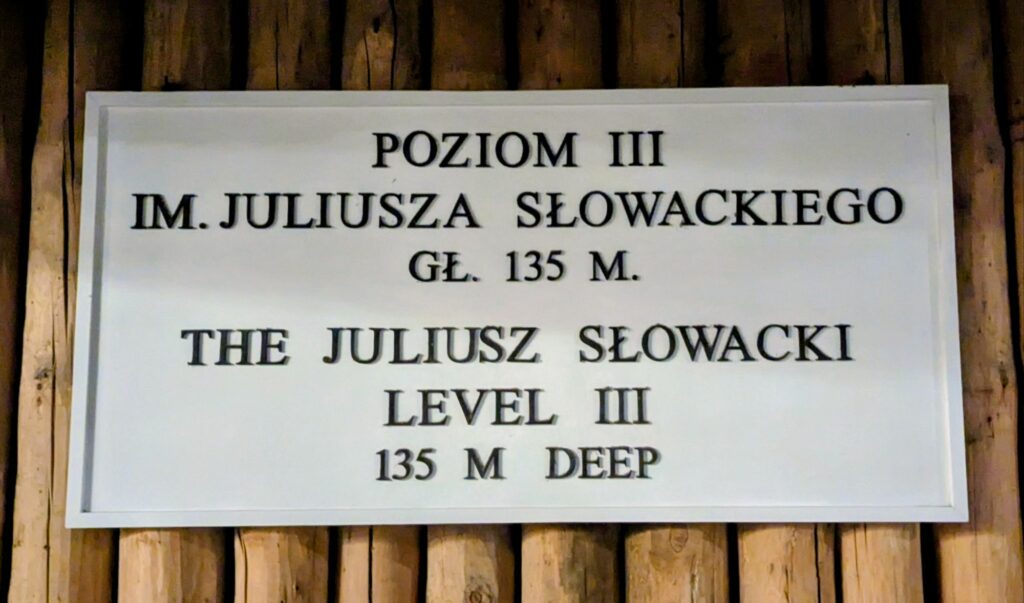
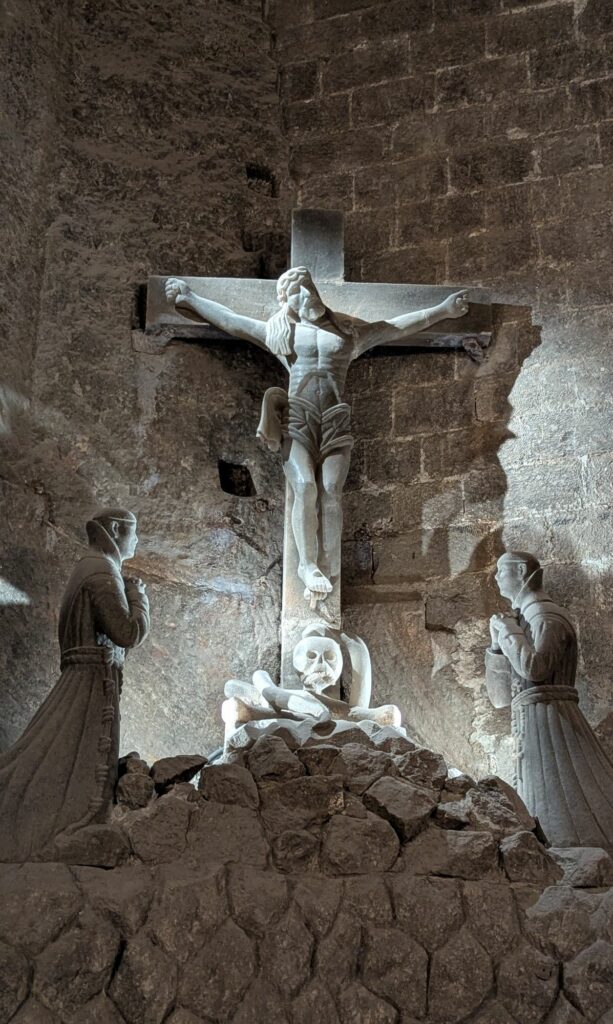
The mine extends down over 9 levels and 300km of tunnels. The tourist trail goes down 3 levels to 135 metres down and goes just under 3km. It is replete with underground lakes, salt carving and massive chambers including a huge fully functioning church complete with Sunday mass and weddings.

Entry
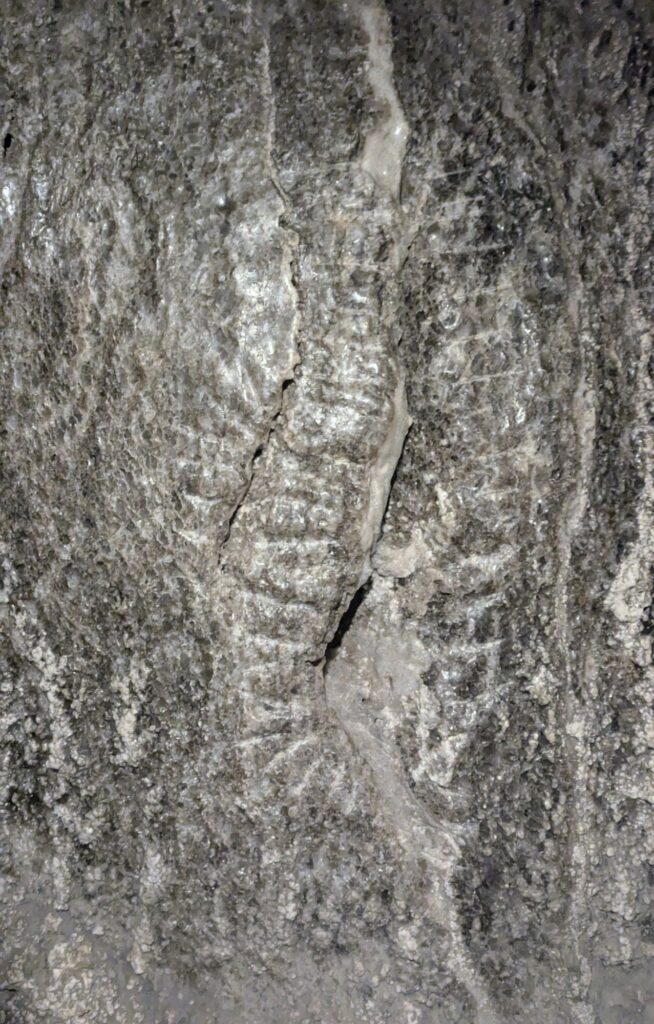
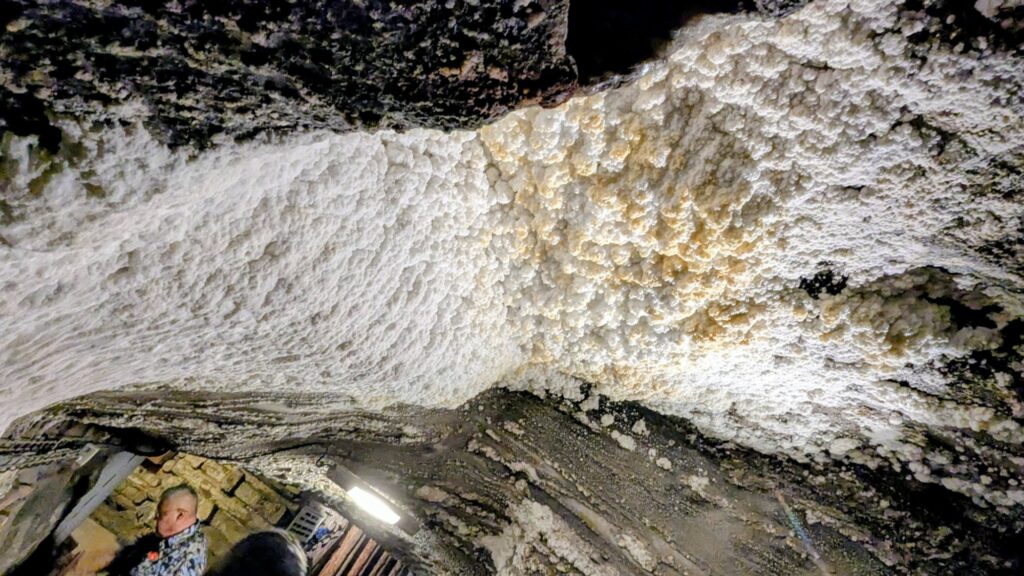
Salt walls
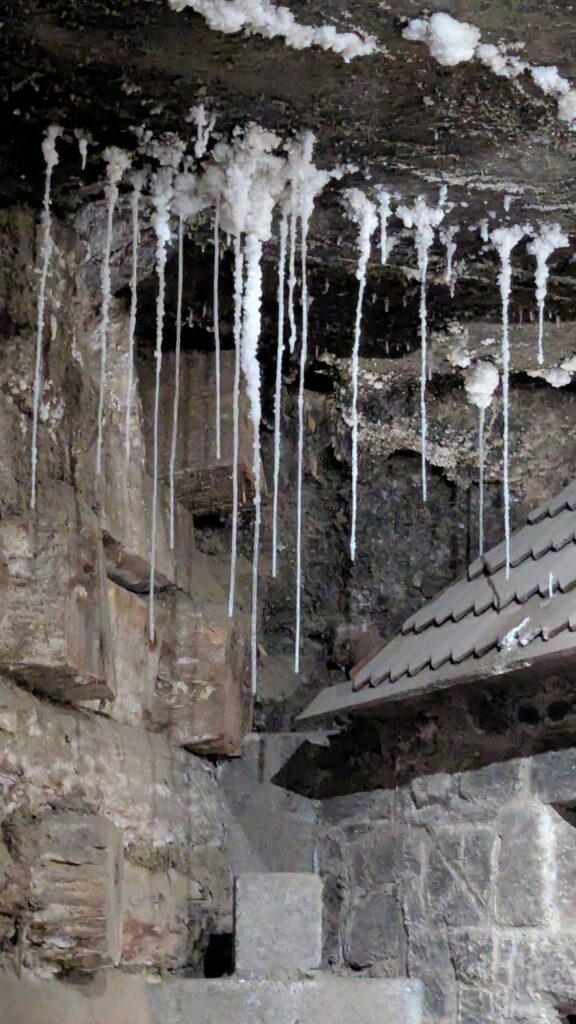
Salt stalactites
Mine shaft
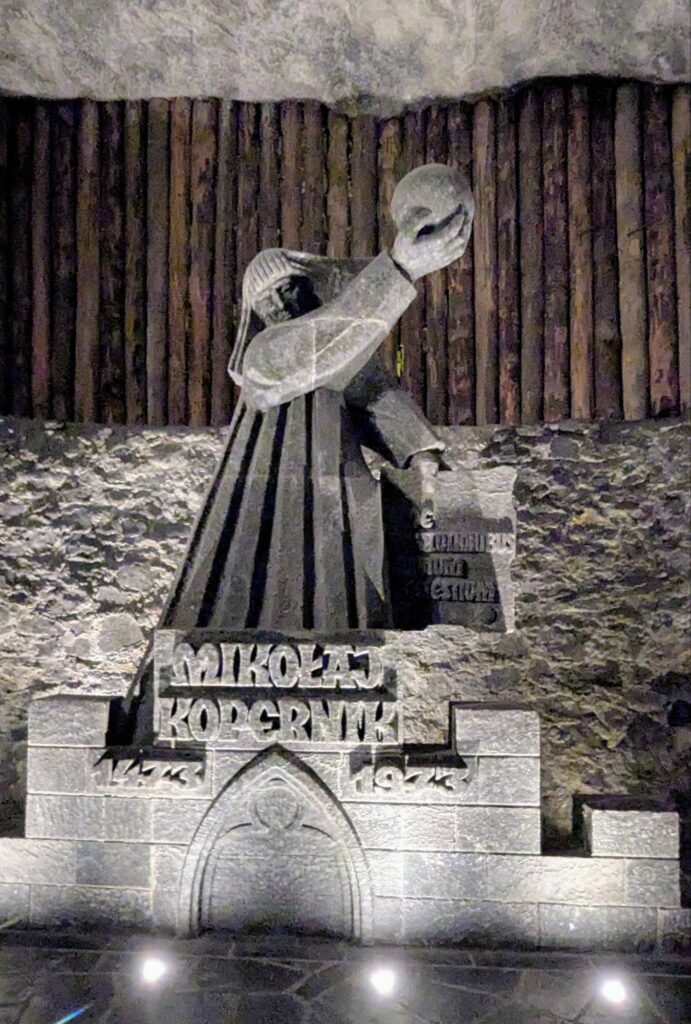
Copernicus statue
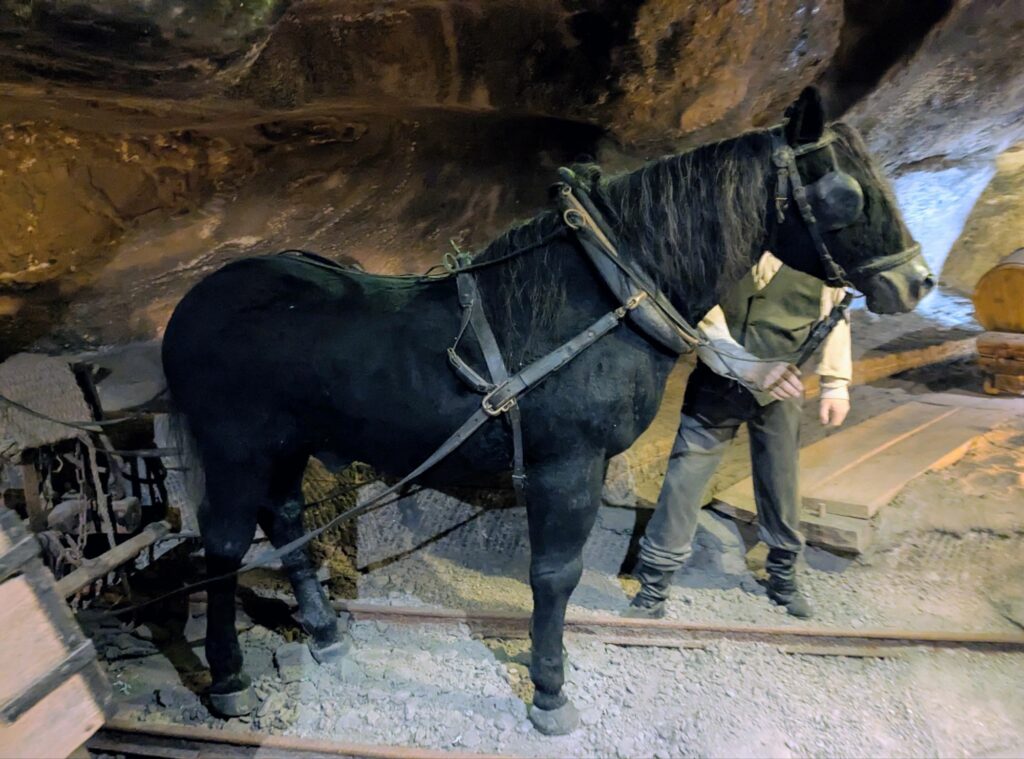
They kept a stable of horses in the mine to help work the equipment
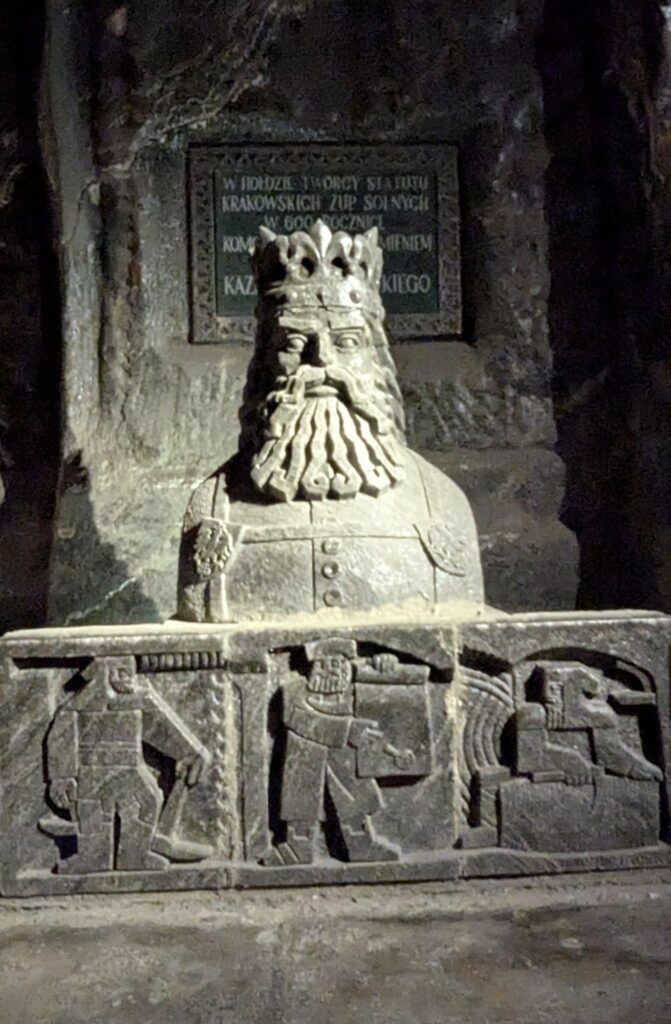
King Casimir 111 (the great)
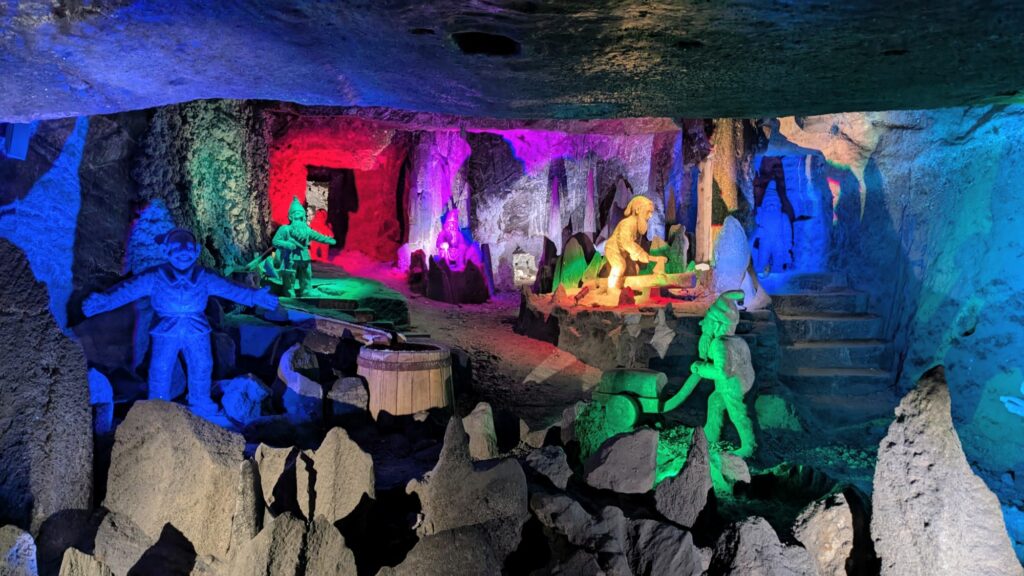
Gnomes
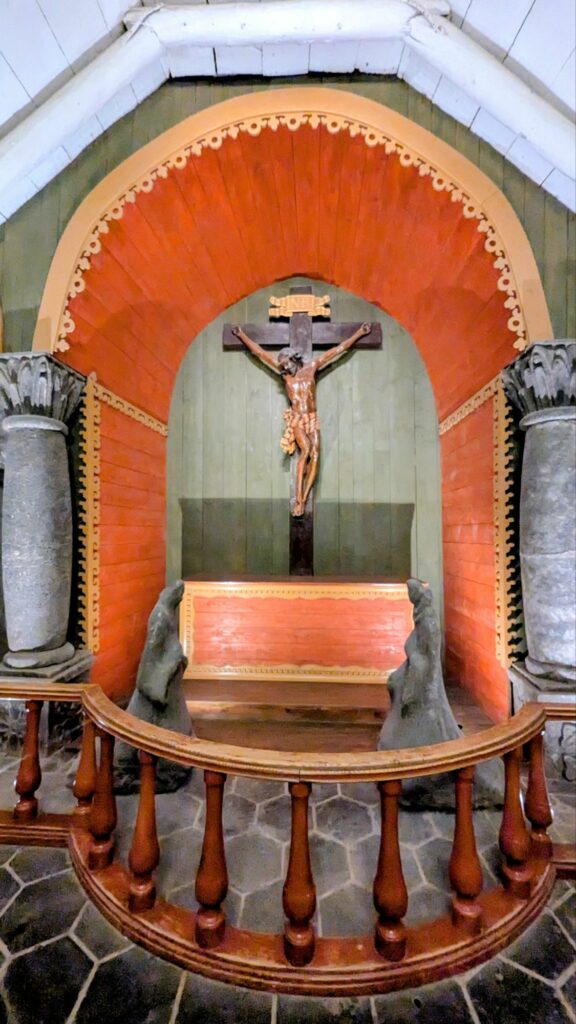
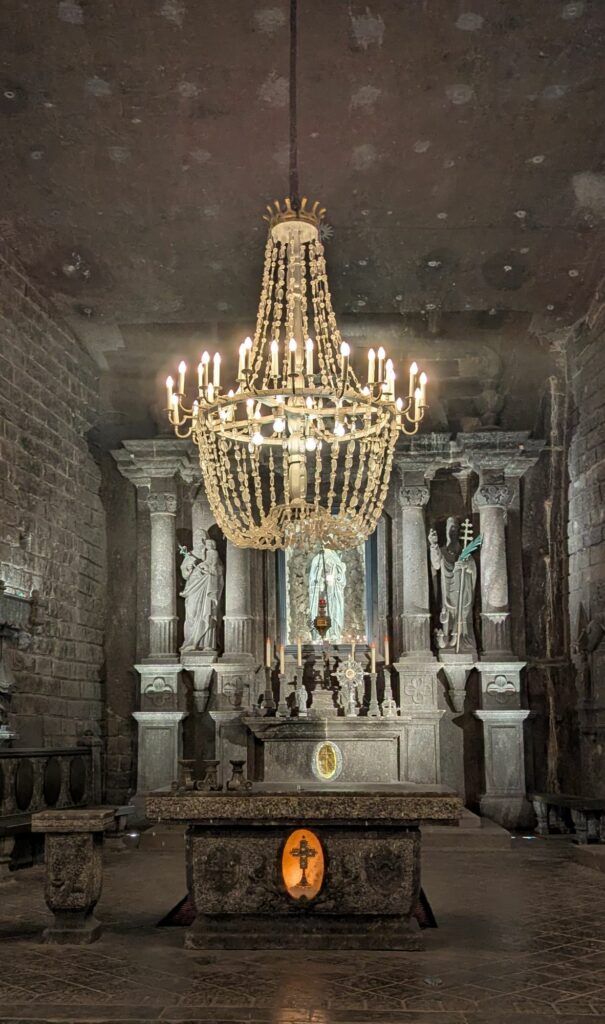
St Anthony chapel
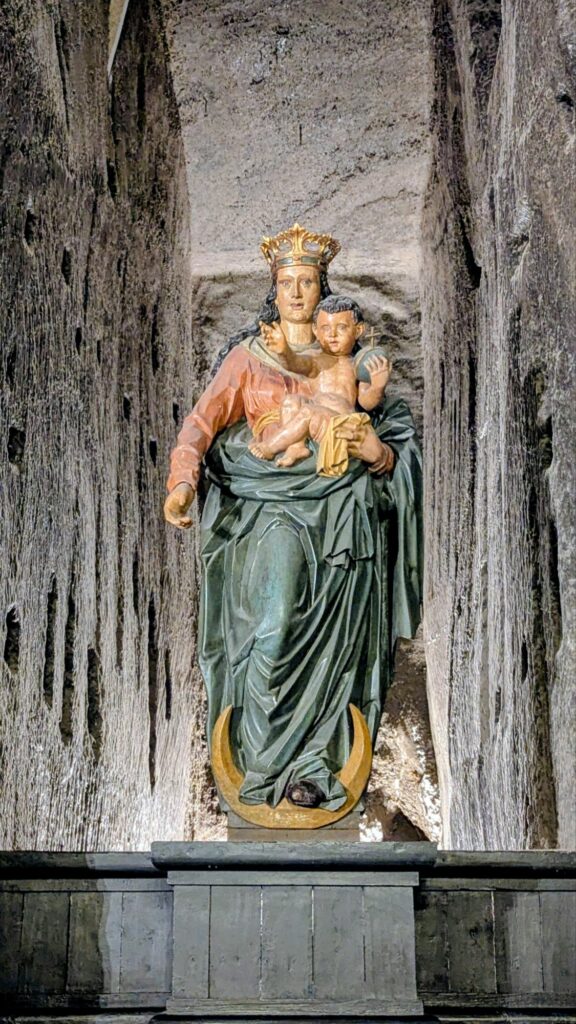
Chapel of St Kinga
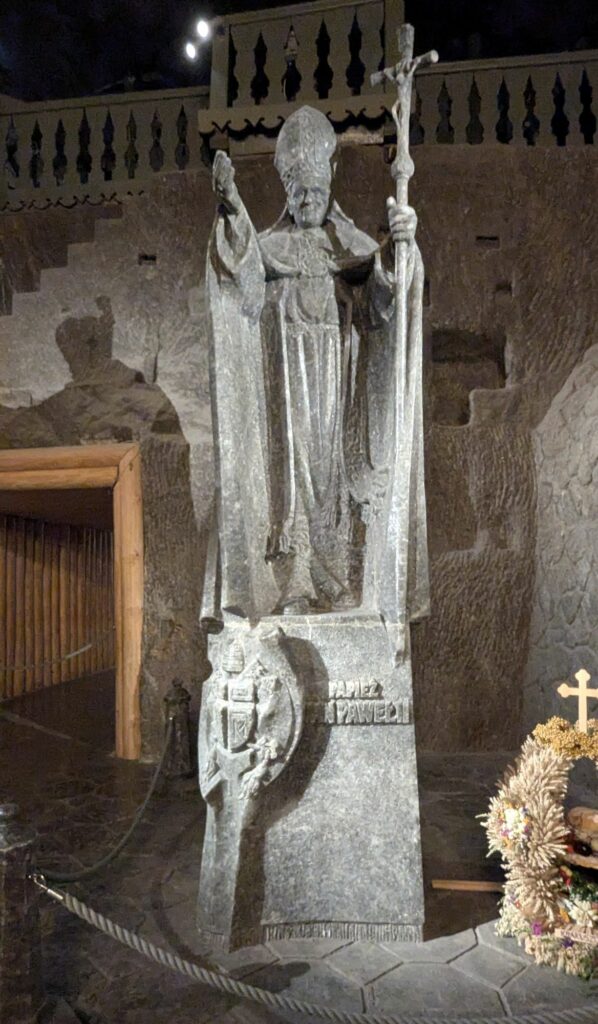
Statue of Cardinal Karol Wojtyla (Pope John Paul 2)
Underwater lake
Weimar Chamber
Categories
Baltics 2025

Warsaw

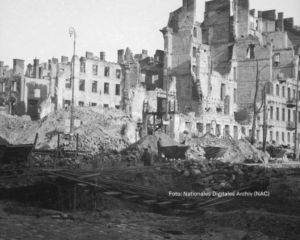
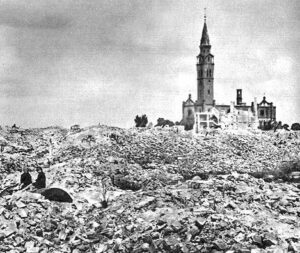
Devastated Warsaw after WW2

Warsaw was one of the most heavily destroyed cities during WW2 with some 85% of the city razed to the ground. When Germany invaded in 1939 Warsaw resisted much more fiercely than expected. The Luftwaffe bombed the city extensively causing early large-scale destruction.

Subsequently in 1943 the holocaust caused substantial destruction of Jewish neighbourhoods killing tens of thousands of Jews and deporting the rest.

Hitler viewed the Poles as racially inferior. When the Polish underground launched the Warsaw uprising in 1944 the Nazis put it down brutally and launched a full scale assault with the instruction from Hitler that Warsaw was to be levelled.

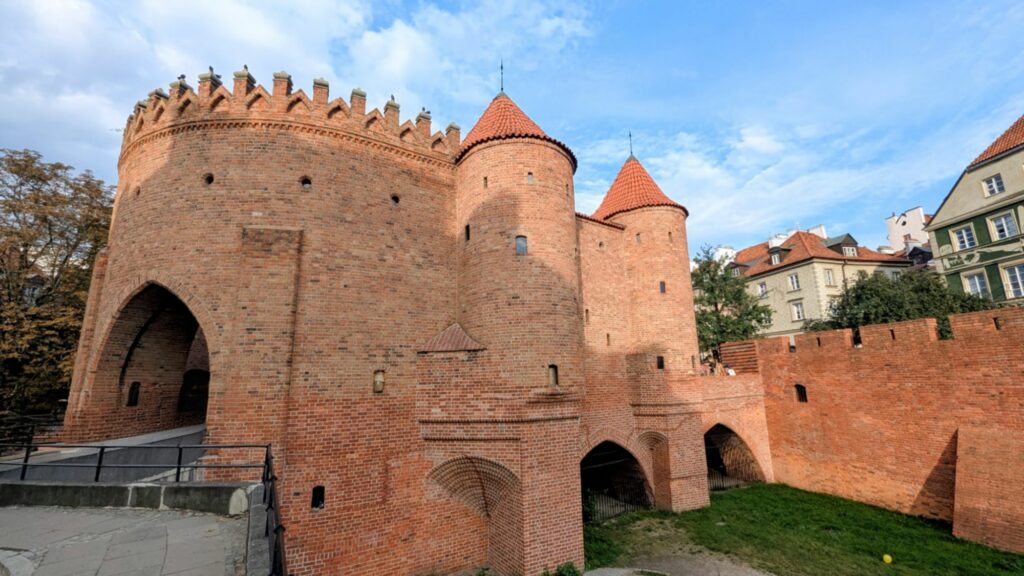
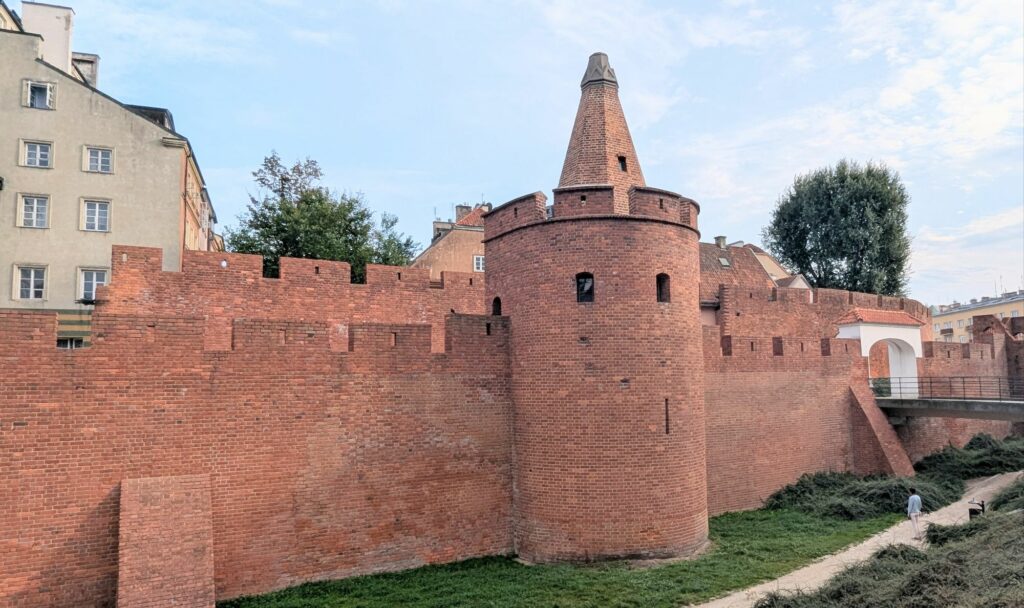
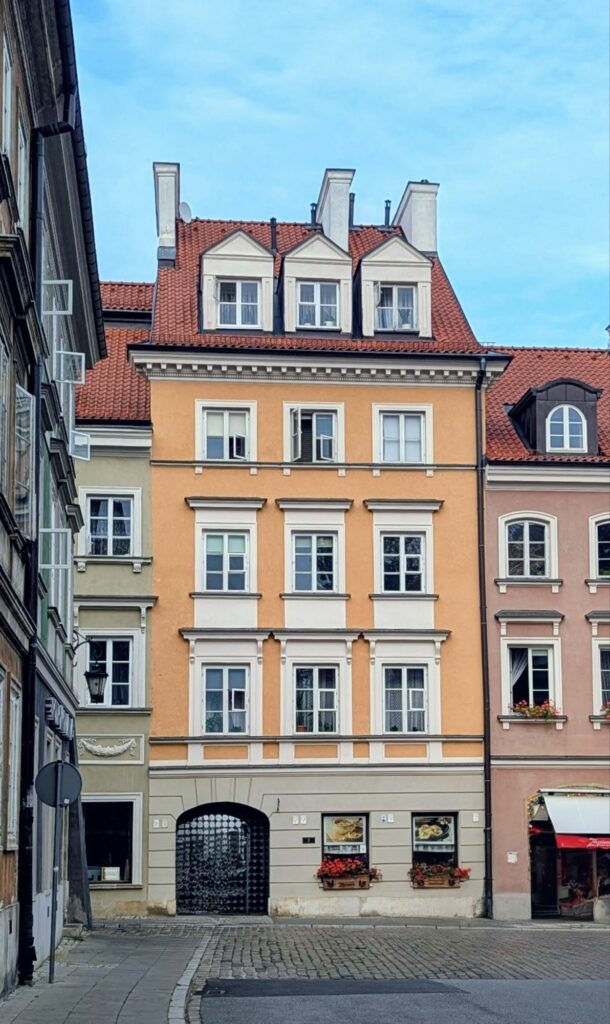
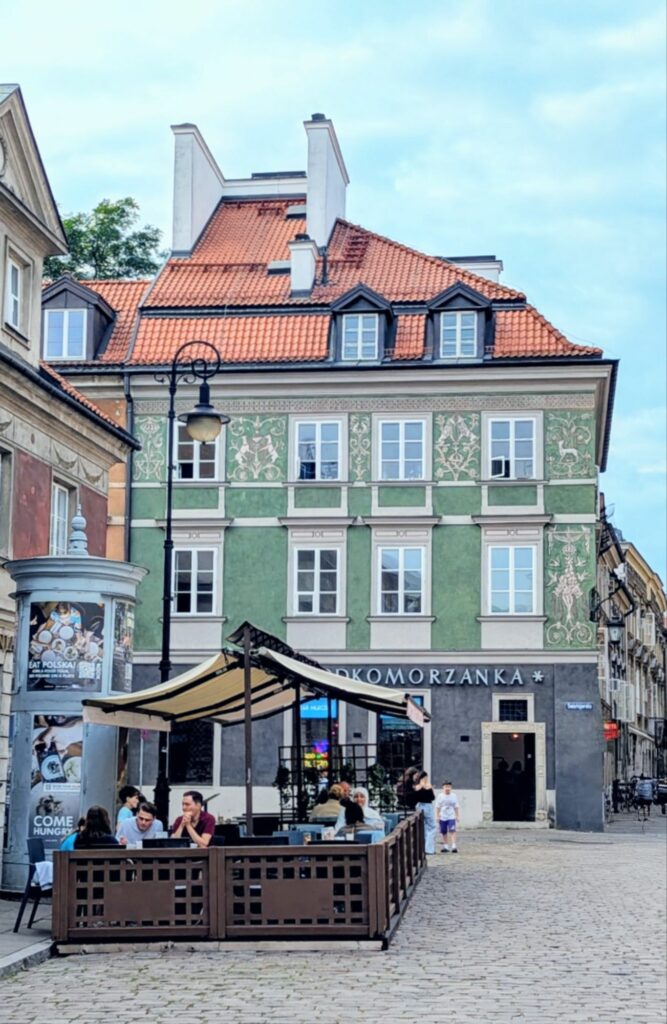
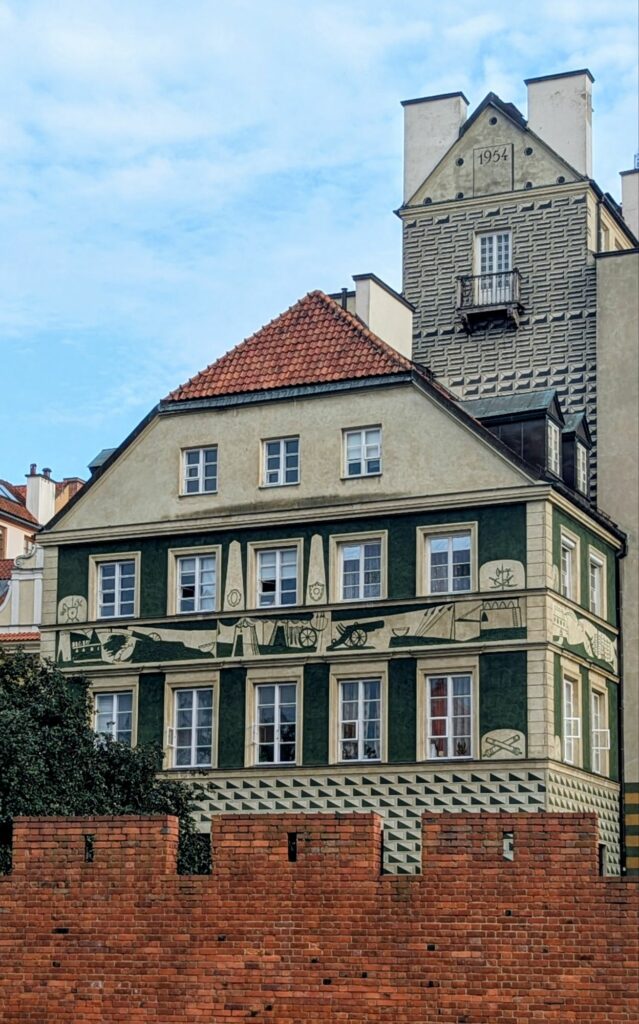
Arriving in Warsaw now one has to admire the resilience of the Poles. This is a major modern city despite the German devastation and decades of Soviet neglect. Most amazingly the UNESCO heritage acclaimed old city here  has risen like a Phoenix from the ashes having been rebuilt between 1951 and 1953. It is here that we spend our first afternoon here marvelling at the reconstruction.

Barbican
City walls
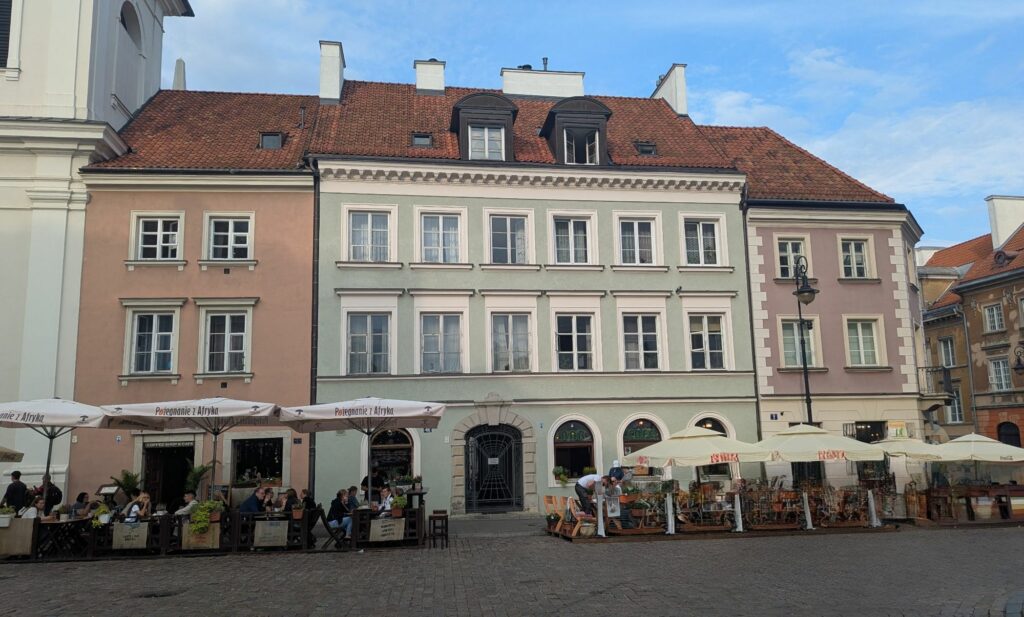
Streetscapes
Church of the Holy Spirit
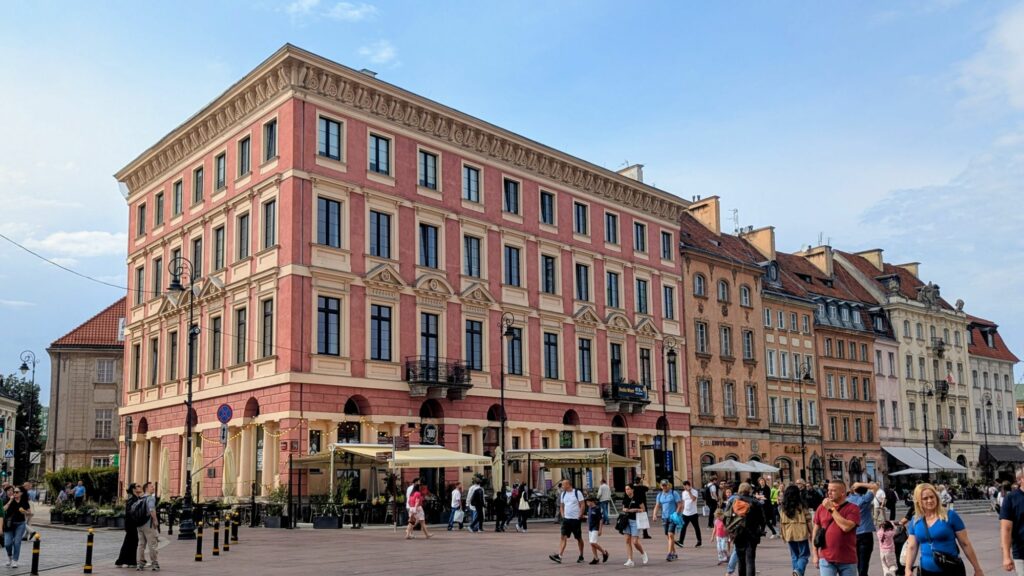
Market square
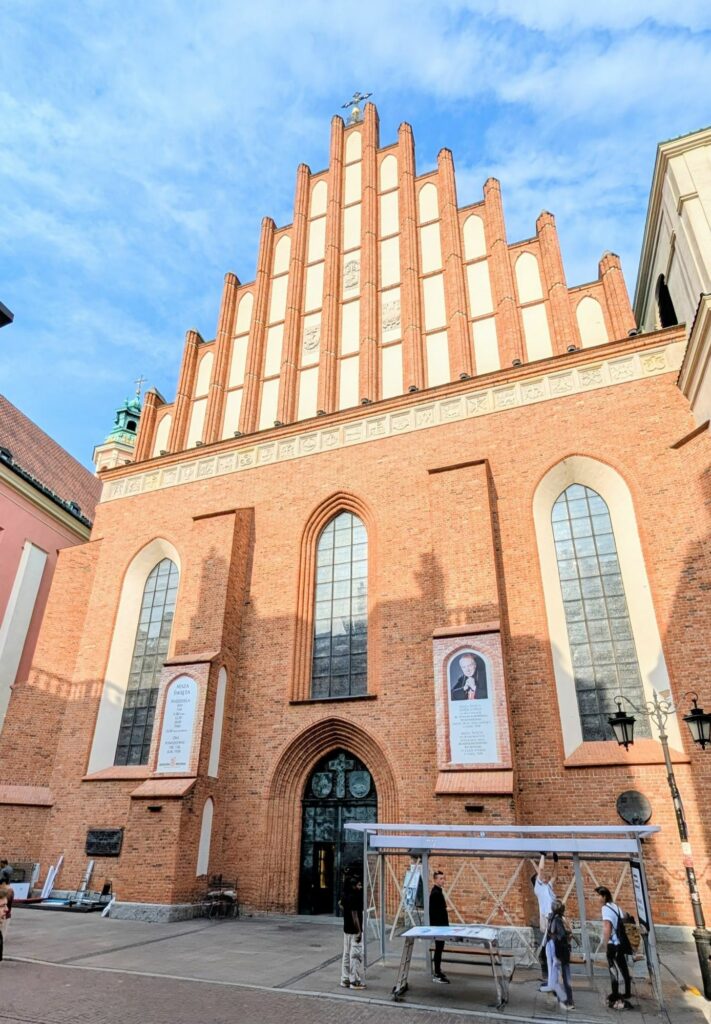
St John the Baptist Cathedral
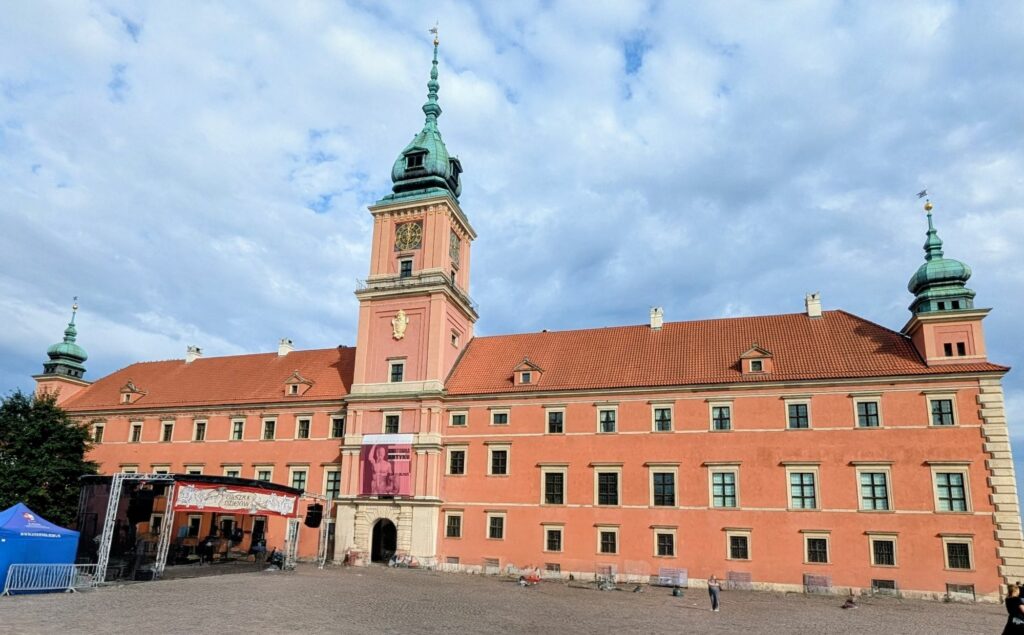
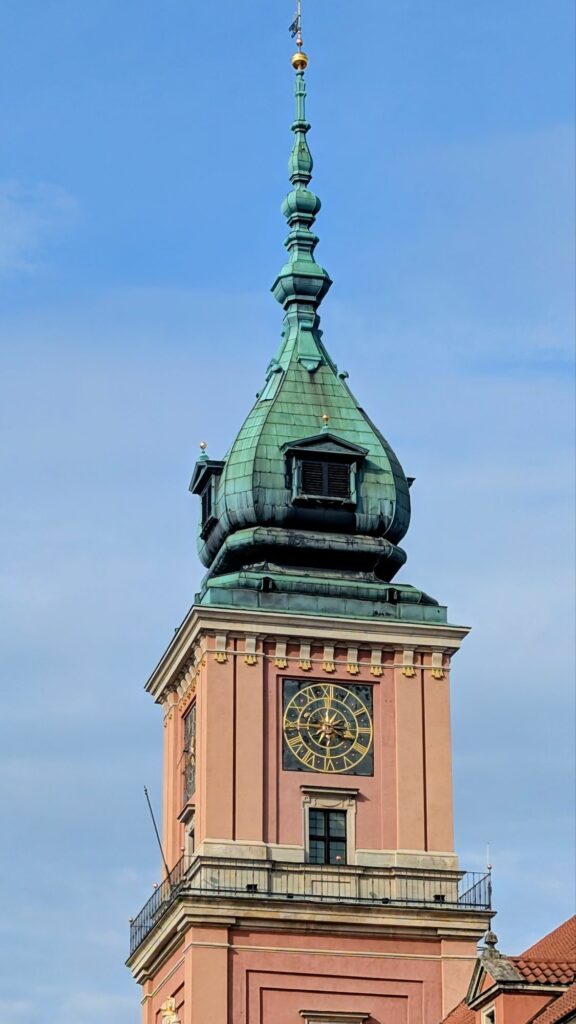
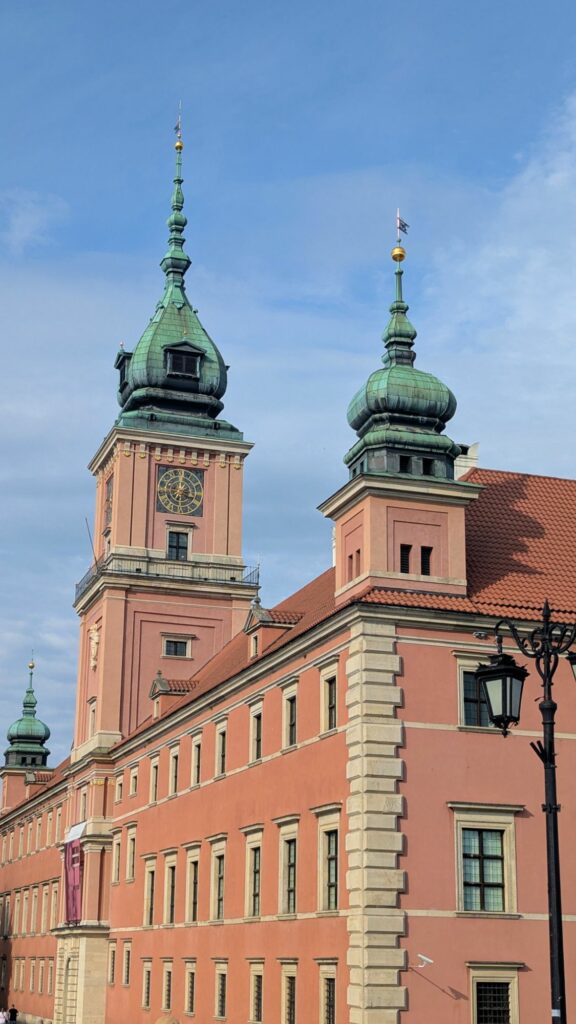
Royal Palace
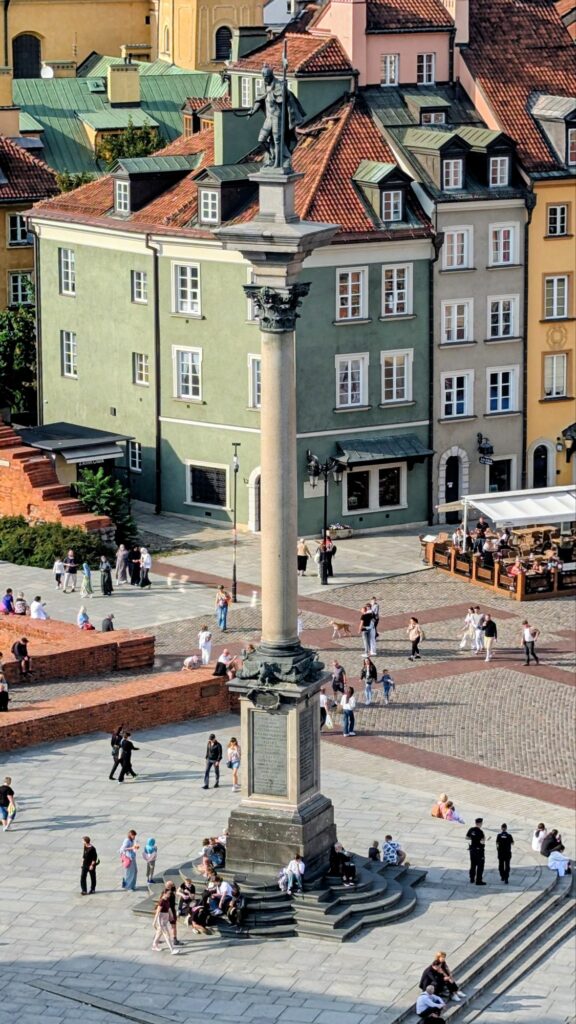
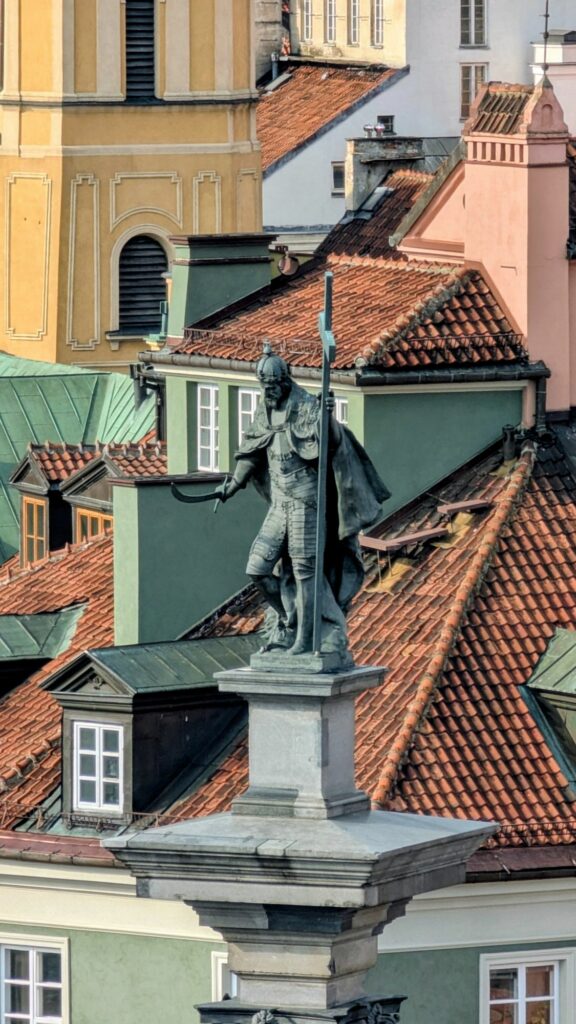
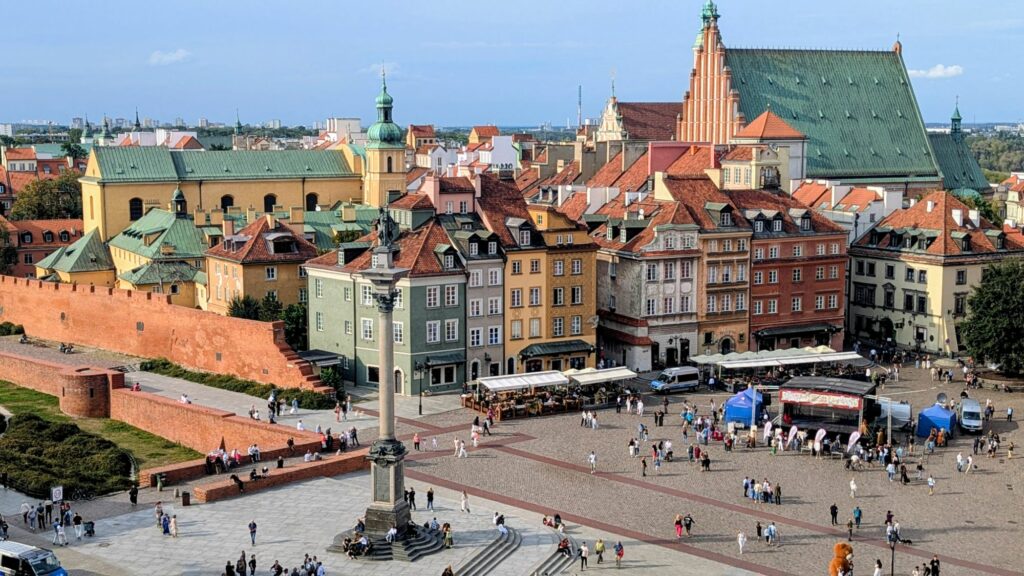
King Sigismund column
Royal square
Royal square
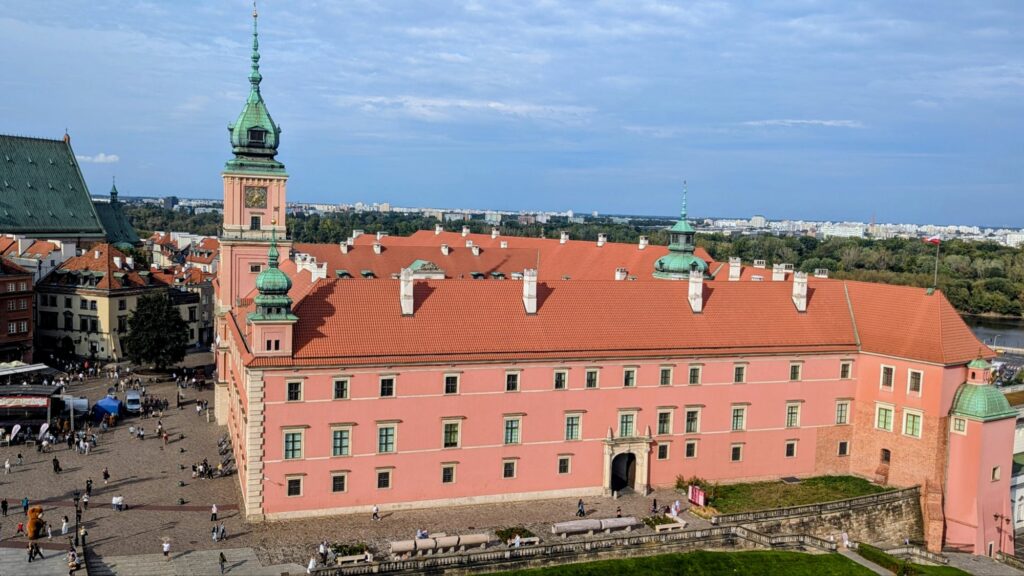
Royal palace
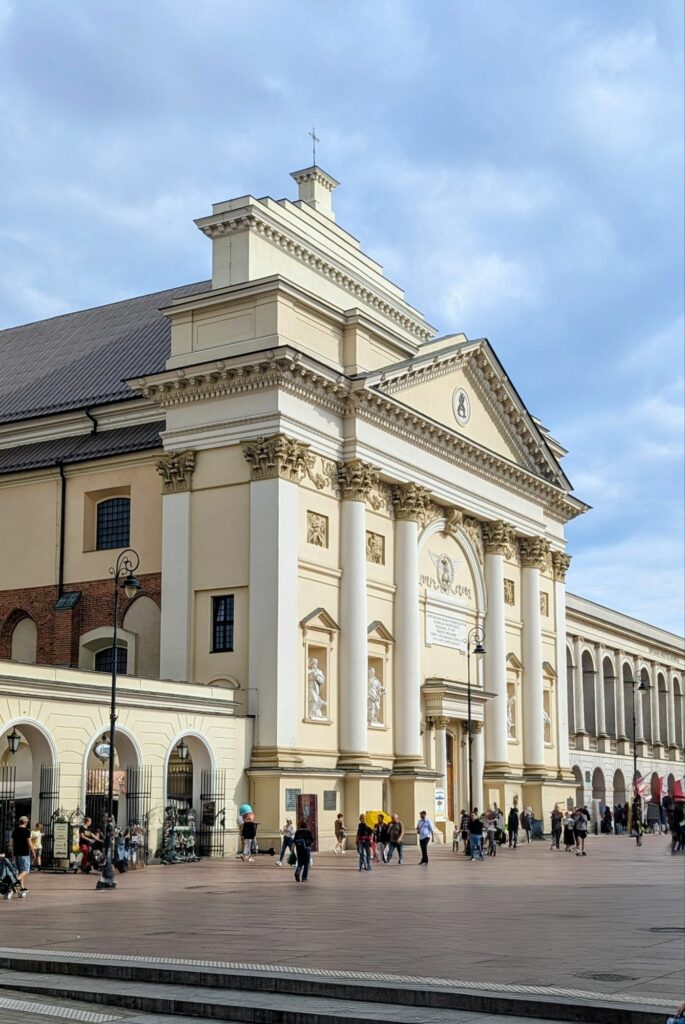
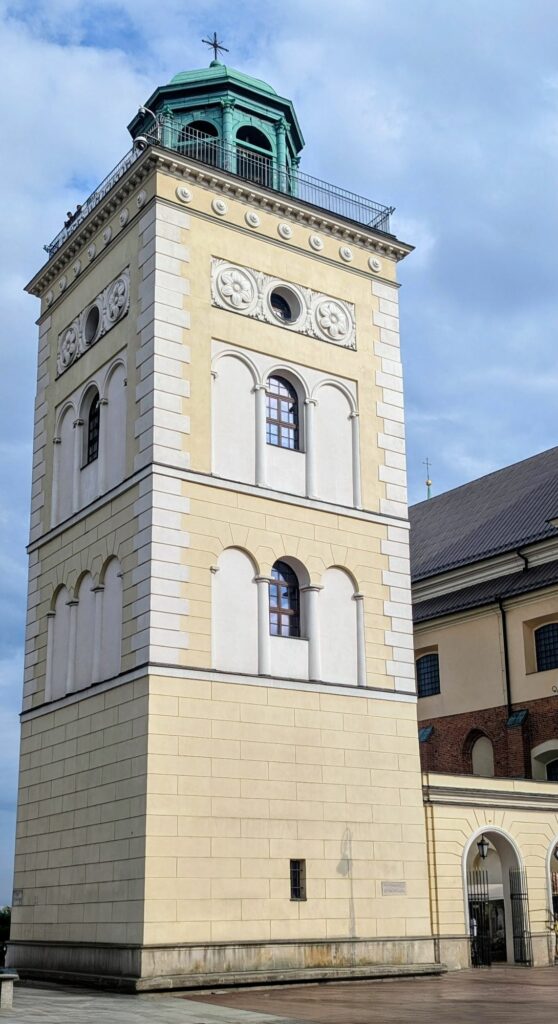
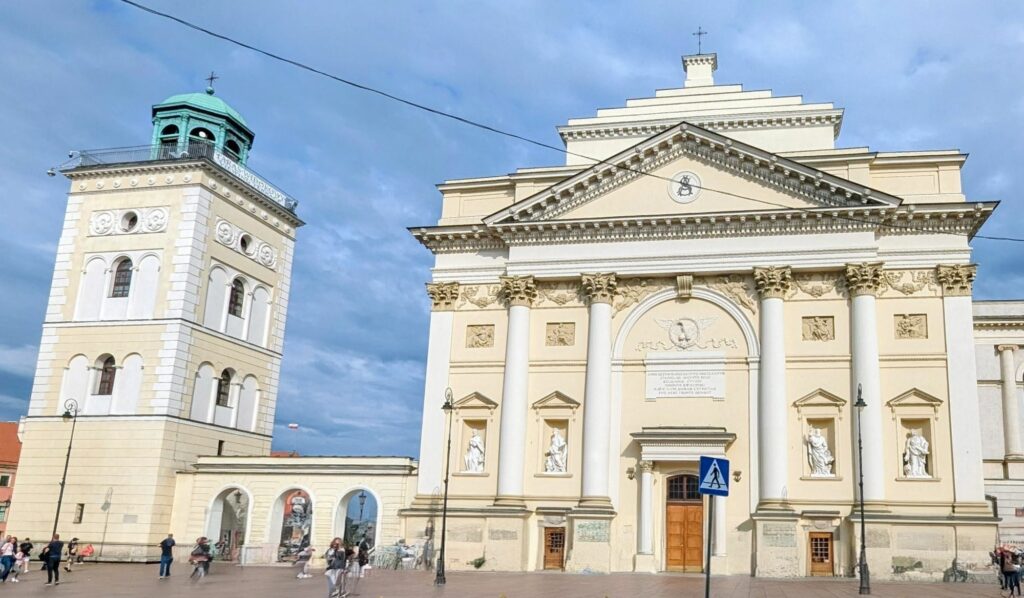
St Anne’s Cathedral

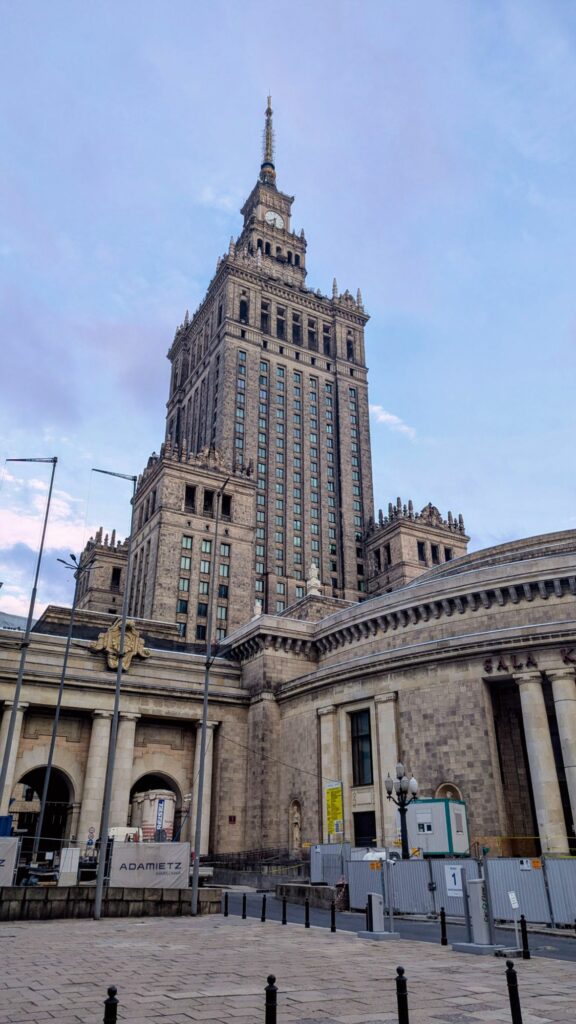
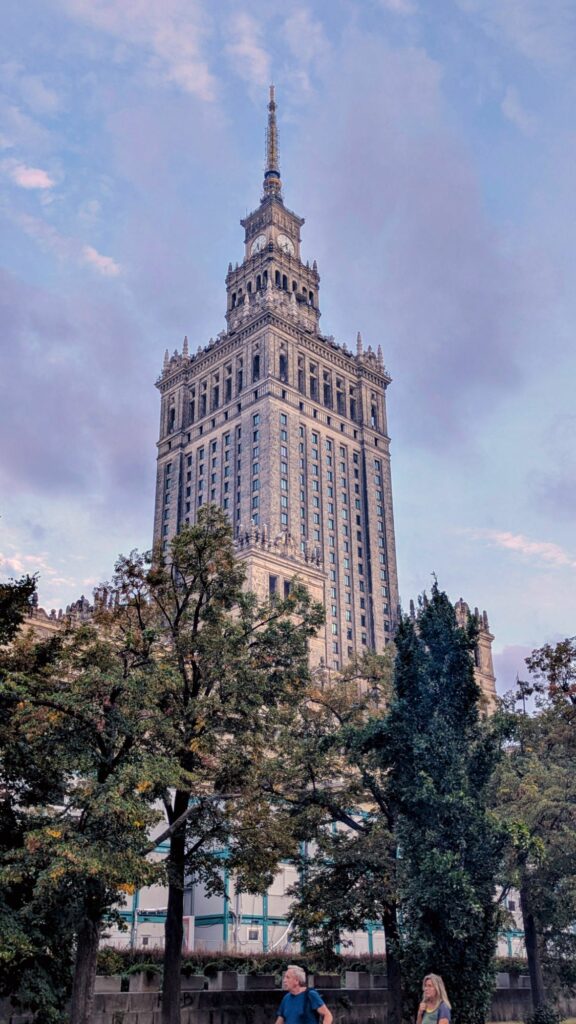
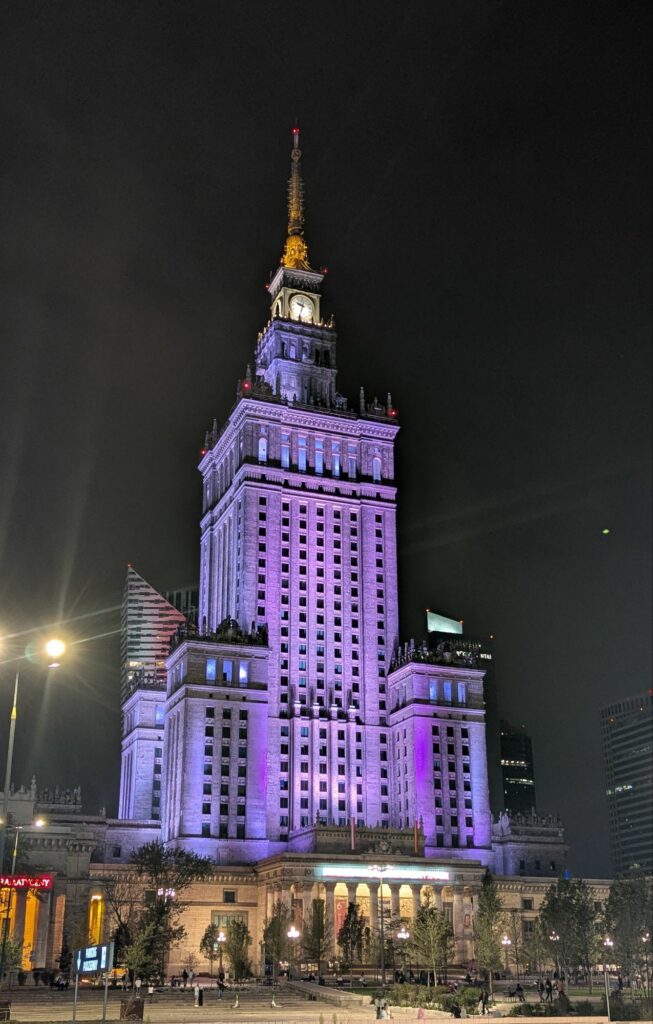
Finally back to our apartment which is outside the old town and the nearby Palace of Culture and science. Initially built and completed by the Soviets in 1955 as Communist Party HQ. It now houses theatres and museums. The Soviets designed it deliberately to look like New York’s Empire State Building.

Categories
Baltics 2025

Solidarity

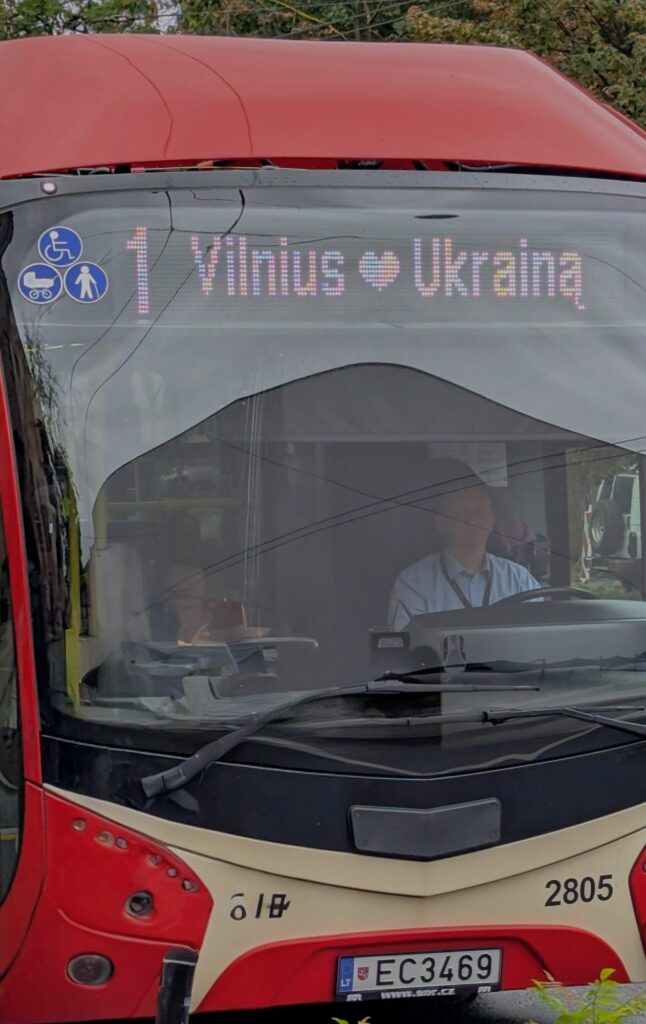
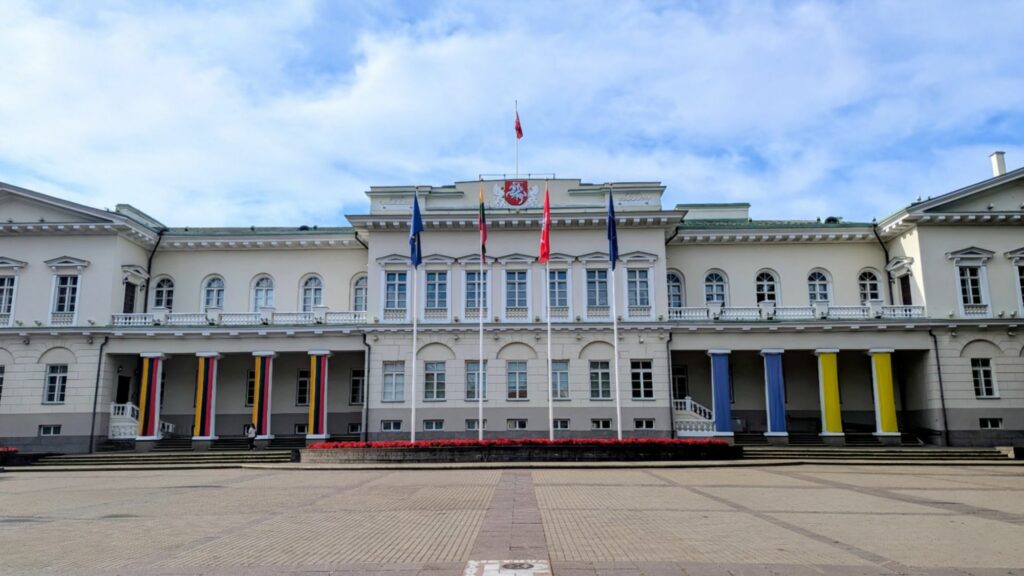
“We don’t want war here.” This is the sentiment expressed to my life partner by the manicurist tending to her “paws”. Throughout Lithuanian solidarity with Ukraine is at the fore front from sentiments on buses to Ukrainian flags on balconies through to the Presidential Palace where the columns to the left reflect the Lithuanian flag and those on the right the Ukraine flag.

Presidential palace

People here are nervous, if (or when) Ukraine falls they may be easy pickings and next in line.

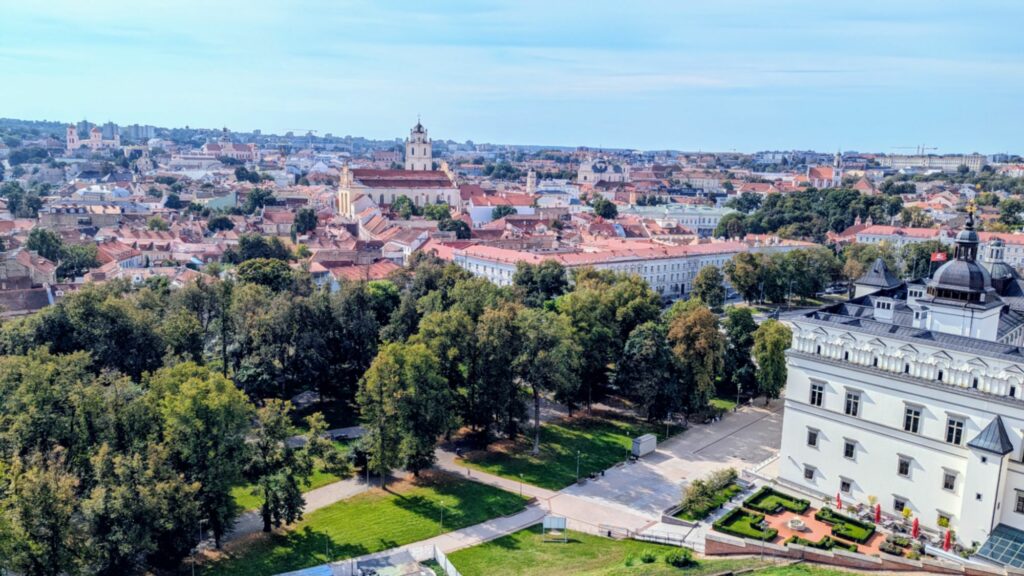
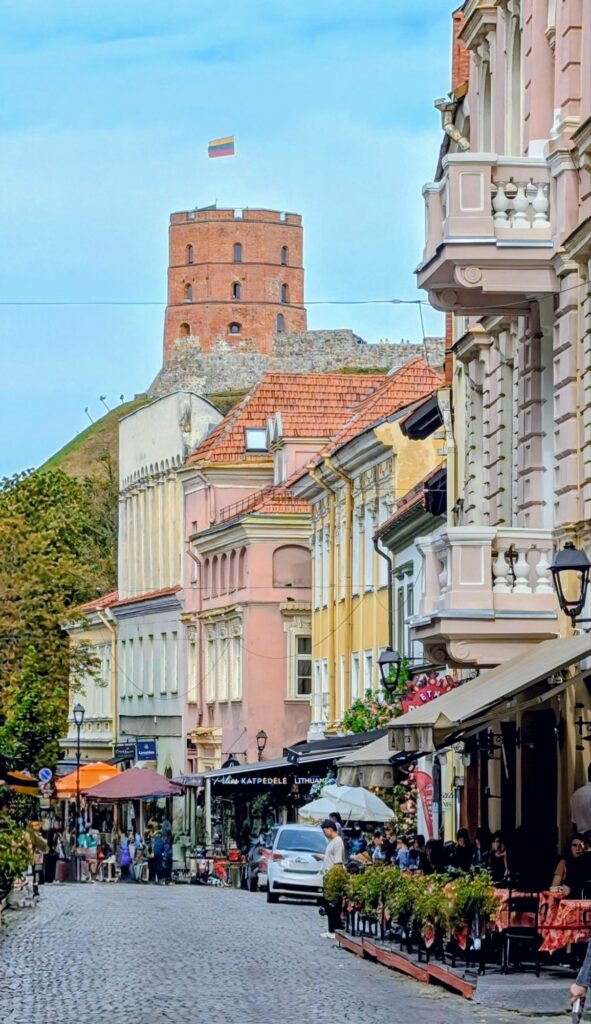
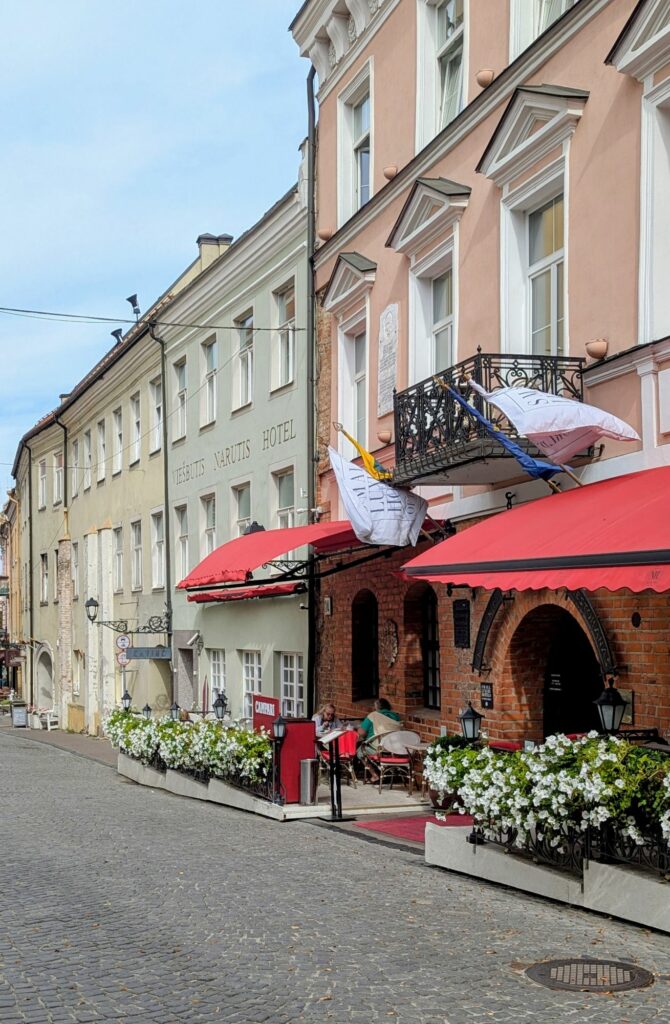
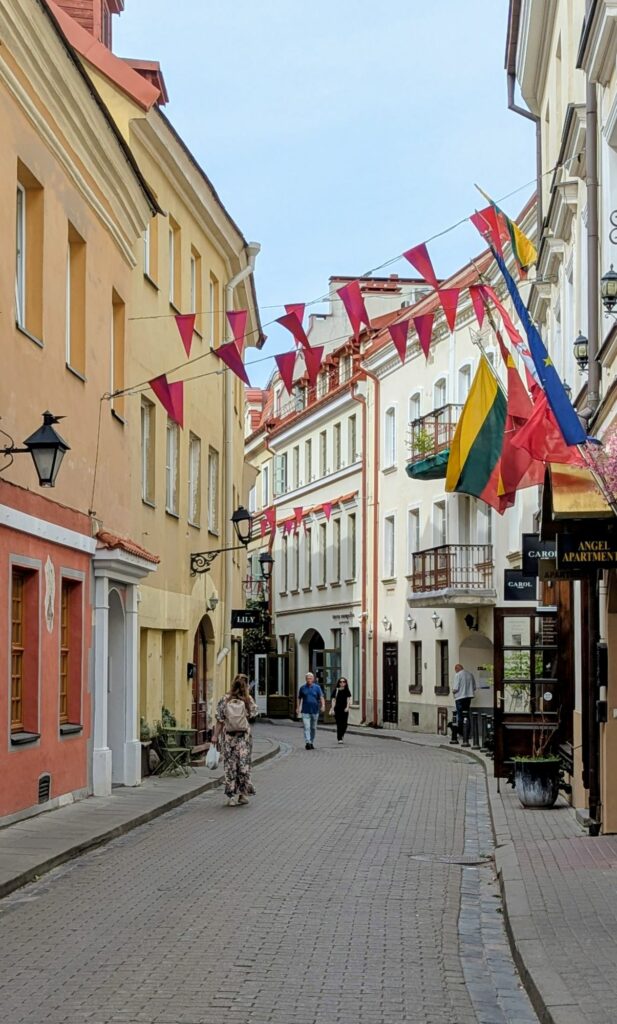
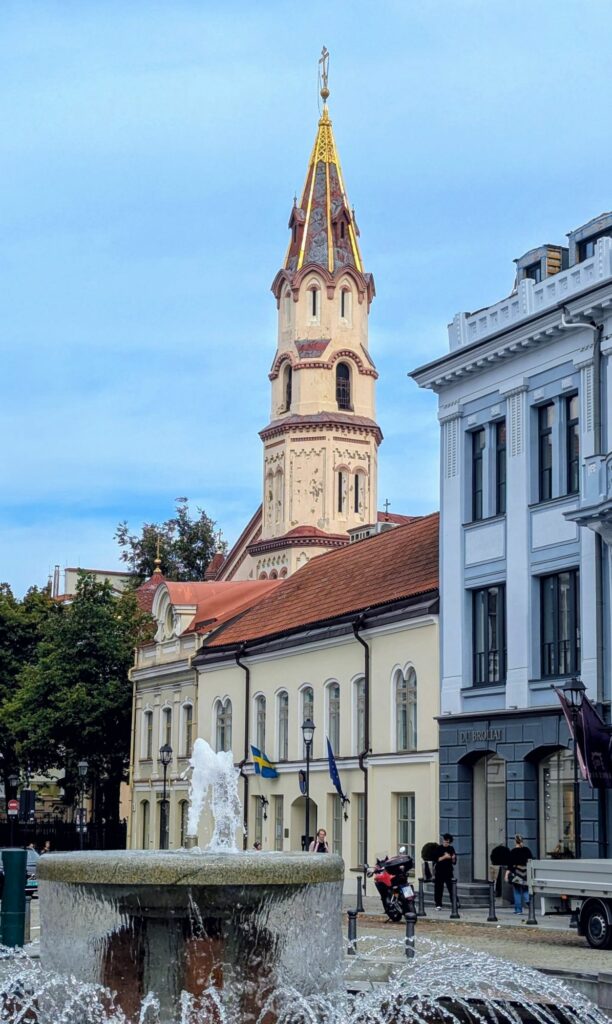
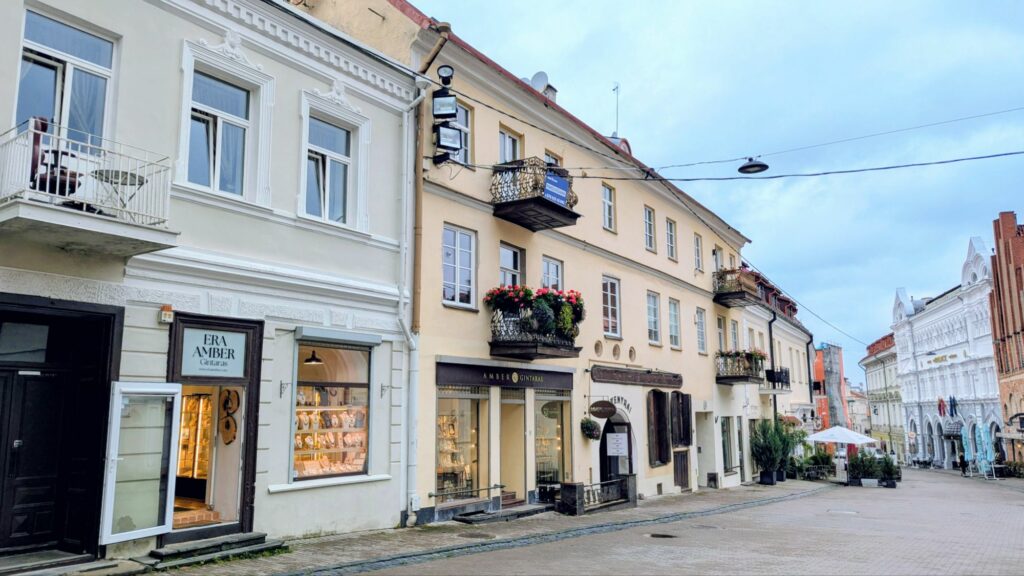
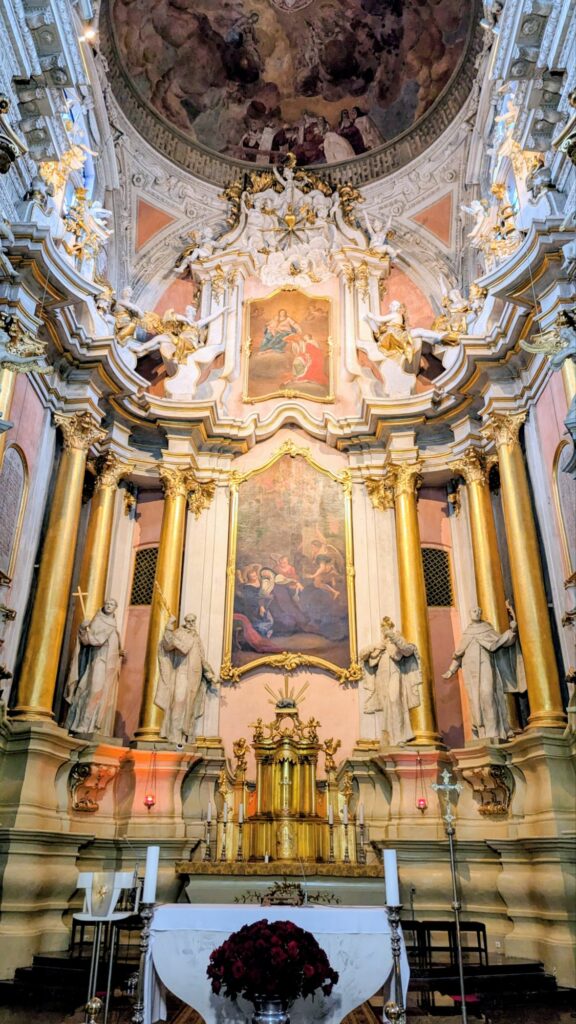
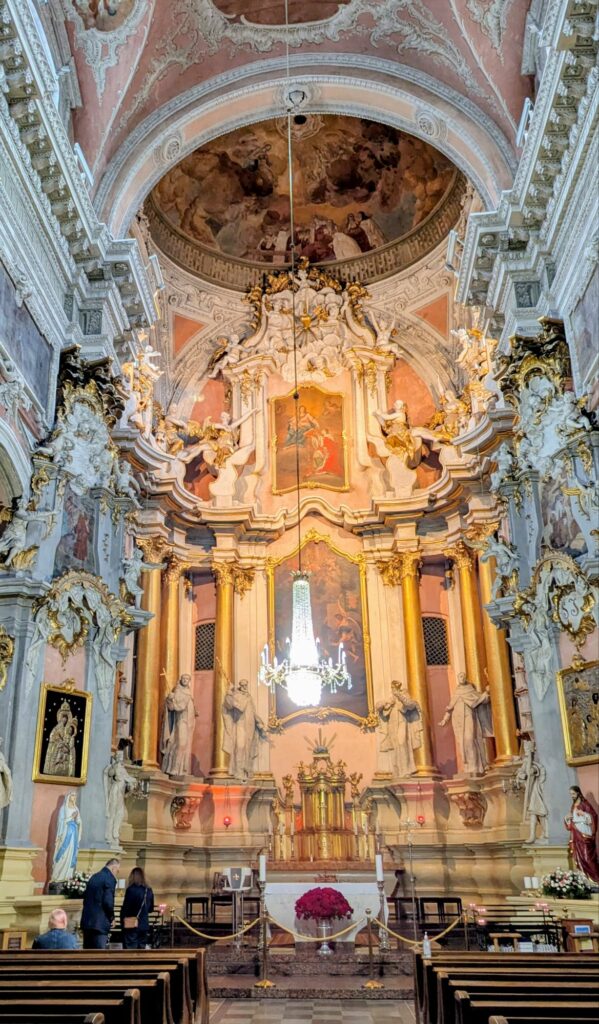
The capitol Vilnius is more spread out than many others. Tree lined boulevards and elegant buildings line the streets of this sophisticated city. There is a thriving fine food and cafe culture. What I am most impressed with is the number of churches here. Largely Catholic and Orthodox. Interestingly, Vilnius had one of the largest Jewish populations in Europe. Tragically that is, of course until the Nazis occupied this place and the holocaust decimated the local Jewish population.

Looks like a church but is concert hall
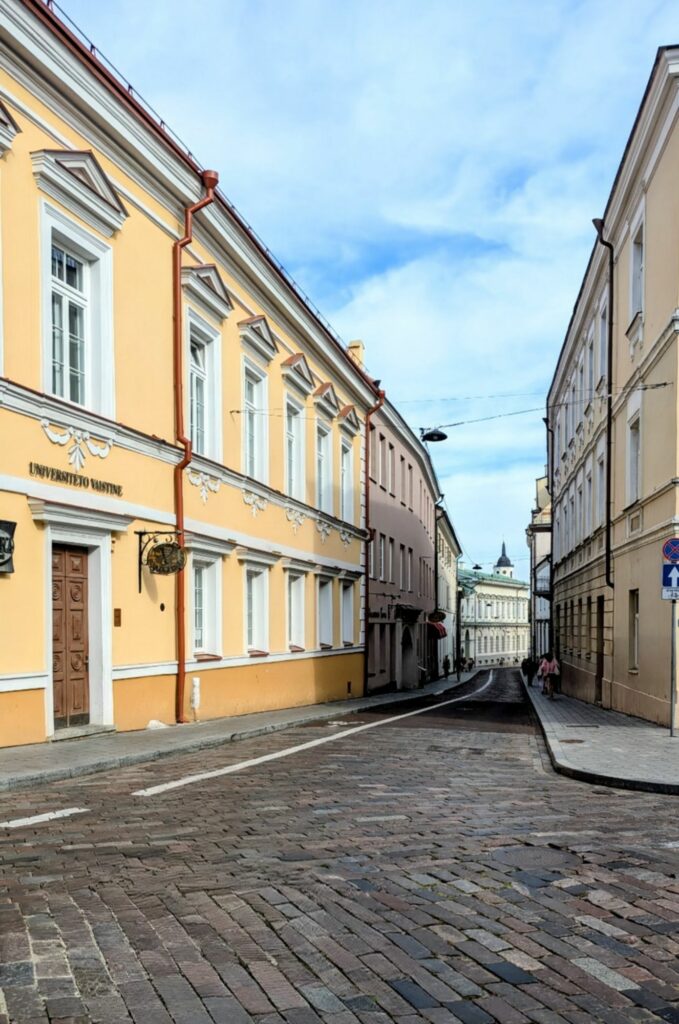
University quarter
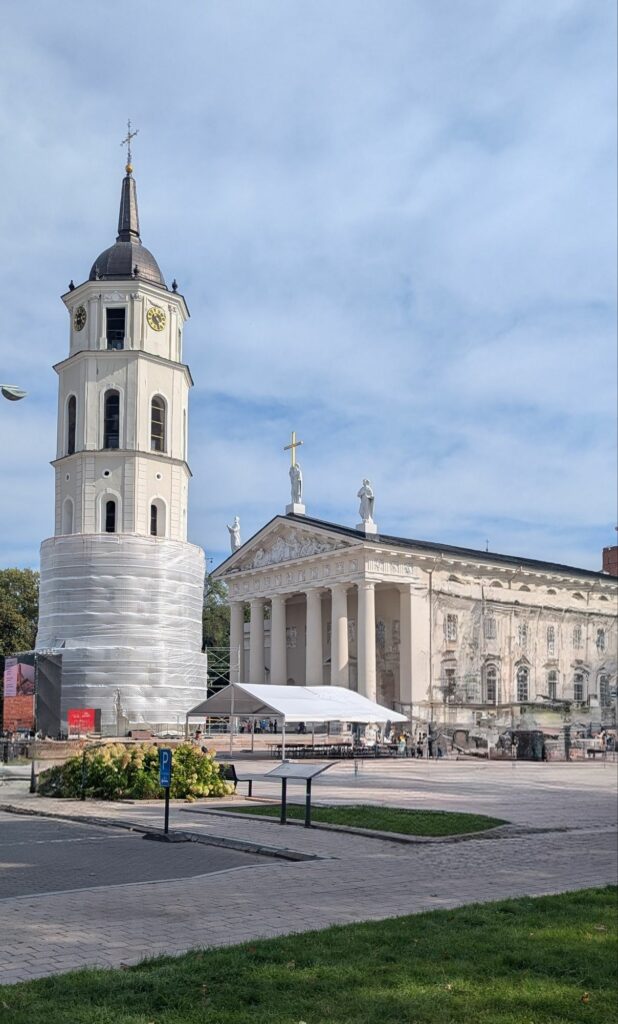
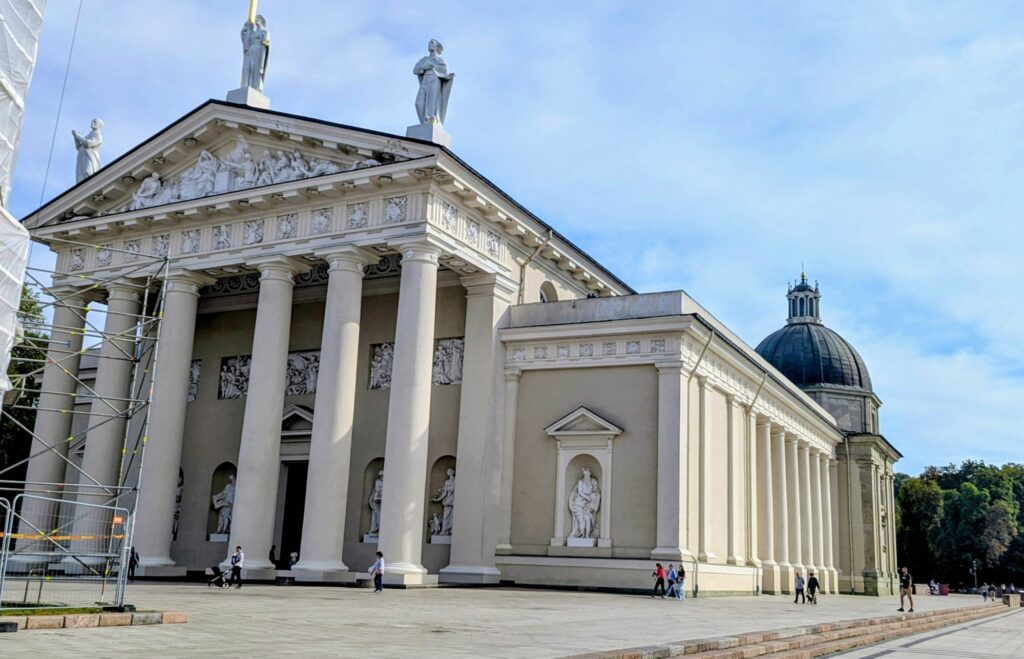
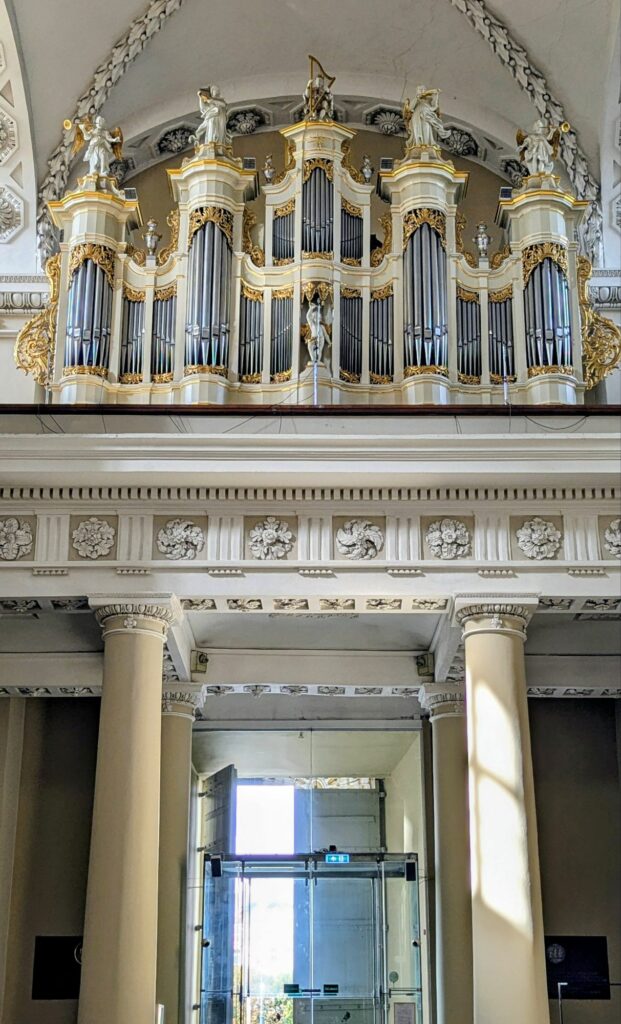
Vilnius cathedral
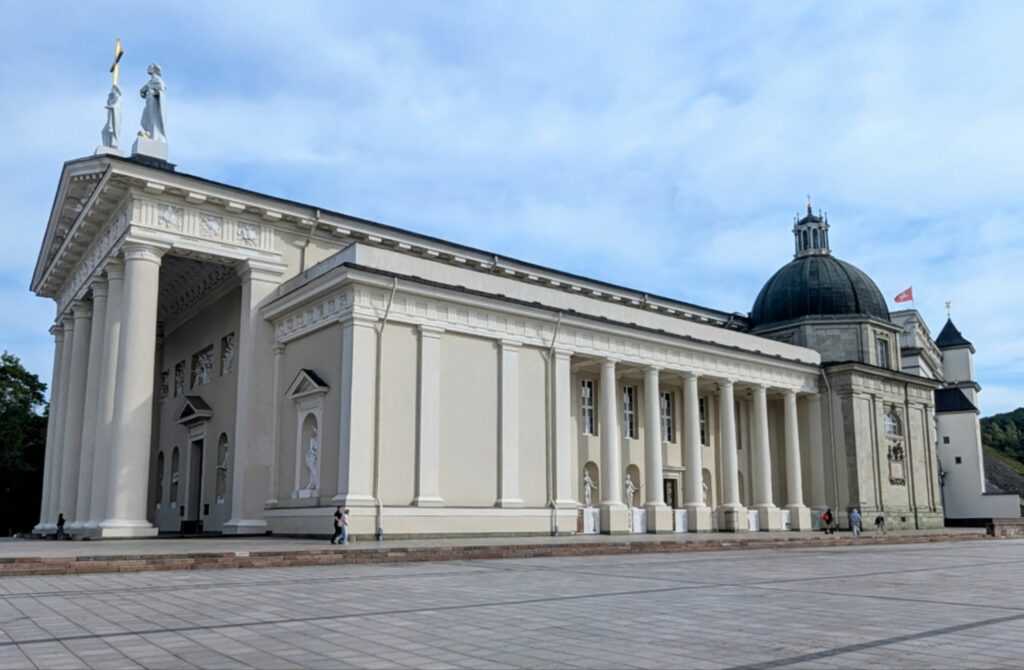
Cathedral
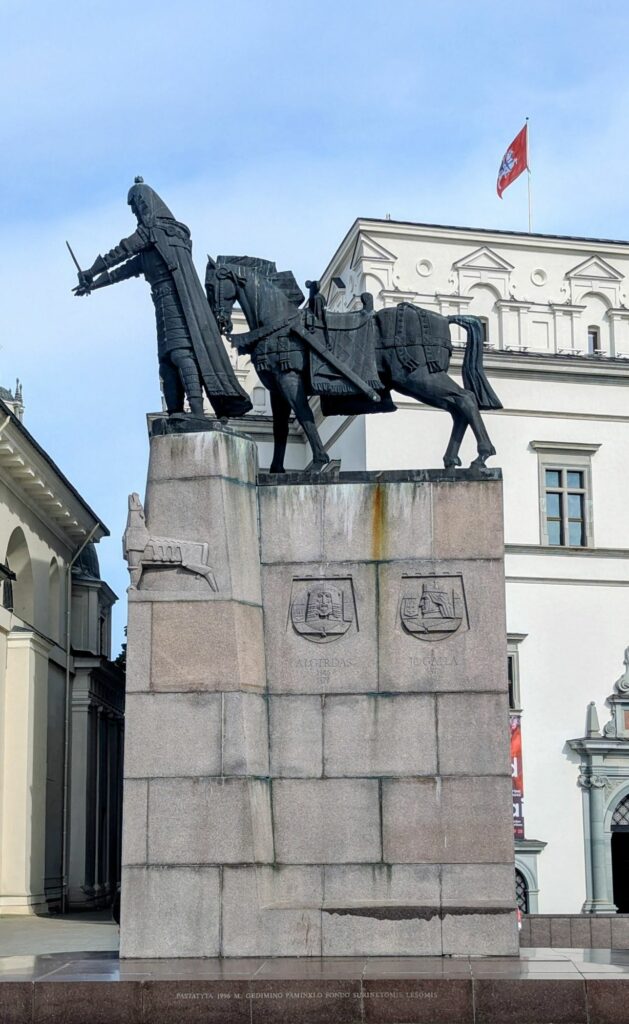
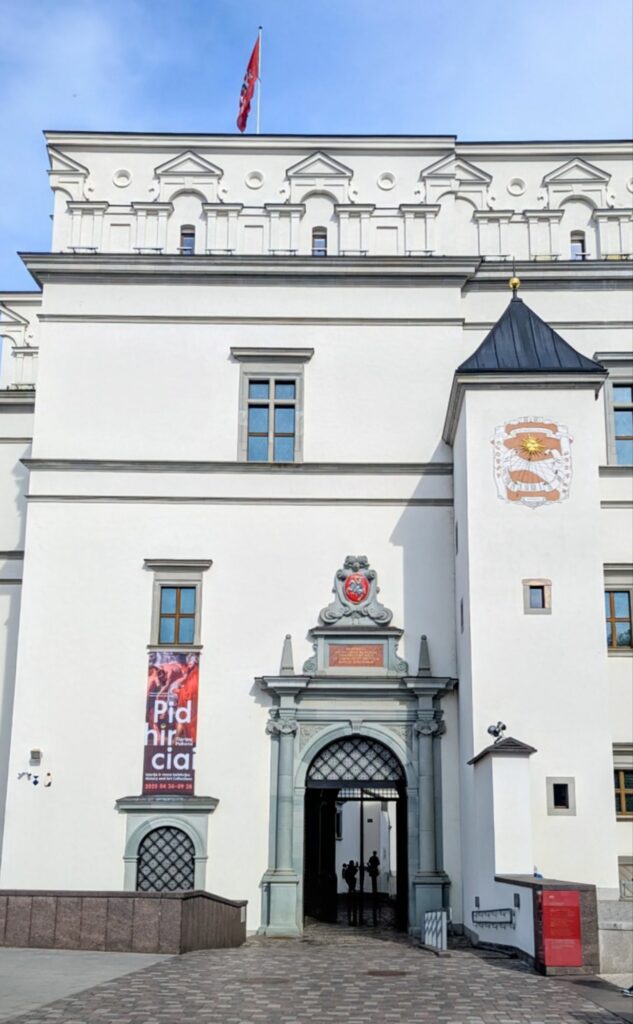
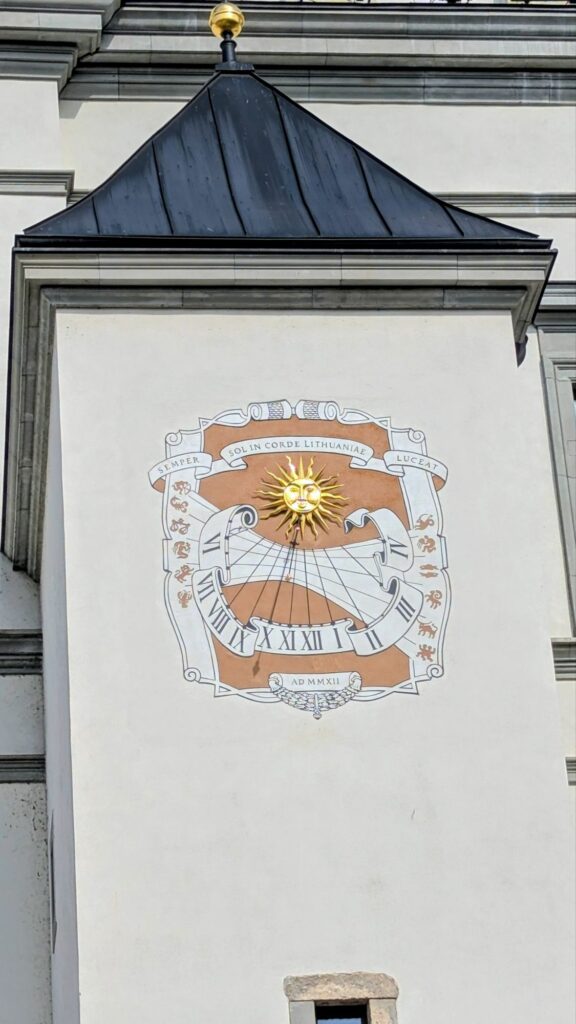
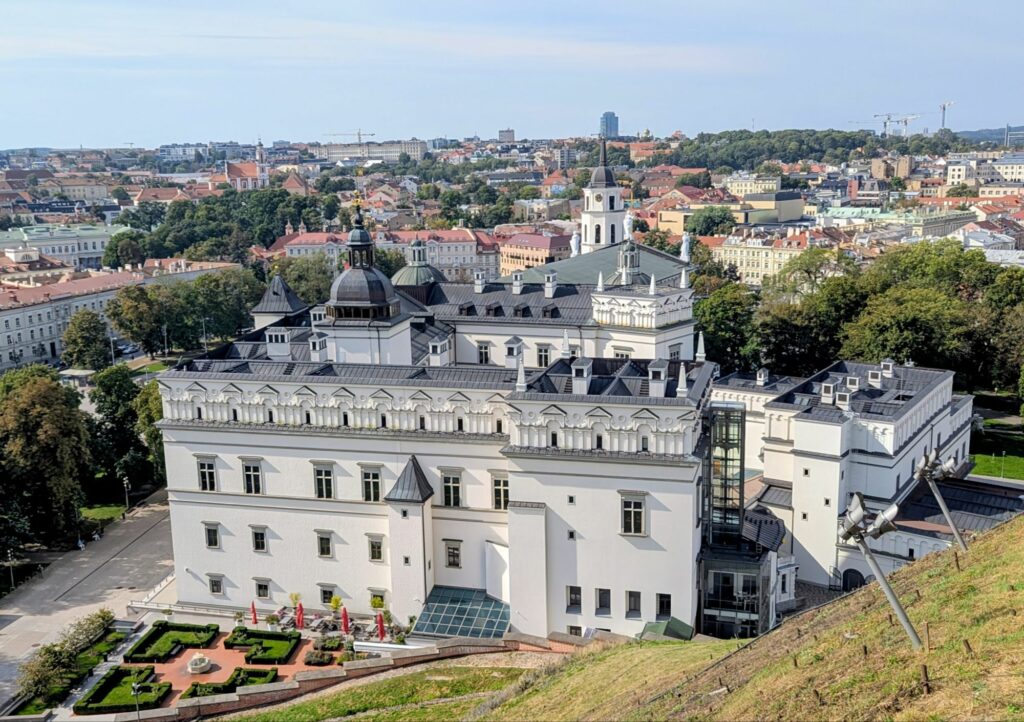
Palace of the Grand Dukes
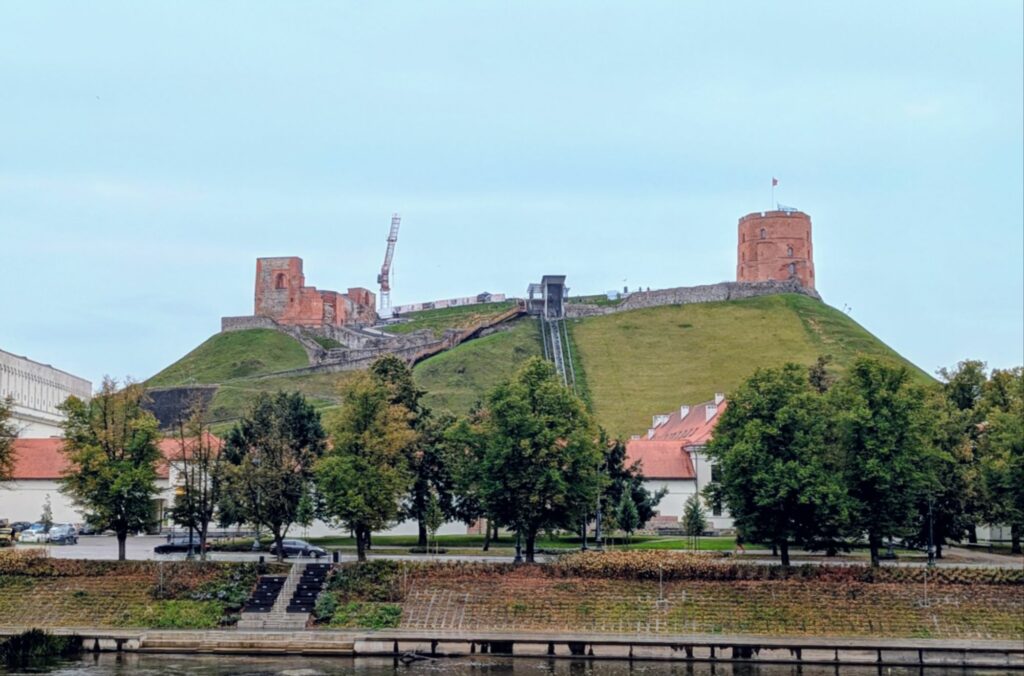
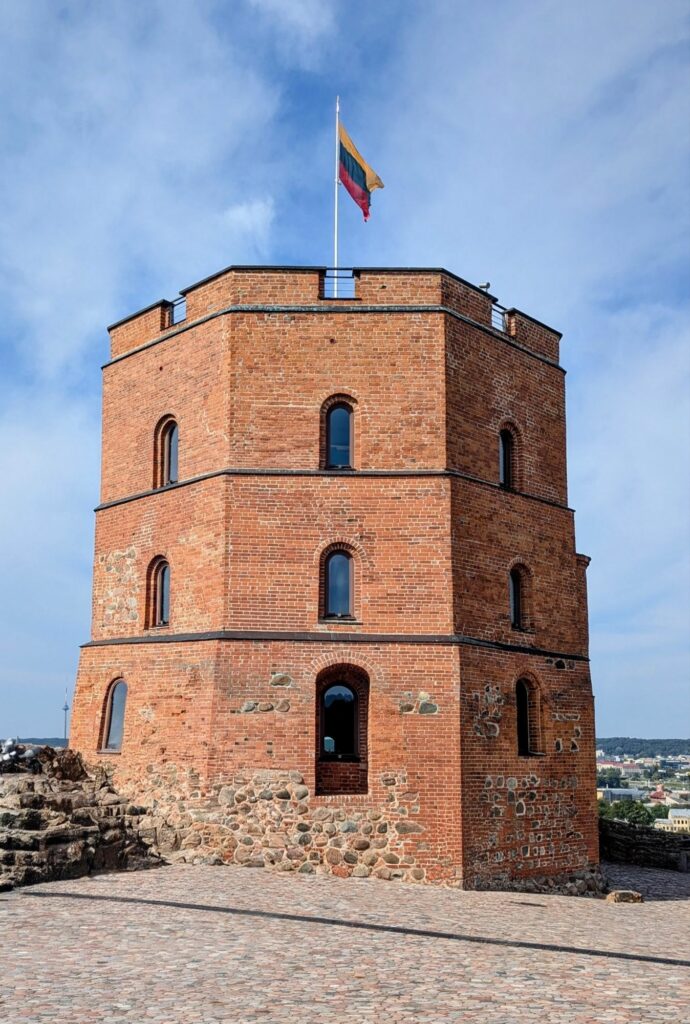
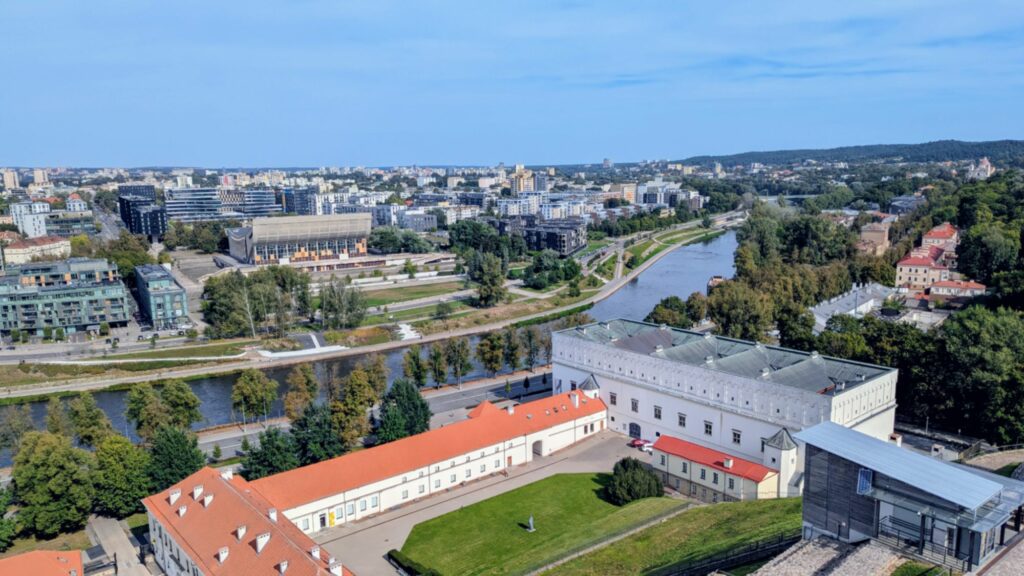
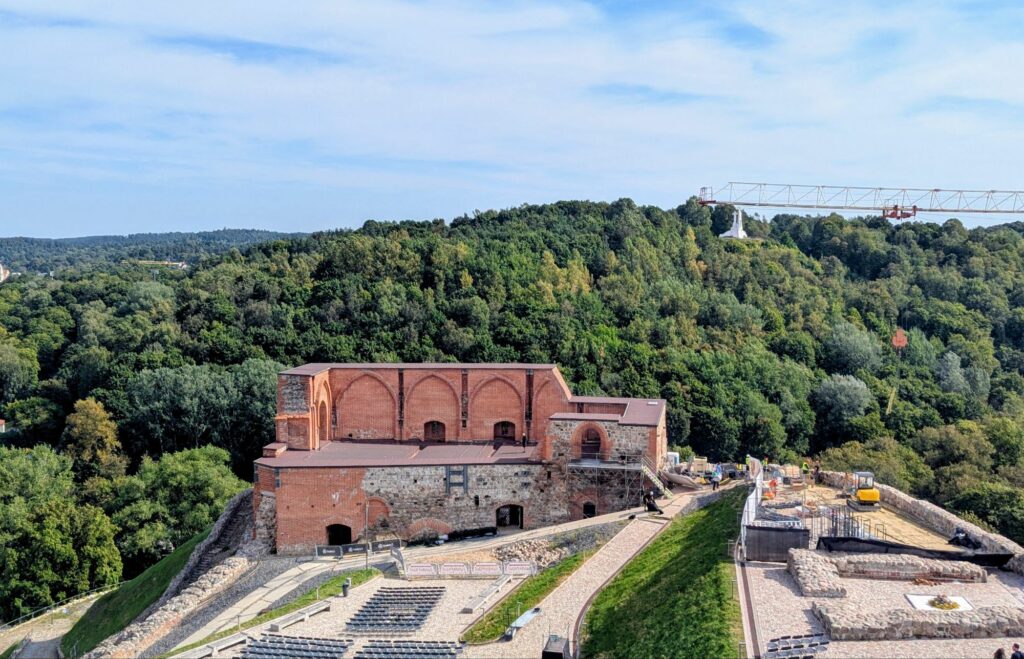
Gediminas Castle Tower
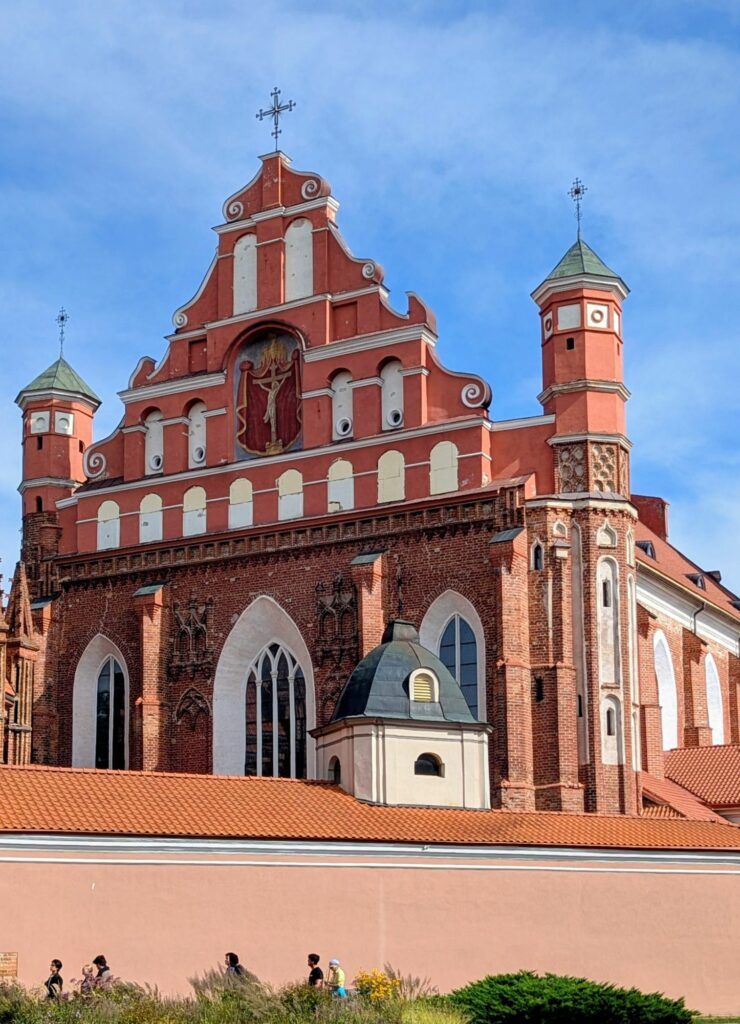
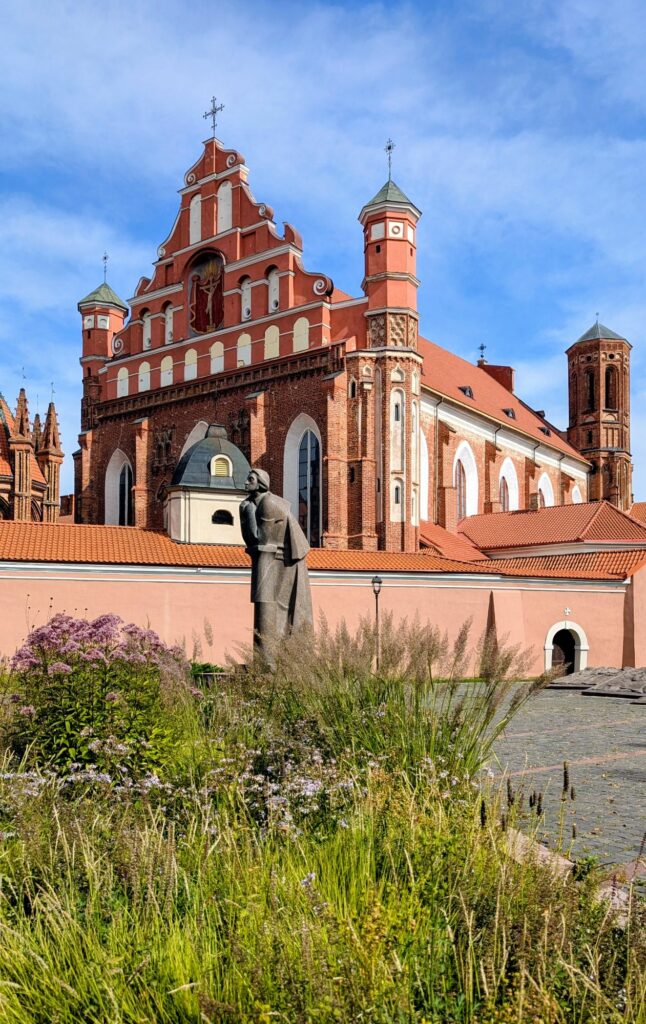
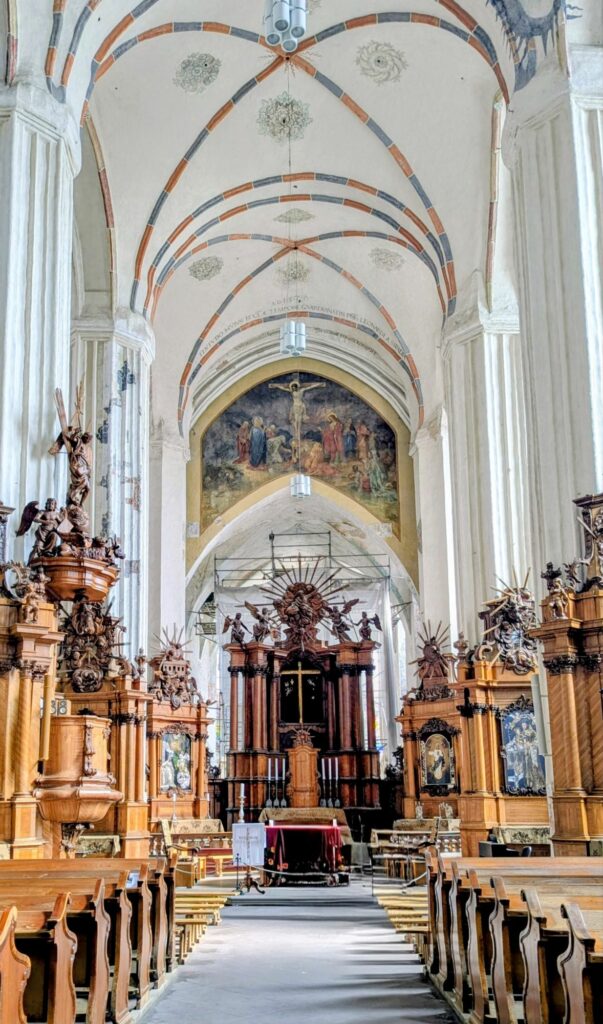
Bernardine Church
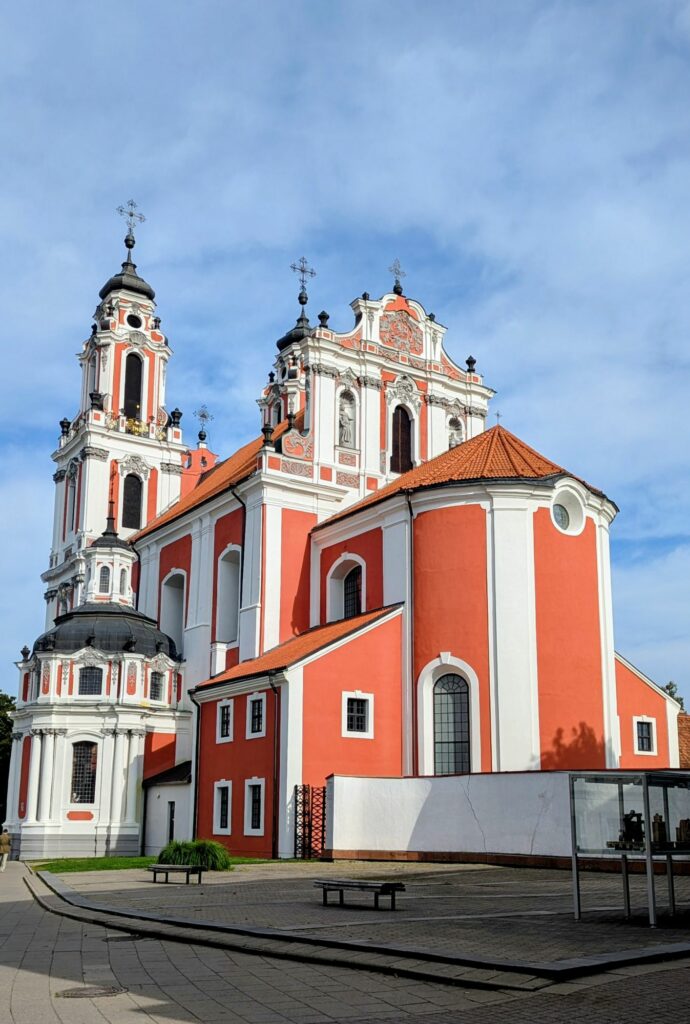
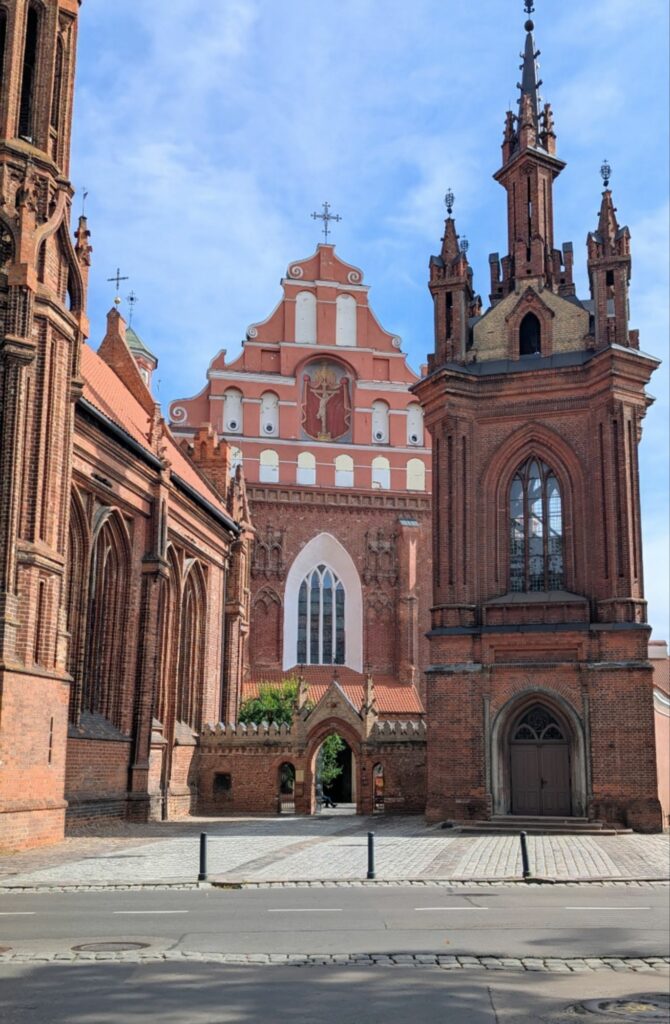
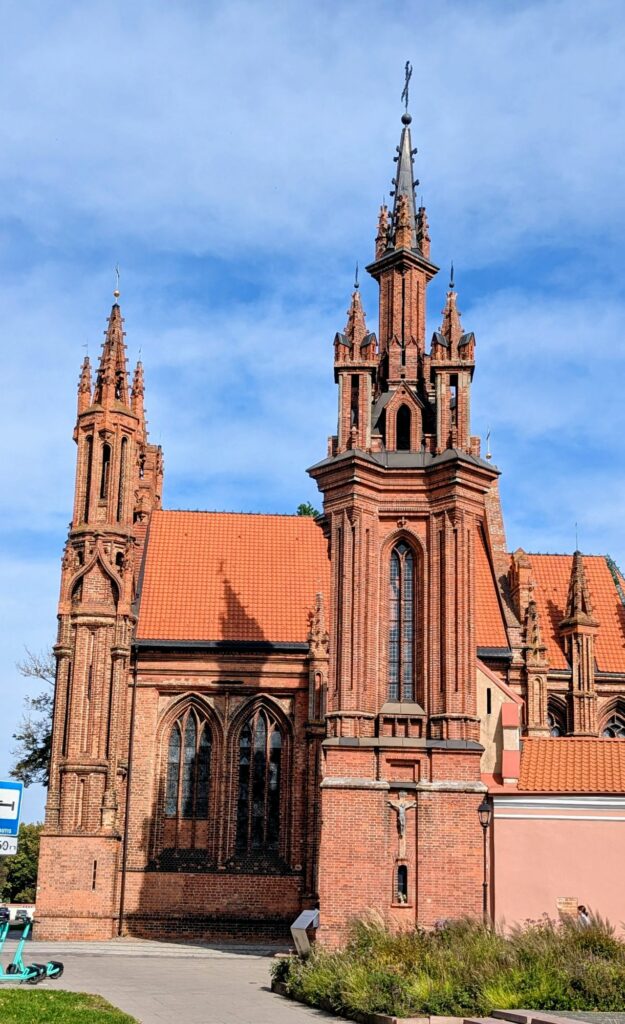
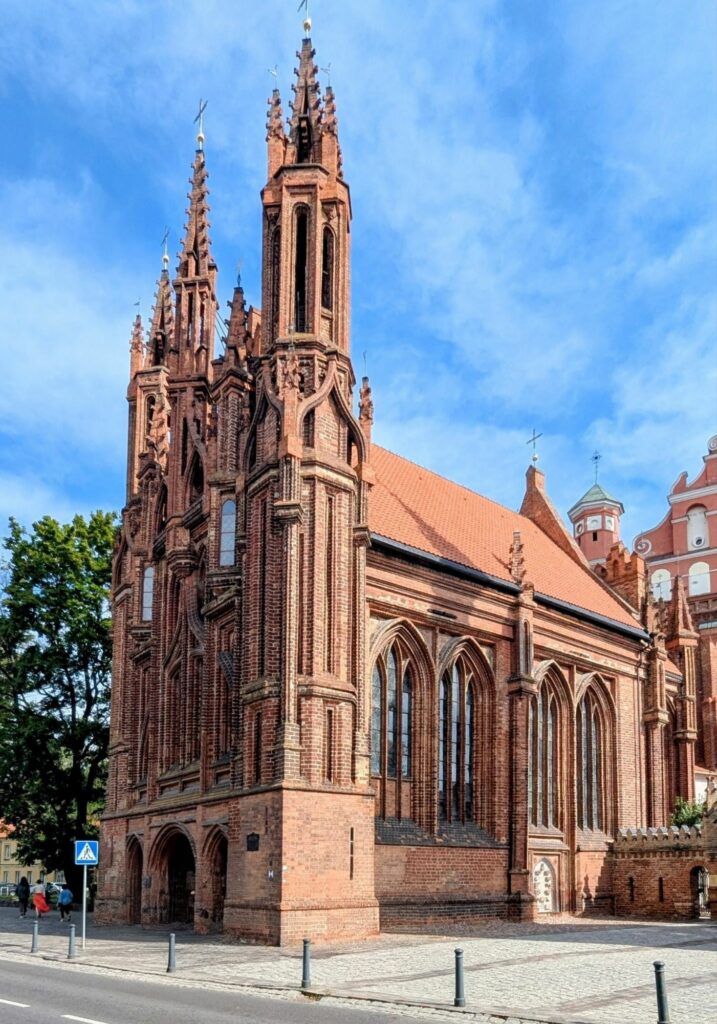
St Annes Church

This is a city that takes a bit of time and effort to “drill” beneath the surface and enjoy its offerings but when one does you are rewarded in spades.

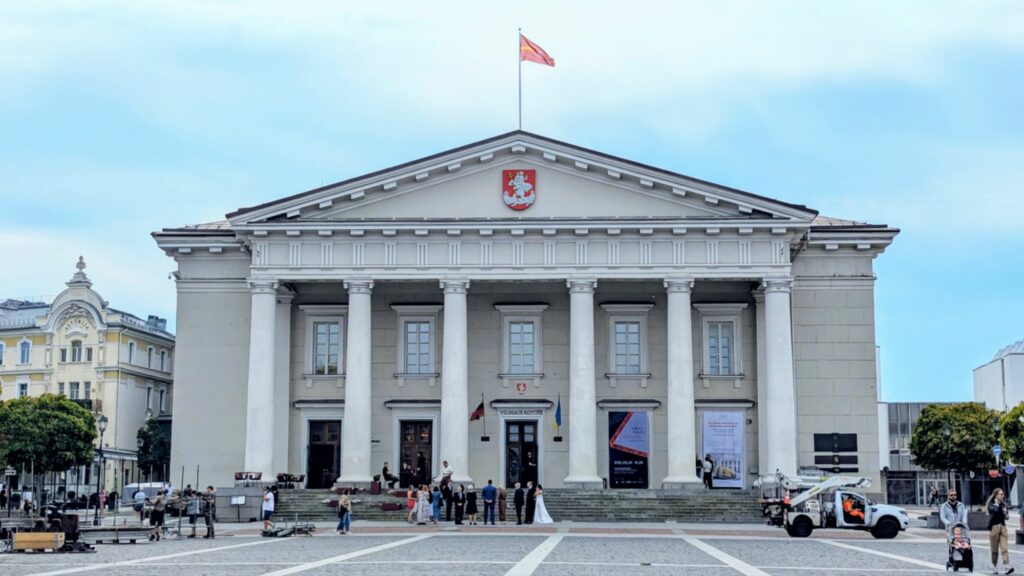
Town Hall
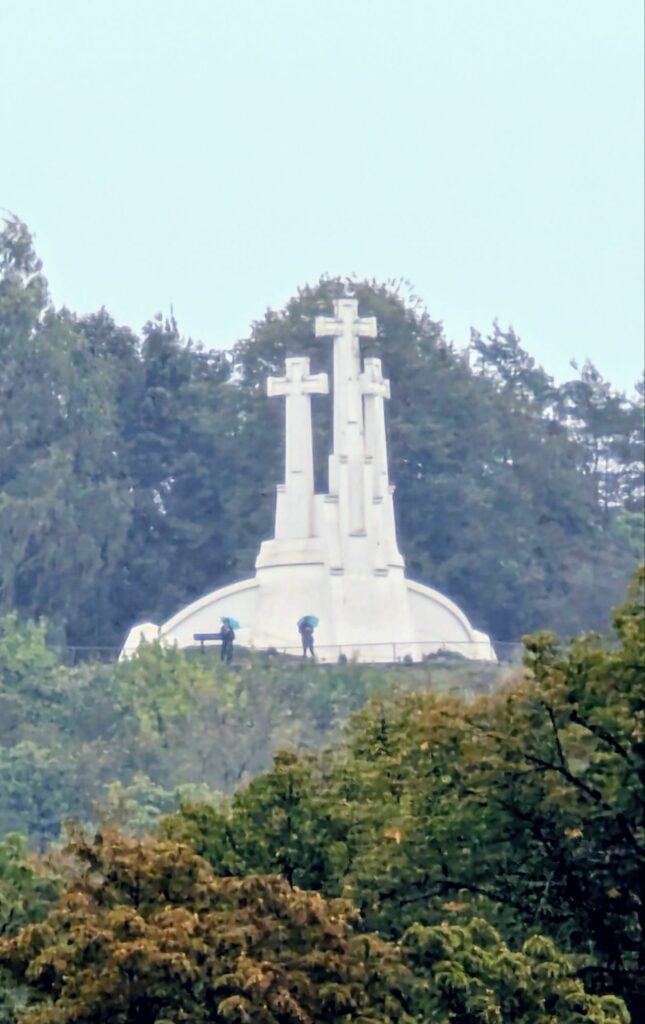
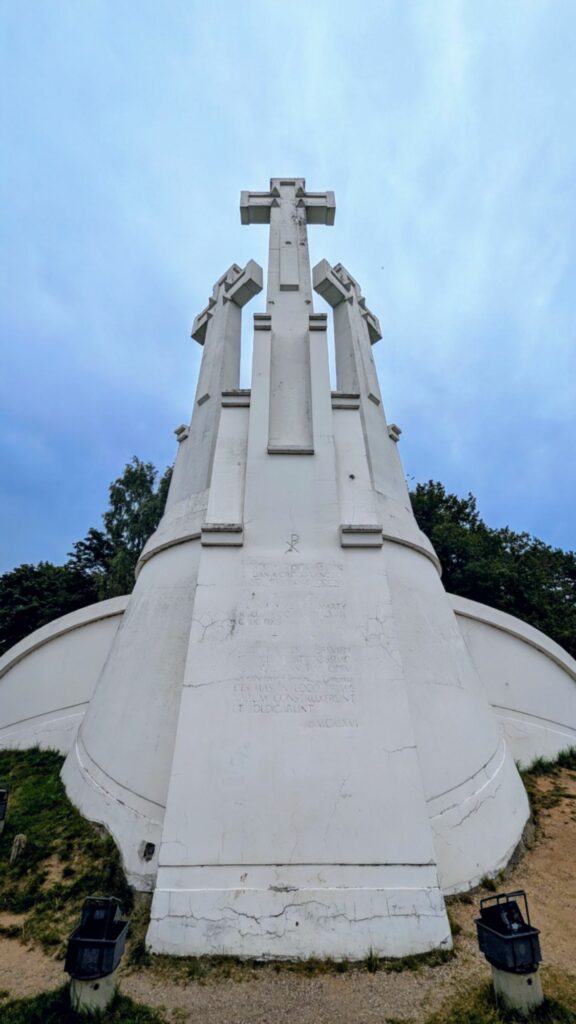
Hill of 3 crosses where the first three Christians were martyred
River Neris
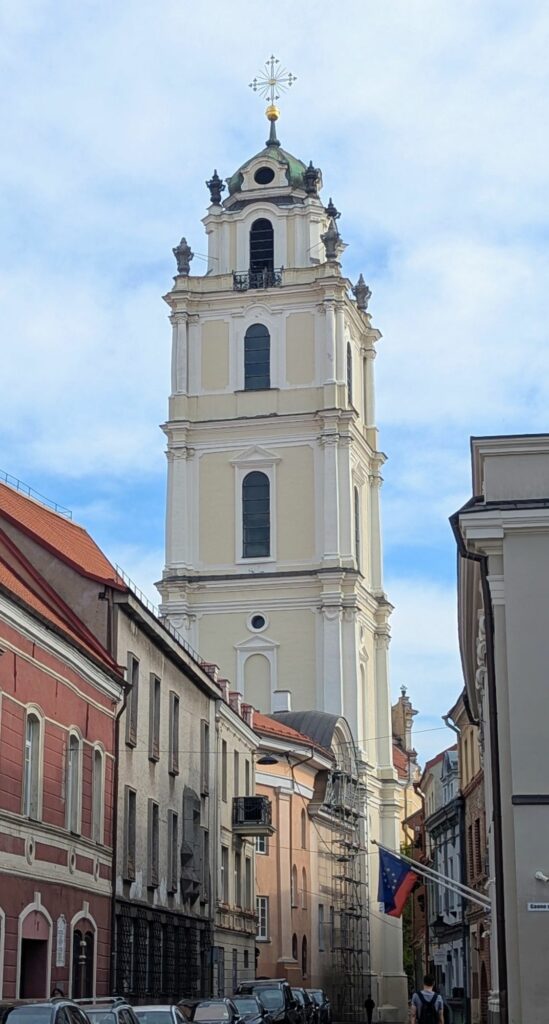
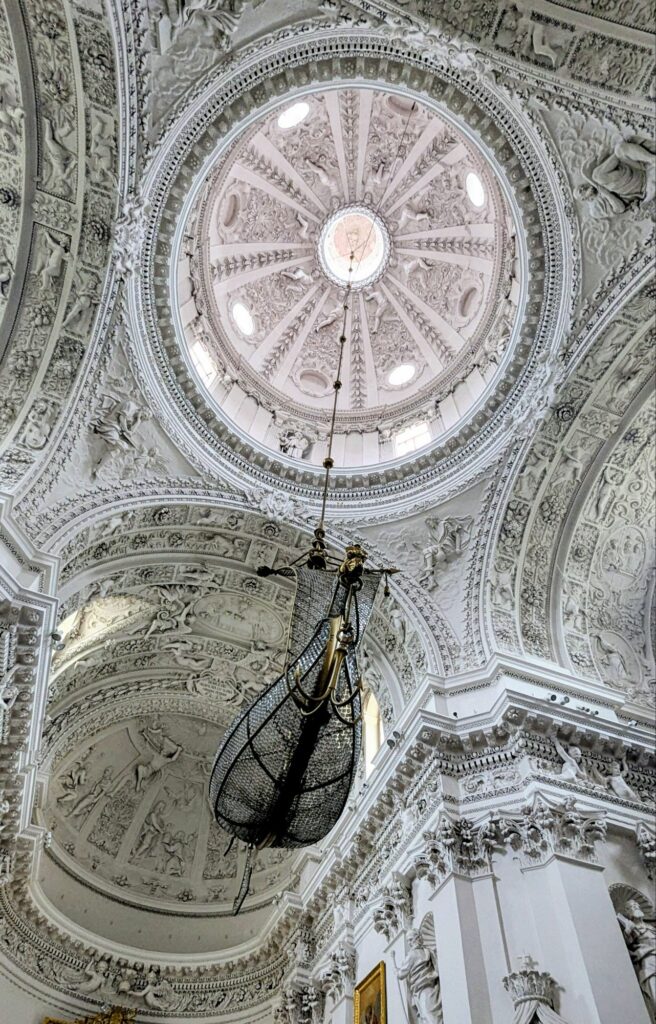
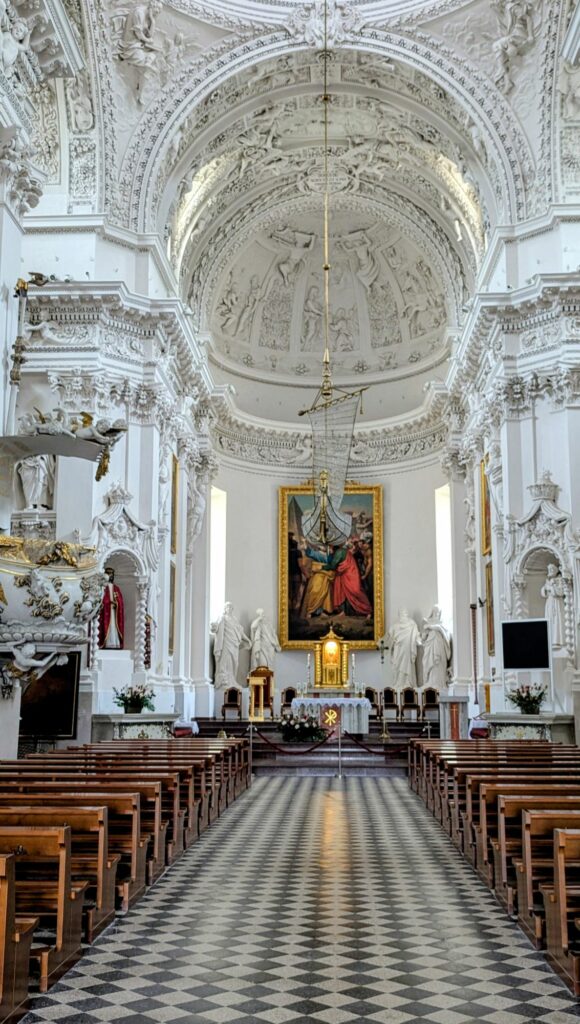
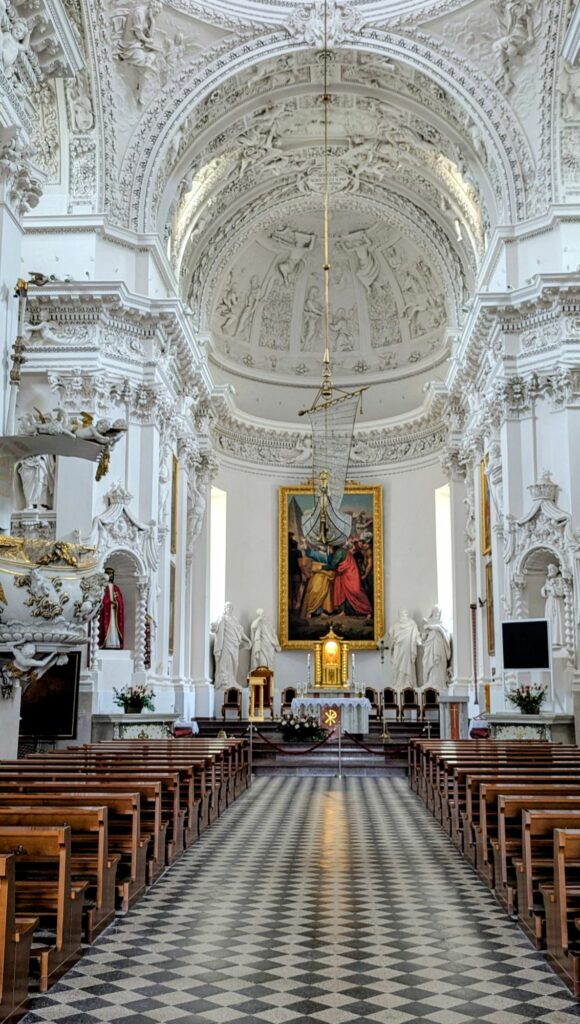
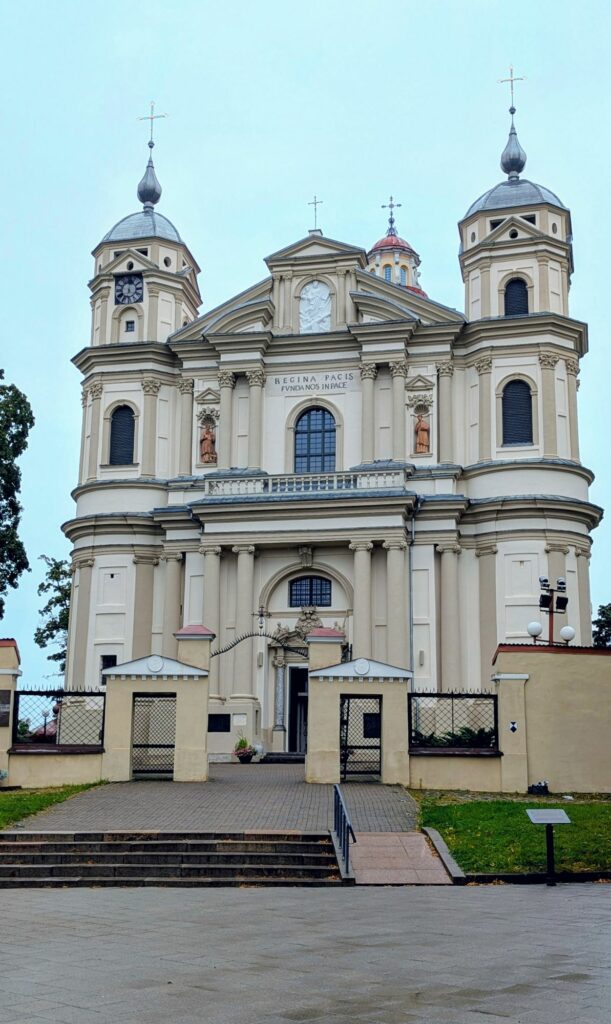
Church of St Peter and Paul
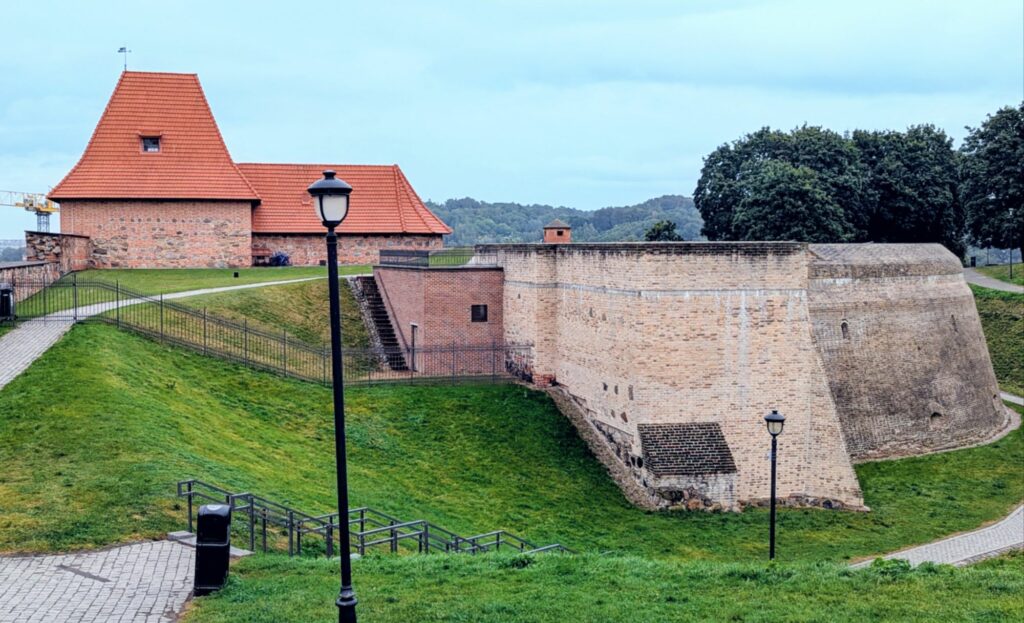
Vilnius Bastion
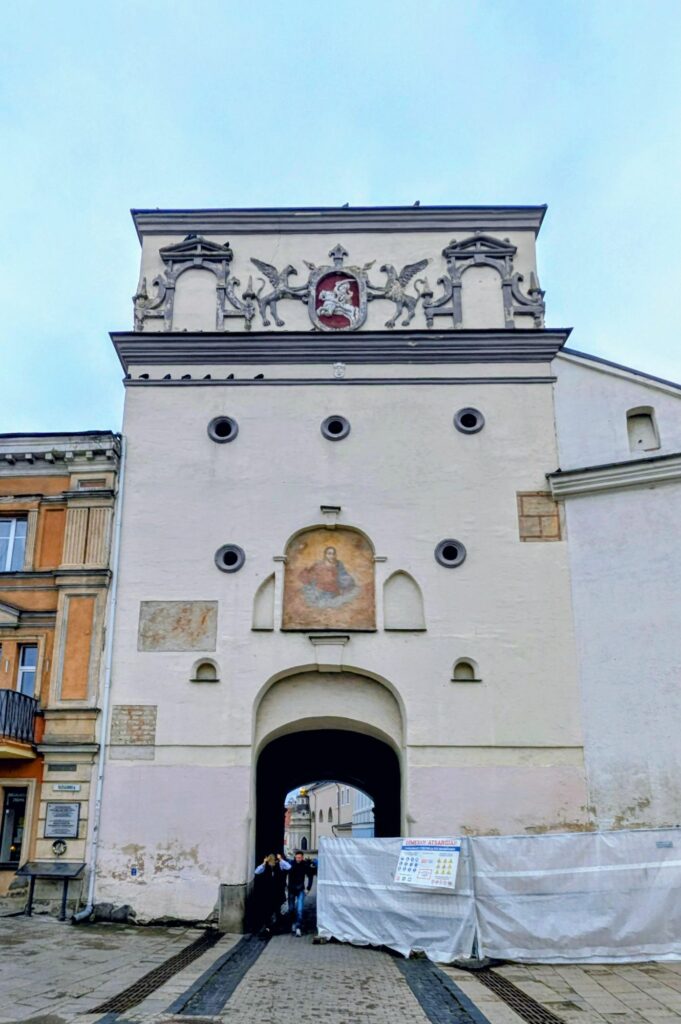
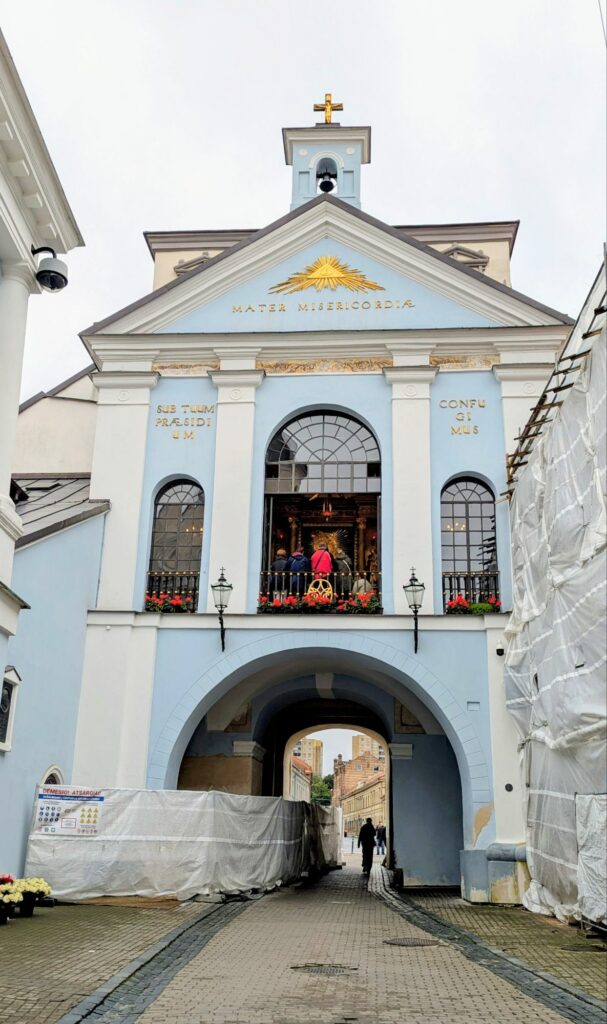
Gate of Dawn
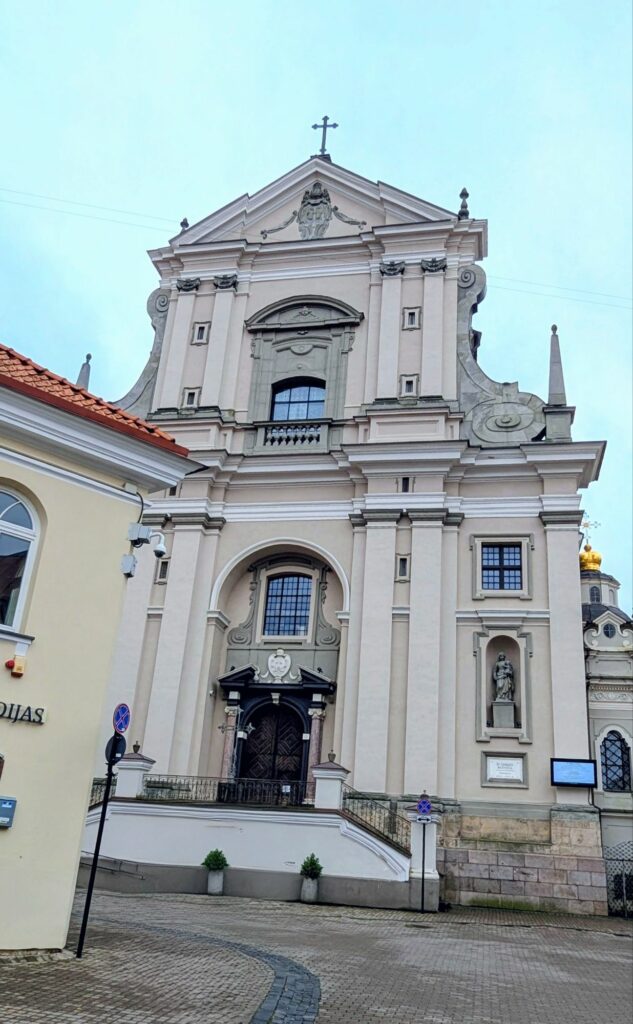
St Theresa Basilica
Orthodox Church of the Holy Spirit
Categories
Baltics 2025

Hill of Crosses

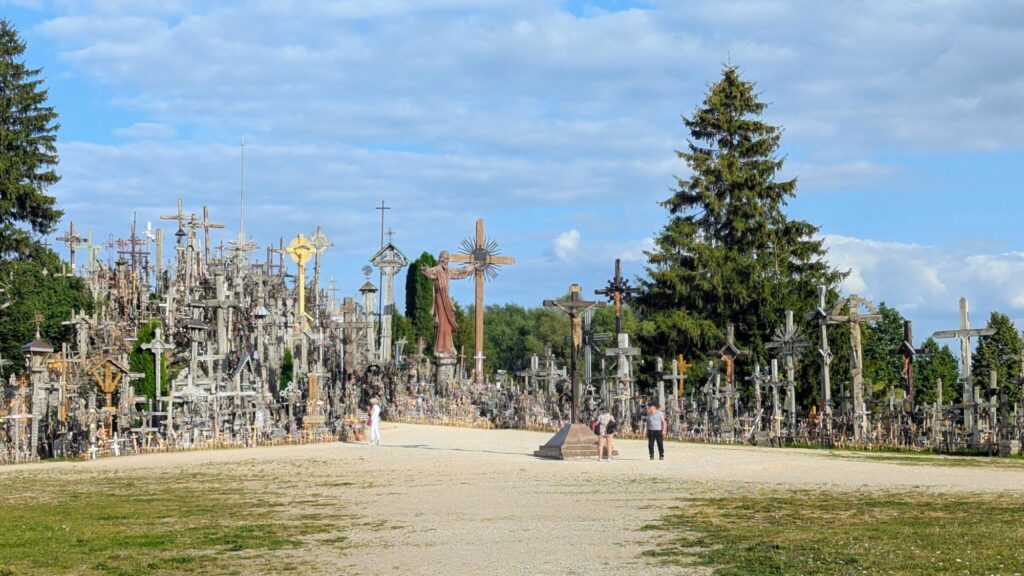
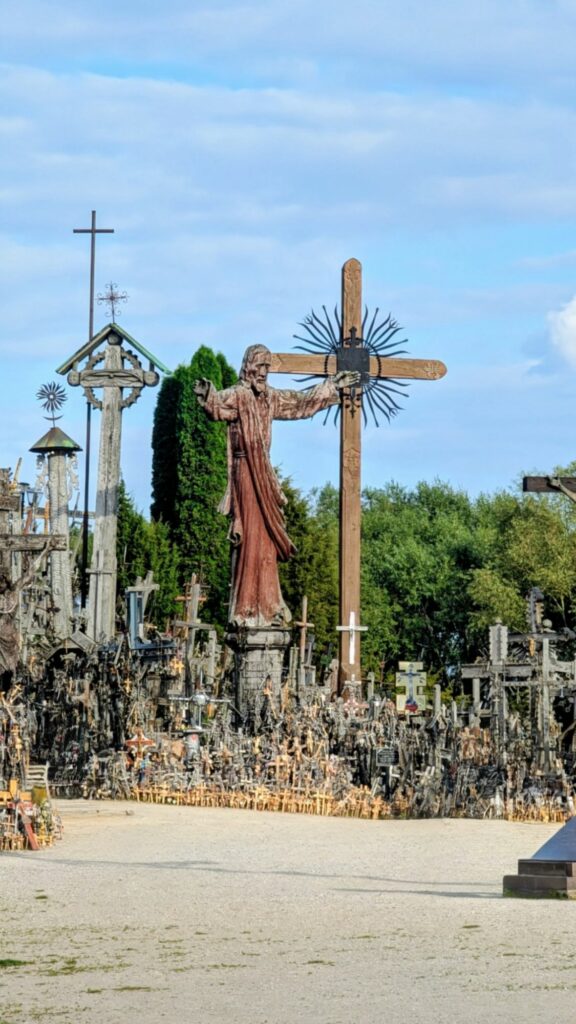
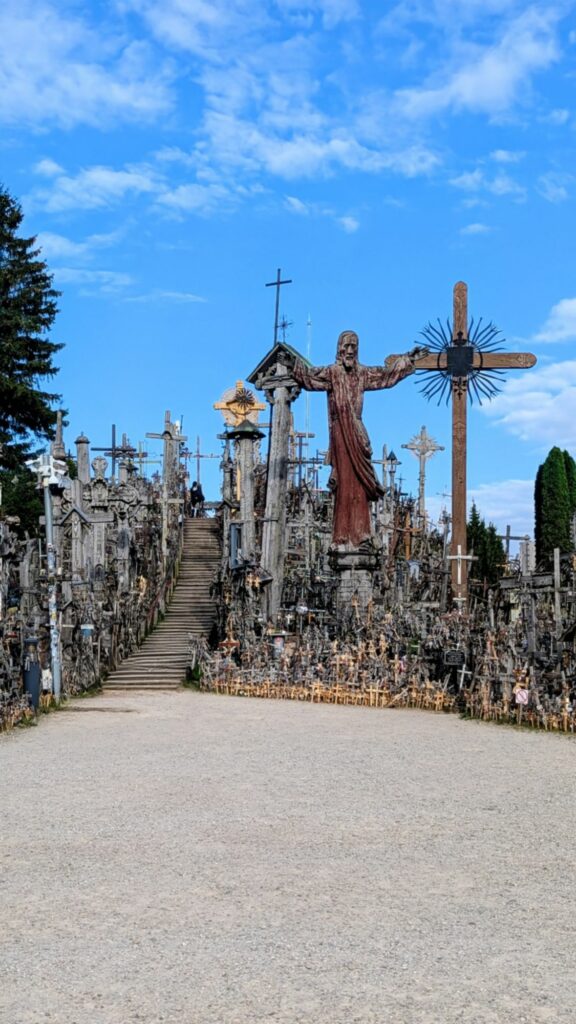
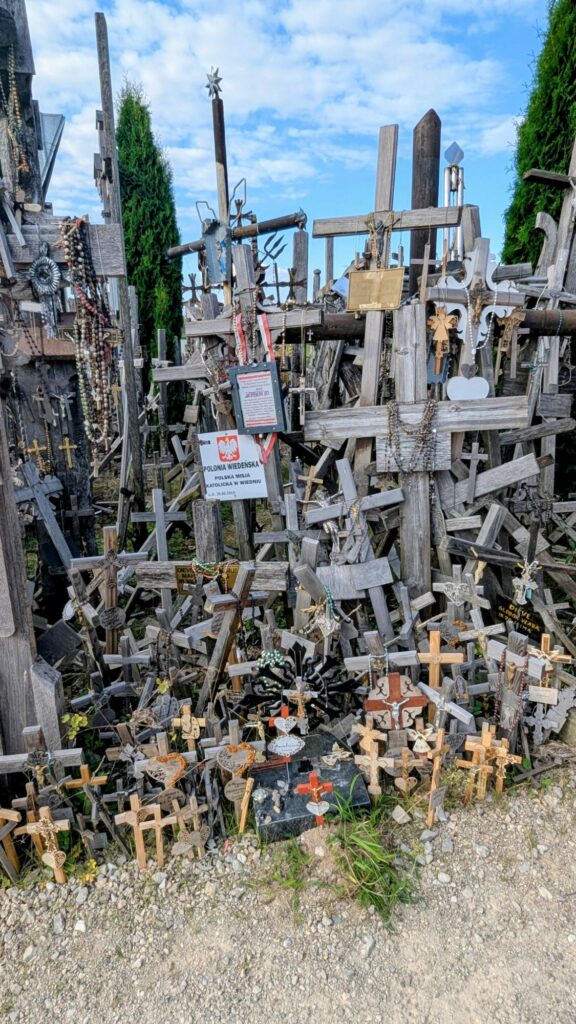
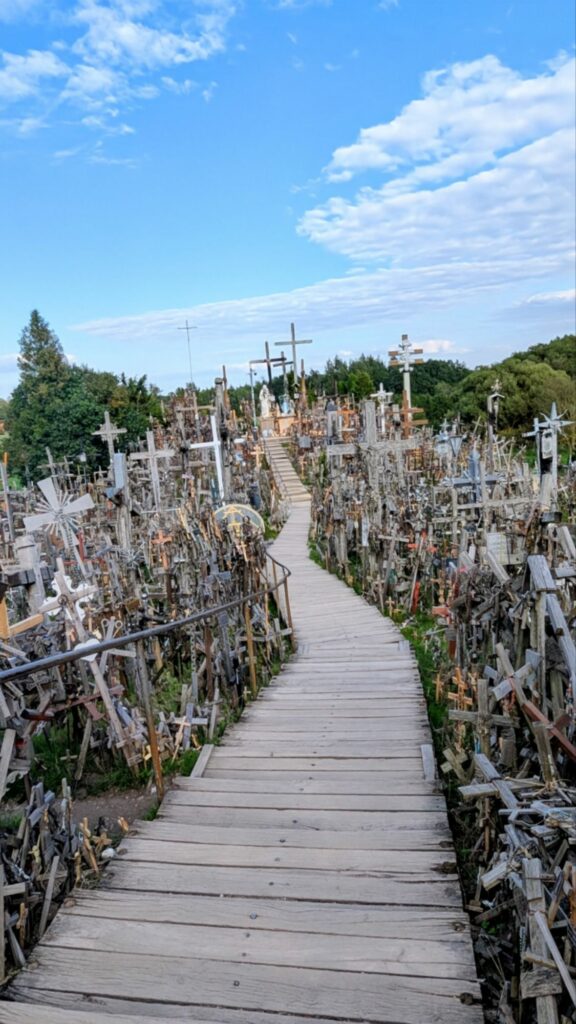
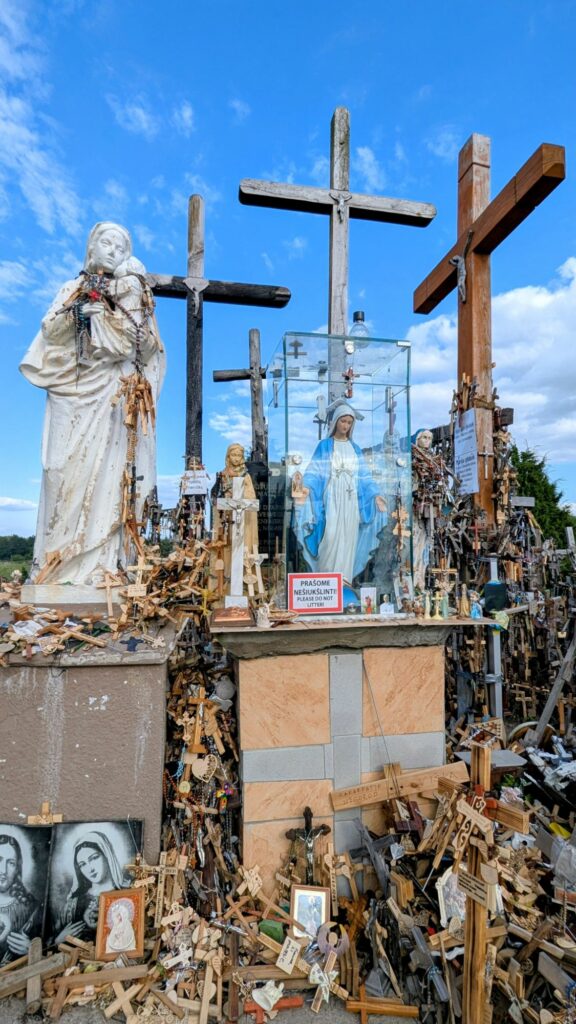
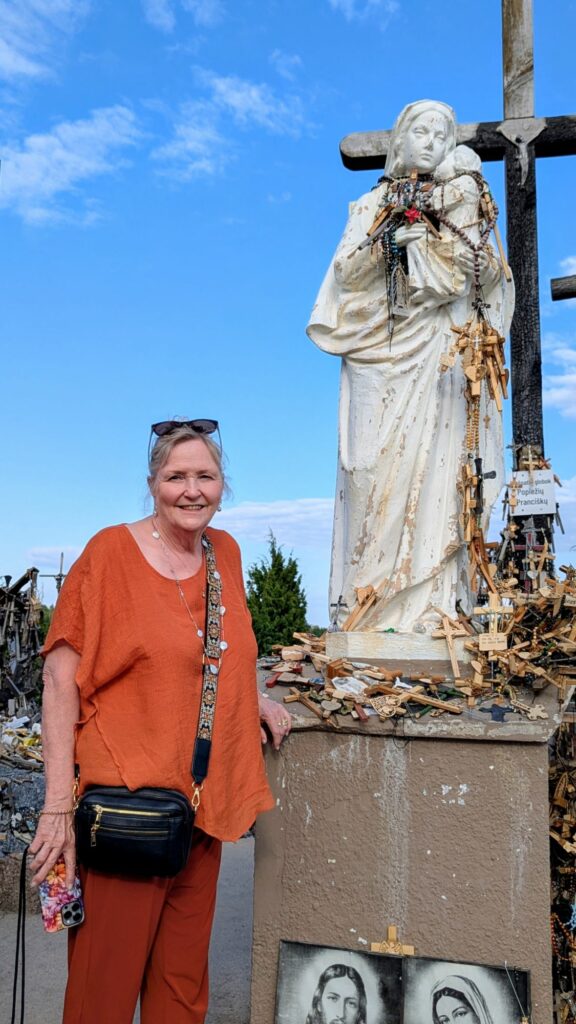
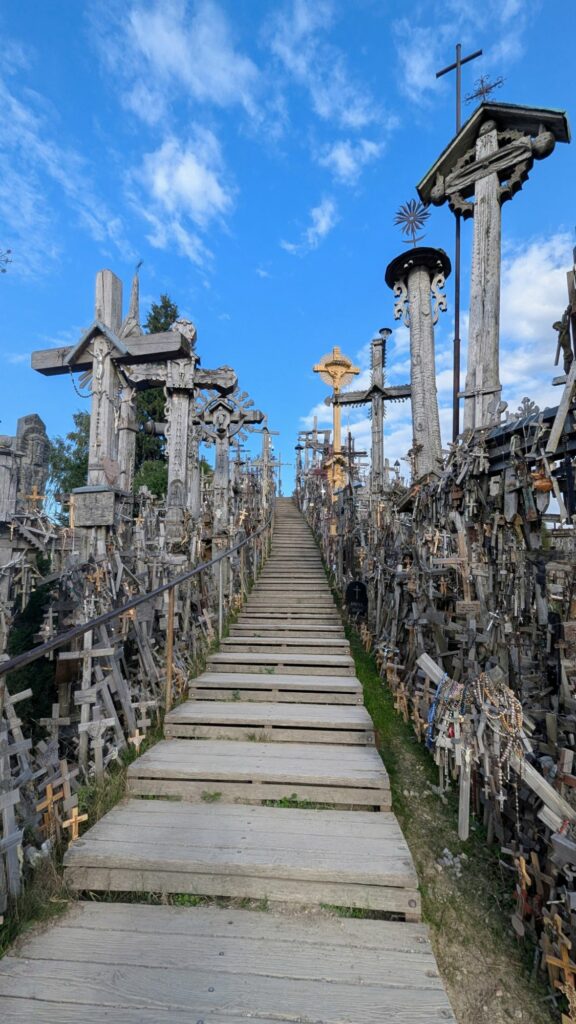
One of the more unusual sights we have seen is the Hill of Crosses in the north of Lithuania. Originally a site of a mediaeval wooden castle it became a site for people to erect crosses after the 1863 uprising. The Soviets tried to destroy the hill numerous times demolishing thousands of cross in the middle of last century. After independence in 1991 the hill became a major pilgrimage destination. Estimates now place the number of crosses at a mind boggling 200,000. Walking through the site is at once inspiring and macabre. The gentle breeze sets the Roary beads tinkling among the veritable forest of crucifixions.

Arriving in Kaunas Google maps gets us into a rundown old Soviet style courtyard. The buildings alongside look run down and somewhat derelict. This is our accommodation! Walking up 4 flights of stairs we open the door and step into a dazzling white luxurious apartment. Go figure! This is a common theme in the Eastern European former Soviet states. Since independence in 1991 entrepreneurs have taken old apartments and renovated them for tourist rental. I have experienced this in Moldova and Albania and even in non Soviet Greece in the port town of Piraeus.

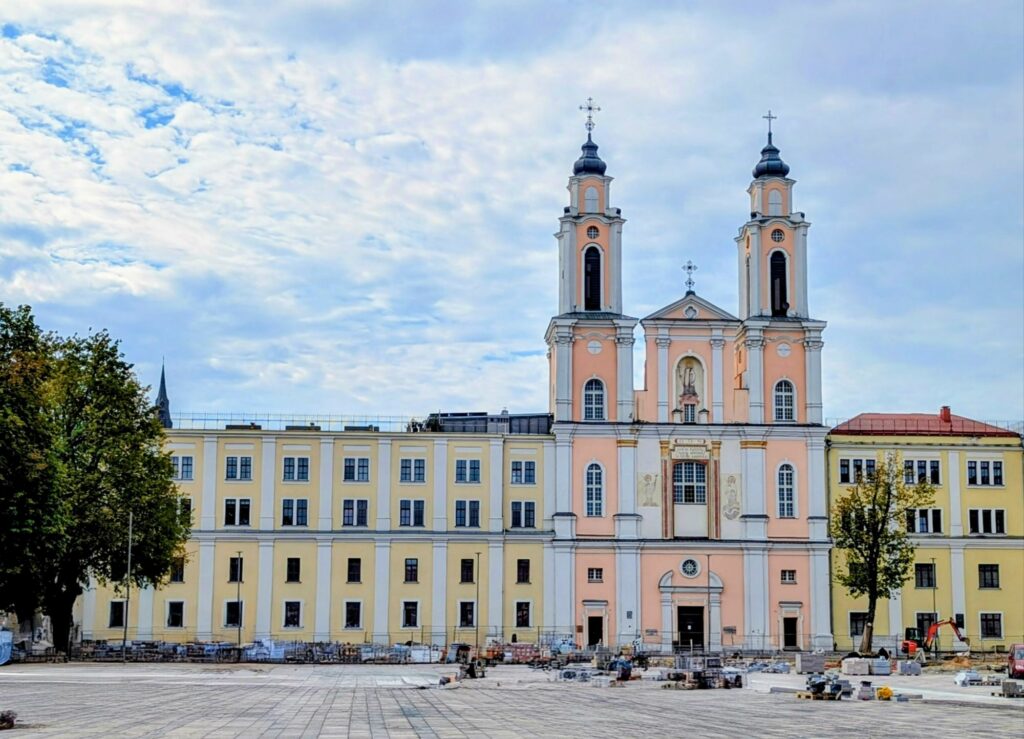
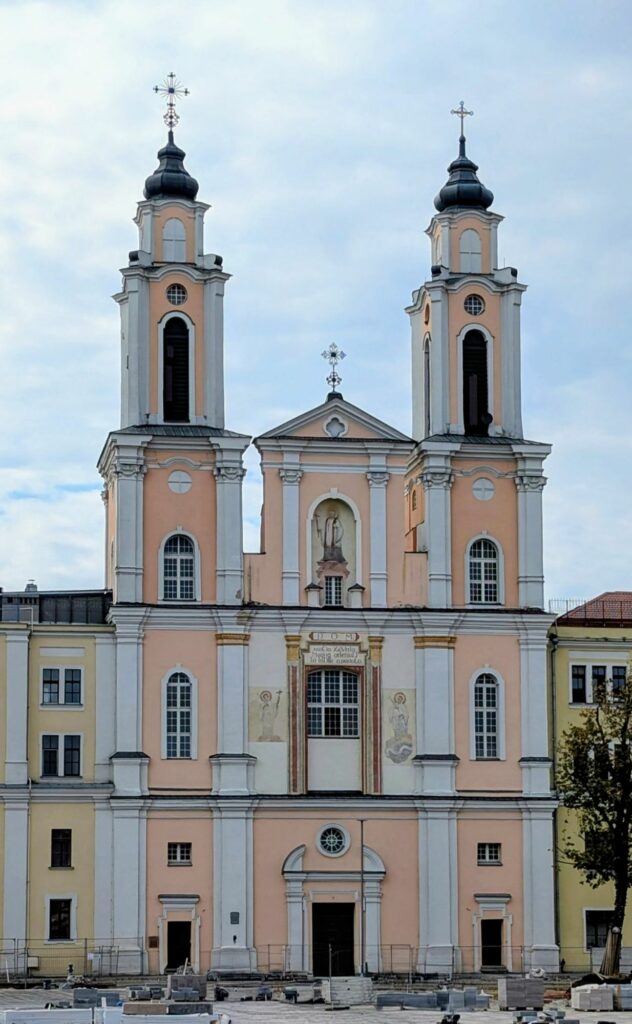
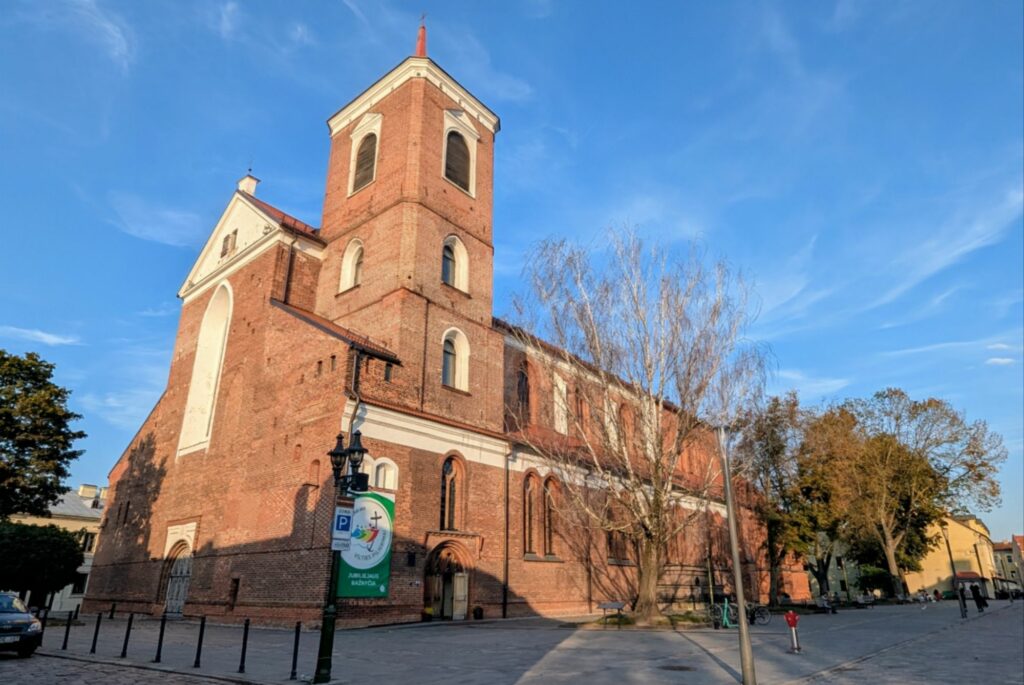
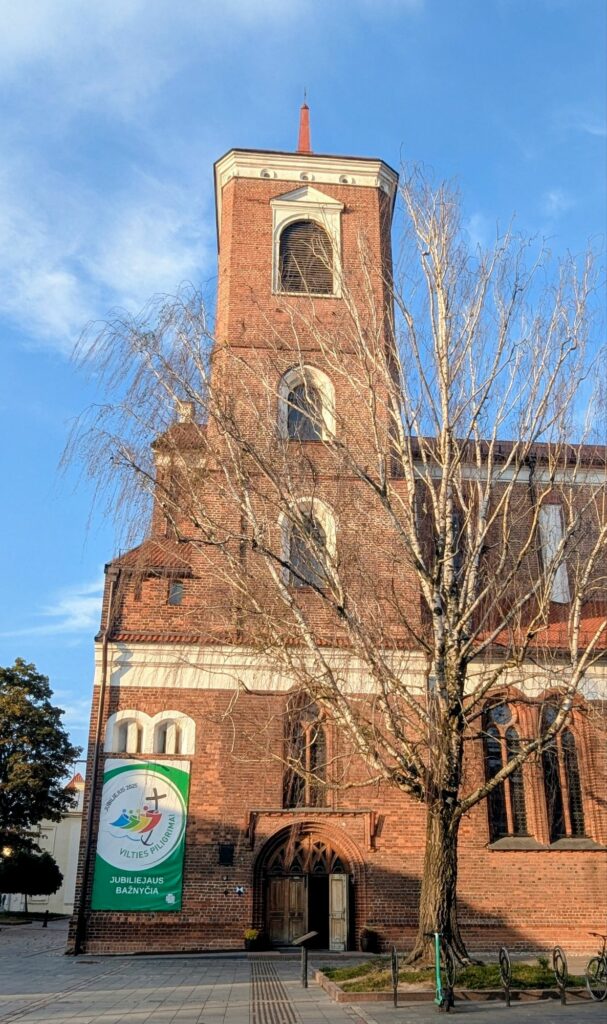
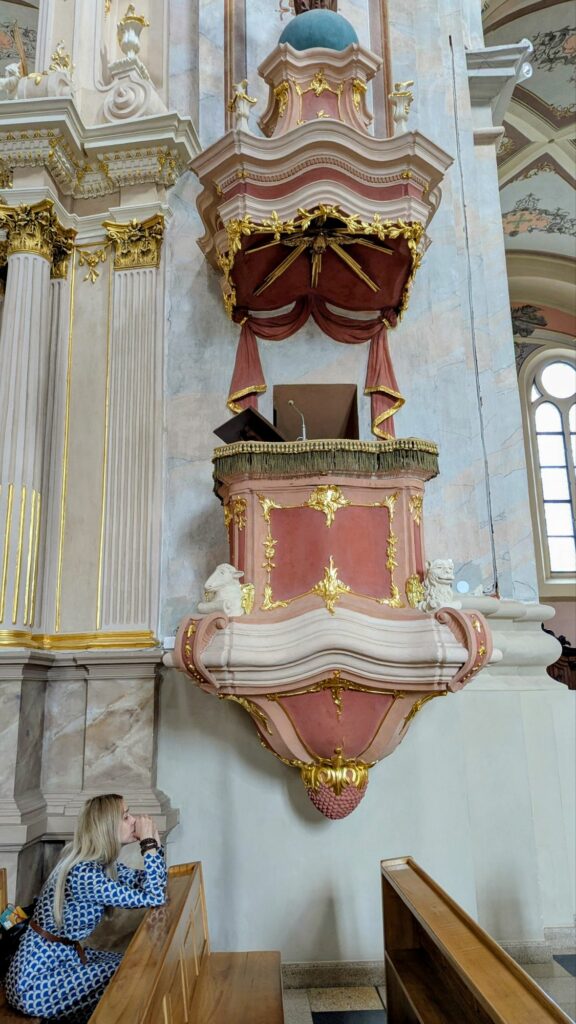
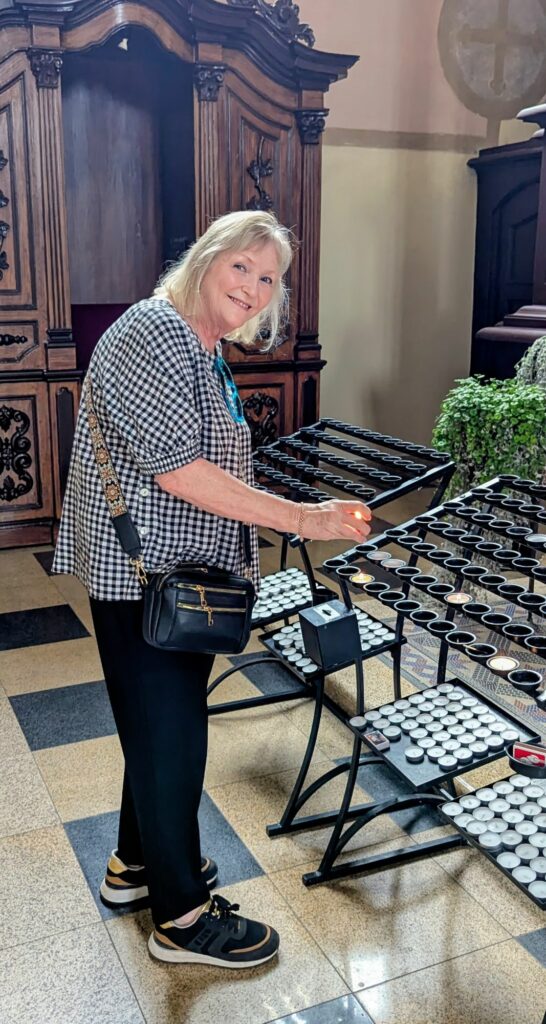
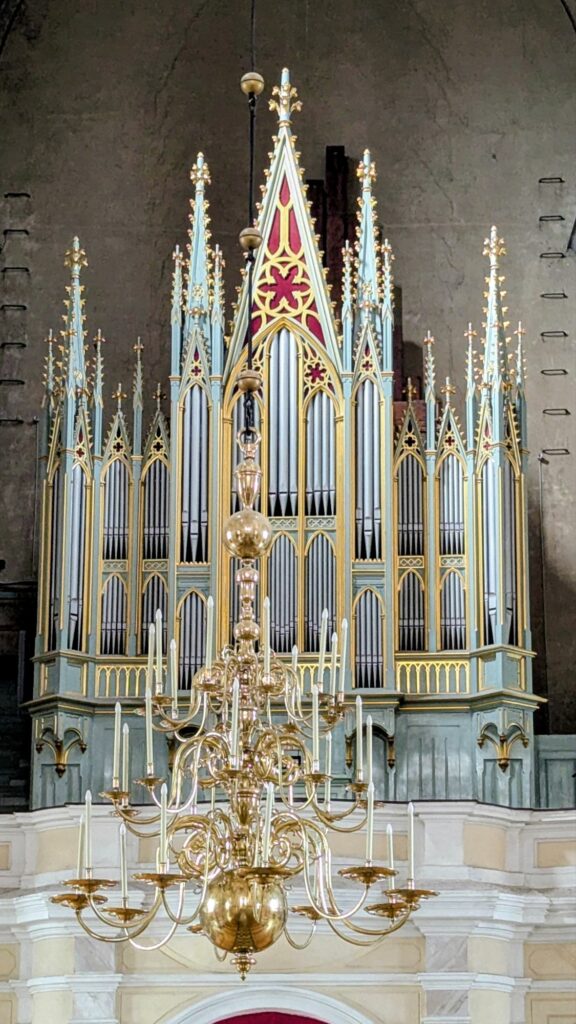
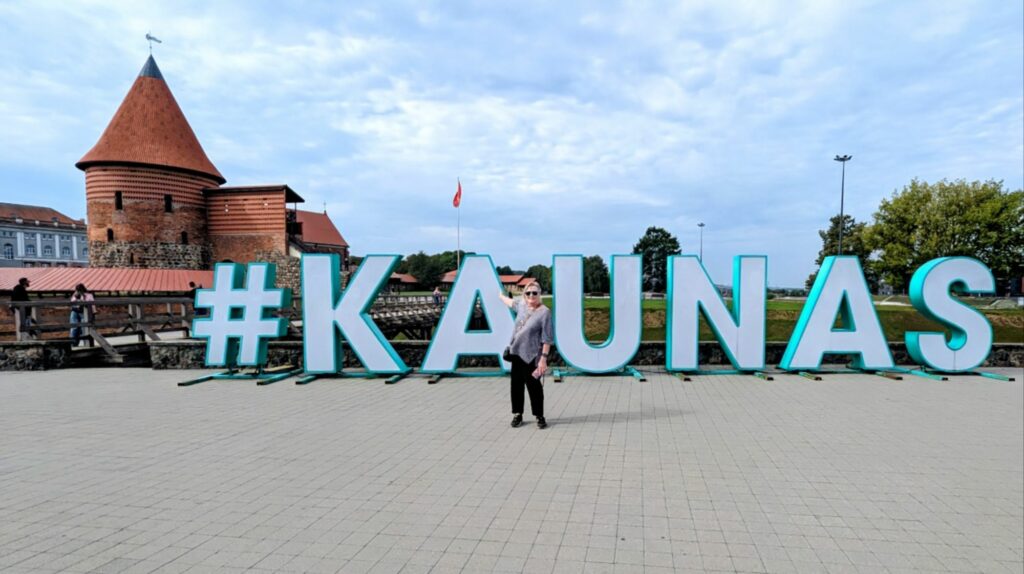
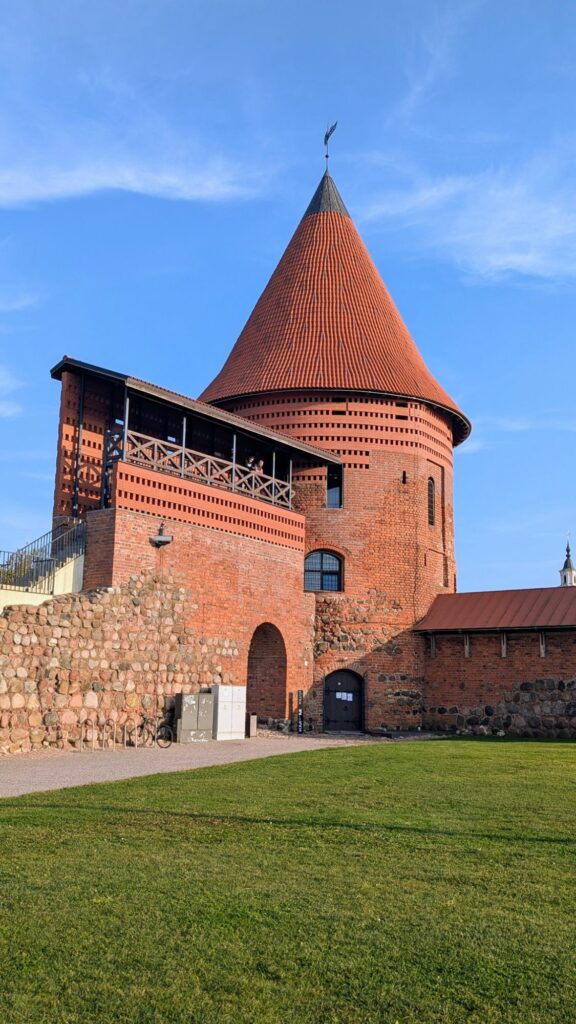
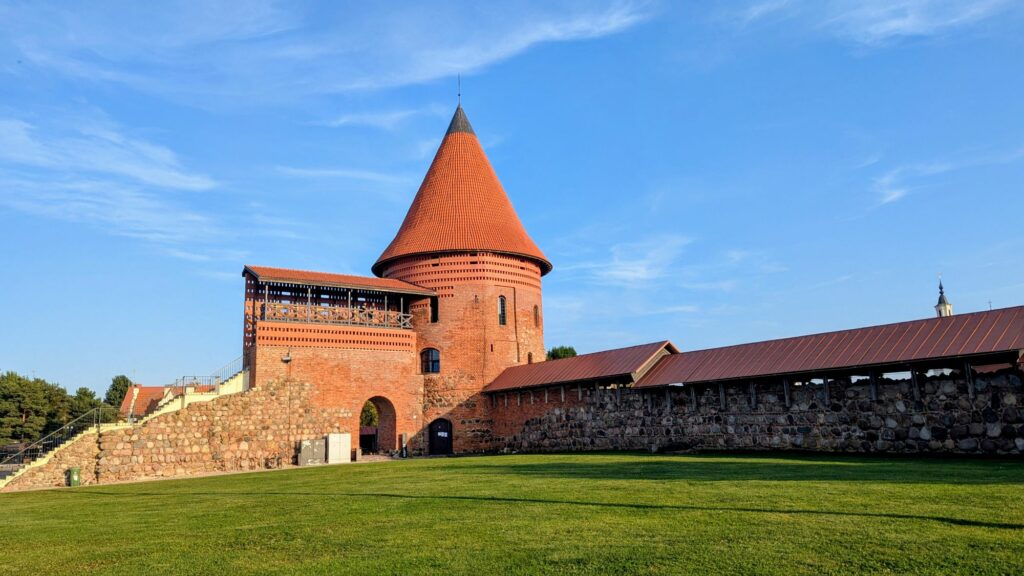
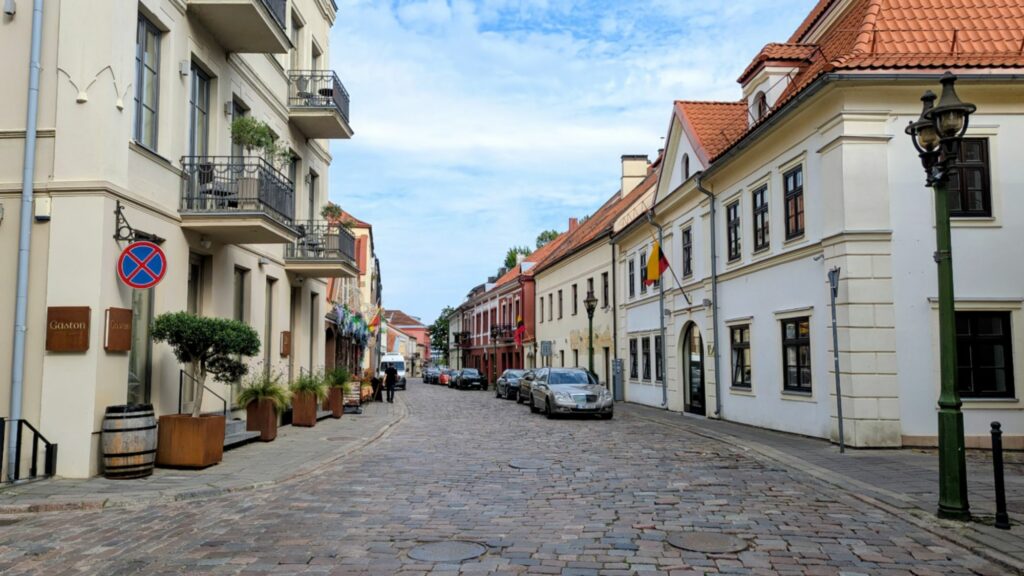
Kaunas is Lithuania’s second city. It has a small old town which, after Riga, paes by comparison. Nonetheless the remains of the 14th century fort and the beautiful Gothic cathedral are certainly worth a look.

Main square
St Peter and Paul Cathedral
Stunning Pieta
Kaunas Fort
Categories
Baltics 2025

Farewell Latvia

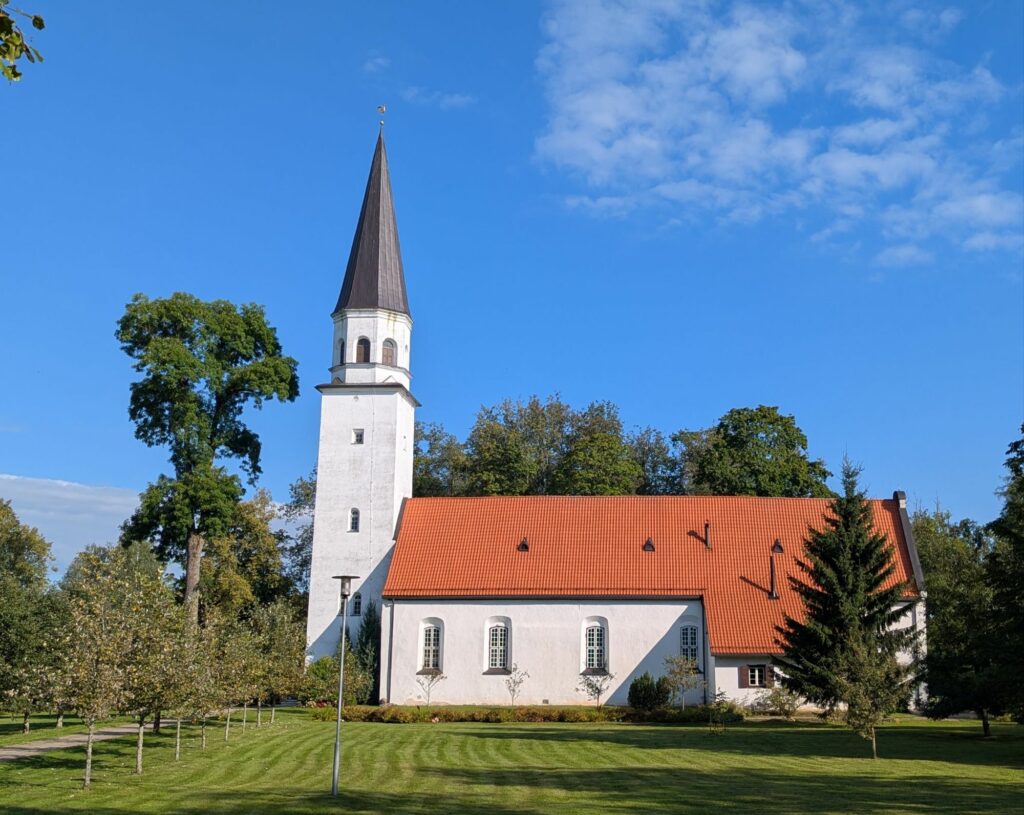
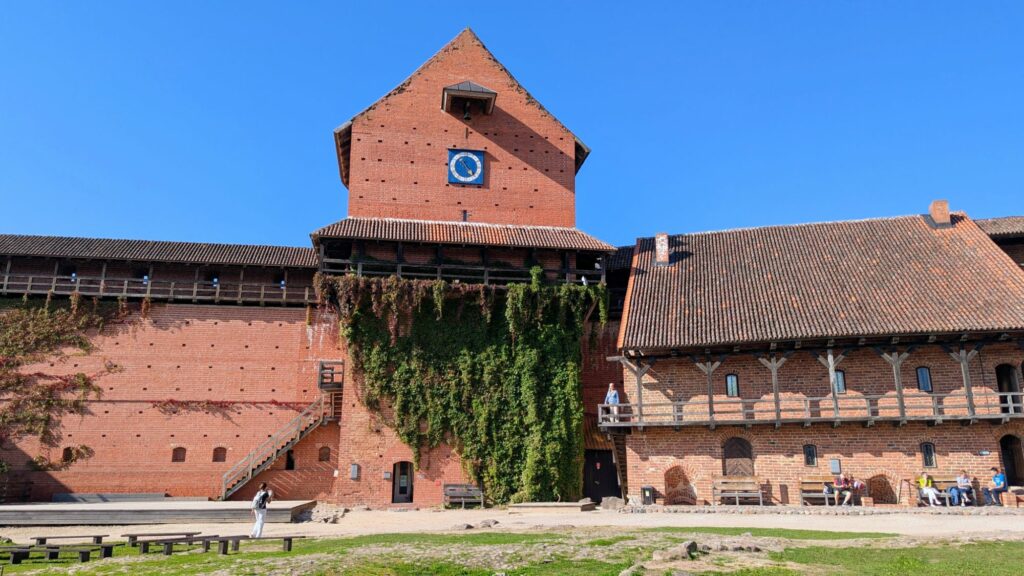
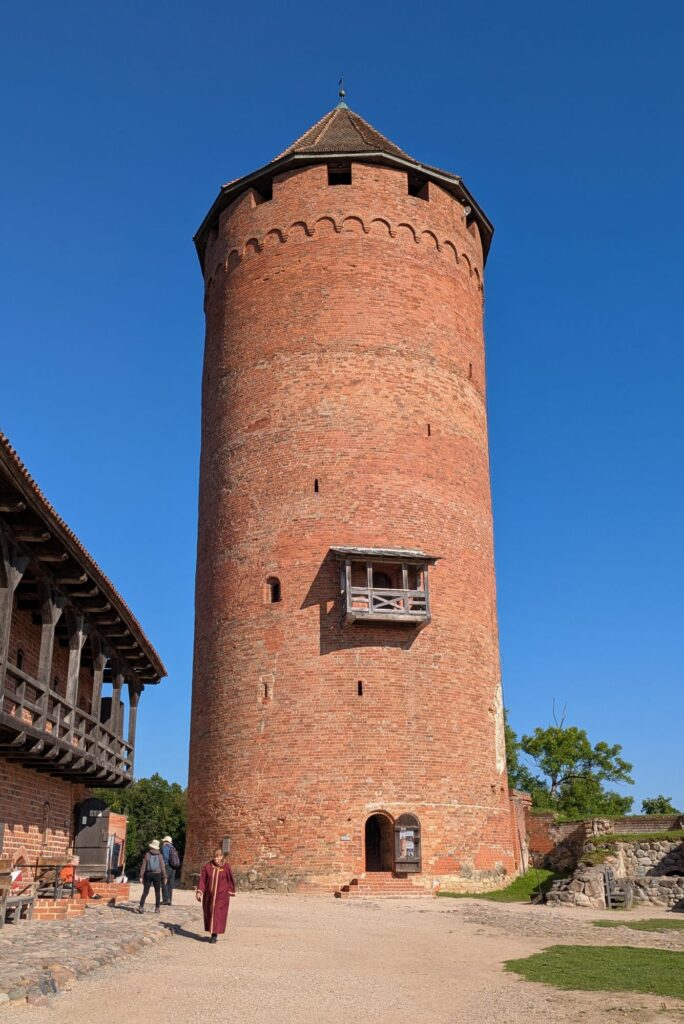
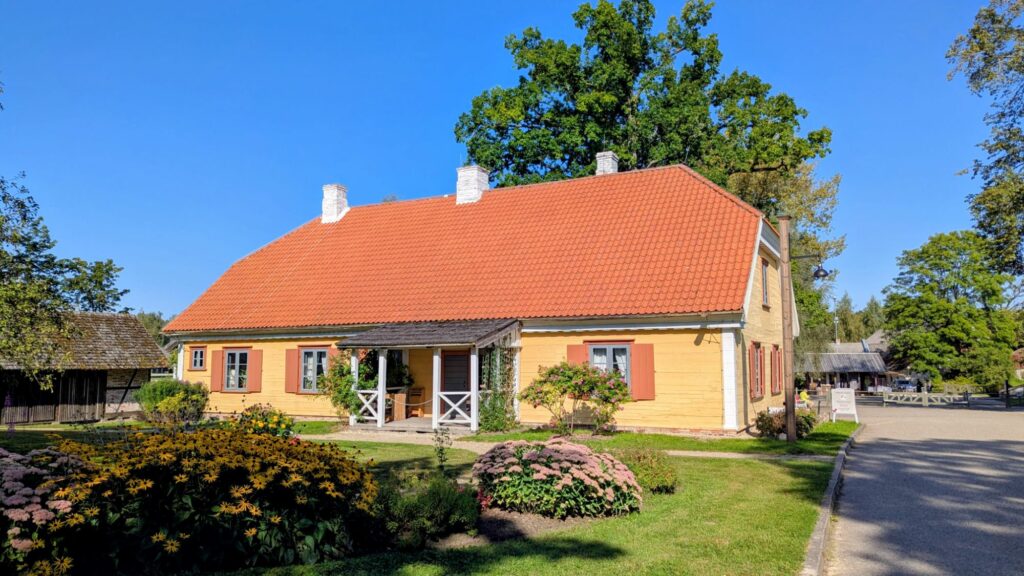
It’s our last day in this beautiful Baltic country. We rent a car to take us east to the tourist spot of Sigulda. It is an easy one hour drive along motorway and we are in forested hilly countryside. Our first stop is the 13th century Turaida Castle.

Church
Turaida Castle
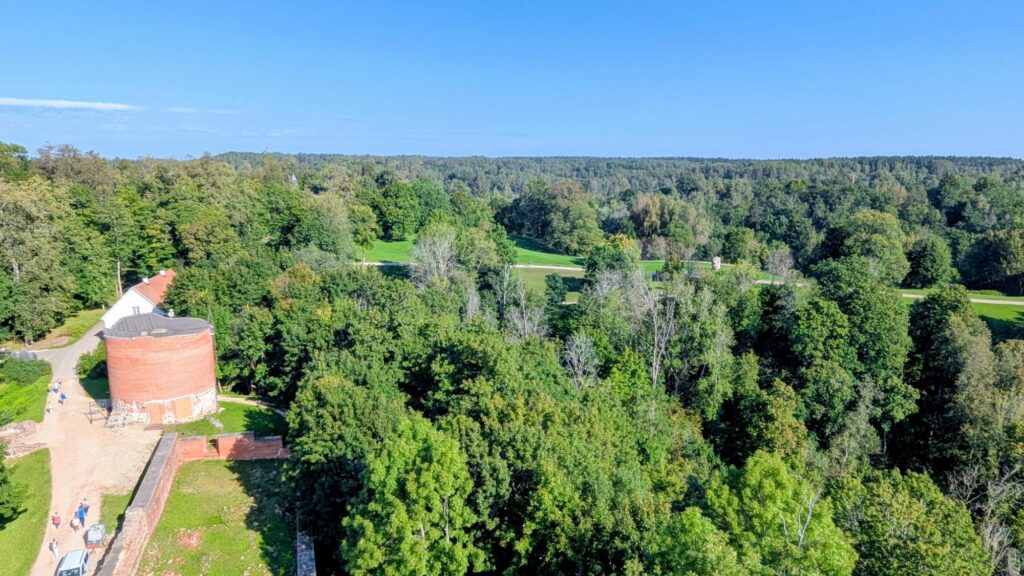
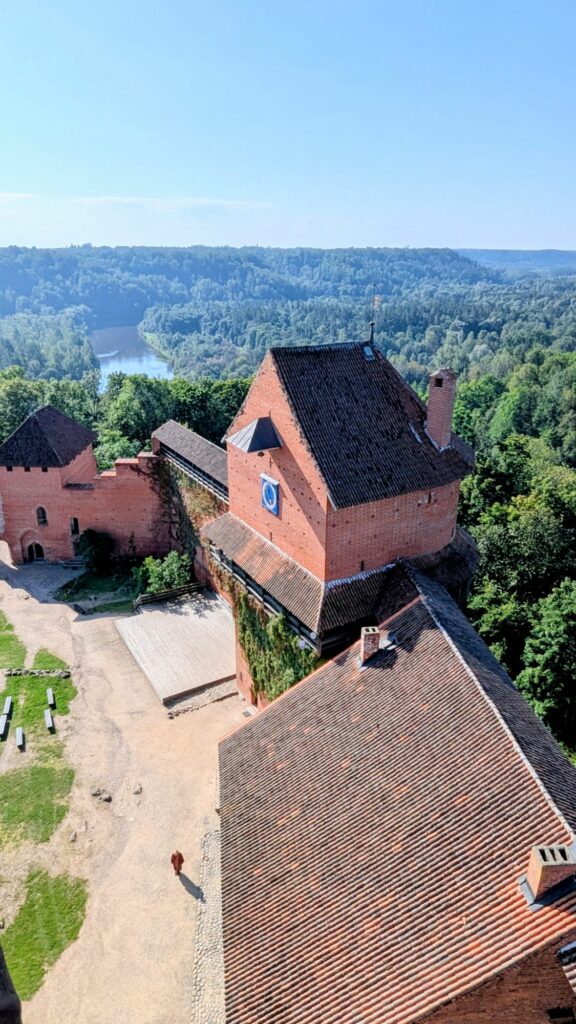
View from watch tower

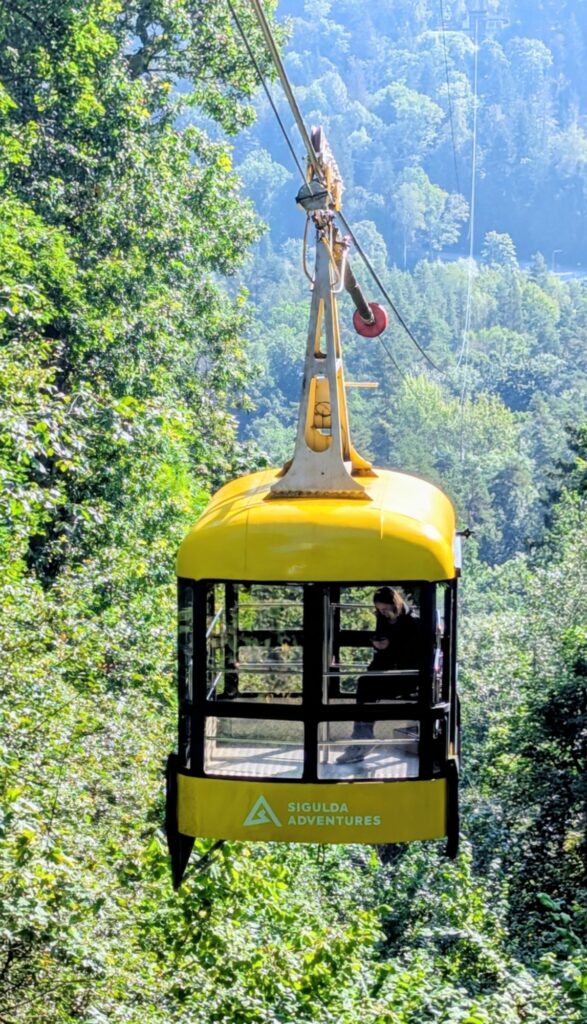
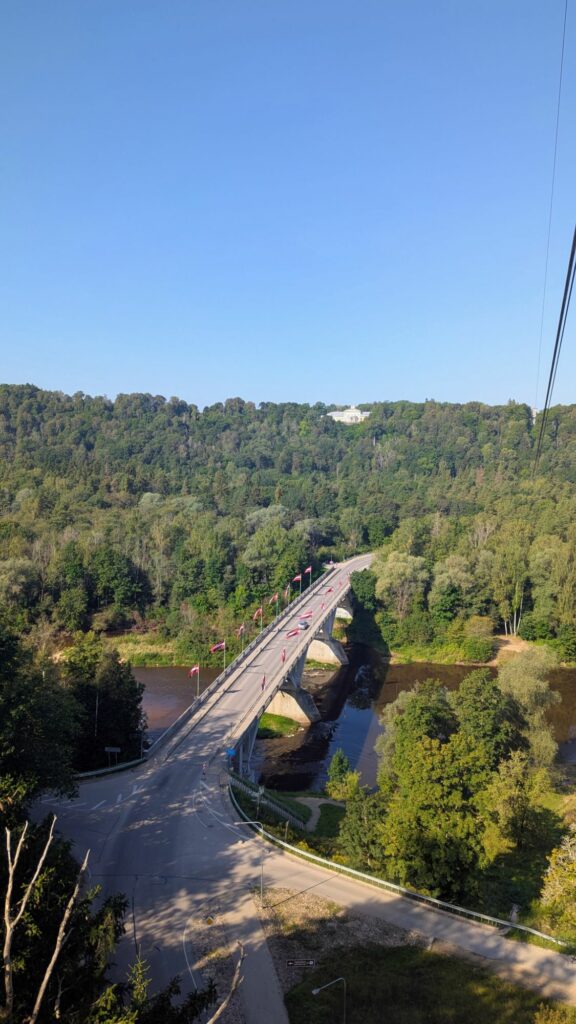
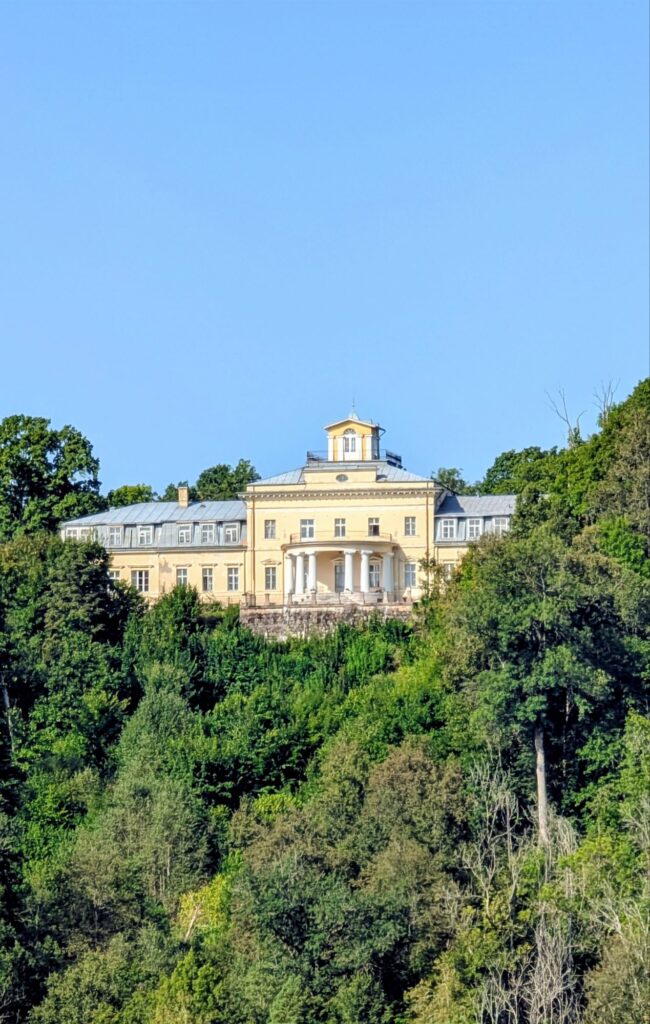
A short 5 minute drive takes us to the Sigulda cable car. When I researched this I had my doubts. There are no significant mountains here and all that I read about it suggested it was just treetop views over a valley. That is exactly how it transpired. While pleasant, nothing spectacular.

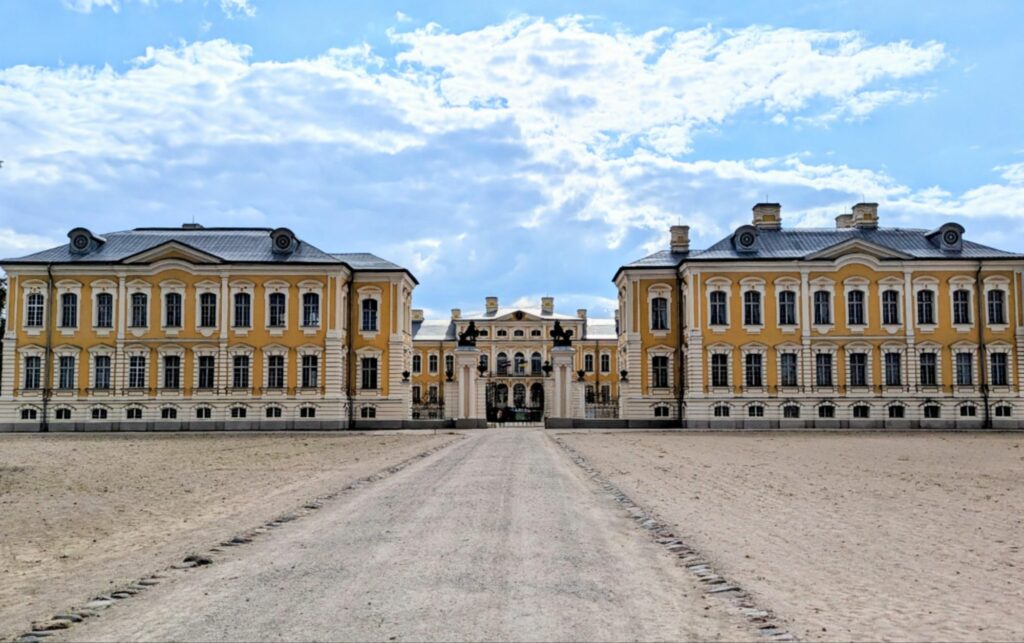
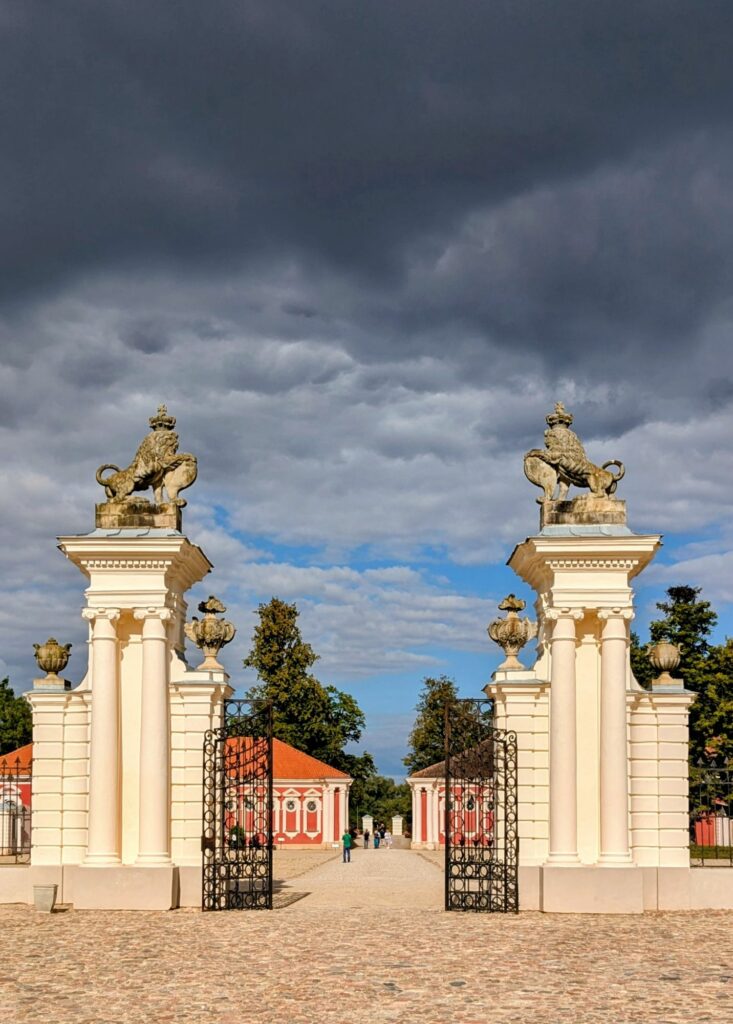
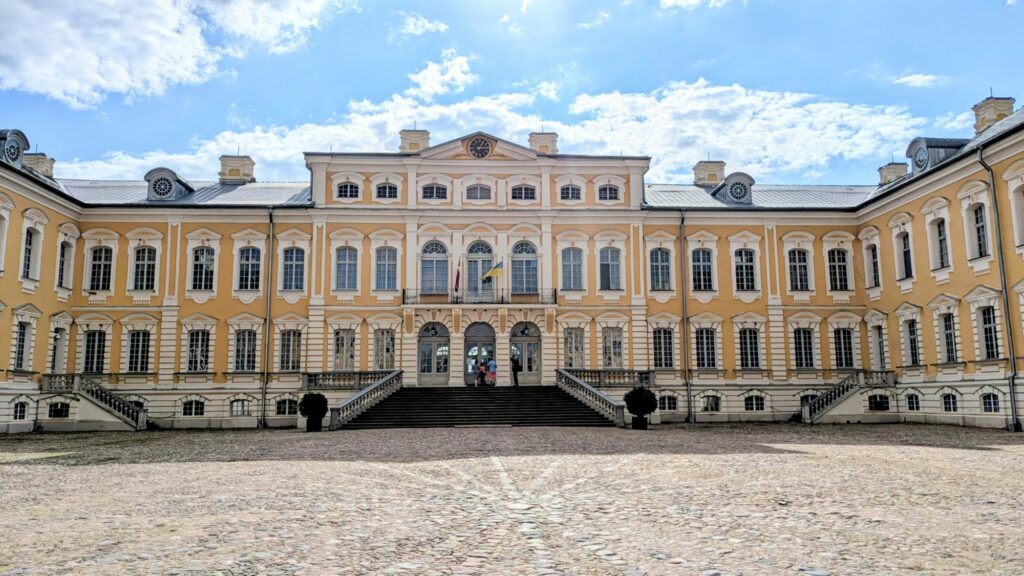
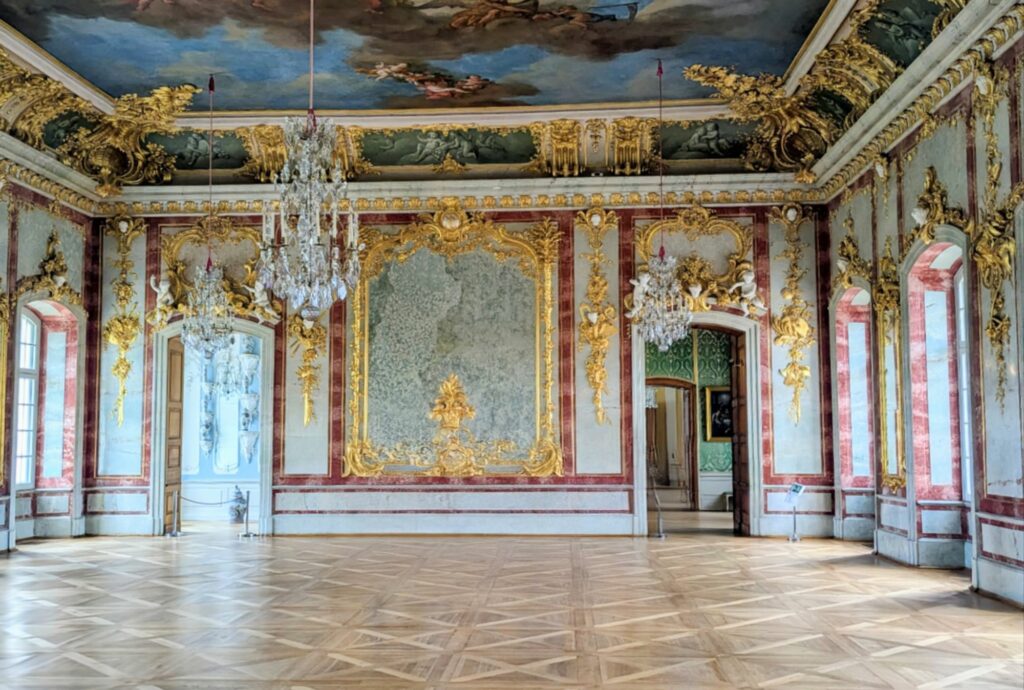
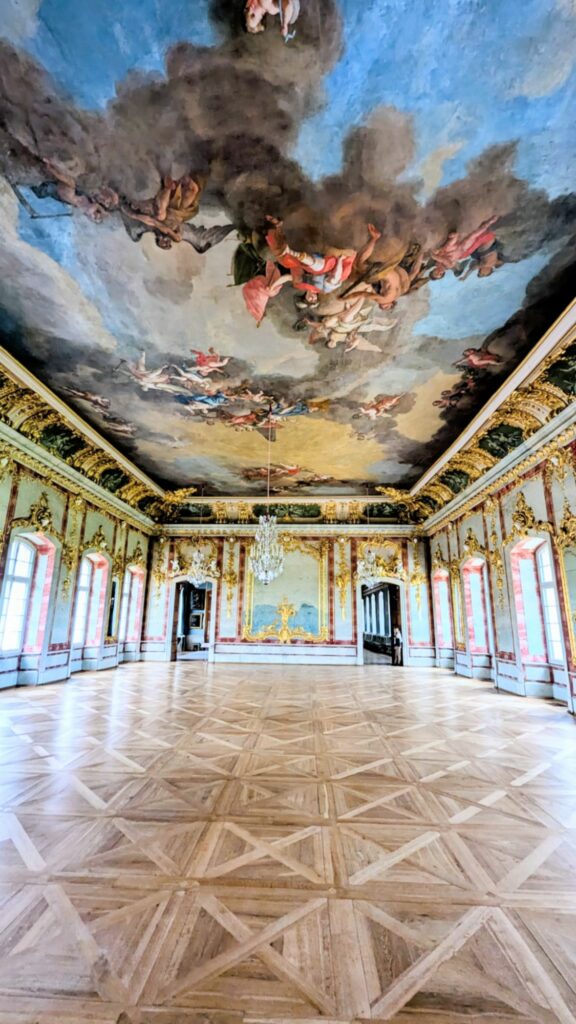
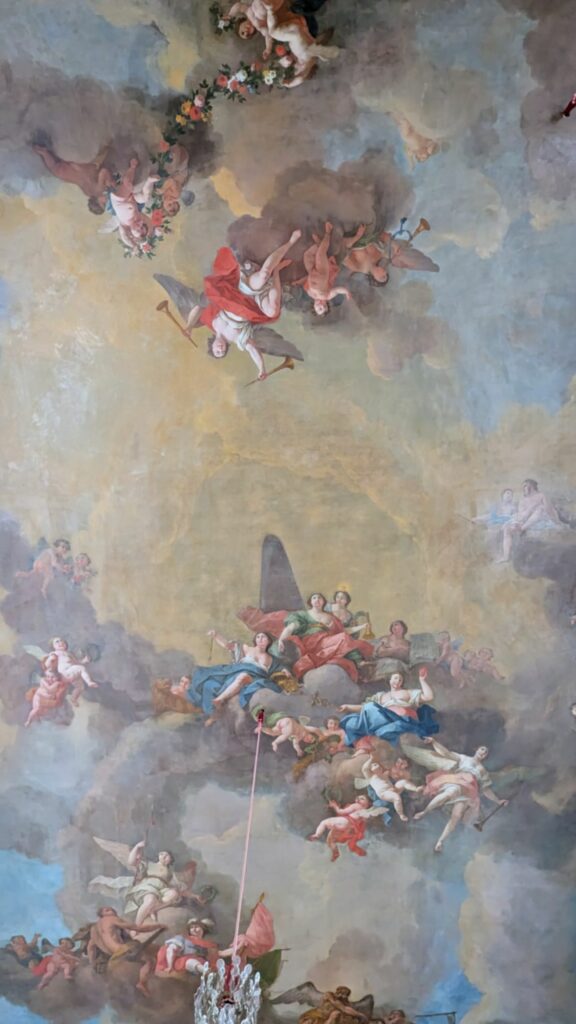
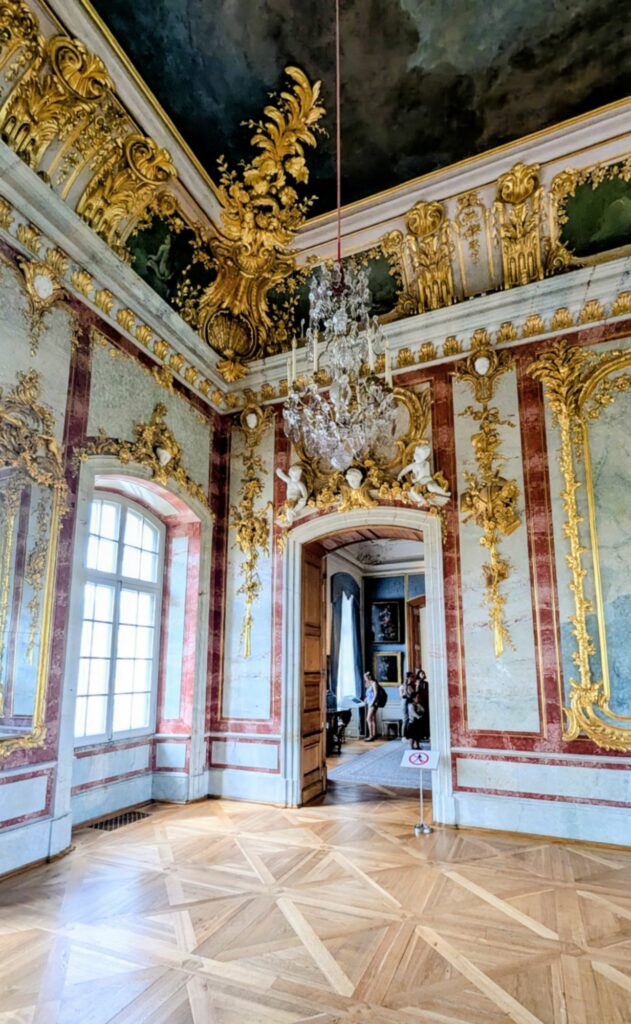
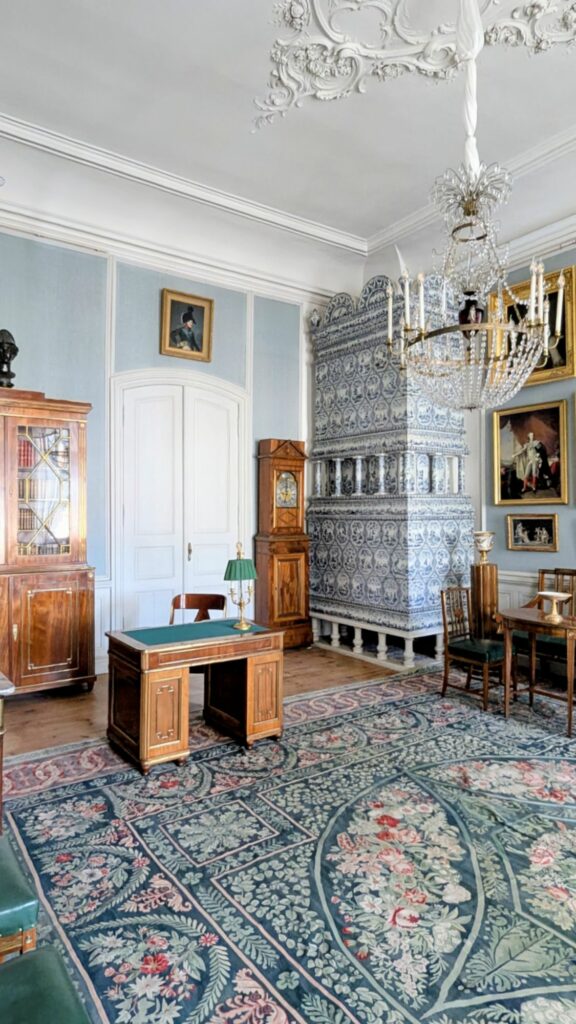
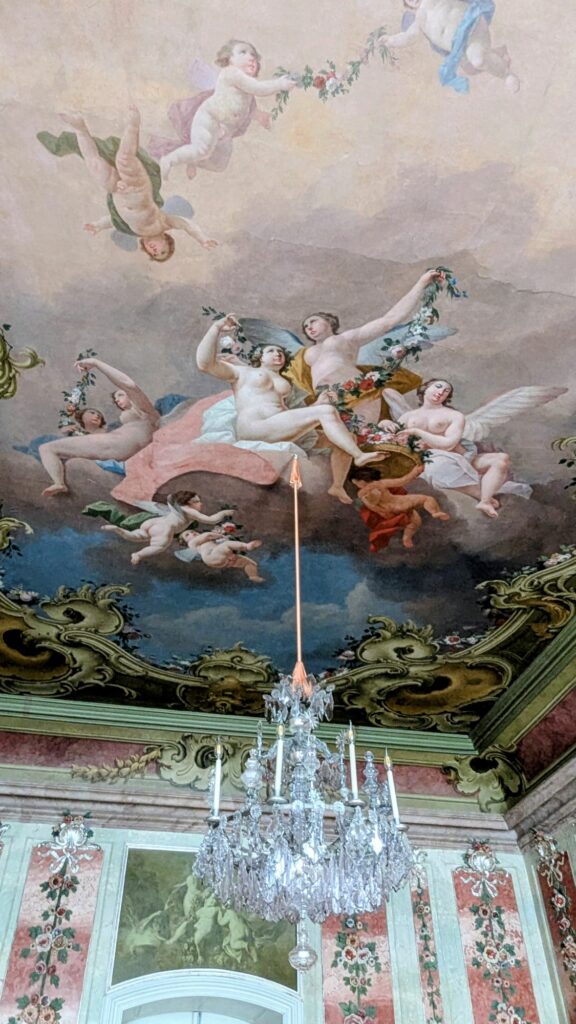
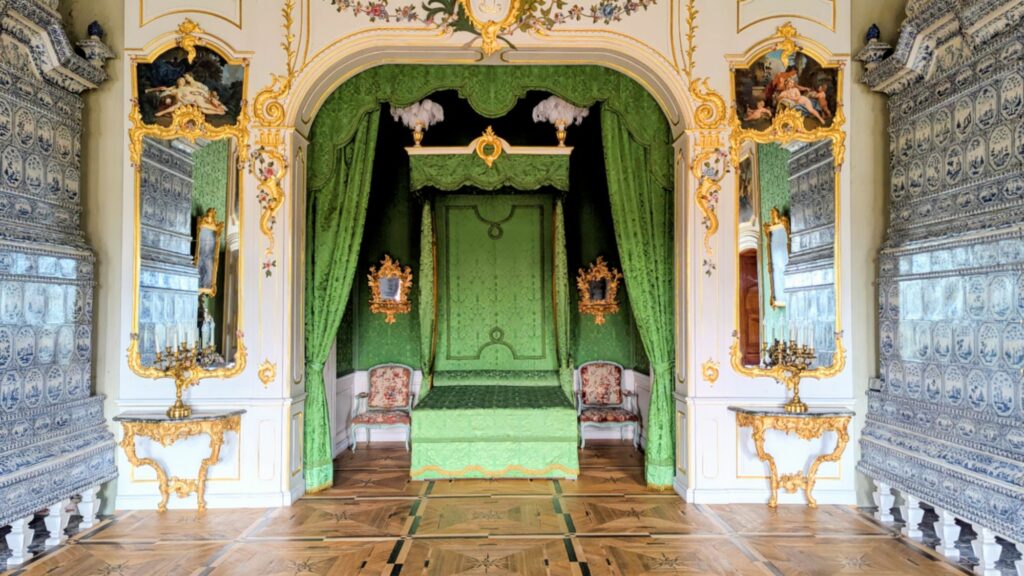
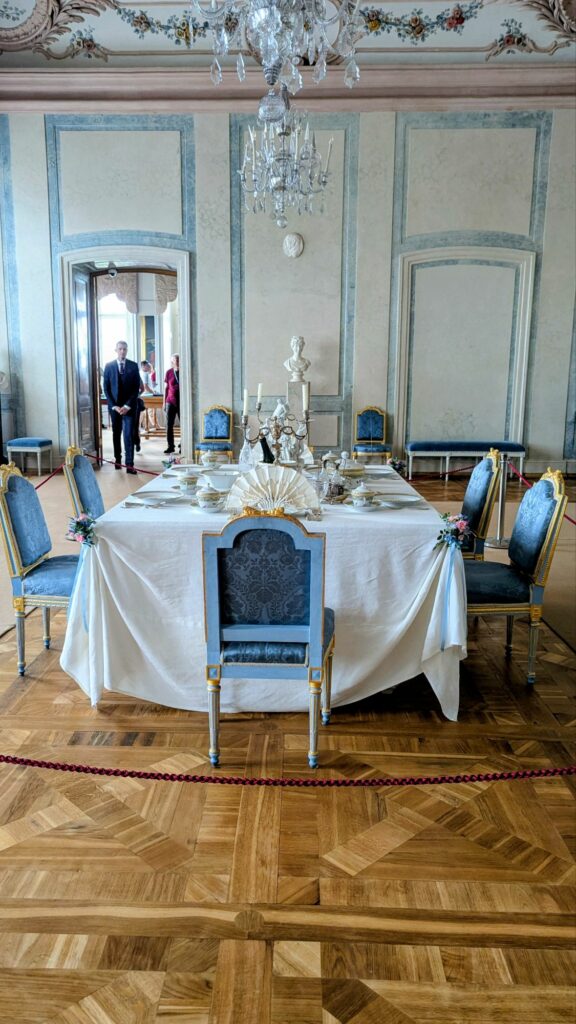
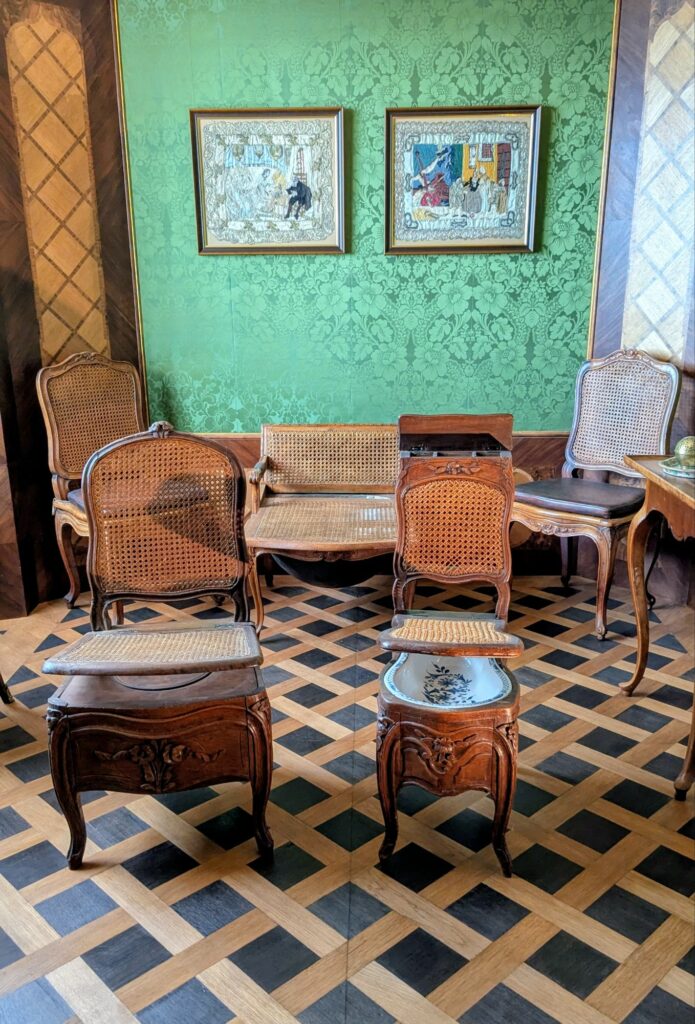
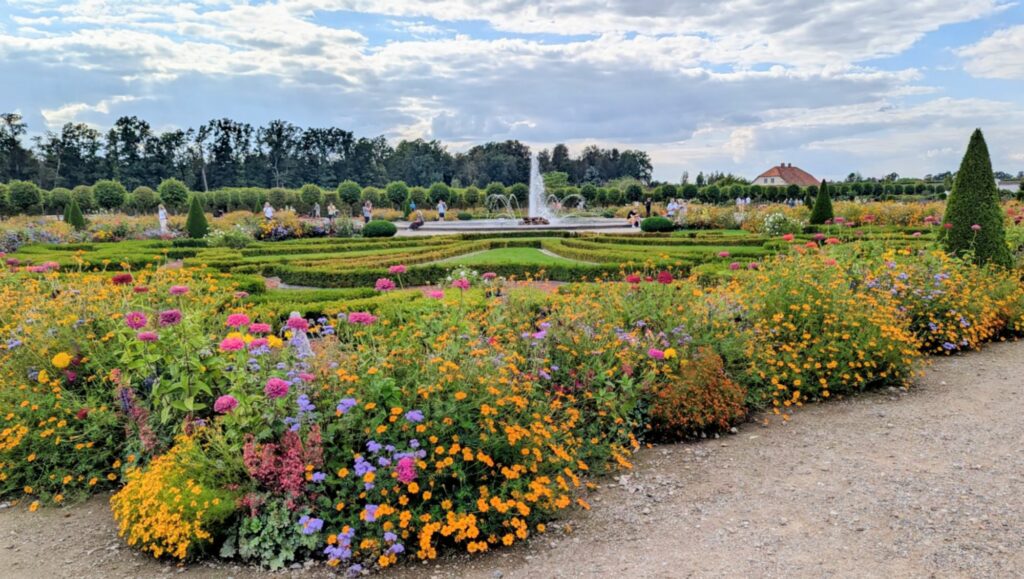
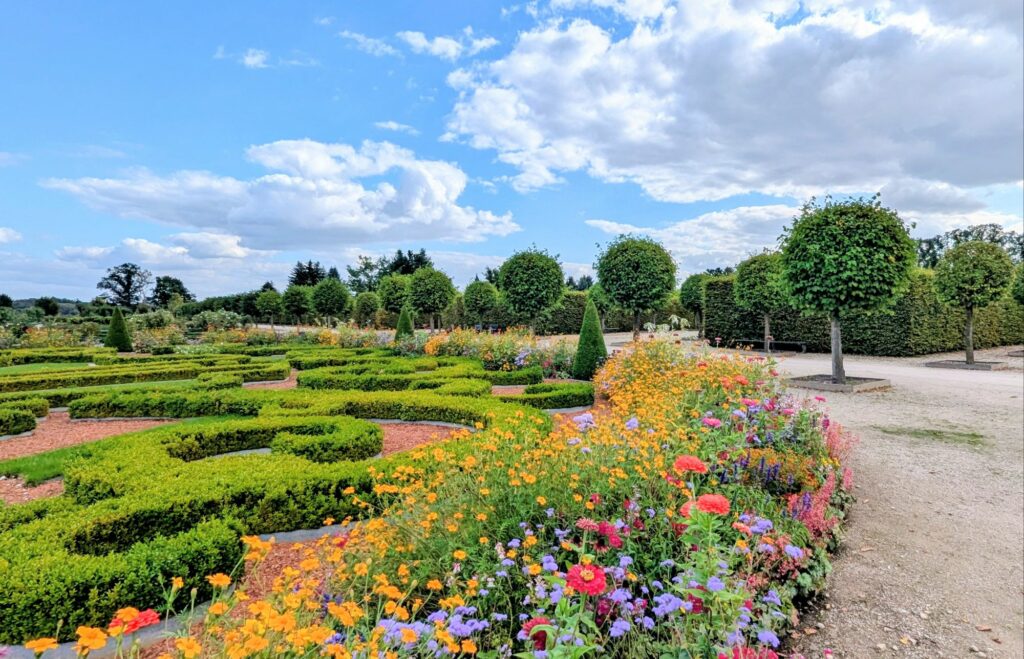
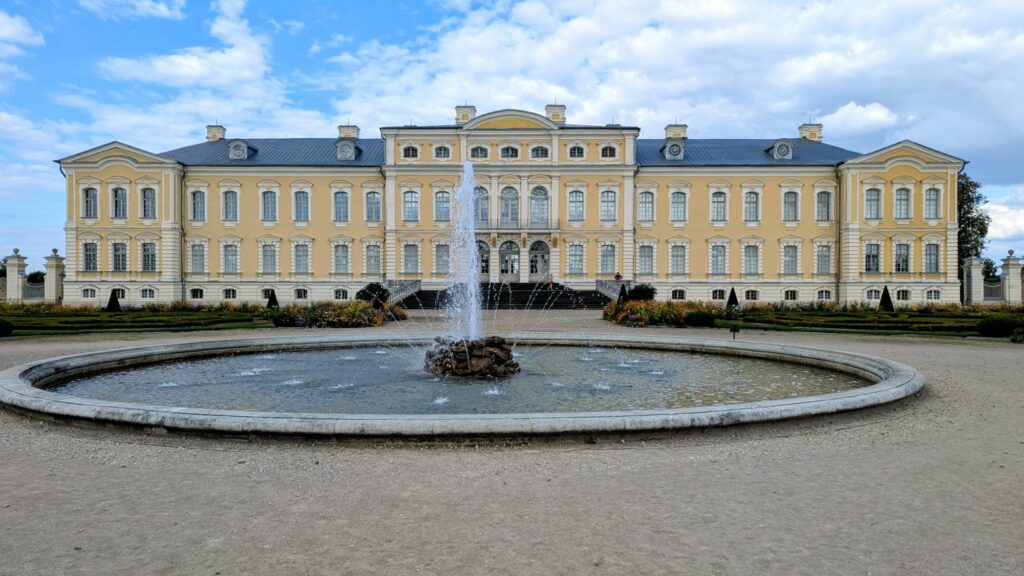
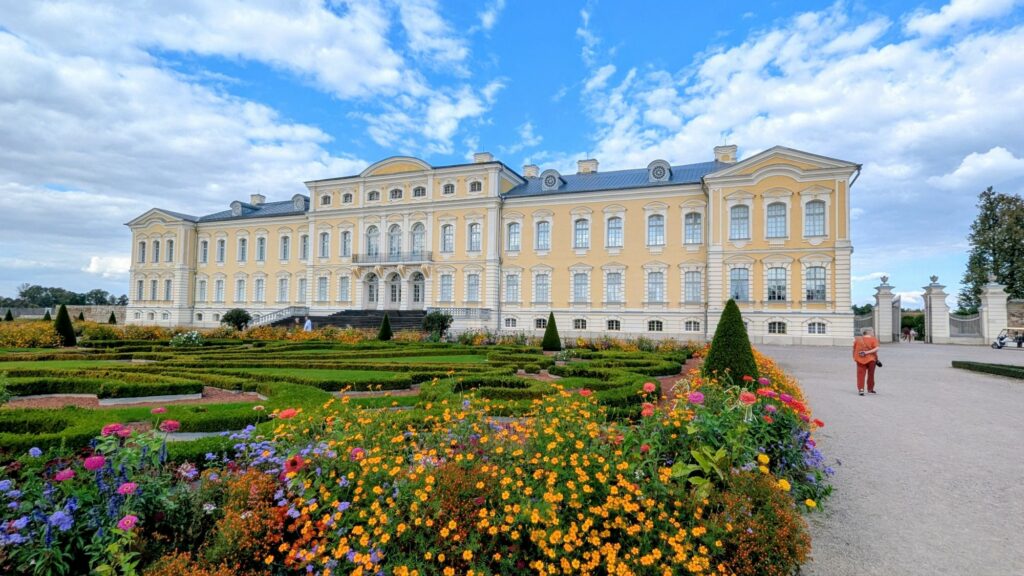
The finale for Latvia is a 2 hour drive west along the way to Lithuania our next destination. The 18th century Rundale Palace is spectacular. Framed by an extensive French garden reminiscent of Versailles this is a classic European Palace. Commissioned by the Duke of Corland in 1736 it was not completed until 1762. The Russians took over and in 1795 Catherine the Great gave this palace to the youngest brother of her lover. The Germans occupied it in WW1 and used it as a hospital.After WW1 it was used as a school. Restoration started in 1972 and was not finished until 2015. The result is magnificent, see for yourself.
Categories
Baltics 2025

Soviet repression

This country remained under often brutal Soviet rule until the collapse of the USSR in 1991. As I wander around the cobblestone streets of the beautiful old town with upmarket shops, restaurants and cafes I try to imagine what this was all like before 1991. A dictator repressive state, no shops, food shortages fear of arbitrary arrest and execution.

We visit the KGB headquarters and once again I am struck by the ordinariness of the building. It is just an old multistory house on the main street. Like similar institutions I have visited in Budapest and Tirana there is no surrounding wall, no barbed wire just a house that the locals quickly learn that if you are brought in here you are not seen again. People were arrested and interrogated on suspicion of being enemies to the state. They never left alive. Apart from executions with the body dumped in local forests the other fate was export to Siberia to eventually perish in the freezing gulags.
Interrogation room
Cell but usually filled with 20 people!
Exercise yard
Execution room

The parting speech from our guide is an ongoing call to freedom. He directly references Russia and Putin. The Russian border is only 300 km away and it’s 1.5 million Latvians vs 100 million Russians. There is clearly a sense of anxiety with the war with Ukraine. Sadly it seems that a new Soviet empire is waxing and the Baltic states are jittery. Hopefully history does not repeat itself here and these Baltic minnows are not swallowed up by an increasingly chauvinistic and aggressive Russian superpower.
I blink on emerging into the bright sunlight, aware of the fact that hundreds of others never got the opportunity to do so. The finale for Riga is a relaxing river and canal cruise.

Riga food market housed in Zeppelin Hangers built by the occupying Germans in WW1