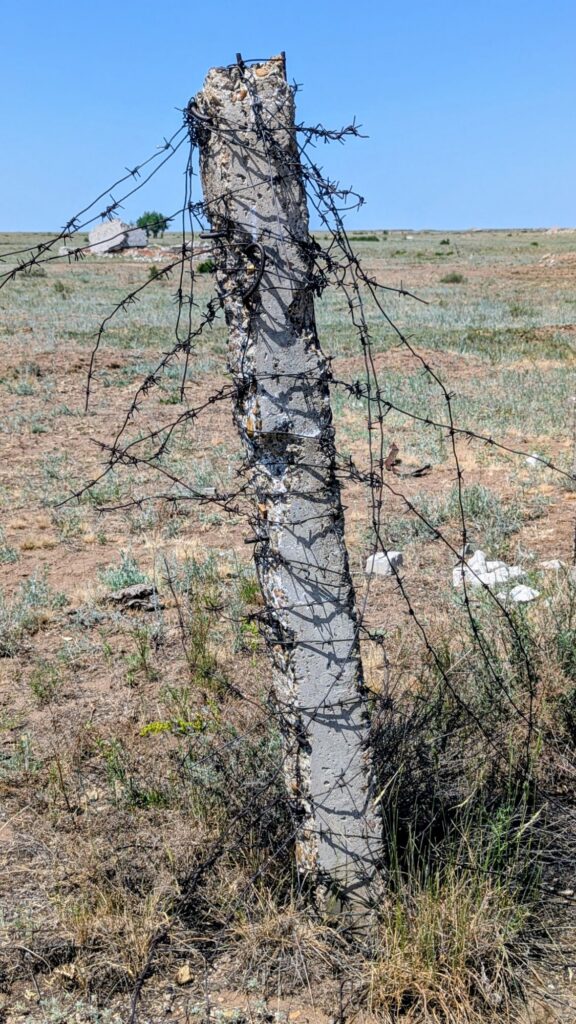
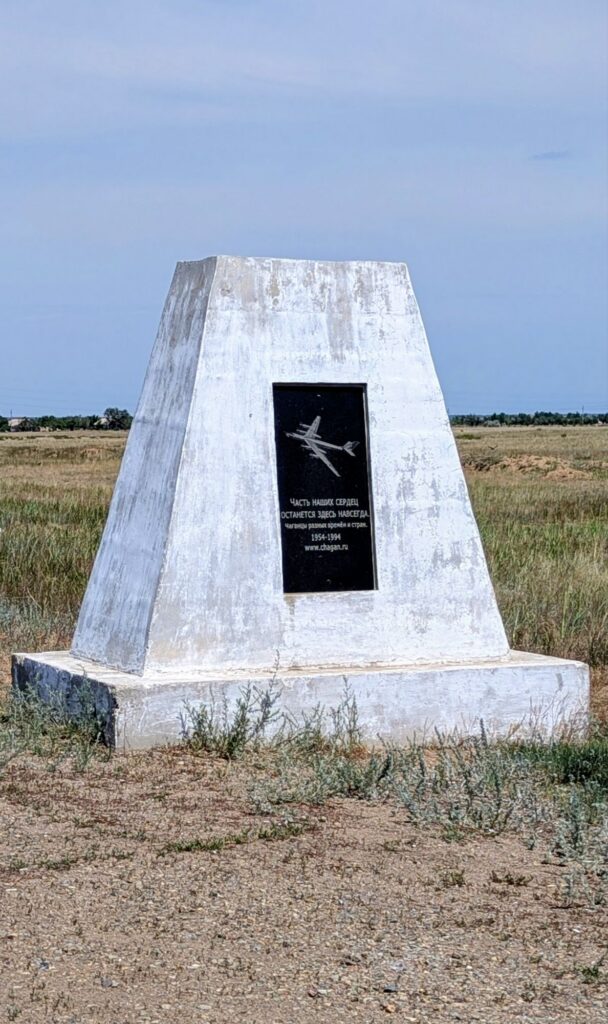
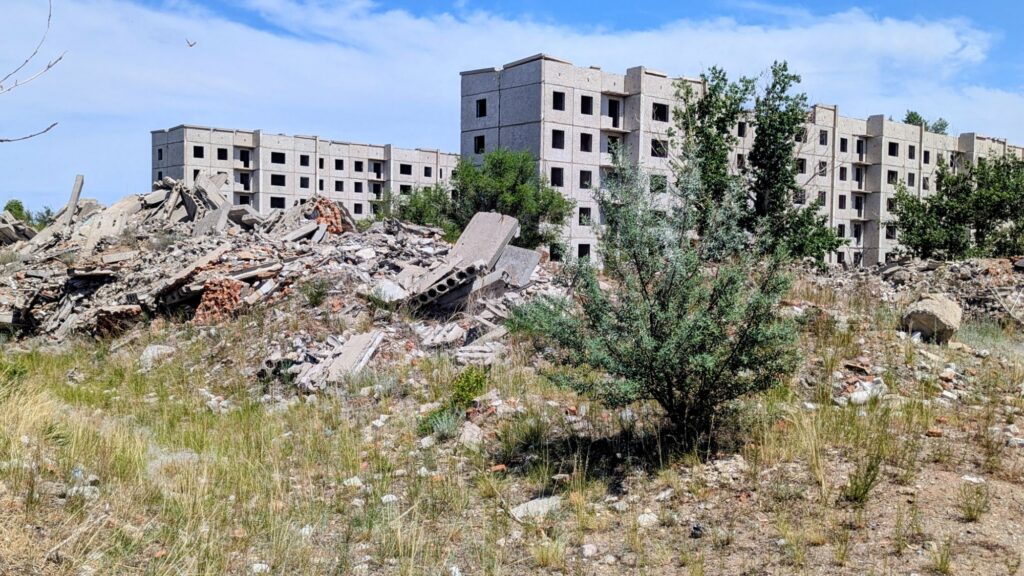
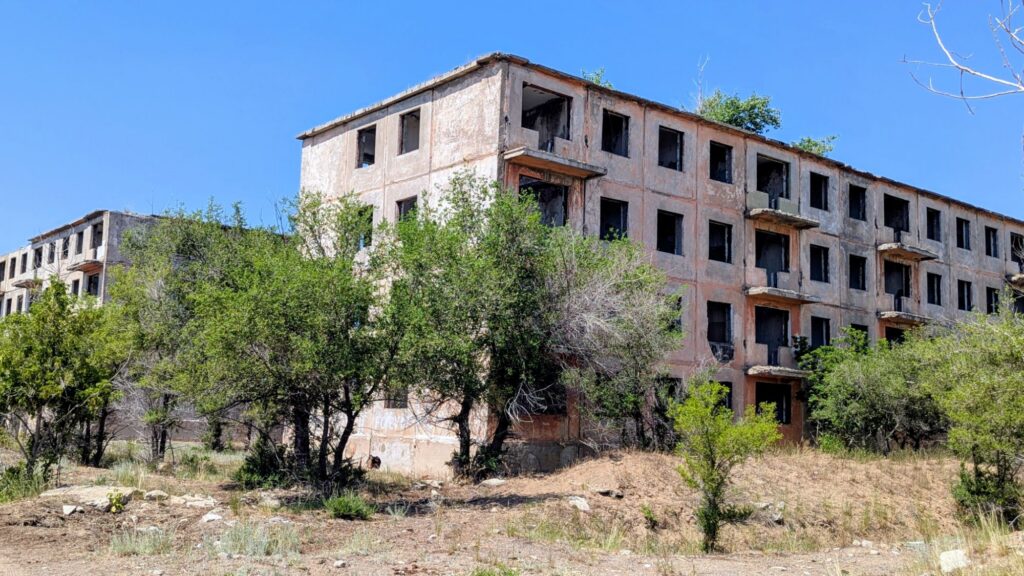
A 2 hour drive takes us to the nuclear test site. The countryside is flat and a boring steppe. The recent green spring grasses have burnt off to yellow. In many ways it resembles much of outback Australia. I expected barbed wire fences and entry guards but there is nothing. Our guide quietly turns off the made road first to gravel then to grassy tracks. Nothing is sign posted the country is featureless and I marvel at his ability to unerringly take us from site to site.
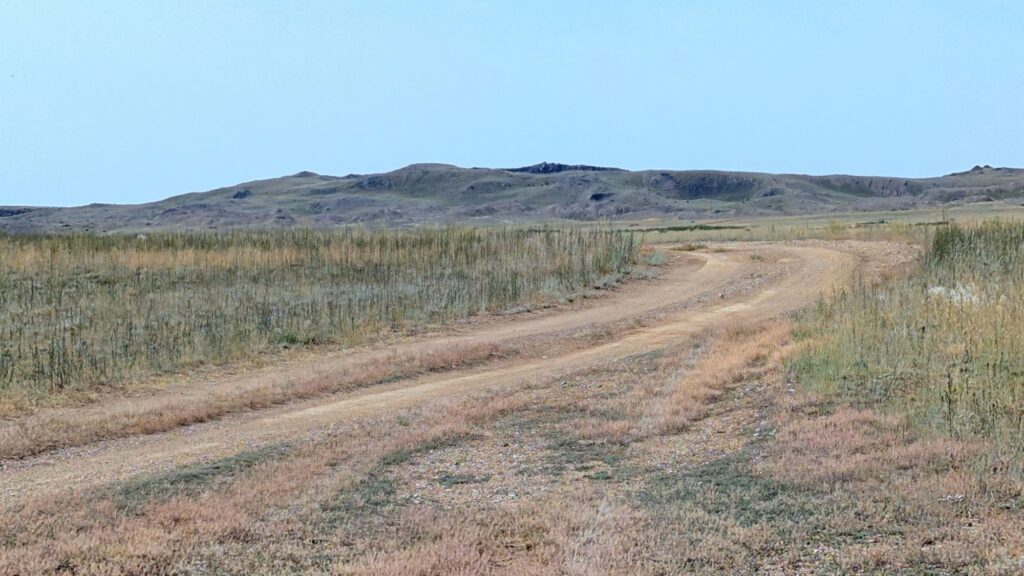
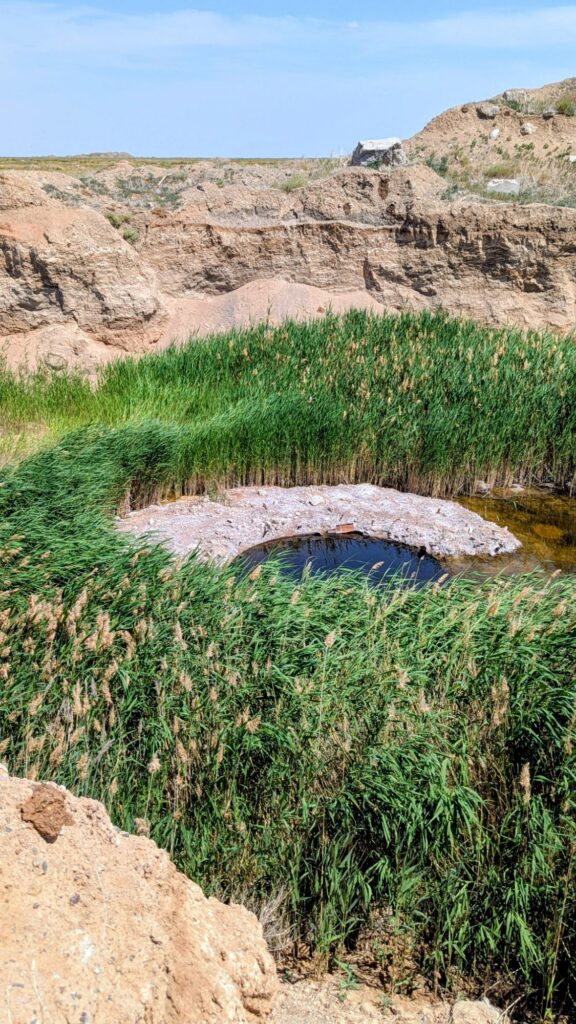
First stop is Balapan lake. The Russians detonated an above ground 140 kiloton bomb (about 10 times more than the Hiroshima bomb) in 1965. It created a crater 100 metres deep which the Russians filled with a newly dammed Chagan River. The plan was to create a series of lakes for agriculture but for reasons that are not clear the plan never progressed.
The lake and its surrounds are still radioactive. In 35C heat the car stops well before the lake and we don our Hazmat suits and masks to protect us against the radiation. I have a Geiger counter around my neck which clicks intermittently as we started and as we get closer clicks more regularly but never crazily quick which is reassuring.
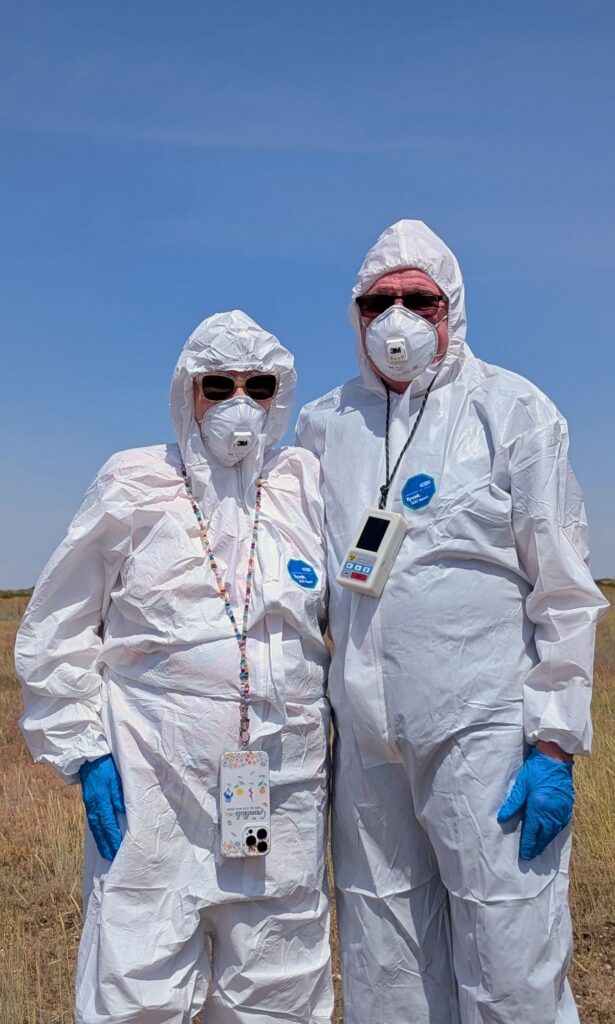
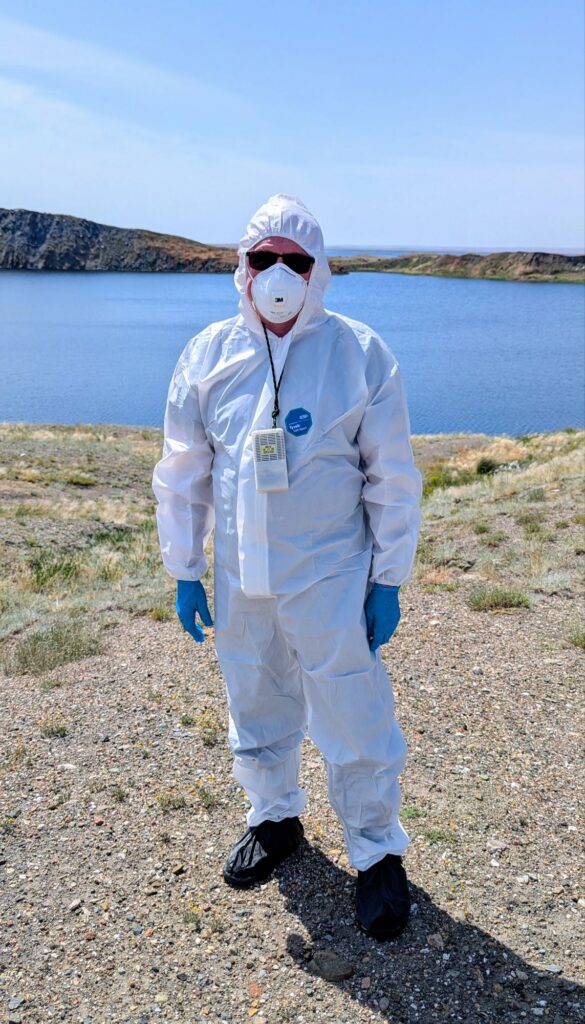
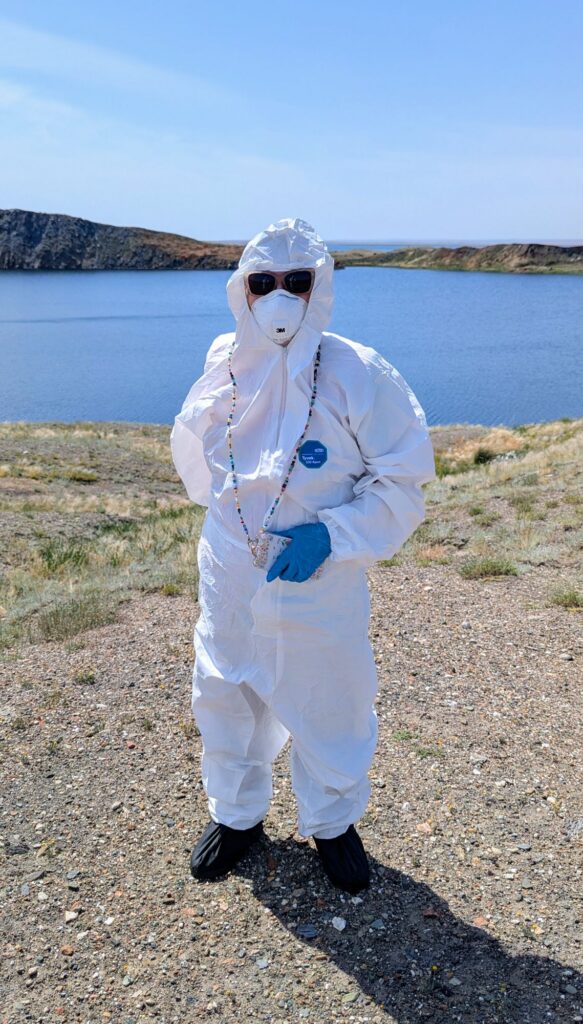
Half way through I am bathed in sweat and expiring from the heat. My nose is snotty and blocked under the mask and I am feeling light headed. Normally I would have sat down but the soil is super contaminated so I push on.
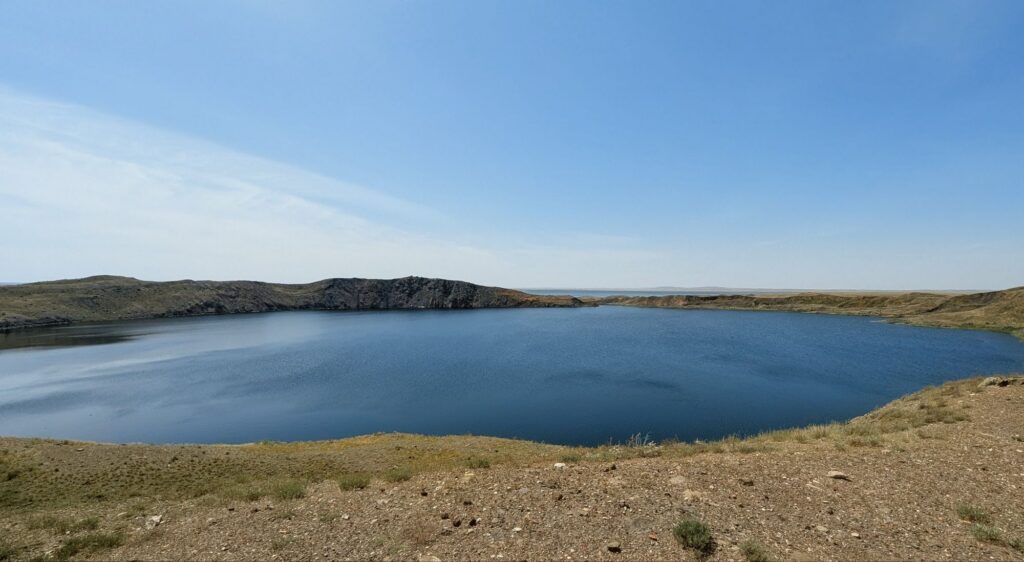
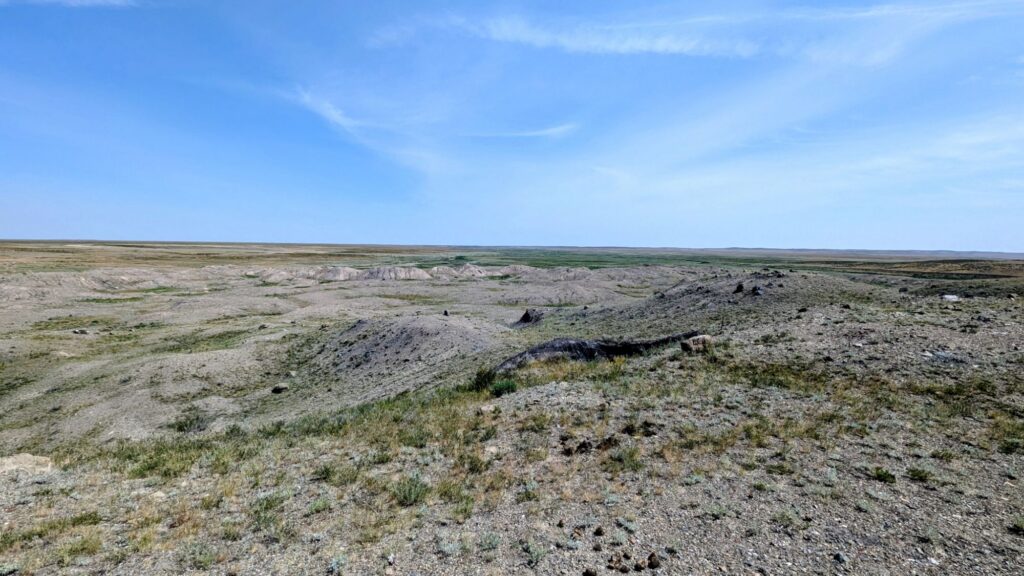
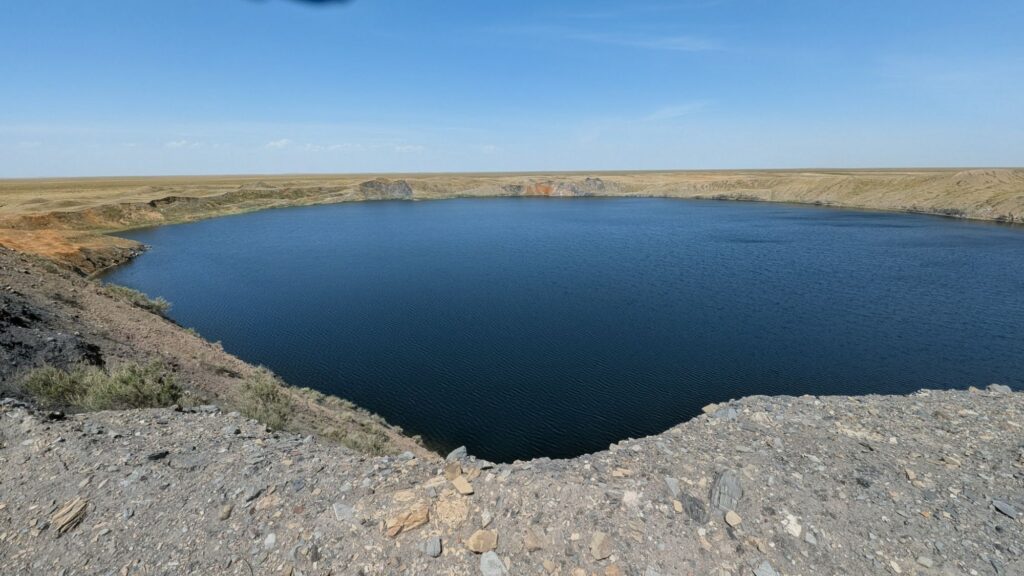
It’s a relief to shed the suit. Sweat pours out of my plastic gloves.
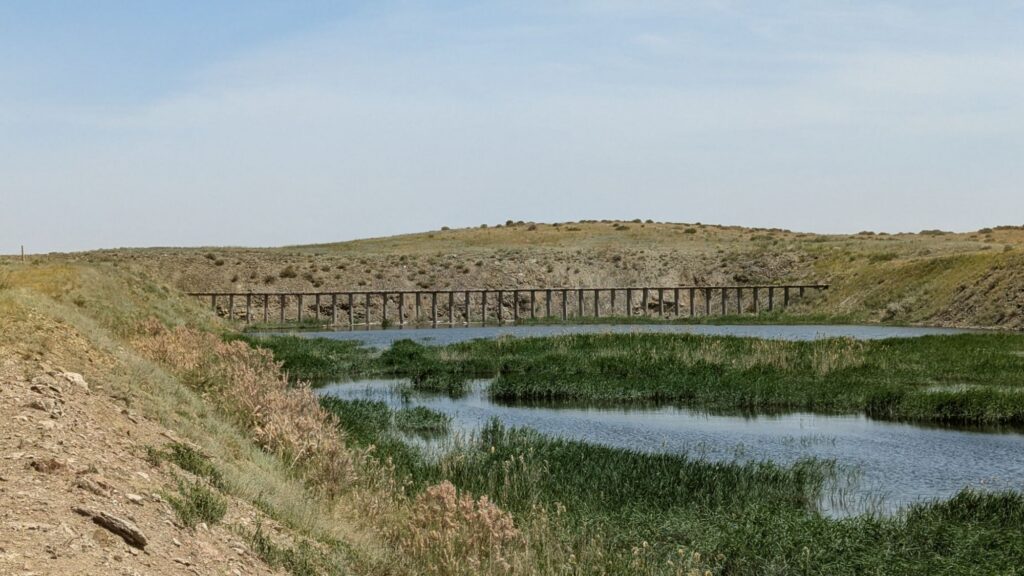
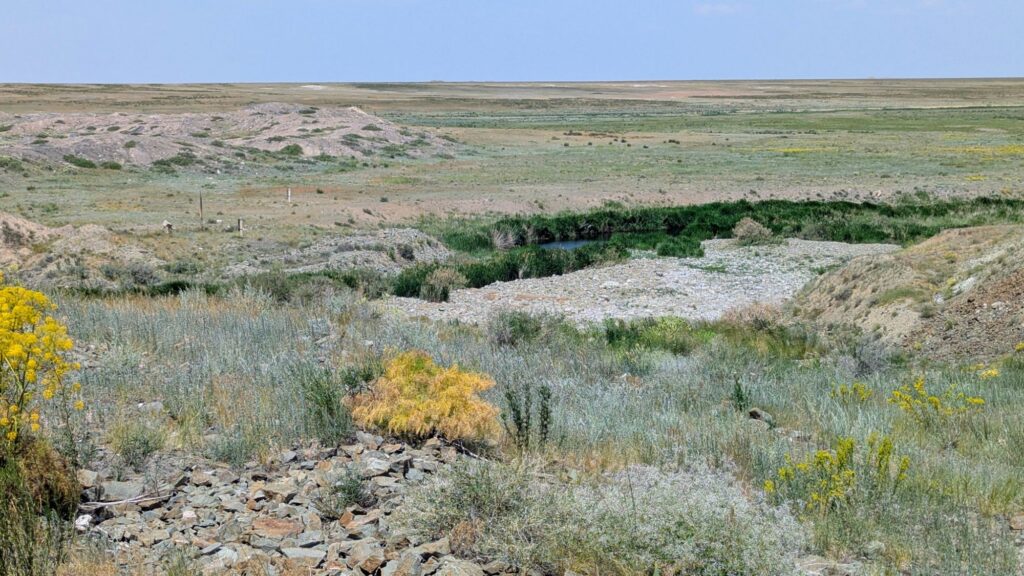
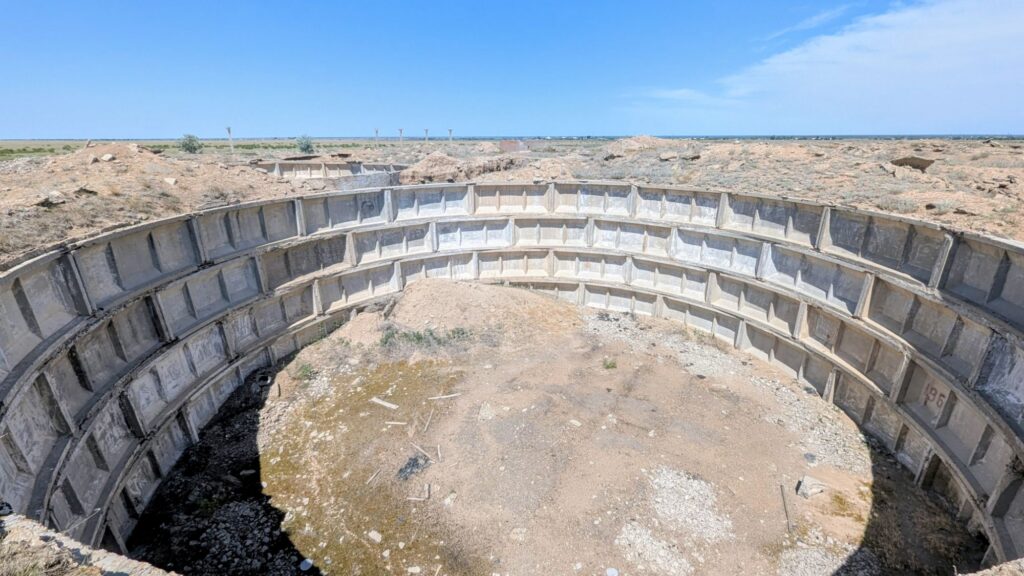
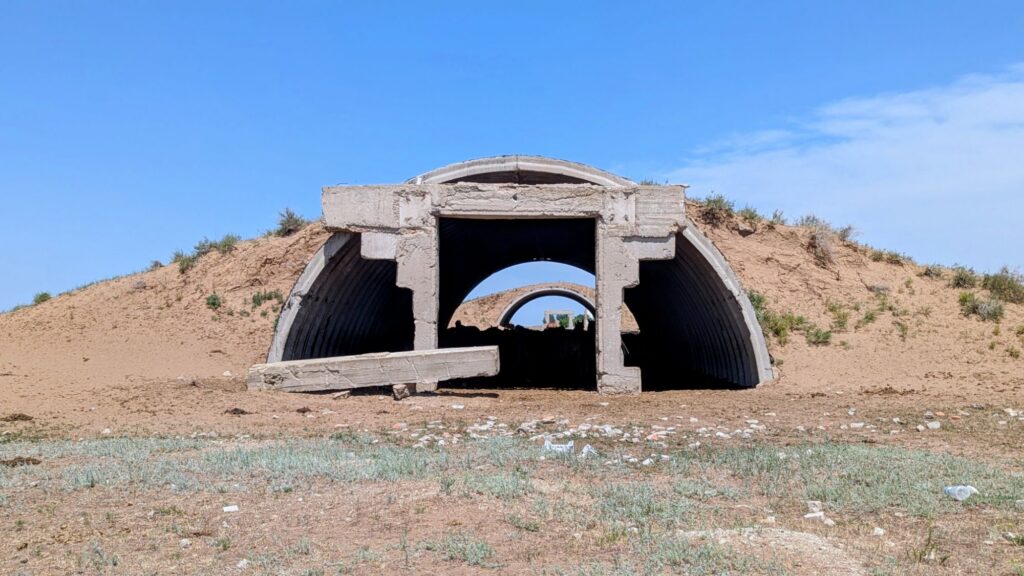
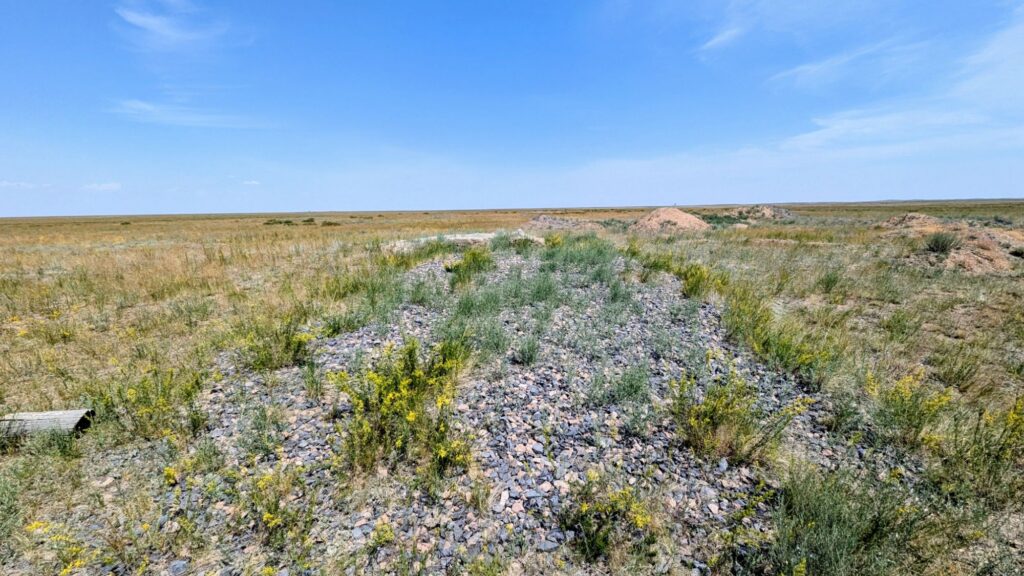
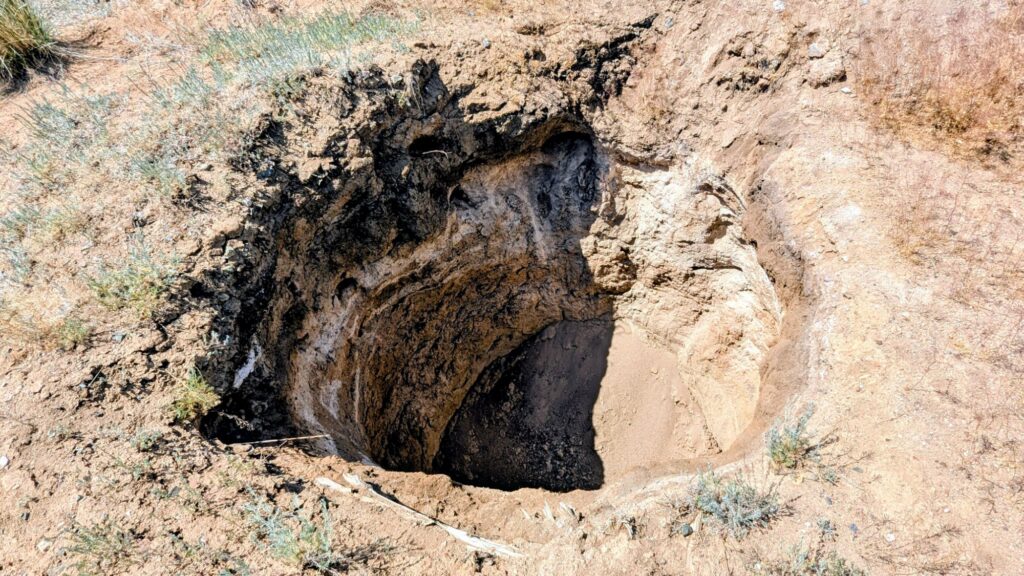
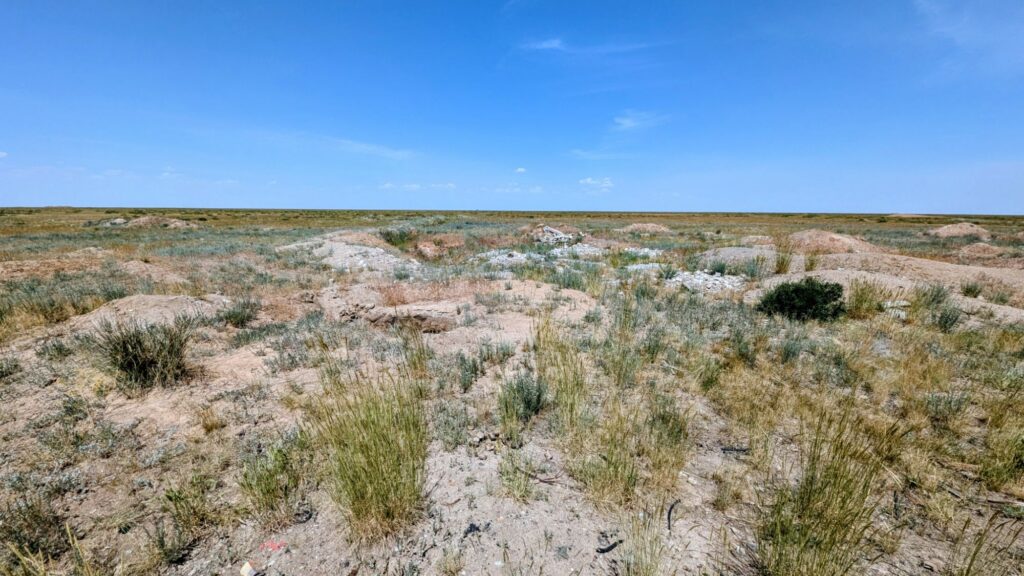
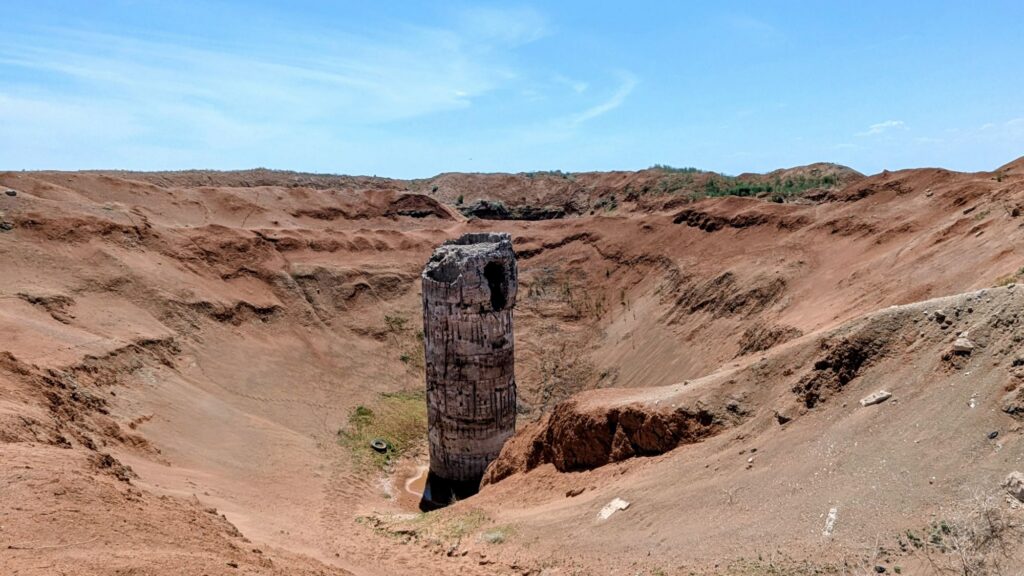
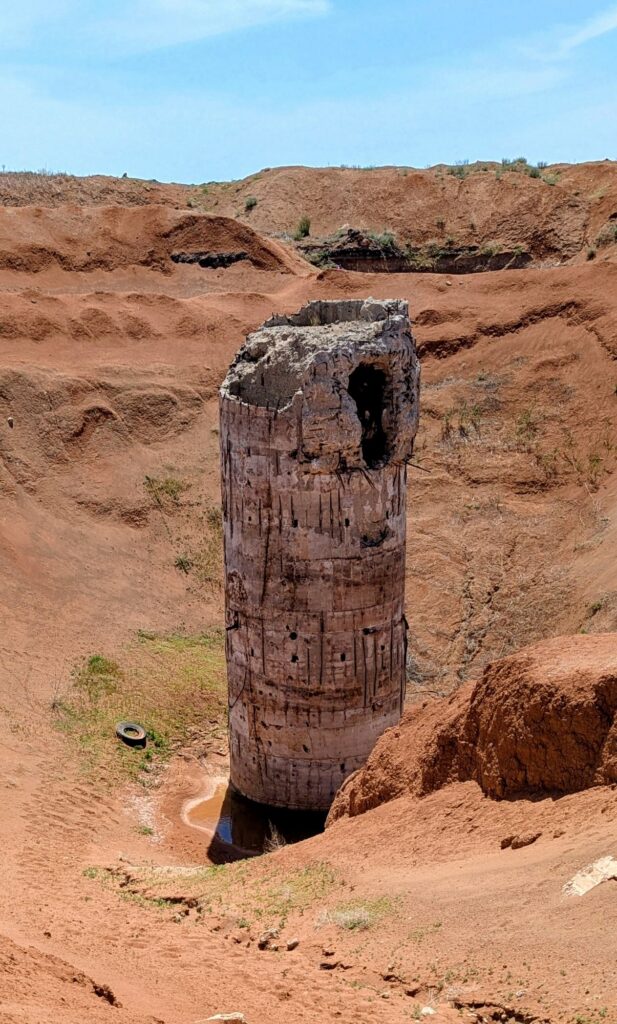
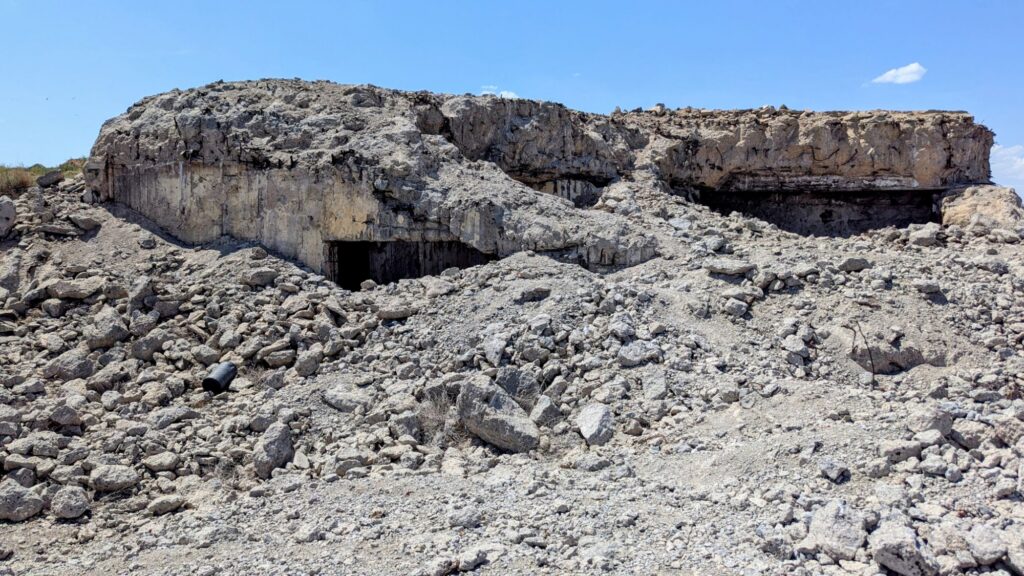
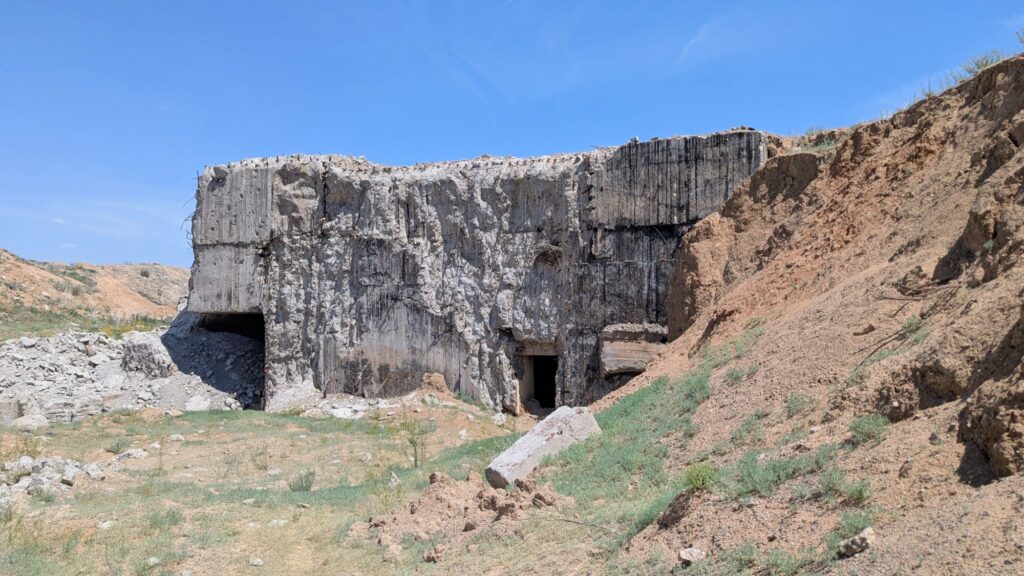
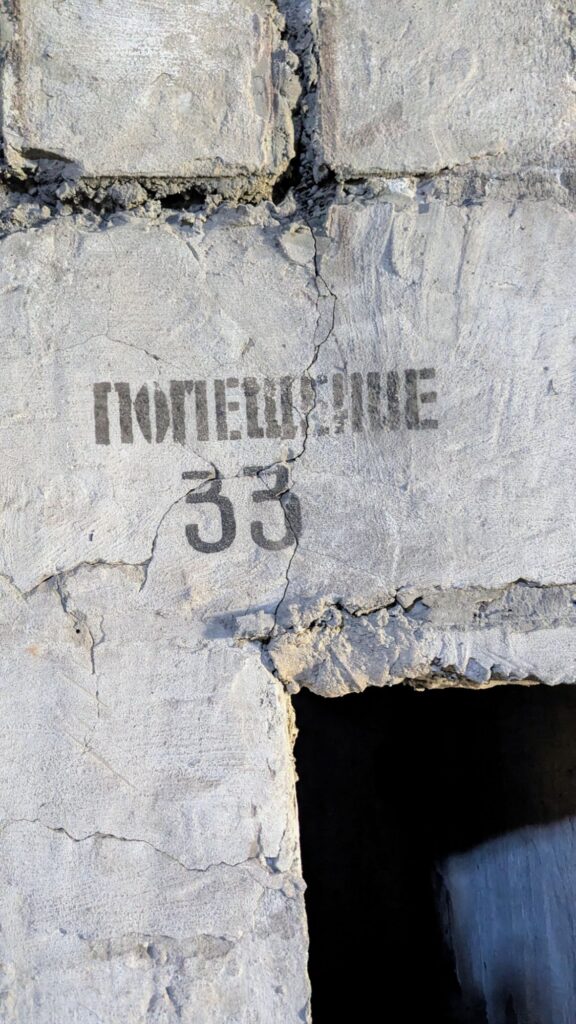
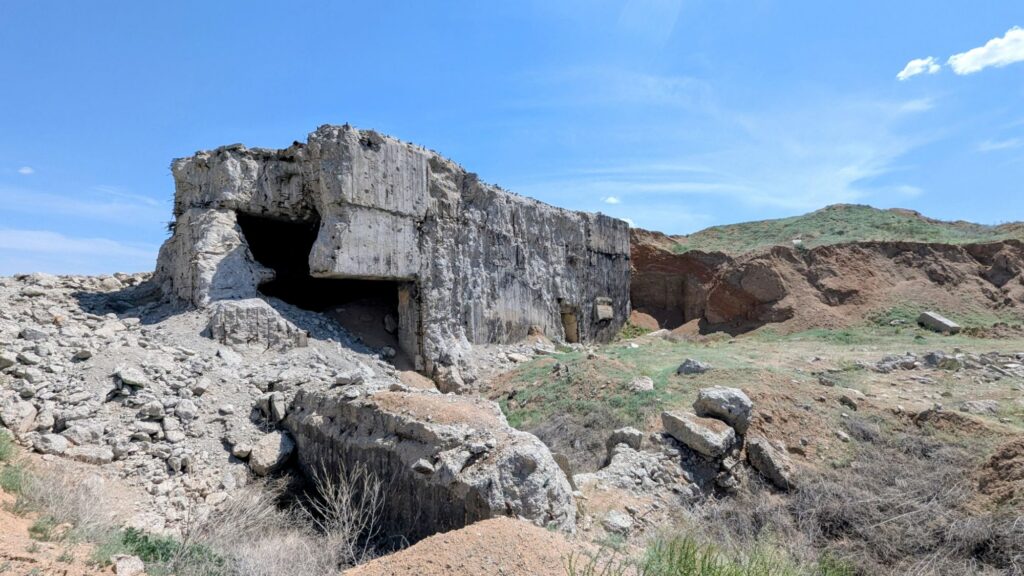
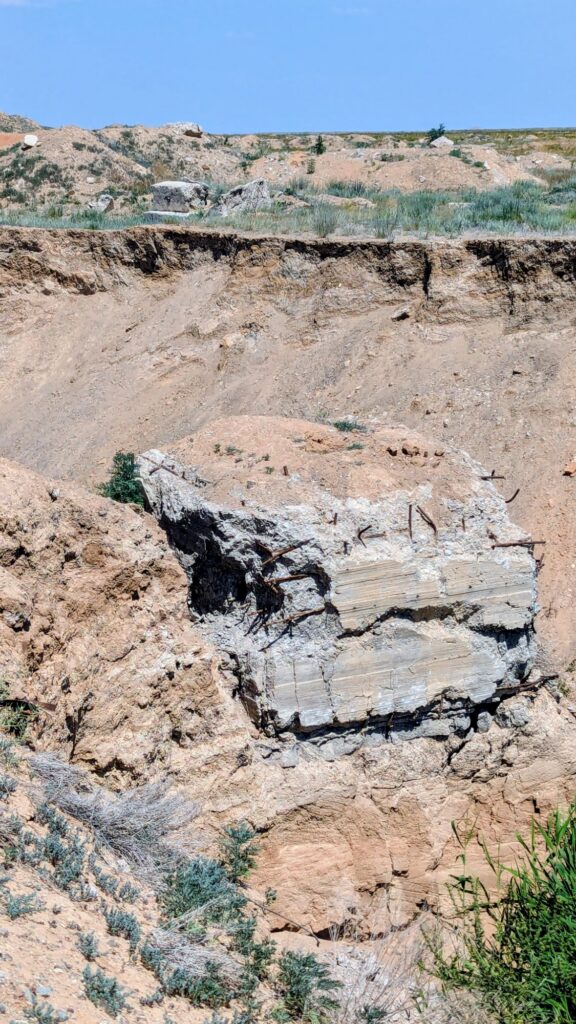
What follows is a remarkable journey through abandoned and looted sites, none of which are signposted all of which are expertly found by our guide weaving through a multitude of paths. The Berlin Wall collapsed in 1989. In 1994 Russia removed all of their military assets from their former satellite countries so what remained were hollow shells of monitoring rooms observatories above and underground and missile launchers. The most bizarre aspect of all of this is the lengths to which looters came in and reshaped the landscape to retrieve copper pipes and metallic mesh holding concrete together. Most of my photos look as though the landscape and building devastation is from nuclear explosions. It is from looters who often moved tonnes of soil and blasted or jack hammered through metre thick walls!
Another 2 hour drive takes us to Kurchatov a small town of a couple of hundred people that once used to be a Soviet base for 10 times as many people for nuclear testing.
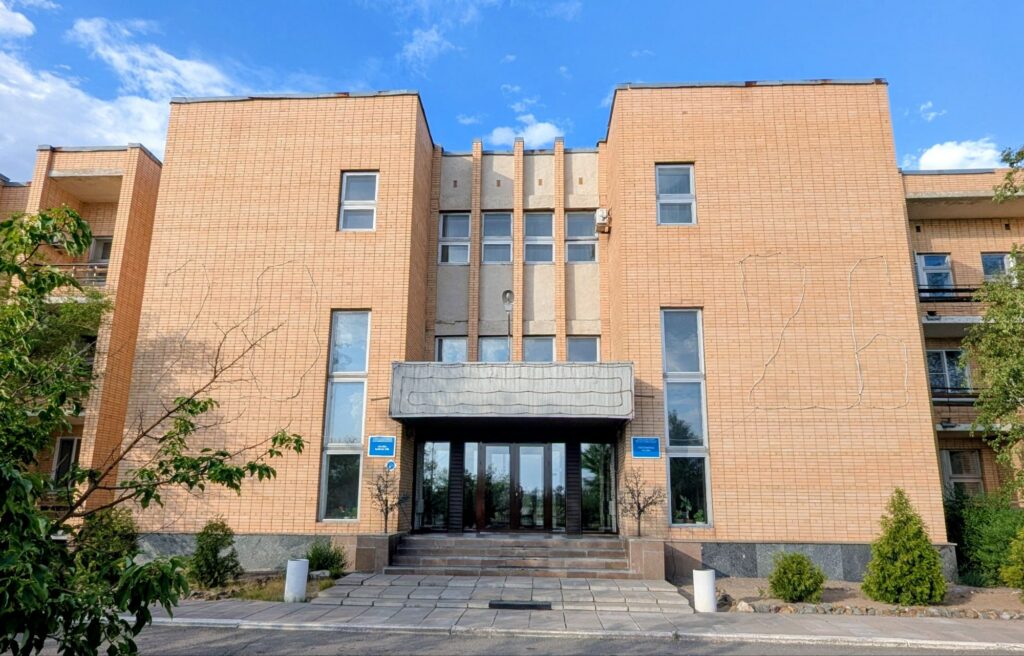
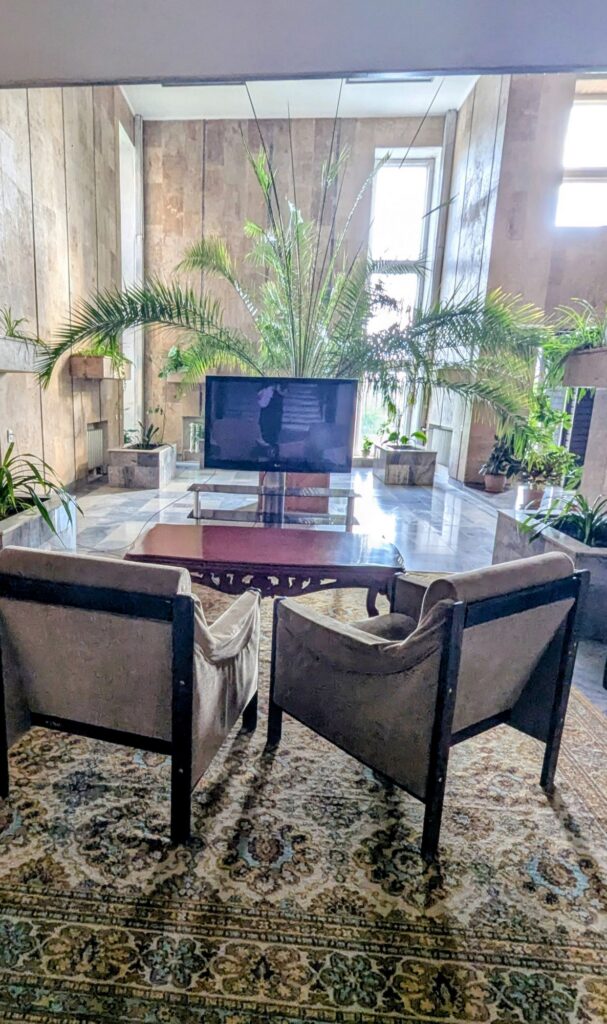
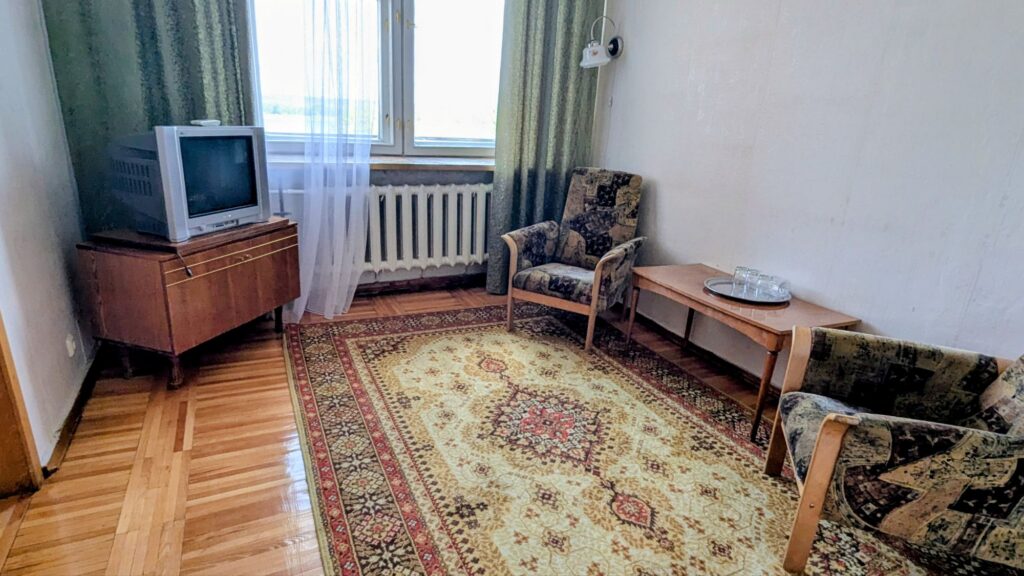
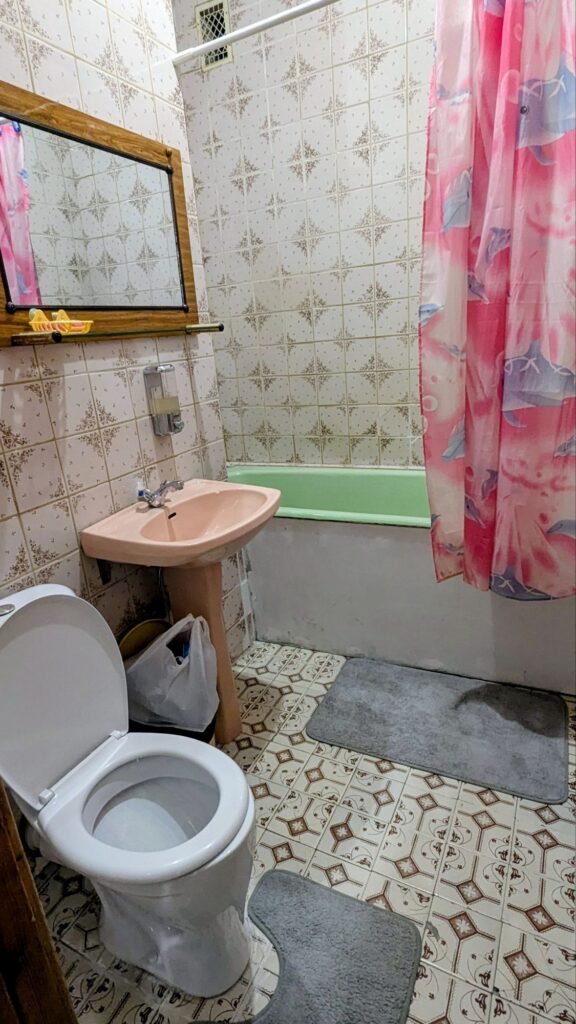
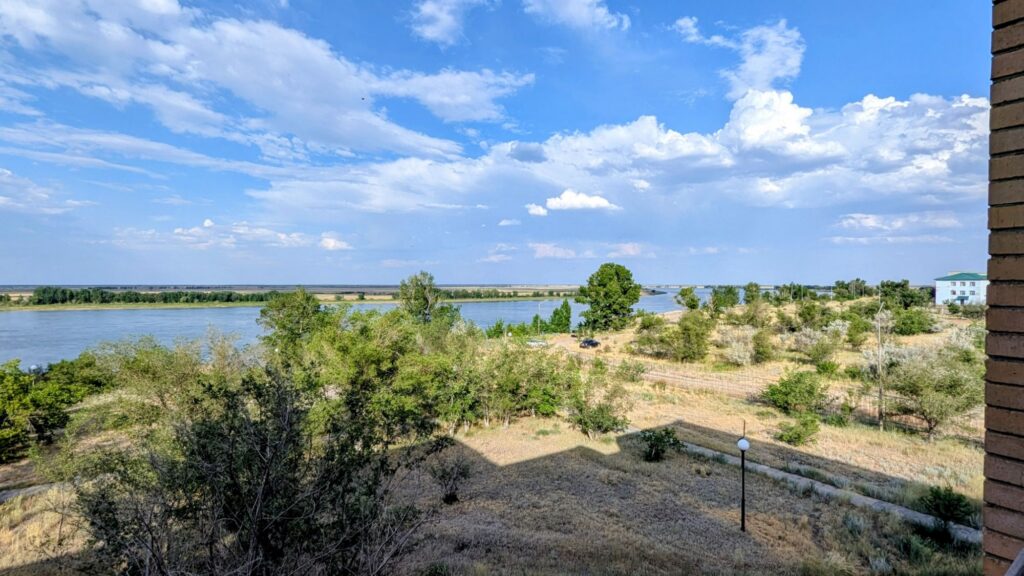
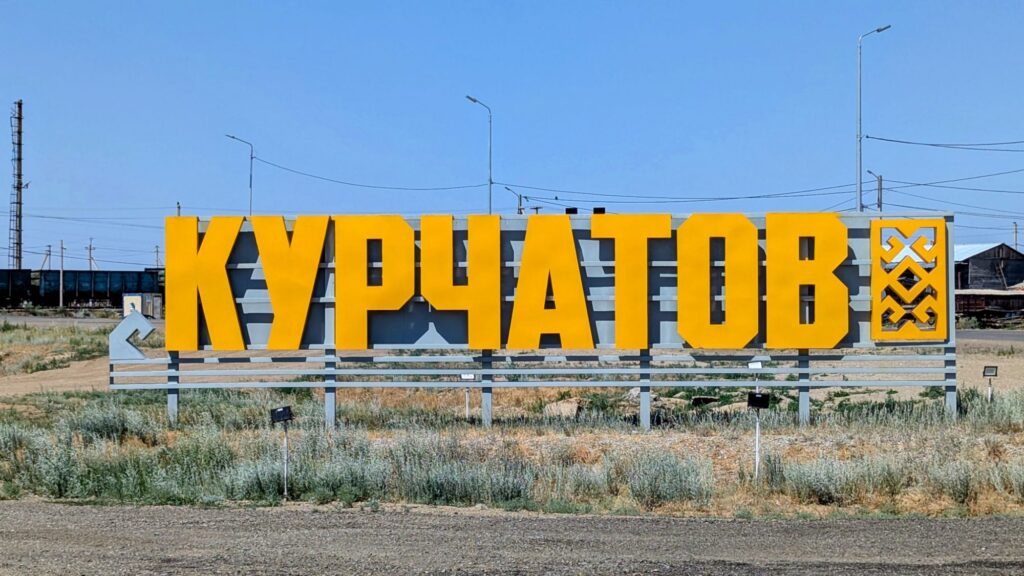
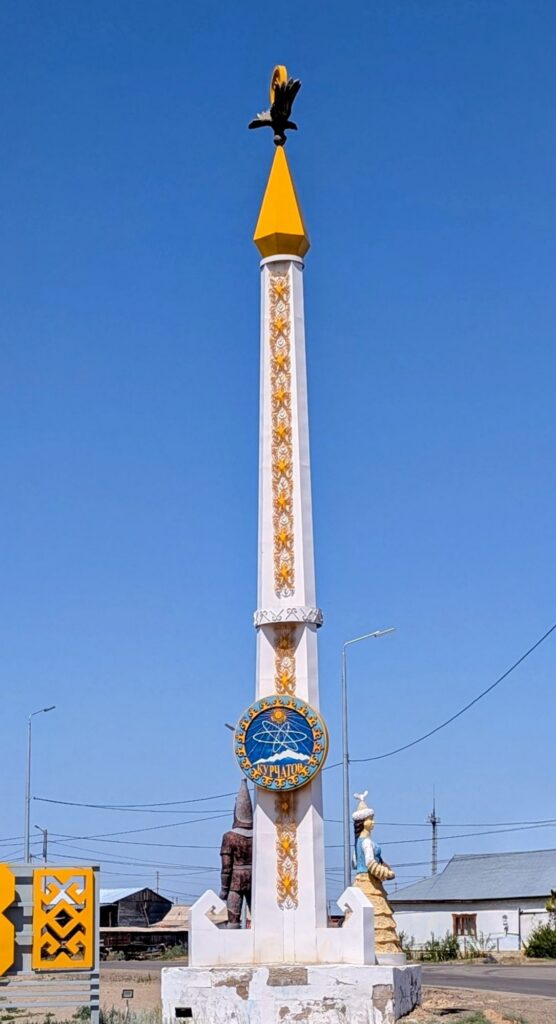
This is a rundown town with an interesting incongruous sprinkling of modern multistoried buildings for ongoing nuclear energy research.
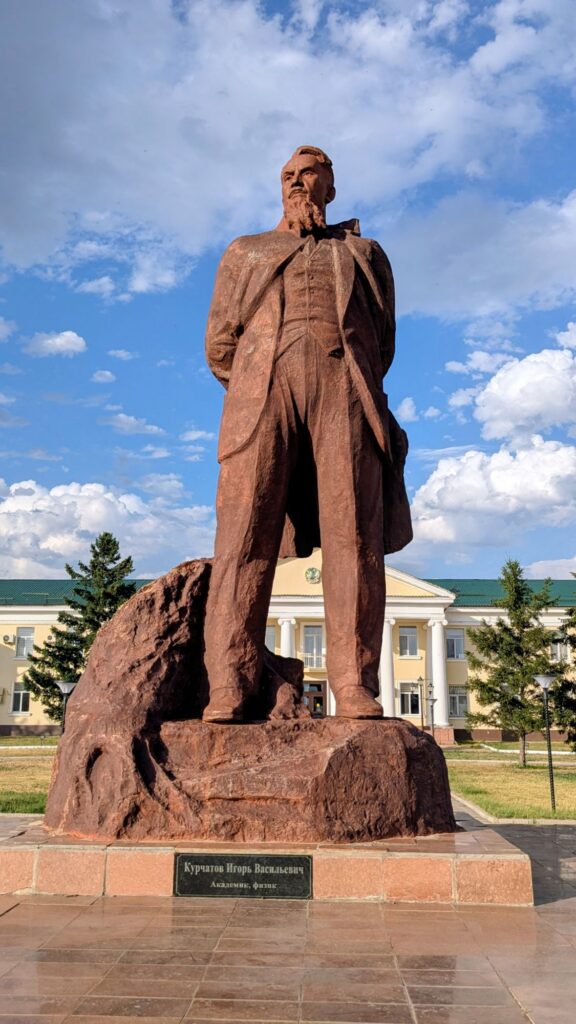
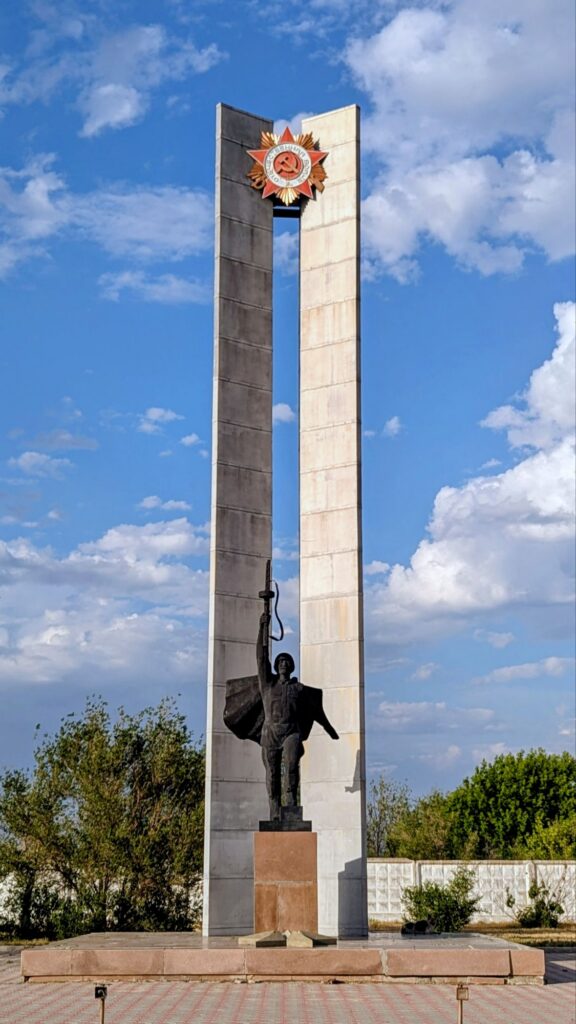
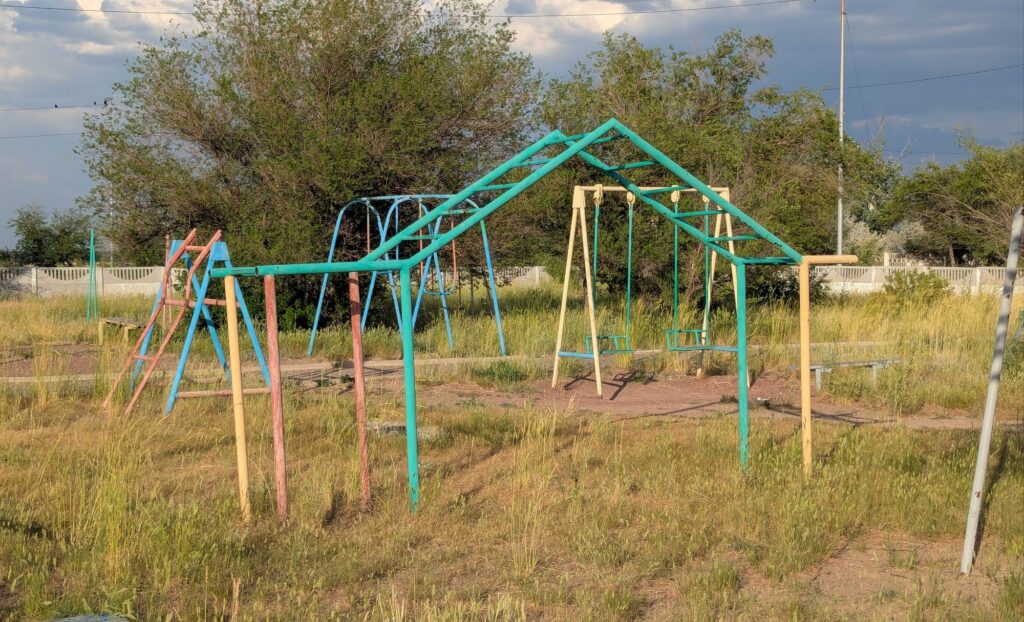
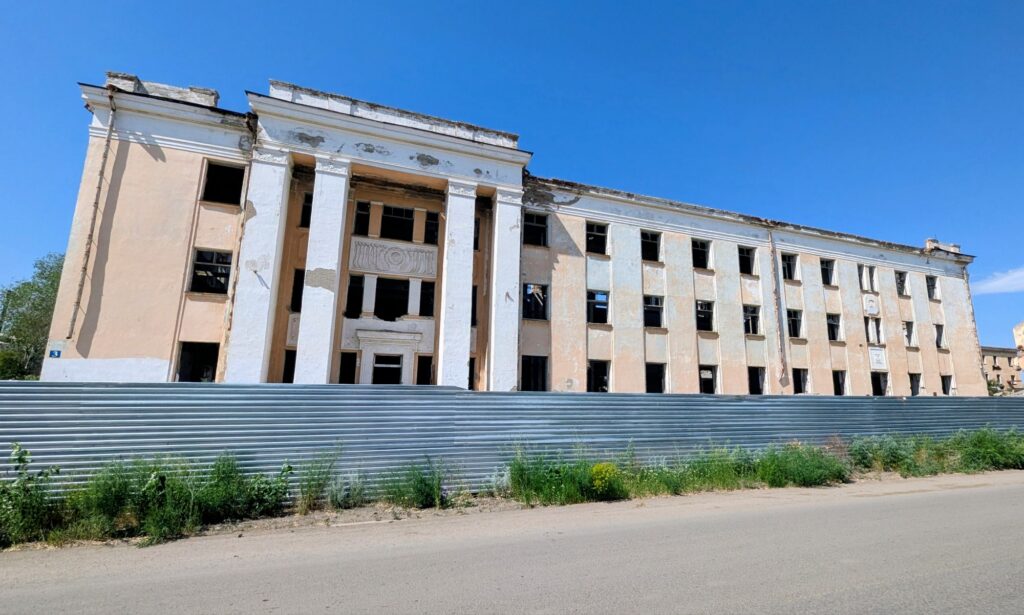
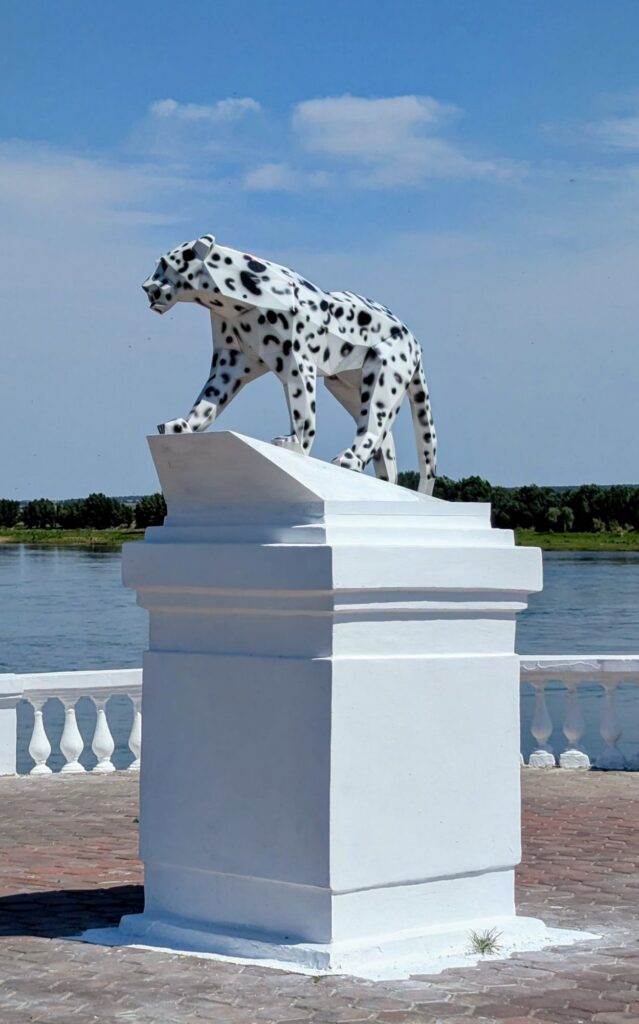
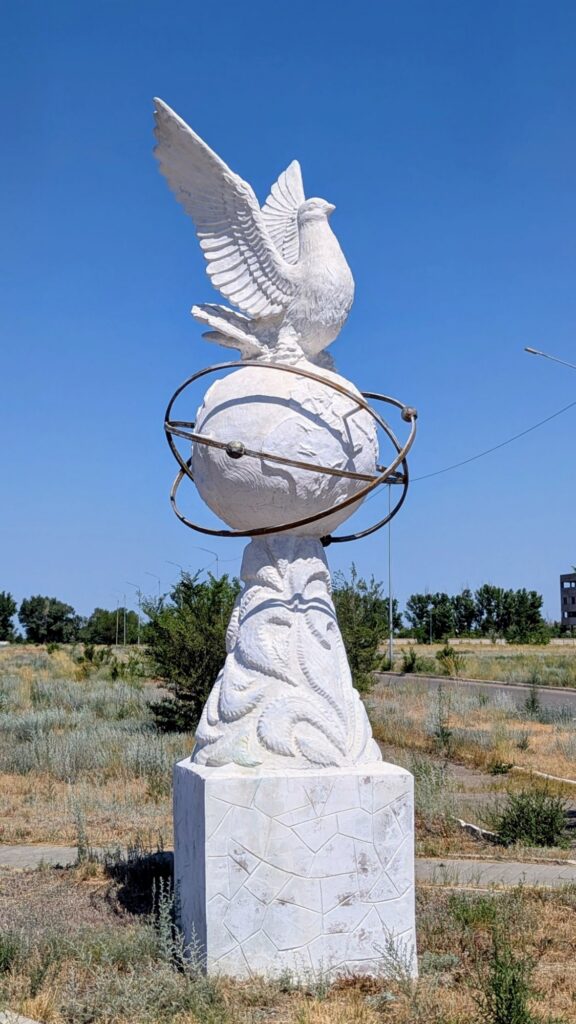
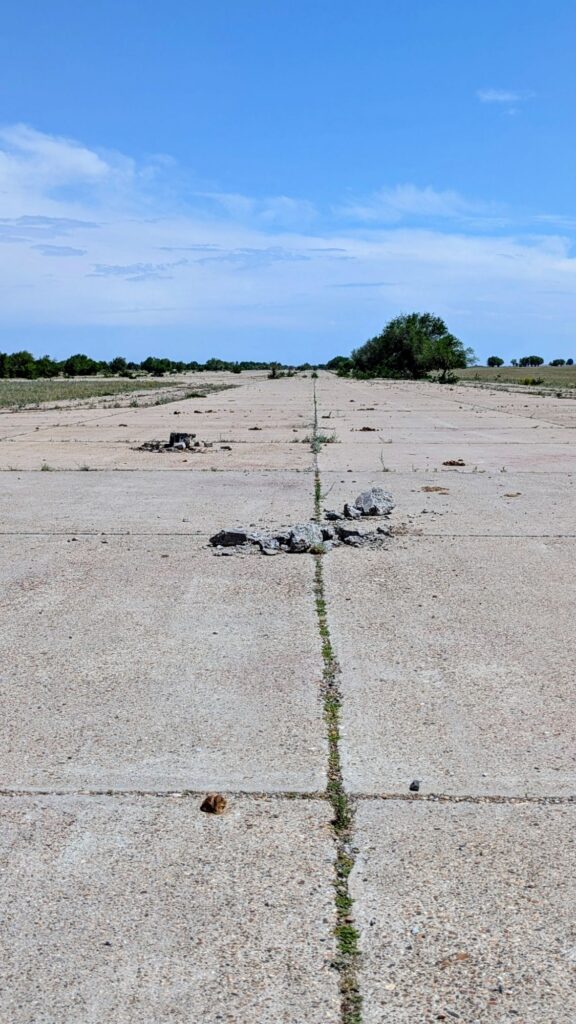
Kurchatov served as a base not only for nuclear testing but also an airbase for the aircraft that were to be the platforms for nuclear devices before the advent of rocket/missile technology. Most were extremely long range aircraft. Little remains and the looters have been out in force here too.